
AMD UDNA May Replace RDNA as CDNA 5 Signals a Unified GPU Architecture
CDNA5 introduces architectural changes that strongly align with long-standing rumors surrounding AMD's unified UDNA graphics strategy.
Hardware by Masaru Hoshino on Aug 01, 2026
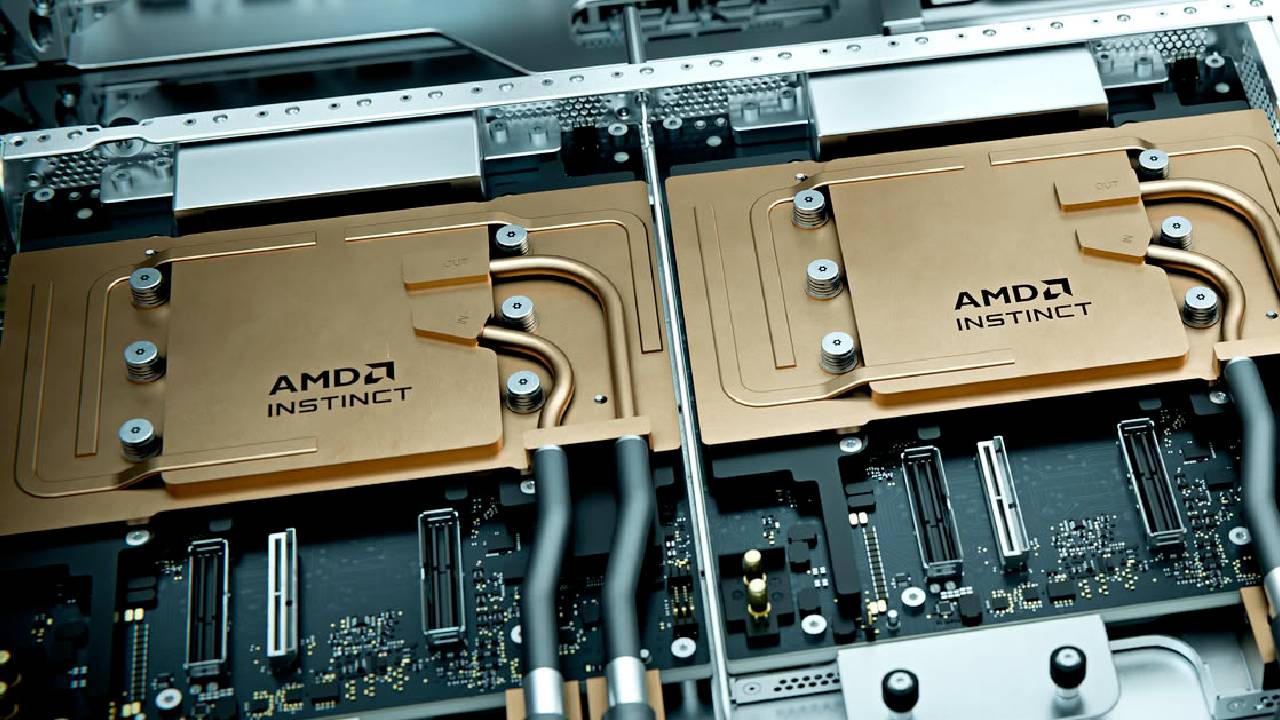
AMD's new CDNA 5 computational architecture is mainly focused on expanding its presence in the data center and AI sector. But several architectural choices hint that the corporation may be prepping for something considerably more ambitious than a compute-only design.
There have been several technical revelations in recent times and a few older leaks suggesting that CDNA 5 may be laying the groundwork for a single architecture that could eventually drive gaming GPUs, AI accelerators, APUs, and next-gen consoles under the suspected UDNA name.
CDNA 5 Appears to Align With Earlier UDNA Rumors
One of the longest-running and most reputable AMD sources tells us that, according to recent internal conversations, RDNA 5 is based on the speculated UDNA design, but with several customizations and tweaks for gaming, particularly. The source also said there are no significant internal references to RDNA 6; however, UDNA is still referenced in documents after RDNA 5.
Based on that information, the expectation is that RDNA 5 could be the final generation under the RDNA branding before AMD transitions to a unified compute and gaming architecture across its entire product portfolio. There is even speculation that AMD may ultimately market RDNA 5 itself as UDNA.
After receiving that information, we started examining AMD's CDNA 5 white paper because if RDNA 5 is already close to UDNA—or perhaps even an early implementation of it—then CDNA 5 should contain evidence that AMD is moving toward a more Radeon-like general-purpose architecture shared across data center and gaming products. One of the clearest examples appears immediately.
CDNA 5's Shift to Wave32 Looks Significant
CDNA 5 is moving to Wave32. Why is that important? Wave32 is what AMD has considered best for handling many gaming work items in what it calls wavefronts. The company has used Wave32 throughout its gaming architectures since RDNA 1 because a narrower wave reduces latency, and games generally perform better with lower latency.
By comparison, Wave64 has traditionally been used in compute-focused architectures such as CDNA 1, CDNA 2, CDNA 3, and CDNA 4 because it is better suited for heavy compute workloads. Now CDNA 5 is adopting Wave32. It is difficult to view this as a coincidence, especially when AMD is rumored to be moving toward a unified architecture.
At the same time, Wave32 is also well suited for AI workloads, so gaming is unlikely to be the only reason behind this transition. The previous difference between Wave64 in CDNA and Wave32 in RDNA reportedly created headaches for developers optimizing ROCm software on Radeon desktop graphics cards.
Compiler execution mismatches frequently became an issue. A unified Wave32 approach should simplify software support across gaming, AI, and compute products. It is also worth noting that NVIDIA already uses 32-thread warps, making AMD's move toward Wave32 even more logical for broader software adoption.
CDNA 5 Confirms Several Earlier RDNA 5 Leaks
Beyond Wave32, AMD has revealed several CDNA 5 details that closely align with previously leaked RDNA5 information. One of the biggest surprises concerns cache design. Earlier RDNA 5 leaks suggested AMD would abandon Infinity Cache in favor of a much larger shared L2 cache pool across the entire product stack. That would mean APUs, dedicated GPUs, PS6 hardware, and other products all relying on the same cache philosophy.
Initially, there was uncertainty about whether that information was incomplete because the proposed cache sizes appeared dramatically smaller than previous Infinity Cache implementations. RDNA 2 featured at least 64 MB of Infinity Cache, while leaked RDNA 5 configurations suggested figures such as 40 MB of L2 on a high-end 384-bit graphics card and 16 MB on mid-range products.
Achieving the expected performance improvements with dramatically less cache would represent a remarkable accomplishment. AMD later confirmed during an interview with Chips and Cheese that CDNA 5 uses what it calls a global L2 cache. That closely matches the earlier RDNA 5 leaks.
A Unified L2 Cache Could Simplify Everything
Removing Infinity Cache brings several potential advantages. Previously, AMD partners had to decide whether products should include Infinity Cache. PS5 and Xbox Series X skipped Infinity Cache to save die space, and that approach largely worked. Meanwhile, products such as Strix Point with RDNA 3.5 also omitted Infinity Cache, but bandwidth limitations became much more noticeable.
With a unified L2 approach, AMD no longer has to decide whether a product needs massive amounts of L3 cache. Instead, every product could scale naturally using a reasonable amount of L2 cache per compute unit. That approach minimizes silicon usage while delivering strong performance. It may also simplify driver development because every product follows the same bandwidth management philosophy.
Chiplet Designs Continue to Match Earlier Roadmaps
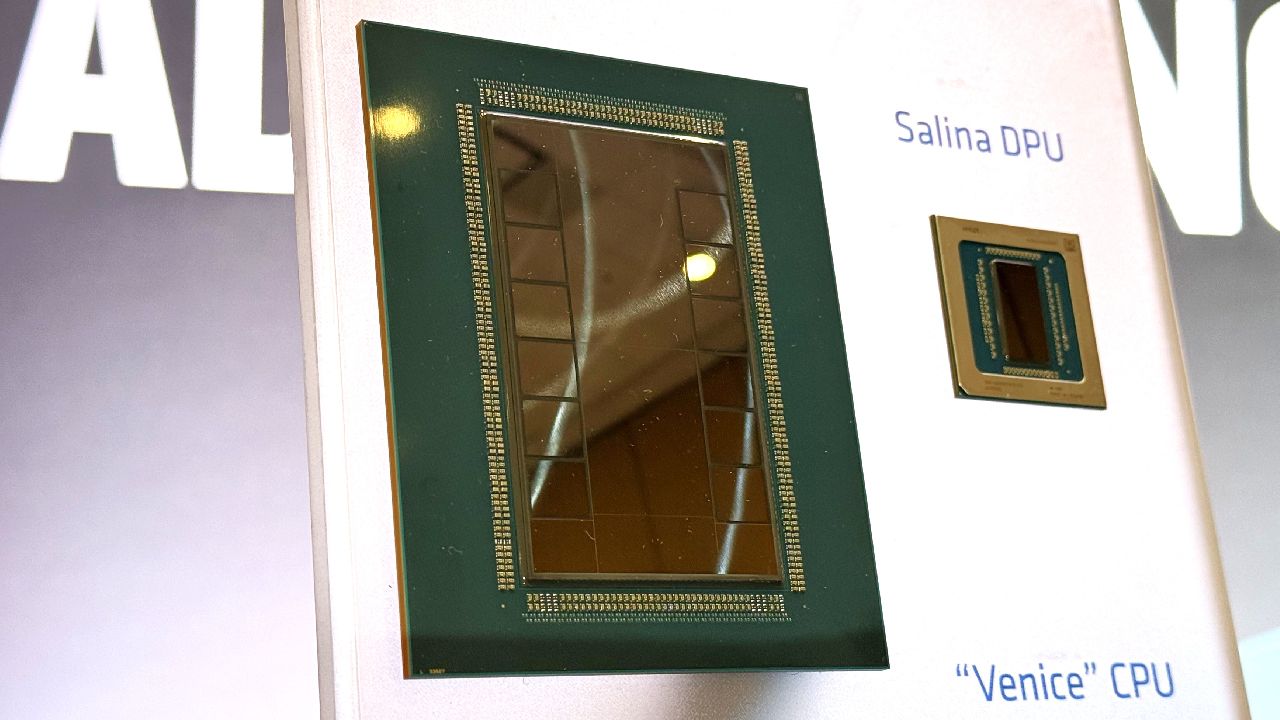
Another earlier RDNA 5 leak suggested AMD would expand its use of chiplets. The next-generation Xbox Helix was reportedly expected to use a Magnus chiplet shared with desktop graphics cards. The console version would combine a CPU die with a GPU and memory controller chiplet. Desktop graphics cards would instead pair the GPU chiplet with a smaller display output die containing additional I/O functionality.
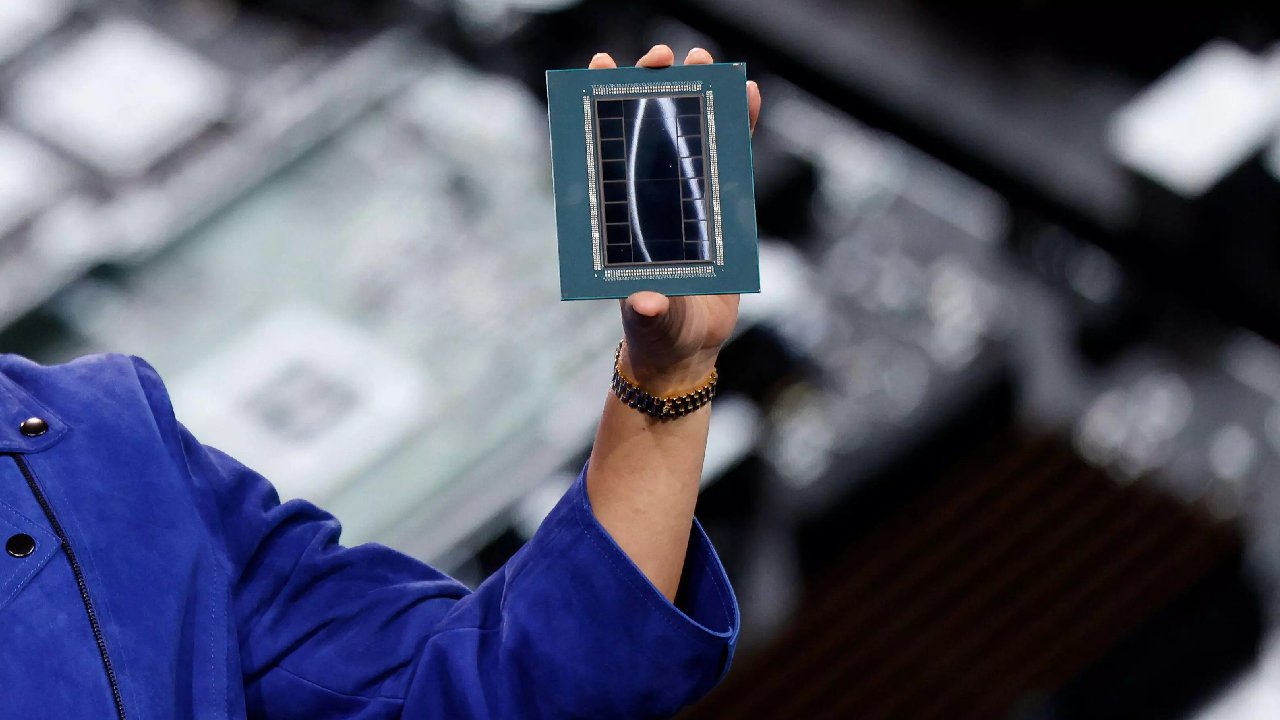
Looking at AMD's MI455X layout reveals striking similarities. Although the MI455X is significantly larger and designed for enterprise workloads, the arrangement of compute chiplets, memory controllers, and I/O dies closely resembles the leaked layouts for RDNA 5. Again, it appears AMD is already demonstrating the design principles expected to reach future gaming hardware.
Multiple Product Variants Already Share One Architecture
Earlier RDNA 5 leaks also suggested that AMD intended to build multiple products using shared chiplets. Smaller dedicated graphics cards would reportedly share chiplets with APUs, while larger configurations would power high-end gaming products alongside AI accelerators. AMD's newly announced MI400 family follows a very similar philosophy.
The MI430X and MI455X target different workloads while sharing the same overall architecture through different chiplet combinations. That demonstrates AMD's ability to use one architectural foundation across a wide range of products. If the same strategy reaches RDNA 5 or UDNA, AMD could build gaming GPUs, AI accelerators, consoles, and laptop APUs using a common set of compute chiplets.
RDNA 5 Looks Increasingly Like a Unified Architecture
Reviewing previous RDNA 5 leaks reveals another interesting pattern. Unlike RDNA 4, which was clearly designed primarily for gaming, RDNA 5 includes a large number of AI and machine learning variants. Gaming products no longer dominate the lineup.
That makes sense if AMD is truly building a unified architecture capable of serving gaming, AI, professional visualization, and other compute workloads simultaneously. Even the rumored top gaming variant reportedly features a 384-bit memory bus disabled from an original 512-bit configuration.
At first, that seemed unusual because even NVIDIA's GeForce RTX 5090 uses a 512-bit memory bus. However, if many versions of the same silicon target AI accelerators requiring hundreds of gigabytes of memory, then the wider memory bus becomes much easier to justify. Gaming simply becomes another product category using the same architecture.
UDNA May Represent AMD's Next Major Architectural Shift
For a long time, there was uncertainty about what UDNA actually represented. Public discussions suggested AMD had a UDNA initiative, but leaked documents continued listing both RDNA 4 and RDNA 5. Nothing clearly indicated that RDNA would disappear immediately.
It seemed possible that UDNA referred only to an internal effort aimed at sharing more technology between CDNA and RDNA over time. However, after comparing the CDNA 5 documentation with earlier RDNA 5 leaks and AMD's recent public disclosures, UDNA increasingly appears to be a genuine next-generation architecture rather than simply an internal development initiative.
Why a Unified Architecture Could Benefit Radeon
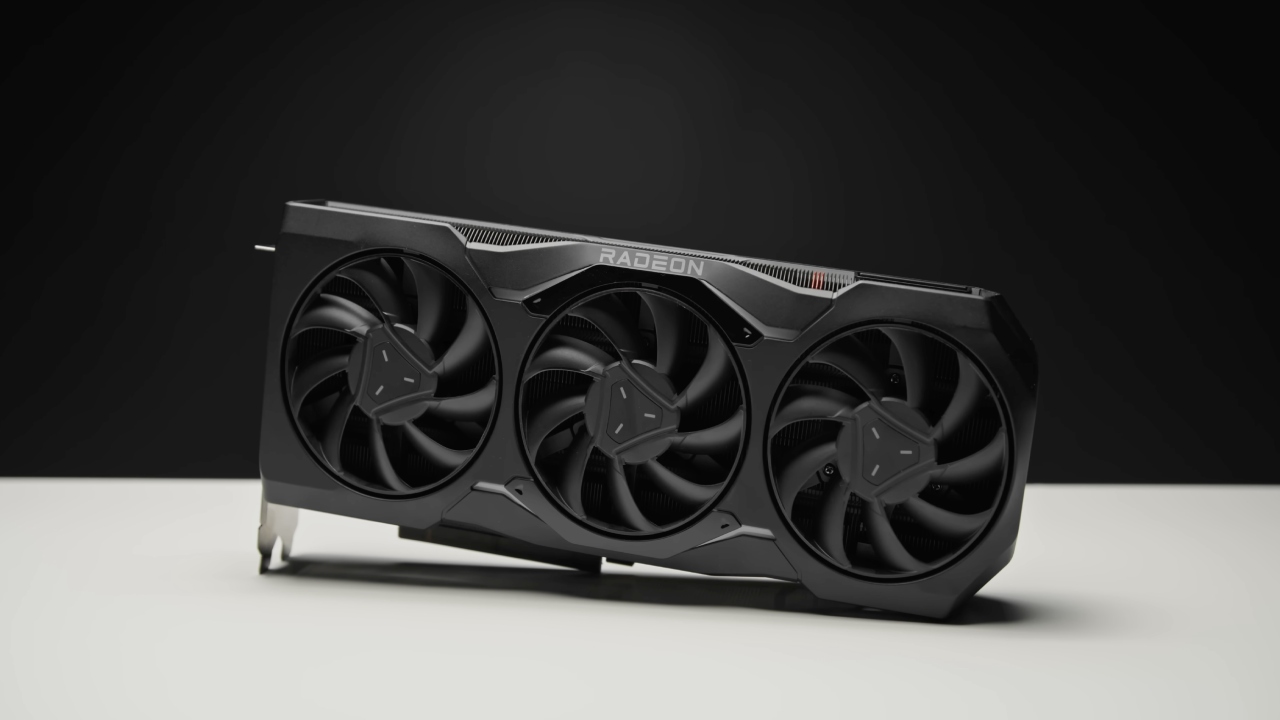
A unified architecture allows AMD to pull technology directly from its highest-end AI accelerators into gaming products. Dedicated graphics cards, laptop APUs, PS6 hardware, and Xbox Helix could all benefit from research originally funded by AMD's expensive enterprise products. That changes the economics of building high-end GPUs.
Instead of asking whether gaming alone can justify an enormous GPU featuring hundreds of compute units and up to a 512-bit memory bus, AMD can spread development costs across AI, enterprise, professional, and gaming markets. If only a limited number of enthusiasts purchase the flagship gaming model, that becomes much less important because AI customers are already funding the architecture.
Earlier generations such as RDNA 2, RDNA 3, and RDNA 4 remained noticeably smaller than Nvidia's highest-end offerings. With UDNA, AMD may finally have the financial justification to compete at the very top end again.
Looking Ahead
Everything currently points toward AMD building the foundation for a unified architecture that serves gaming, AI, professional compute, laptops, and consoles simultaneously. If these architectural changes continue into RDNA 5—or whatever AMD ultimately decides to call it—they could represent the company's biggest GPU transition since GCN.
That is why waiting another generation may ultimately prove worthwhile. The next wave of Radeon graphics cards could be far more significant than a routine architectural refresh.
Editor, NoobFeed
Gaming Hardware Updates
No Data.