
RTX 3060 Returns in 2026 as RAM Prices Reshape PC Hardware
Rising AI demand and memory prices are bringing older GPUs, CPUs, and DDR4 platforms back into the PC market.
Hardware by Shinji Okazaki on Sep 02, 2026
The PC market is struggling right now. Memory and storage costs are rising, supplies are limited, and consumer demand is declining. This is pressuring manufacturers, system builders, and graphics card partners. Because of parts shortages and AI-driven demand, many big brands are already changing their tactics. This is changing the market.
GPU manufacturers, motherboard manufacturers, and custom PC builders are among the largest players in the PC industry, and all are under financial strain. The current situation, however, is much broader than just graphics cards, unlike the previous GPU shortage.
Prices of Memory and Storage Are Provoking Unpleasant Issues
PowerGPU's founder says the issue is now memory, storage, and many other components. Prices are not increasing by several hundred dollars. In most cases, they have doubled or even tripled. To control the situation, PowerGPU saved money by moving to a smaller warehouse. The company also acquired a large amount of memory and storage early on, but these are now being depleted.
Meanwhile, customer demand has decreased considerably. The company is currently operating in what it calls survival mode. MainGear has raised such concerns. The company, which has been in business for over 20 years, says it cannot see a definite end to these challenges, at least over the next two years.
Graphics card manufacturers are not left out. Earlier this year, Zotac cautioned that the survival of GPU board partners might be under threat. Since Galaxy merged with its parent company, Palit, the company will use the Galaxy brand. The company cited supply shortages and raw-material shortages driven by increased AI demand as a major reason for the move.
Consumer Demand is still on a Downward Trend
Hardware shortage is just one side of the problem. Consumer demand is also decreasing sharply. The latest retail reports indicate that CPU and motherboard sales were much lower than the previous year. One of Germany's largest retailers reported only a quarter of last year's sales.
Under normal conditions, lower demand would lead to lower prices. But component prices remain high because of supply shortages. That puts both buyers and sellers in a challenging situation. Budgeting is more important than ever if you are going to build a new house. NVIDIA is considering reintroducing the GeForce RTX 3060 12GB.
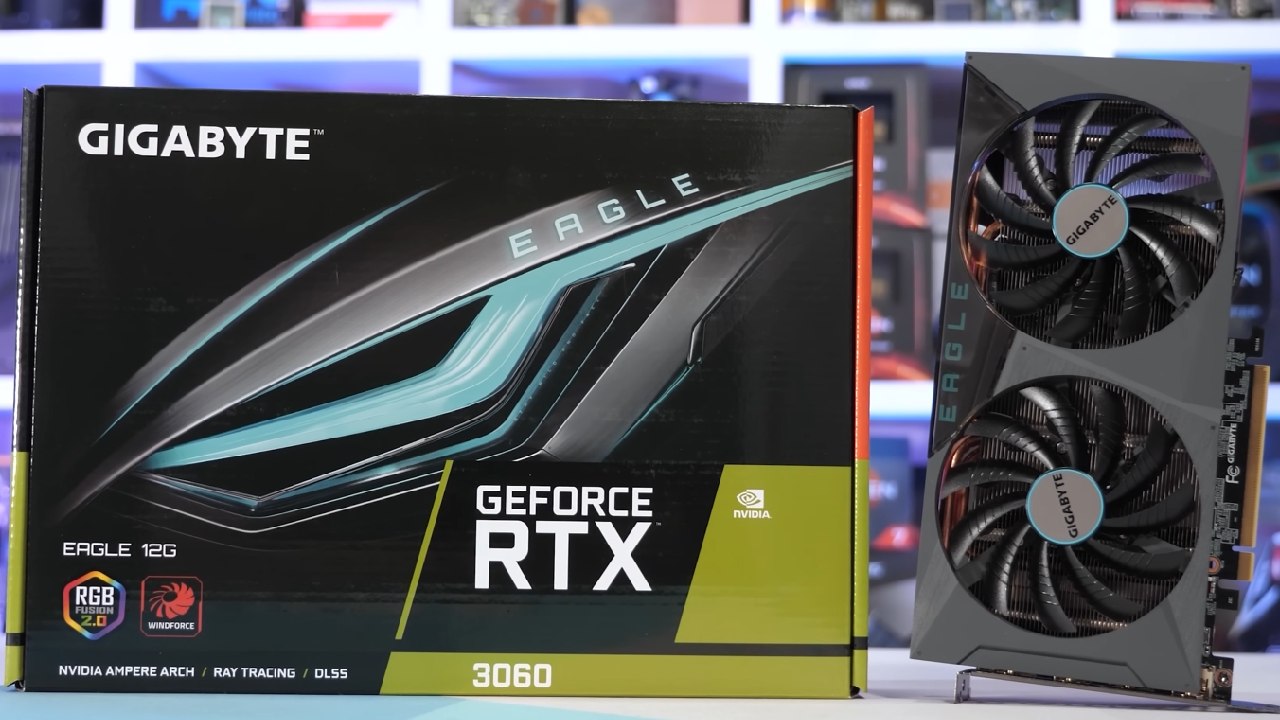
NVIDIA appears ready to reintroduce an older GPU amid current market conditions. Several sources confirm that the GeForce RTX 3060 12GB will be re-produced. Supply should return in June, and board partners will start mass production in July. Colorful, Asus, MSI, and Galaxy will receive new allocations. This action seems to go beyond mere inventory clearing.
NVIDIA is trying to meet demand for an affordable graphics card with sufficient V, according to reports from Board Channels. Rumors suggest that pricing will be between 290 and 360. That would put it near its initial 2021 launch MSRP. Although the RTX 5050 is already available, the RTX 3060's 12GB frame buffer might keep it competitive in some workloads and modern games.
.jpg)
The GPU Market is in a Challenging Situation
The fact that Nvidia is releasing a graphics card that was launched in 2021 in 2026 speaks volumes about the market. More options are never a bad thing, but they also point to limited availability of affordable GPUs. Older GPUs with higher memory capacities can provide great value to many buyers compared to new entry-level options.
Supply constraints may soon prompt more manufacturers to revisit older products. A DirectX 12 Shader Model 6.10 could alter the competitive landscape among GPUs. Microsoft has also issued a preview release of its new DirectX 12 Agility SDK with Shader Model 6.10. For you, this could ultimately mean improved cross-platform AI functionality and more reliable Performance across various graphics cards.
AI Upscaling may become vendor-agnostic. The potential of universal AI upscaling is one of the most significant implications of Shader Model 6.10. Rather than using a vendor-specific technology (DLSS), developers or game engines could theoretically use a single machine-learning upscaler compatible with all supported GPUs.
Enhanced Performance will be achieved through sharing memory.
Shader Model 6.10 also improves access to high-speed shared memory, which is located close to the GPU cores. Earlier models limited this scratchpad memory to 32KB. The update will raise that limit and open the hardware limit to developers.
This will minimize VRAM traffic, enhancing Performance and reducing latency in rendering workloads. In modern games, that could mean better performance and smoother frame delivery. There is a major change in the PC hardware market. Increased component costs, declining demand, and AI-driven competition on the supply side are influencing all industry segments.
Meanwhile, the development of software such as DirectX 12 Shader Model 6.10 can refreeze competition between GPUs and give players new opportunities. We are also entering a period in which hardware costs and software innovation will shape the PC market. Timing will be more critical than ever for anyone intending to upgrade.
Editor, NoobFeed
Gaming Hardware Updates
No Data.