
Steam Deck Sales Drop 82% After Major Price Increase
Steam Deck sales have fallen sharply after a major price increase as rising hardware costs reshape consumer spending.
Hardware by Shinji Okazaki on Sep 01, 2026
After a big price hike, sales of the Steam Deck dropped sharply. This shows how higher hardware costs are hurting consumer spending. But rising component demand, inflation, energy costs, and game hardware costs are making people pickier about where they spend their money. The number of Steam Decks sold is surprising, especially since Valve raised the price of the decks earlier this year.
That decline says something about the current market. Consumers simply aren't accepting higher prices as easily as before. What makes the situation more interesting is that this is the beginning of a strong sales period for gaming hardware, particularly as kids head back to college and consumers look for new gaming devices.
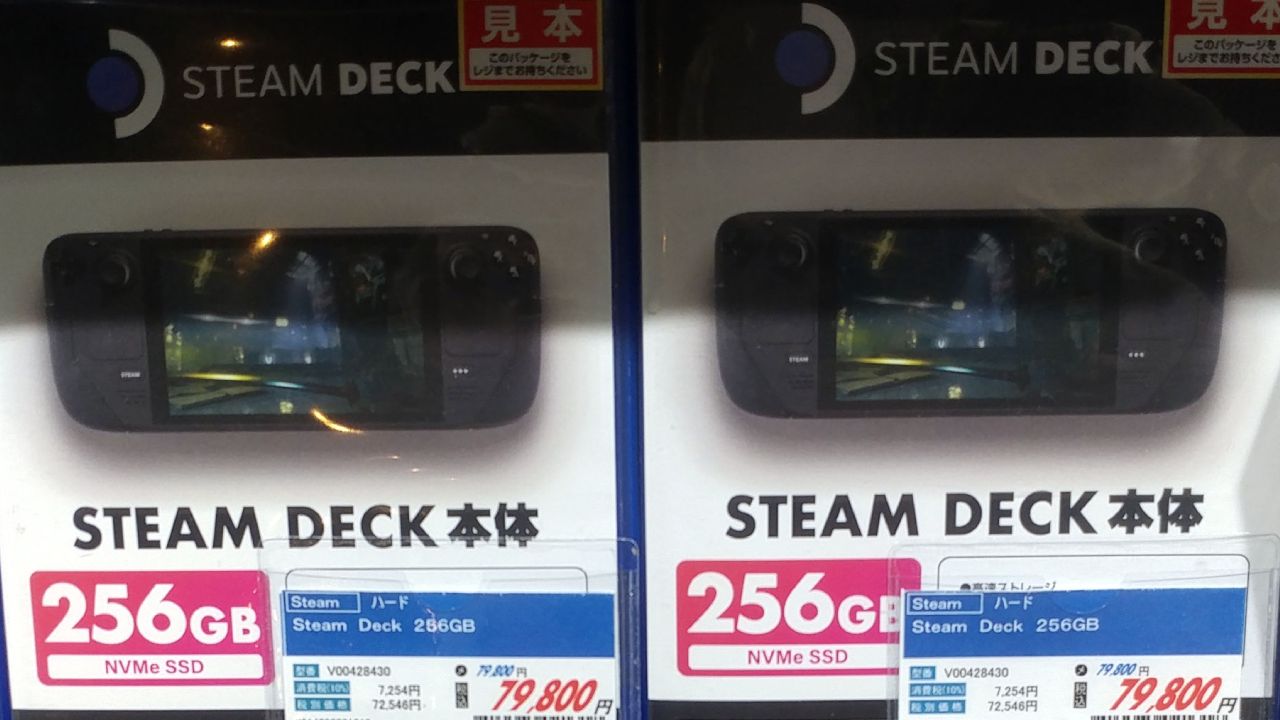
Steam Deck Sales Fall 82% After Price Increase
Even with that seasonal demand, Steam Deck sales are down significantly. People aren't keeping up with the prices. People aren't keeping up with inflation. Demand for chips and physical components is high because of AI and other technologies, but something has to give eventually.
One thing that needs to happen is an increase in the availability of raw materials. We need more resources, and we need them now. There needs to be more optimization across the supply chain as well. Maybe a meteor will fall and hit Earth somewhere, allowing all those resources to be harvested and used to bring down raw material prices.
It sounds ridiculous, but something has to change because the current situation is frustrating. Rising component costs affect almost everything. Hardware manufacturers face high costs for materials, transportation, manufacturing, and energy, and those costs are eventually passed on to consumers.
Expensive Hardware is Becoming Harder to Justify
Rising prices are becoming hard to ignore. Steam Machine is one example. A lot of money can go into building a gaming setup, and even when the hardware delivers the expected experience, the overall cost can make additional purchases harder to justify. Steam Machine has been great for playing games at 2K at 60 fps, especially with an ultrawide display and a 7.1 surround sound system.
Resident Evil 4 has been running well, and The Witcher 3 is another game that can finally get more attention. The Witcher 3 has barely been played so far, with only around 30 minutes spent with it earlier this year after buying it during a Steam sale. Resident Evil 4 took priority instead, and it is still close to being finished.
The upcoming Witcher 3 update makes waiting even easier. Rather than simply receiving a new coat of paint, the game is getting changes to combat and other systems. That makes it more than a basic visual update. You can view it as an enhanced remaster because it adds new systems instead of simply improving the existing presentation.
The free update is expected around September, so it makes sense to wait before starting The Witcher 3 properly. There is plenty to look forward to, and the game should be a good fit for a large-screen setup with surround sound. A Switch 2 is still worth getting eventually, especially with games like the Ocarina of Time remake.
However, you should spend carefully when you've already made several other purchases. A surround sound system can require significant investment, and even a better subwoofer can cost around $2,000. When major purchases add up, another gaming console can wait. A $100 price increase may not matter much over several years, especially when you keep investing.
Consumers Need to Start Cutting Costs
Until that happens, consumers need to be more careful with spending. Cutting unnecessary costs and buying only what genuinely brings enjoyment can make a difference. Steam is a good example. It can be easy to open the Steam Store, see a game on sale, and immediately feel like you need to buy it. But sales don't necessarily mean you're saving money if you won't play the game.
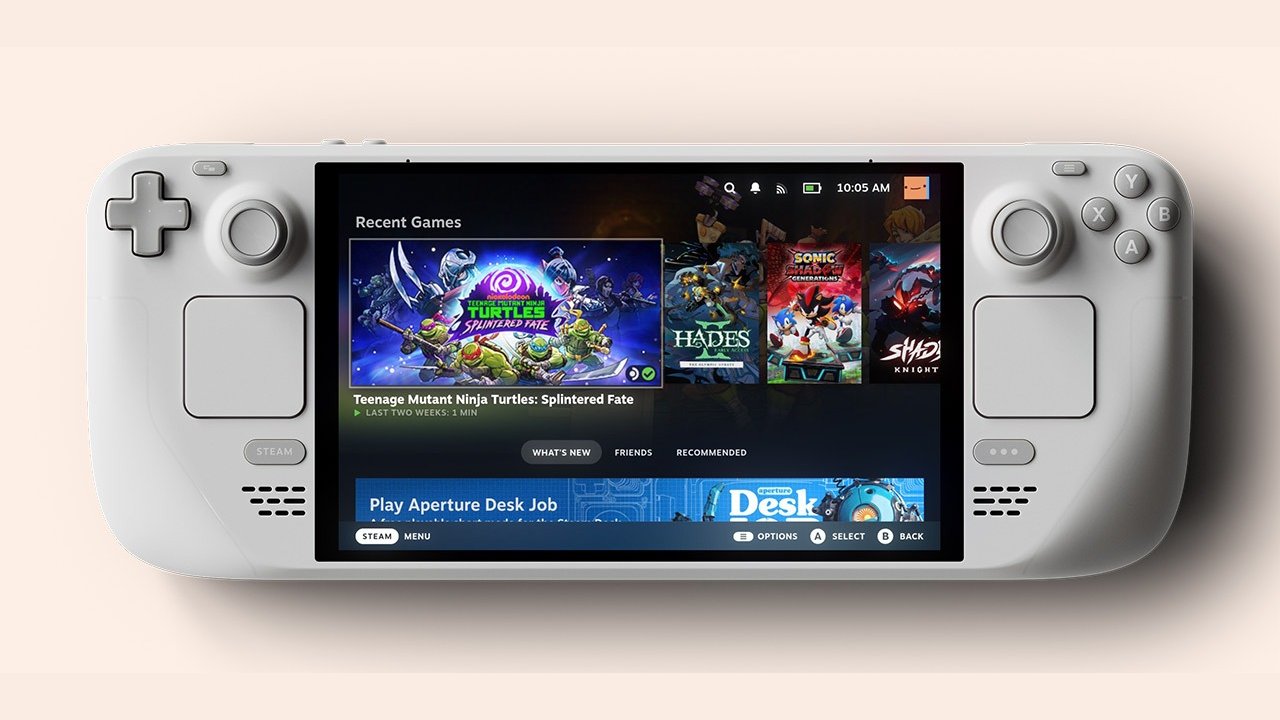
It's better to stay away from the store for a while than to keep buying discounted games. Consider priorities before spending. The current market is a good reason to optimize spending and focus on what actually matters, rather than constantly adding more purchases. Steam Deck is still a cool gaming gadget, especially for playing games while lying in bed or just chilling out without your main gaming setup.
There are different ways that a portable PC is more convenient than a desktop or a big-screen gaming system. A big game setup, on the other hand, gives you a different experience. With a 55-inch TV, a 9.1 surround sound system, an ultrawide display, and a properly set-up room, games can feel much more real.
Gaming hardware prices are becoming a bigger problem.
The 82% decline in Steam Deck sales after the price increase shows how sensitive consumers are to hardware price increases. Gaming hardware is competing with other expenses, and consumers have limits on what they are willing to spend.
A Steam Deck can still be useful for playing games on the go, but a Steam Machine or a bigger gaming setup may offer a different experience. What's important is that rising prices are making people decide what to prioritize.
Spending may need to be carefully managed until the costs of raw materials, energy, and parts, as well as production pressures, start to decline. That could mean people buy fewer games, put off hardware upgrades, and focus on buying things they will actually use.
Editor, NoobFeed
Gaming Hardware Updates
No Data.