
Steam Machine and Steam Frame Verification Updates: Flat Games Qualify Verification Without Native VR Resolution
Valve strengthens the game verification system across the Steam Machine, standard SteamOS, and the upcoming Steam Frame headset.
Hardware by Shinji Okazaki on Jul 17, 2026
Valve has been releasing updates for all of its hardware. These updates have improved how games are confirmed on the Steam Machine and gotten the Steam Frame closer to going on sale to the public. There have been recent changes to game compatibility badges, frame rates for streamed content, and the rules that say which games can be played on each device.
These changes are part of a larger effort to make the new hardware feel consistent across the Steam ecosystem. Steam Deck verification system has felt inconsistent for a while, and it looks like Valve may leave it mostly untouched until a second generation of the handheld arrives.
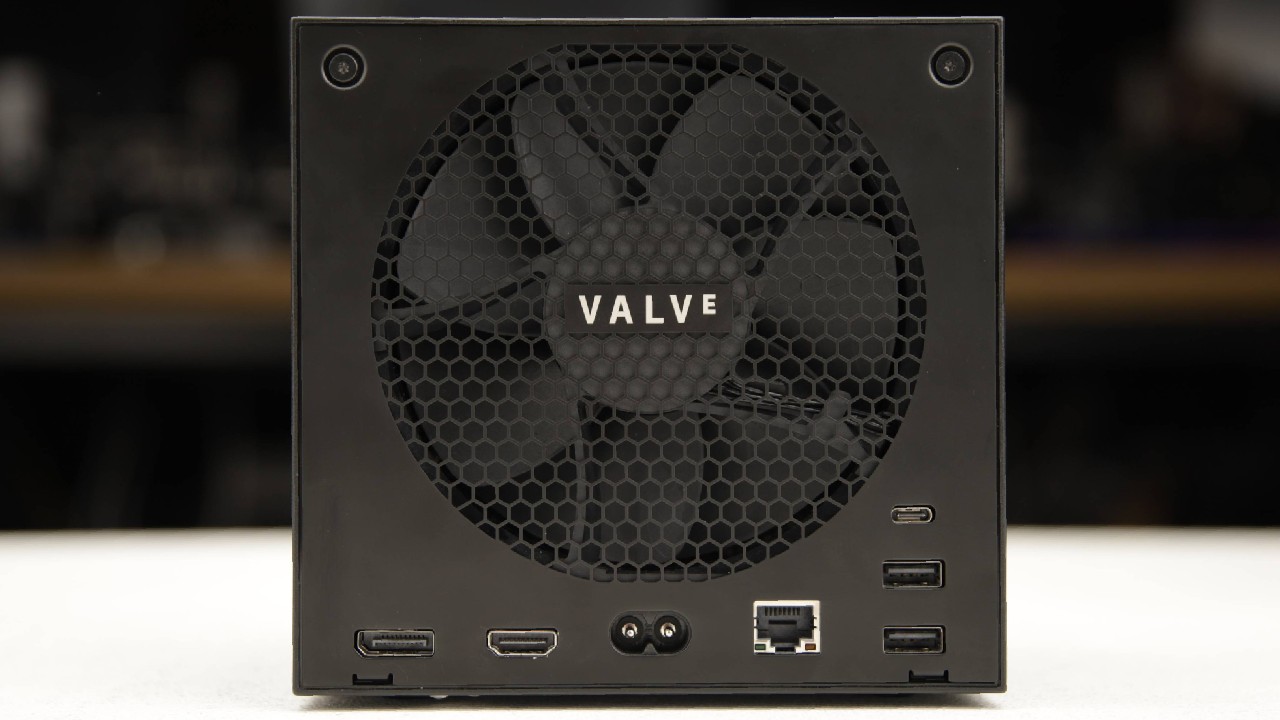
A Stronger Verification System for the Steam Machine
Steam Machine, standard SteamOS, and the Steam Frame are getting more attention instead, with more effort going into confirming that games actually perform well before receiving a verified badge on the Steam Store. Finding that status differs slightly depending on where you look. On the Steam Machine itself, we can go to a game, tab over to game info, and see the verification status along with the reasoning behind it.
Anywhere else, the Steam Store page shows the same information further down the page under verification status, with a learn more link that lets us tab through separate columns for Steam Deck, Steam OS, Steam Machine, and eventually Steam Frame.
Assassin's Creed Black Flag Resynced received full verification on its launch day, with all functionality working on default controller configurations and Steam controller icons displaying correctly in the UI. The default graphics configuration performs well on the Steam Machine, and while the game carries some DRM tied to a partial Ubisoft launcher, that launcher only needs to load once without requiring a login.
The game was first put through a lot of tests that were similar to the PS5's speed, balanced, and quality modes. These run at 1080p 60 fps and 1440p 40 fps with light ray tracing, and at 30fps with a near-maximum preset, respectively. The settings started out at 1440p high, 30 fps, with FSR4 set to quality. Everything worked fine.
Why Early Verification Trends Matter for the Platform
When I switched to an LG B5, a basic OLED with four HDMI ports that support full 120Hz, the setup changed to FSR4, balanced at 40 fps. It stayed at 40 fps the whole time, with only small drops to 39 or 42 fps during some cutscenes. That result is very similar to what you'd get on a PS5, even though you were using better settings overall.
Seeing a major early release earn verification on its own merit, rather than as a formality, is a promising sign for the Steam Machine. Testing across a range of titles, including demanding games, has produced consistently smooth results, and that consistency should hold up well over the next few years.
Sentiment around PlayStation hardware has been shifting, too, with a Push Square survey showing that 45% of respondents plan to switch to PC rather than upgrade their consoles. If fewer people upgrade to a next-generation PlayStation, the PS5 will remain the default benchmark for game development longer, which, in turn, extends the Steam Machine's relevance by association.
.jpg)
Steam Frame Updates Signal a Closer Launch
Even though pricing and availability issues caused a rough start, things are looking like they're picking up speed. Reports say that the original price goal was around $700. A $500 price point was never going to be possible, but getting closer to that original number would help with adoption. Concerns about pricing haven't stopped people from buying, as evidenced by the high sell-through rate.
Also, paying $1,500 for the 2TB configuration still seems fair after using it so far, which is a good sign for the platform as a whole. As part of future tests, the Steam Machine and the Steam Deck will be compared, especially for emulation setups that could make any device feel like a console. Valve already seems to be working toward this kind of cross-device integration.
Development kits for the Steam Frame were sent to developers at the end of last year, and gameplay footage from them has started appearing online. However, public hands-on access still seems limited. Two updates arrived recently, suggesting the device is nearing release.
Steam Frame has been updated to accommodate titles not built around VR.
The first is a Great On Frame section on the Steam Store, a feature the Steam Machine still lacks despite already being available, which points to Valve still gathering enough player data before rolling out an equivalent section for that device.
Broadening the flat game library in this way should meaningfully expand what's available at launch, since VR-native titles remain relatively scarce, even though some existing VR games are expected to receive compatibility updates. Developers behind games like Moss and Arizona Sunshine are instead porting their titles to flat versions, which reflects a wider trend in how the catalog is shaping up.
Having spent time with VR headsets, from the original Oculus Quest to its later generations, most of the notable VR titles, including Metro Awakening, Half-Life Alyx, Boneworks, and Bonelabs, have already been covered. Across the Steam Machine, Steam Frame, and Steam Deck, the audience is smaller than on mainstream console platforms.
Editor, NoobFeed
Gaming Hardware Updates
No Data.