
EverDrive Fixed, But Now Analogue 3D Faces Its First True Crisis
The console that vowed 100% compatibility just ran into the one game it couldn’t handle.
News by Zahra Morshed on Dec 01, 2025
For weeks, the Analogue 3D has been getting a lot of attention from the business world, the kind of attention that's normally only seen on flagship platforms. But there's a quiet anxiety about it now. Every time the system gets an update, new stories start up about it. This makes it feel both cutting-edge and unfinished.
When it came out, it was one of the few times in retro game history that modern technology met old-fashioned hopes. Players have been closely watching for signs that the device is finally stabilizing. The last change came from a direction no one expected. Early reviews said that the EverDrive X7, which is a popular flash cartridge for older hardware, wouldn't work with the Analogue 3D.
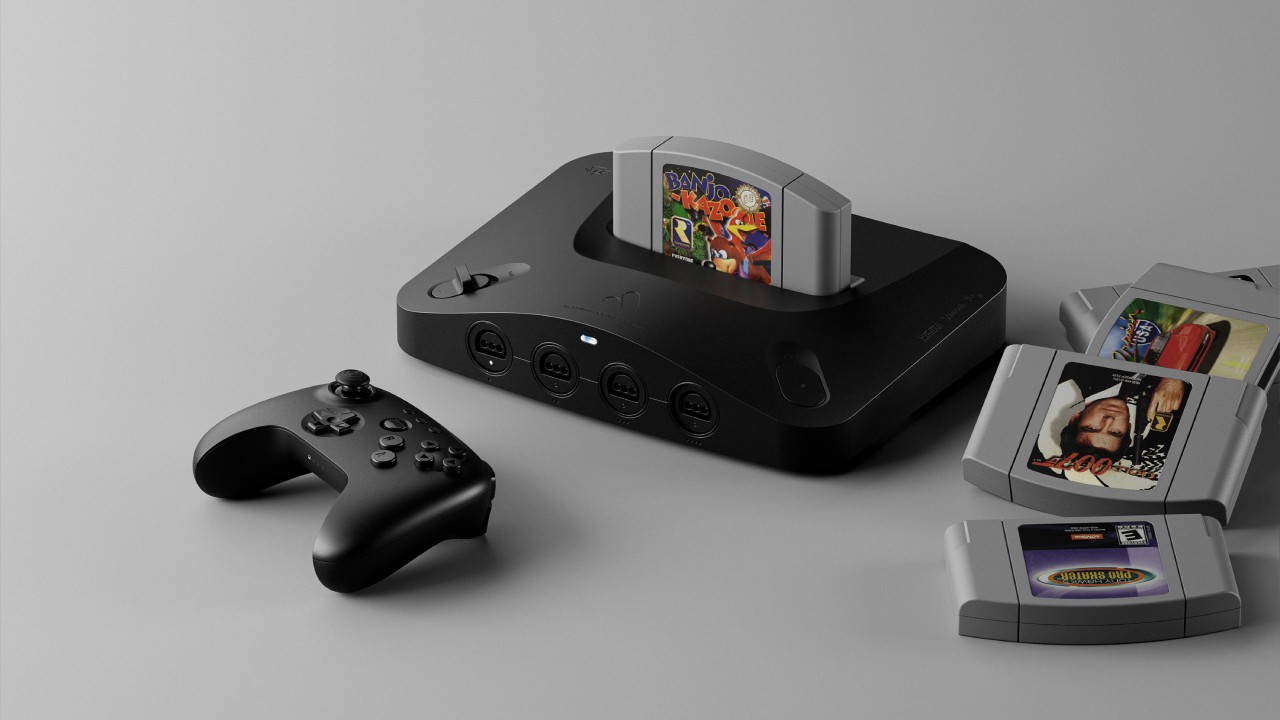
The incompatibility was one of the main complaints, which caused problems in a group that cares about both performance and preservation. Then, almost overnight, things changed. The EverDrive's creator sent a patch that quietly restored functionality and got rid of the biggest complaint about the gadget.
In a retro world that is becoming more and more divided, the patch sent a reassuring message that hardware makers can still work together. But as soon as they were compatible again, new worries started to show up. The ads for the Analogue 3D said that it would work perfectly with all of the Nintendo 64 games. This claim really hit home with fans who have spent decades dealing with buggy emulators and unstable clone hardware. But there was something wrong with that promise that was not fully clear.
Soon, stories from the community came out describing an unexpected failure: Space Station Silicon Valley, an original cartridge with a lot of information, wouldn't go past the first animation.
The problem didn't happen with real N64 devices. A lot of people confirmed the same behavior, which led to a wave of doubt that spread faster than any official answer. There were many weird things about the game at first, but this new problem had nothing to do with them. It looked like an interruption that only happened on Analogue, a flaw in a system that was promoted with full confidence.
What makes this event stand out is how different it is from what the platform said it wanted to be. Precision engineering, careful FPGA development, and the idea that old systems can be recreated with modern accuracy are big parts of Analogue's image. The company usually stays away from emulation methods. It rebuilds hardware down to the level of the circuit. This meant that the claim of 100% agreement was true. It seemed like an unheard-of step forward in recreating an extremely hard console.
The new information makes that promise less certain. The Analogue 3D may have better technical specs than its competitors, but it's not always true that it's fully compatible with all games. If one game doesn't work as expected, the whole claim falls apart. Retro libraries are hard to plan for. Hardware quirks from the 1990s can't always be exactly copied without a full list of possible outcomes. And this shows that even a small difference can make people less confident in the platform's accuracy.
The fact that a certain game was harmed adds an unexpected irony. Space Station Silicon Valley is known for having strange physics, strange design choices, and a long list of strange behaviors built right into its original disk. But even this very strange game has never had trouble getting past the beginning on real N64 hardware. The fact that it only fails on the Analogue 3D suggests a deeper design mismatch that needs to be carefully indexed and debugged.
Analogue seems to be aware of the problem. The company has started talking directly with users who are worried, letting them know that the game-breaking bug is real and that work is being done to fix it. That acknowledgement gives me some hope, because it means that the platform's engineers are already looking into this strange behavior. But the main point is still the same: the console is not yet reaching the level of total accuracy that its advertising says it will.
Developers and hardware historians have long talked about how complicated the Nintendo 64's design is. It is famously hard to copy because it has a Reality Signal Processor, custom microcode, and memory access patterns that aren't typical. Timing, vector math, and unique rendering quirks are hard for traditional emulators to handle. By rebuilding hardware behavior directly, Analogue's FPGA method was meant to get around many of these problems. But this new problem shows that even with custom silicon recreation, even a small difference in timing can mess up the structure of a game.
This adds an interesting drama to the story about the Analogue 3D. On the one hand, the console is still one of the most ambitious attempts to bring old hardware back to life. It's a device that aims to bring a whole generation of 3D classics up to date with accuracy, stability, and visual clarity that has never been seen before. But the claim of full compatibility now meets its first test, which serves as a reminder that no matter how advanced the hardware recreation is, it still runs into the same invisible edges that made the original technology what it was.
The fact that the EverDrive X7 patch came out at the same time is another interesting difference. As soon as one compatibility problem went away, another one showed up, making for a strange balance. The machine moves forward one step and then stops. As players watch from the sides, they can't help but wonder if the system is moving toward improvement or a long cycle of patching and resetting.
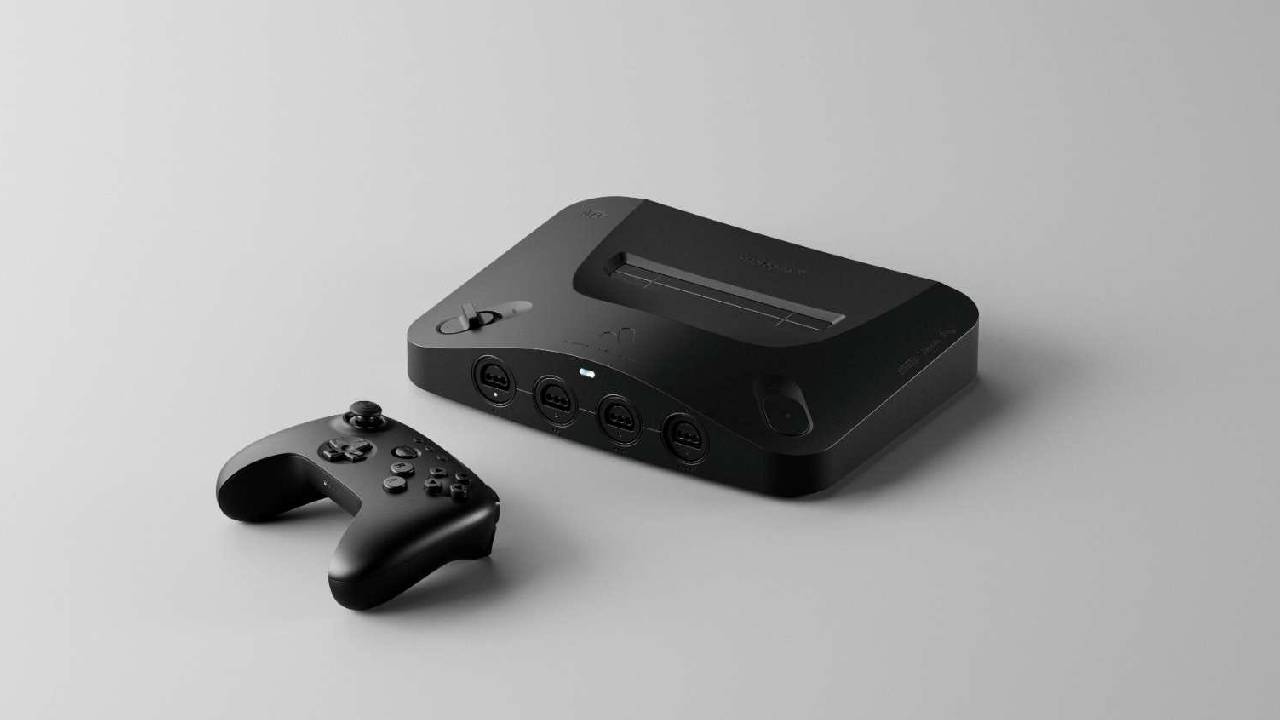
This doubt hasn't made people less interested in the console. There is still not a lot of stock, and interest keeps growing as more people get their hands on units. But there is a small change going on in the midst of the excitement. Fans aren't just praising the hardware anymore. With the care of archivists, they are reviewing it, digging into what it says, and keeping track of how it acts. There is a new probe into a machine that was made to repeat the past.
How that study goes on will depend on what Analogue does next. People would have more faith in the company's engineering mindset after a quick patch. A slower reaction could lead people to think that there are more problems that can't be seen. People who are into old gear are patient and careful. Claims of trying hard or wanting to do something are looked at less closely than claims of being perfect.
For now, the Analogue 3D is in a strange place. It's a device that's already changing what people think about FPGA gaming, but it also shows how fragile and complicated the hardware it wants to honor is. It works again on the EverDrive. The Silicon Valley space station doesn't have one. And somewhere between those two worlds, the console's story is starting to take a new turn.
Contributor, NoobFeed
Related News
No Data.