
Assassin's Creed Nebula Might Be Ubisoft's Biggest Gamble Yet
From Aztec empires to cloud-powered worlds, this release could be the franchise's most ambitious leap.
News by Mahi Araf on Feb 08, 2026
When you look at where Assassin's Creed is heading next, it is becoming clear that Ubisoft is not planning to play it safe. After the more focused and linear experience promised by Assassin's Creed Hexe, the series is expected to swing back in the opposite direction with something massive.
That next step appears to be Assassin's Creed Codename Nebula, a project that is shaping up to be the biggest open-world RPG the franchise has ever attempted. If the leaks and reports are accurate, you are looking at a game designed to remind players why Assassin's Creed once dominated the open-world space in the first place.
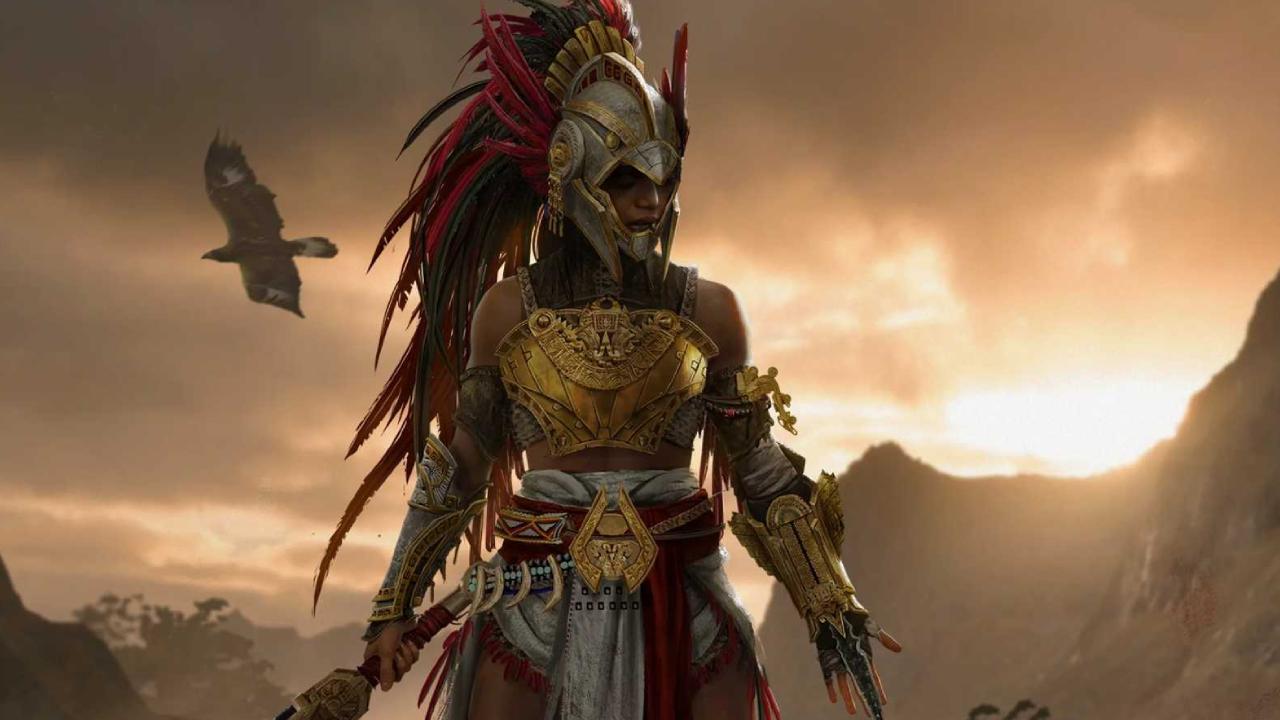
According to industry insiders, Nebula is planned to arrive after Hexe completes its one-year support cycle. That puts its release somewhere between 2028 and 2030, depending on how development progresses.
The project has already been greenlit and entered production under Ubisoft Sofia, the studio known for working on Assassin's Creed III: Liberation and Assassin's Creed Rogue.
As of mid-2023, the game was still in its concept and prototyping phase, meaning the core systems and creative direction were being locked in. That might sound early, but for a project of this scale, it is exactly where it needs to be.
What immediately makes Nebula stand out is the rumored scope of its setting. Early reports suggested that the game would feature three major historical locations: India, the Mediterranean, and the Aztec Empire, all within a single-player experience.
Three different cultures, time periods, and regions, each requiring its own open world, systems, and storytelling approach. It feels like three Assassin's Creed games rolled into one. Naturally, that raised questions about whether such a project could realistically exist.
More recent analysis from within the Assassin's Creed community suggests that these early leaks may have been misunderstood. Instead of three completely separate worlds, Nebula may actually focus on one central historical event: the Spanish conquest of the Aztec Empire, roughly between 1515 and 1550.
The so-called “India” setting may not refer to India at all. Historically, European explorers, including Christopher Columbus, believed they had reached India when they arrived in the Americas.
In Nebula's case, “India” could simply be a placeholder name used during development.
It could also reflect how Spanish conquistadors viewed the New World at the time. You might even see it used as a narrative device, where the land is initially presented as India before its true identity is revealed. From a historical standpoint, actual India has no meaningful connection to Spain's conquest of the Aztecs, which further supports this theory.
The Mediterranean setting likely represents Spain itself. Spain is, after all, a Mediterranean country, and it was the heart of the empire that launched the conquest. Rather than being a separate open world, this area could serve as a prologue, intermission hub, or political backdrop.
You might experience life in Spain before heading to the New World, return between major missions, or get pulled into internal conflicts like the Castilian Rebellion of the early 1500s. These sections could help ground the story and show you how decisions made in Europe directly affect what happens across the ocean.
At the center of everything would be the Aztec Empire. This is where Nebula would truly come alive. You would likely explore Tenochtitlan, the magnificent capital of the Aztecs, both at its height and during its collapse.
Beyond that, there could be multiple cities, each with its own political struggles and Templar influence. You might also encounter large-scale Mayan ruins and travel across wider Mesoamerica as Spanish colonization reshapes the region.
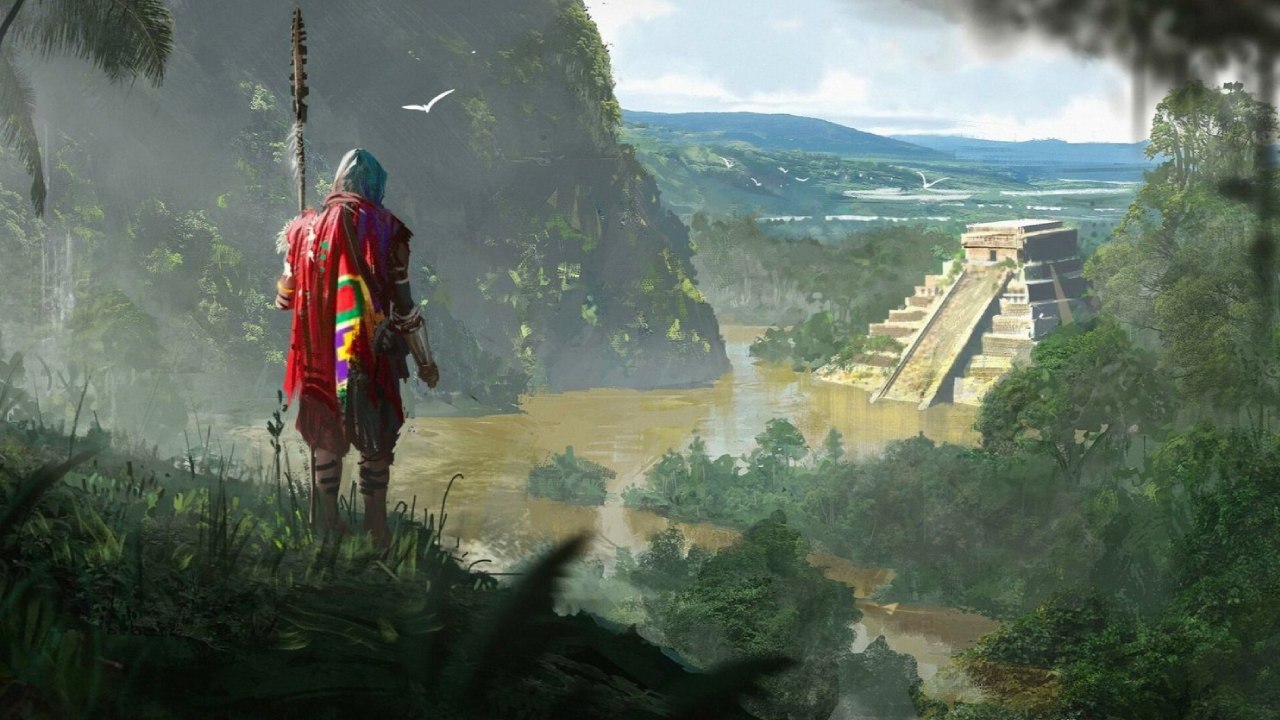
Instead of presenting a simple good-versus-evil narrative, the game could tell a story in which the Aztecs and the conquistadors are morally complex forces.
The story might feature Templars on both sides of the fight, creating a web of alliances and power struggles. Hernan Cortés could be the main bad guy, or he could be a more complex character like Bartholomew Roberts in Black Flag. He might help you or hurt you, depending on the situation.
If Ubisoft goes all-in on historical authenticity, you can also expect a strong cast of real-life figures. Moctezuma II, the Aztec emperor during the first contact with the Spanish, could play a major role. Cuauhtemoc, the last Aztec ruler, may represent resistance and defiance.
Gonzalo de Sandoval, one of Cortés’ key lieutenants, could appear as well. On top of that, Ubisoft could expand the world later through DLC, possibly taking you to Incan territories, Portuguese Brazil, or extended Mayan campaigns in the Yucatan.
While Ubisoft Sofia is leading development, there are signs that Ubisoft Quebec may also be involved.
Quebec put up job listings for an animation director and a character technical director for an unannounced Assassin's Creed project after finishing Assassin's Creed Shadows. These roles didn't mention multiplayer games, suggesting they were for a large single-player game.
Given Quebec’s experience with modern AC RPGs, it would make sense for them to assist Sofia on a project this large. Ubisoft has a long history of using multiple studios on flagship titles, and Nebula seems like a prime candidate for that approach.
Beyond setting and story, technology could be the real game-changer here. Ubisoft has been experimenting with cloud computing and AI systems that could directly impact Nebula. One of the biggest tools is Ubisoft Scalar, a cloud-based platform that turns traditional game engines into distributed services running across multiple servers. In simple terms, it allows a game to use far more computing power than a console or PC could provide on its own.
For you as a player, that could mean massive, highly detailed open worlds without major performance issues. We are talking large-scale simulations of cities like Tenochtitlan filled with thousands of NPCs and world systems where your actions in Spain affect how people treat you in Mesoamerica.
Scalar also allows individual systems to be updated separately. That means Ubisoft could improve combat, stealth, or naval gameplay without forcing massive patches. It removes many of the hardware bottlenecks that normally restrict open-world design.
On the AI side, Ubisoft has been developing a generative NPC system often referred to as NeoNPC.
This technology makes conversations that change by using language models that have been trained on the backgrounds and personalities of characters. You might be able to talk to characters more naturally and get different answers instead of just picking from a list of fixed dialogue options.
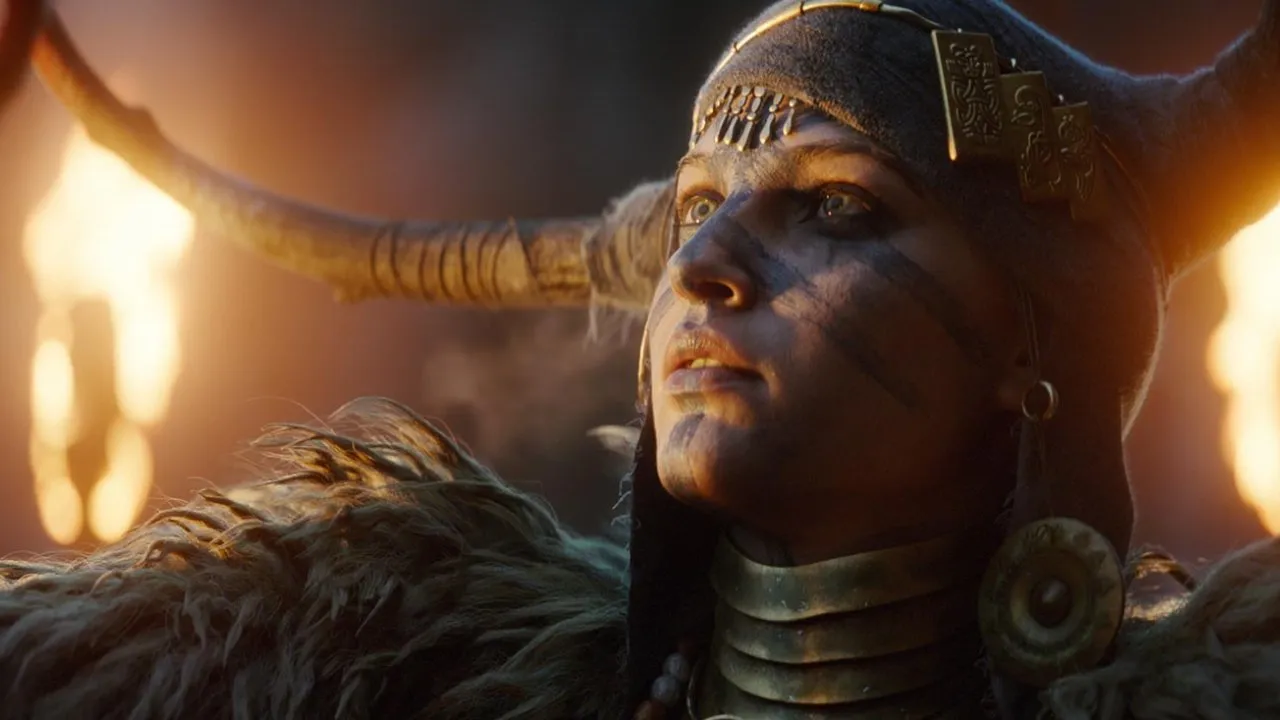
Narrative director Virginia Mossa has explained that this system allows writers to “talk” to their own characters during development, refining them until they feel real. Applied properly, this could bring historical figures and everyday NPCs to life in ways Assassin's Creed has never achieved before. Ubisoft's Teammate AI, which is also a thing, focuses on companion characters. These NPCs could follow complex orders, adapt their behavior to yours, and maintain their personalities.
An Aztec guide might travel with you and help you when you do the right thing and question you when you don't. A Spanish soldier might change sides slowly depending on what you do. You could even issue verbal commands during combat or stealth sections.
If Ubisoft Sofia and its partner studios manage to combine all these ambitious setups into one, Assassin's Creed Nebula could become one of the most important games in the franchise’s history. It has the potential to move Ubisoft away from imitation and back toward genuine innovation.
Based on what is known so far, Nebula is shaping up to be something special.
So when you think about exploring the Aztec Empire, navigating Spanish politics, and interacting with AI-driven characters in massive cloud-powered cities, it is hard not to feel curious. No matter what Ubisoft cooks up, it is clear that Ubisoft, with Assassin's Creed Nebula, is at least trying to aim higher than ever before.
Senior Editor, NoobFeed
Related News
No Data.