
Call of Duty's AI Scandal Sparks Refund Frenzy: Is the Gaming Industry Losing Its Soul?
When generative AI replaces human art without warning, players revolt, trust shatters, and the future of game creation hangs in the balance.
News by Zahra Morshed on Nov 24, 2025
The gaming industry is facing a growing problem as players ask for refunds on popular games like Call of Duty, citing the use of AI-generated art that wasn't disclosed. These aren't small issues with fairness or matchmaking. Gamers are not accepting material that was advertised as being made by human artists, but actually has AI placeholders hidden in it. The reaction is important; refunds are being given, which is a rare sign of accountability.
This is where Call of Duty has become a cautionary story. Black Ops 7, the newest game in the series, has a lot of AI-generated images on calling cards and other in-game items. The effects are often inconsistent in tone, making the animated fantasy feel like it doesn't fit in with the real world. This has caused a lot of anger online and shows how generative AI can hurt a beloved brand if it is not used correctly.
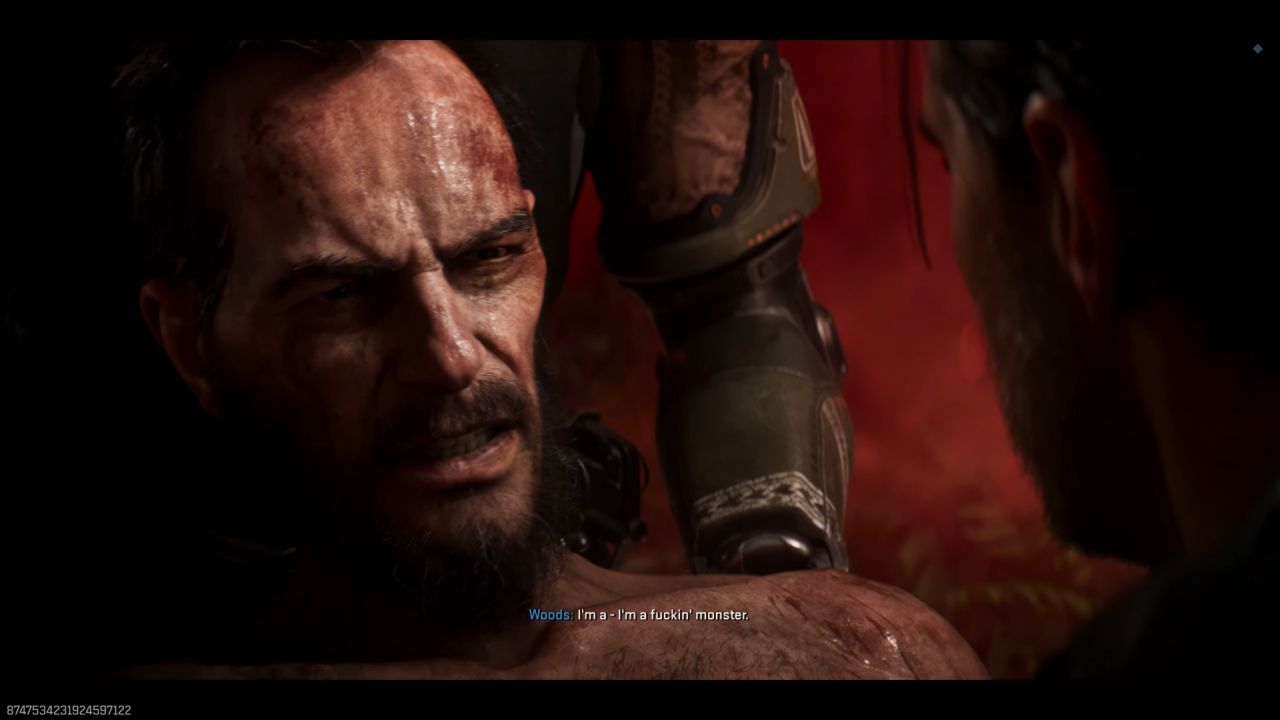
This problem has deep roots in the system. The people who made these AI tools say that they were just placeholders meant to help artists and not final parts. In the past, problems like the ones in Black Ops 6 have shown that AI outputs meant for internal use end up in finished goods. The fact that these mistakes keep happening makes me wonder about company oversight and the stress of meeting release dates.
This isn't just happening at Activision. Ubisoft has also been criticized for games like Anno 1117 Pax Romana. On loading screens and advertising art, generative AI figures were shown that lacked the artistic nuance that has always been a part of the series. Players responded right away and harshly, highlighting how important quality and purpose are in art direction.
The reaction also brings up bigger worries about localization and translation. In the case of Anno 1117 Pax Romana, automatic German translations made things even frustrating for players. The German government had put 5.7 million euros into the project to help cultural growth, so mistakes were more than just a business issue. They show what's at stake when national cultural efforts and AI shortcuts come together.
Innovation and responsibility are at odds with each other, which is at the heart of the debate. Generative AI gives workers new tools to make their work easier and let them try new things.
When monitoring is weak, on the other hand, work may come out looking careless or unfinished. These situations make it hard to tell the difference between a fake and a finished product, which hurts players' trust and the game's value.
The effects go beyond how people think of the brand. When AI outputs are not handled well, it shows that studio leaders do not care. People think that these choices are meant to cut costs rather than improve quality, which makes them less likely to trust that the publisher will stick to their word. This way of thinking has instant financial effects, as shown by requests for refunds and negative feedback from social media users.
There are times when people look closely at games that use AI in a good way. Epic Games' use of a generative AI-powered Darth Vader NPC in Fortnite shows a different method. The character was created using official speech recordings from the estate of James Earl Jones and was added to a live service as a fun and experimental touch. Negative reactions were lessened by intentionality and transparency, which shows how important context and agreement are in integrating AI.
It is very important to know the difference between intentionality and carelessness. Many people liked Vader in Fortnite because it was clearly different and was presented as an experience rather than a fake replacement for human creativity. On the other hand, Call of Duty and Anno's unintentional AI artifacts are seen as sloppy hacks that take away the depth, uniformity, and emotional impact that players expect from high-end games.
People who work in the industry say that these trends are signs of bigger problems in the system. Studios have to meet strict deadlines, meet high standards, and work with complicated workflows that encourage speed over quality. Even though generative AI is a strong tool, it can make these problems worse if it is used without enough supervision, training, or quality control.
The conversation is about more than just the tools. AI is neutral, but how it is used is not. Misuse is a sign of priorities in the company, slow work processes, and sometimes a lack of concern for the integrity of the art. The Fallout shows that players are very sensitive to what they think is cheating, especially when it affects realism and the way the story is told visually.
There are already clear financial effects. Publishers have to pay real costs, like refunds for Call of Duty and possible fixes for Ubisoft games. More importantly, these cases change what people expect from AI, which means that being open about how it is used will be an important part of future marketing and development plans. There is now pressure on the business to set clear rules and quality standards.
Concerns about jobs and creative work are also brought up in the controversy. Voice actors, concept artists, and creators depend on people respecting what they do. When AI is used in the wrong way or placeholders are sent as final assets, it hurts professional efforts and makes people wonder about fair pay and recognition. This dynamic adds a level of scrutiny above and beyond unhappiness with the way something looks.
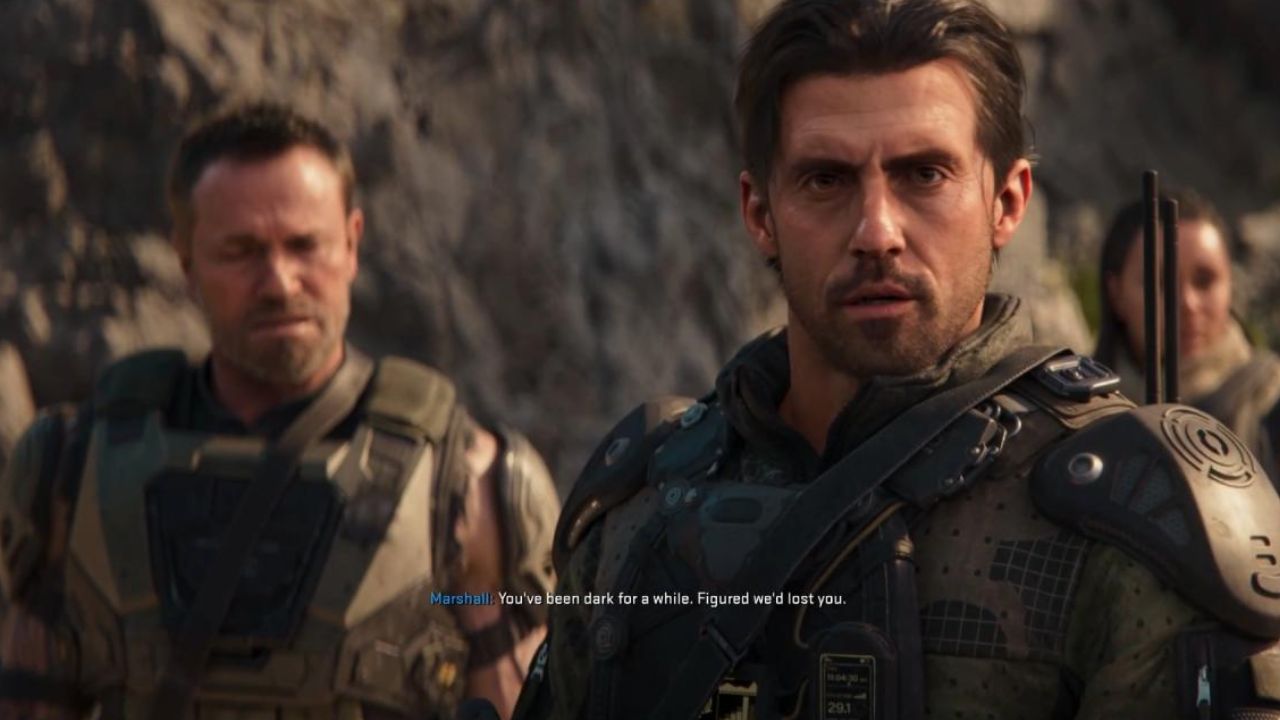
Intent and transparency are becoming more and more important. Players will continue to trust developers who make the role of AI clear and keep an eye on things. On the other hand, developers whose releases include unchecked placeholders risk damaging their image in the long run. This is a lesson in both responsibility and foresight for companies that are trying to figure out how to use new technology.
At the end of the day, these problems point to a bigger cultural problem in games. AI has the potential to change the way work gets done and how creative people are, but when it's not used properly, it shows problems with process, oversight, and responsibility. The reaction from players shows that people want their interactive experiences to be real, cared for, and artistically designed on purpose.
There is a lot at stake for companies. Not only does bad AI hurt instant revenue, it also changes how loyal players are, how people see a brand, and how engaged they will be in the future. The industry needs to find a way to balance the promise of creative technology with strict rules, making sure that new ideas improve the player experience instead of taking away from it. The decisions that are made now will affect how games are made in the future.
Contributor, NoobFeed
Related News
No Data.