
Call of Duty Hits the Brakes as Black Ops 7 Misses the Mark
Activision announces a big reset for the franchise after admitting in public for the first time that it hasn't been doing well.
News by Nusrat Choity on Jan 13, 2026
Call of Duty has fallen badly enough for the first time in years that the public has to be told to change their minds. Sources say that Activision has admitted that Call of Duty: Black Ops 7 did not live up to expectations. This is a rare moment of honesty from one of the most tightly controlled gaming series.
The admission came straight from the company, confirming that the game did poorly in the marketplace and had trouble connecting with players. Reports say that sales didn't meet internal goals, reviews were mostly negative, and neither the story nor the multiplayer mode was able to keep people interested.

The message was clear for a series that has been built on momentum and brand power for a long time: this one did not hit.
Sources say that Activision said Black Ops 7 was meant to be a symbolic follow-up to Black Ops 2, which is often seen as one of the best games in the series. It was said that a lot of work and resources were put into recapturing that magic, but memories alone weren't enough. Players had a different opinion.
They said the storyline wasn't memorable, and the multiplayer wasn't fun in a shooter market that was getting more and more competitive. Not only is Activision's public admission of sadness what makes this moment stand out, but also the disappointment itself. In a field where poor performance is often hidden or covered up, the admission showed that something more serious had gone wrong.
That understanding has now led to a big change in strategy. Sources say that Activision is changing its long-standing policy of releasing games every year in a row, switching between sub-franchises like Black Ops and Modern Warfare.
The Call of Duty machine worked like clockwork for years, with Treyarch, Infinity Ward, and Sledgehammer Games taking turns making games so that there was always a new one every year. The system puts stability and making money first, but that often comes at the expense of giving artists room to be creative.
Now, Activision has said that this approach is being looked at again, with a new focus on making experiences that are more unique and well-done instead of rushing to meet an annual deadline. This change means that development cycles will last longer and there will be fewer hurried handoffs between companies.
Sources say that the goal is to give teams more time to improve skills, win back players' trust, and avoid the burnout that comes with producing the same amount of work every year. Even though no official announcements have been made about particular future games, rumors in the industry suggest that projects like a possible Modern Warfare sequel would benefit from more time to be developed without having to worry about a set release date.
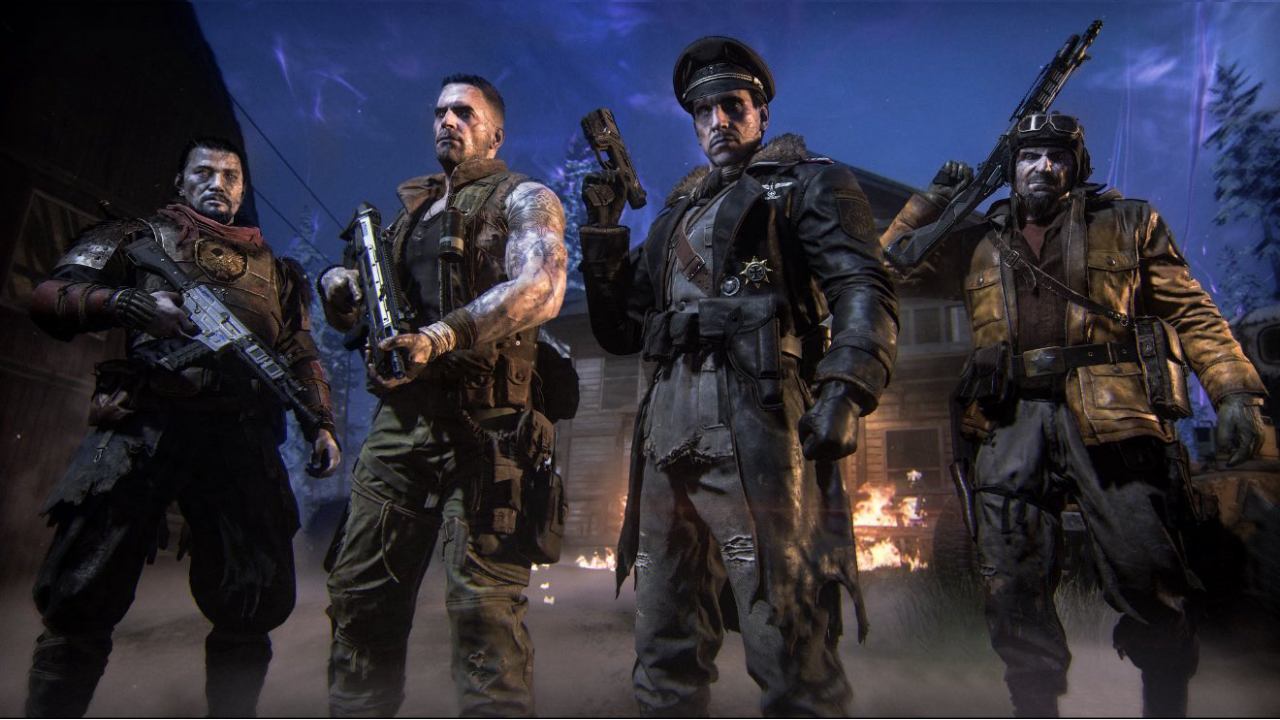
For a brand that is based on routine and habit, this is a big shift in thinking that quietly admits the old way of doing things isn't working anymore.
The second part of this story isn't just about Black Ops 7. It's also about how Call of Duty fits into a shooting world that is changing. Sources say that this is not the first time that people have complained about the business. In the past, some titles have had problems, but the series has always come back stronger with new versions of the games.
But this time feels different. It's no longer the case that Call of Duty always wins the debate. There are a lot of new shooters coming out, so brand loyalty isn't the only thing keeping people busy between launches. It's harder to be disappointed when there are real options available.
Activision seems to feel more rushed now that they don't have automatic domination. Sources say that Black Ops 7's failure was a wake-up call that tightly scheduled games based on nostalgia are no longer a surefire way to make money. In the past, the franchise's comeback was fueled by big changes and new ideas.
The present pause makes me think that Activision may be getting ready for another big change. The choice to slow down doesn't mean the end of the world; instead, it shows self-awareness and the realization that Call of Duty needs to change again in order to stay relevant.
The success of the series will depend on what happens next. If there were longer breaks between games, each one could have a deeper story, a better multiplayer design, and a stronger sense of its own personality. Going against the yearly cycle, on the other hand, comes with risks, especially for a brand that has grown by being consistent and large. Sources say that Activision is still ready to bet on quality over quantity, believing that a stronger comeback will be more important than sticking to tradition.
Now that Black Ops 7 is over, the series is getting back together. With the restart timer at zero, the big question is whether this short break will give Call of Duty a chance to start over, or if the era of sure-fire success is finally over.
Contributor, NoobFeed
Related News
No Data.