
Console Prices Defy History as 2025 Sales Sink to 1995 Levels
After five years, PS5 and Xbox Series trends go against what people have thought for a long time.
News by Nusrat Choity on Dec 21, 2025
When consoles have been out for five years, a lot of people buy them, hardware prices drop, and combos get better. In 2025, the reverse seems to be going on. According to reports on hardware sales in the US, November 2025 had some of the lowest game sales since 1995. This was surprising since gaming has become so much bigger and more popular.
The figures show a growing disconnect between the prices of game consoles and customer demand. This makes it even more unclear where the current generation is going. Circana's statistics on industry tracking show the problem very clearly. It costs a lot more to buy a gaming device in the U.S. right now than it did in previous generations at the same point in their lifecycle, and a lot fewer consoles have been sold.
.jpg)
According to the sources, higher prices are keeping people from buying them, especially since game systems are not necessary and have to compete with the costs of daily living. It looks like a trend that's getting harder to ignore: as prices go up, fewer computers are being sold in stores. To get a sense of how rare this moment is, we can look at similarities to the year 2018, which was the middle of the PlayStation 4 and Xbox One generation.
At that point, five years after the start, the prices of the consoles had settled, and it was normal for Black Friday sales to be very big. According to the sources, unit sales showed that hardware prices were under control. It was easy to get new units because they were cheap and came in great packages.
November 2018 retail sales show a very different picture from today's. PlayStation 4 Slim and Xbox One S packages were sold for about $200 at big stores, usually with popular games that came out just a few weeks before. One great deal included a PlayStation 4 Slim with Marvel's Spider-Man, an important first-party game, at half the console's original launch price.
Similar value-based deals were available everywhere, which supports the idea that mid-generation price drops were once normal in the console cycle.
At that time, Nintendo's plan was a bit different, but it still relied on value. Sources say that the Mario Kart 8 Deluxe Switch bundle was one of the first big holiday promotions for the system. The deal wasn't based on prices, but on gift cards. Even then, the total cost to get in was still pretty low compared to how much it costs now.
A lot of cheap entry-level options were created in the gaming environment when older hardware like the Nintendo 3DS, 2DS, and Wii U had big sales. It's a big difference when you compare it to 2025. Rather than lowering prices a lot, recent Black Friday deals on PlayStation 5 and Xbox Series systems have mostly been about small discounts that bring prices back to where they were when they first came out.
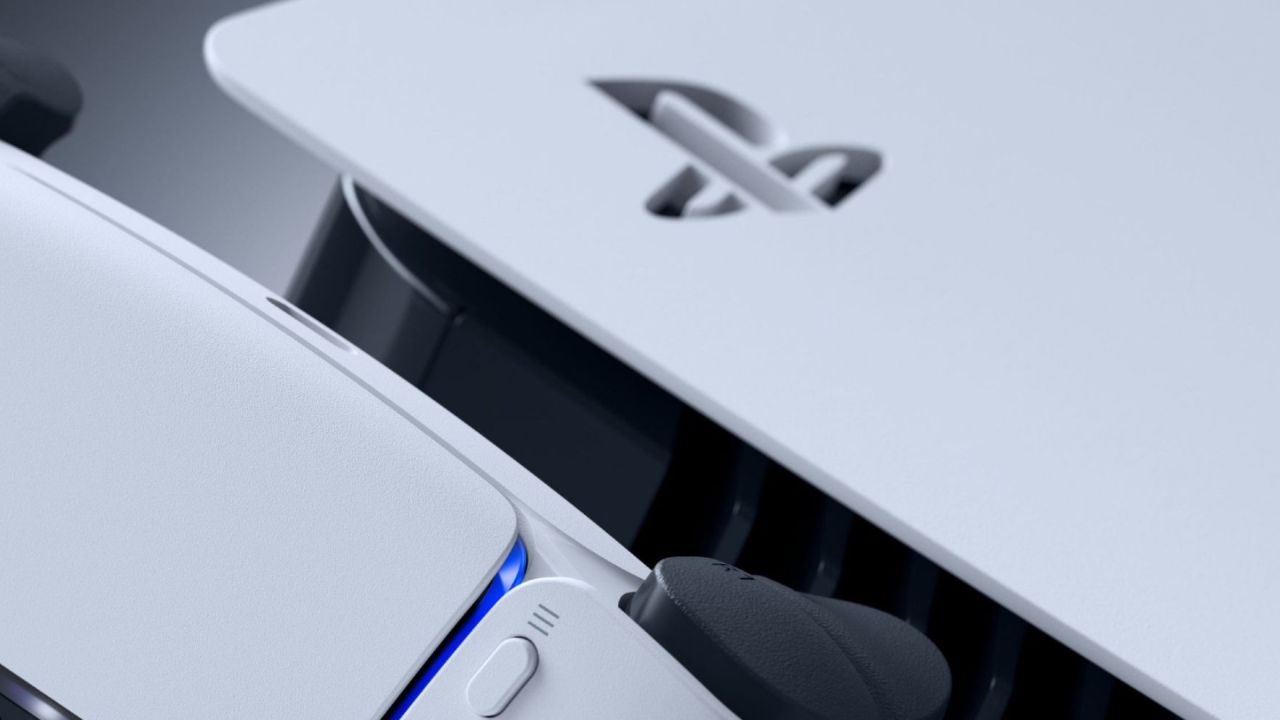
Sources say that even the best deals took about $100 off of some models, which is much higher than the prices seen in past cycles in the middle of the generation. Instead of going up or down, prices seem to be stuck compared to what people thought would happen in the past.
This change has had clear effects. According to the sources, hardware sales in November 2025 were so low that experts had to look back thirty years to find a month with similar sales. Even though game libraries and services are getting bigger, the data shows that higher prices for the consoles are lowering demand.
Behind the scenes, the costs of production are very important. According to the sources, new game systems depend on parts that are getting more and more expensive, like advanced processors, memory, and storage. In the past, costs went down over time. But today, supply lines are under constant pressure, which makes it harder for platform holders to lower prices without losing money. This has changed the long-standing trend of making devices cheaper over time.
The effect goes further than PlayStation and Xbox. The larger shopping world has changed, too.
Physical stores that used to have big holiday sales aren't having as many this year, and online stores are becoming more important to the platforms' profits. Sources say that console makers depend more and more on digital sales and subscriptions. This makes it less important to sell hardware at high prices.
But this has made a lot of customers uncomfortable. Five years into the generation, assumptions based on decades of history no longer match up with reality. At this point in earlier cycles, many people had adopted it, prices were falling, and it was easy for those who adopted it later to get in. In 2025, prices are still high, sales are still low, and the chance of big price drops is still unclear.
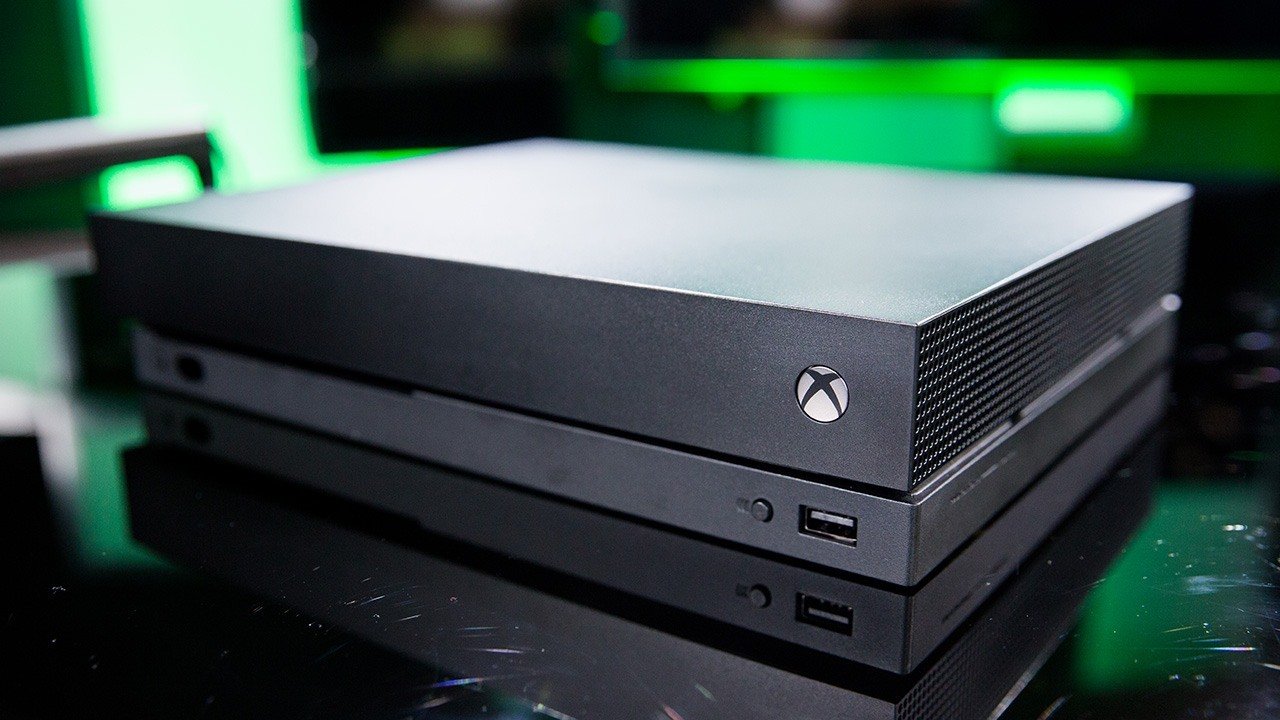
Looking ahead, the picture makes things awkward. According to the sources, there is a worry that the prices of hardware might go up instead of down. This would make things even harder for the old-school system model. If current trends continue, future consoles like PlayStation 6 or Xbox Next might come out in a market that's even more sensitive to price. In this case, there would be fewer guarantees that costs will ever drop greatly.
At this point in time, looking at 2018 and 2025 side by side really shows how much the business has changed in a short amount of time. It used to be a regular cycle of price drops and sales booms, but now it is unpredictable and restrained. As game systems get stronger—and pricier—the big question is whether the industry can restore balance between innovation and affordability, or is this the new normal for gaming's future?
Contributor, NoobFeed
Related News
No Data.