
Cyberpunk 2077 Sequel May Expand Far Beyond Night City
The follow-up to Cyberpunk 2077 is said to change its setting, engine, and leadership in a brave try to make the series new again.
News by Azfar Rayan on Jan 03, 2026
The long-awaited follow-up to Cyberpunk 2077 may already be showing that it will take a very different direction, starting with where it takes place. Sources say that Project Orion will go beyond the places we know in Night City and into a new main setting that is described as "Chicago gone wrong."
Instead of leaving Night City behind, the sequel will probably keep it in the world but focus on a different American mega-city that has been changed by cyberpunk excess and decay. This method points to a bigger world, where there are many cities at the same time instead of one famous place that is the main focus of the experience.

At first, it looks like the city was based on Chicago in the real world, but seen through the eyes of a future world. Architecture, industrial sprawl, rail networks, and a past of organized crime are said to be important factors. If you put this idea in the Cyberpunk world, there might be huge skyscrapers in the cold sky, corporate-controlled ports on the waterfronts that look like pollution, and megacorporations taking over the last bits of the old power structures.
Just the change in tone makes new stories, tasks, and social interactions possible. This makes the sequel different from the desert highways and neon-lit streets that were a big part of Cyberpunk 2077.
This supposed expansion is about more than just scenery; it's also about ambition. Sources say that CD Projekt Red seems set on not making an easy sequel that rehashes old ideas. Night City is now famous, but if you keep doing it without making any changes, it could become boring. The studio might be using a method like the ones below, where each big entry reimagines a different urban landscape while keeping the larger universe intact, to make a new core city with its own personality.
Behind this change in setting, there is a big change in technology and how development is structured. It looks like Project Orion is being built on Unreal Engine 5, which is a change from CD Projekt Red's own REDengine. In another big change from how Cyberpunk 2077 was made, which was mostly run by teams in Poland, the project is now being led by studios in North America in Boston and Vancouver.
All of these changes add up to a full pipeline restart, which is directly based on what people learned from the difficult launch and recovery of the original game.
The choice to switch to Unreal Engine 5 has big effects on how the sequel might feel and perform. Sources say that UE5 has a lot of tools and improvements that make it easier to keep from having to manage your own engine technology. Nanite and other similar tools let you use a lot of geometric detail without the usual costs to speed, which is an important feature for a city with layered skyscrapers, messy alleyways, and vertical exploration.
Lumen's dynamic global illumination is also great for a cyberpunk setting because it needs realistic lighting with all the bright signs, holograms, and changing weather. Besides graphics, the change in engines could affect AI and world modeling, which were two things that got a lot of bad feedback when Cyberpunk 2077 was first released.
The cars and people who walked around did not always follow the rules, which made Night City feel more like a beautiful setting than a real city. Unreal Engine 5 doesn't automatically solve these problems, but its mature foundations for AI, physics, and streaming may help developers go further without having to work around the engine's proprietary limits. The sources say that this could help the sequel make a city that responds to player actions in a more realistic way.
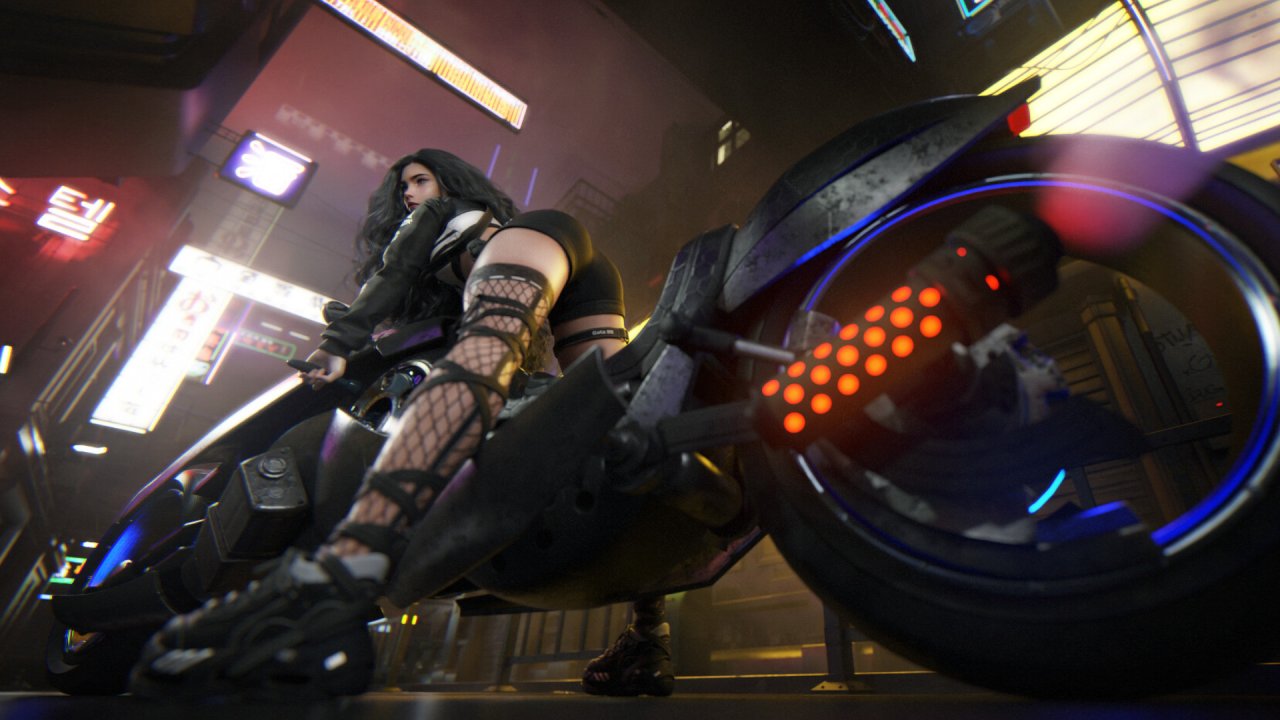
Another important factor affecting the growth of Project Orion is scalability. When the sequel comes out, new devices like the PlayStation 5, Xbox Series X and S, and high-end PCs will already be popular. Many projects for these systems are already using Unreal Engine 5, which gives CD Projekt Red a stronger starting point for making games run better. This goes along with the idea that the sequel is mostly about current hardware.
This means that it won't have to make the cross-generation choices that led to the problems with the release of Cyberpunk 2077.
Based on what we've heard about the setting, it also seems like North American studio leadership would fit right in. The sources say that teams from Boston and Vancouver would have useful knowledge about the city's transportation systems and business areas, which could help the new city.
That closeness to real-life examples might lead to more realistic urban textures after being stretched out into a future hellish world, which could give the second game its own unique style different from Night City's West Coast vibe. Speculation goes beyond just the scene and the technology. More and more reports are spreading that Project Orion might have some kind of multiplayer or online features.
The game industry job ads that mention networking and matchmaking have gotten people talking, and CD Projekt Red has said in the past that they would like to add online features to future games. No solid information has been released yet, but the idea of sharing or connecting experiences in the Cyberpunk world is still interesting to think about.
All of this makes people wonder about the timing. Sources say that CD Projekt Red's past means that development will take a long time. It took a long time to make both The Witcher 3 and Cyberpunk 2077. For Cyberpunk 2077, the addition of Phantom Liberty in 2023 marked the end of major material.
With both The Witcher projects and Project Orion demanding attention, the release date is likely several years away, maybe even at the end of the decade. This longer-than-expected schedule may have been planned. The studio has more time to scale its teams and improve its systems with a longer runway.
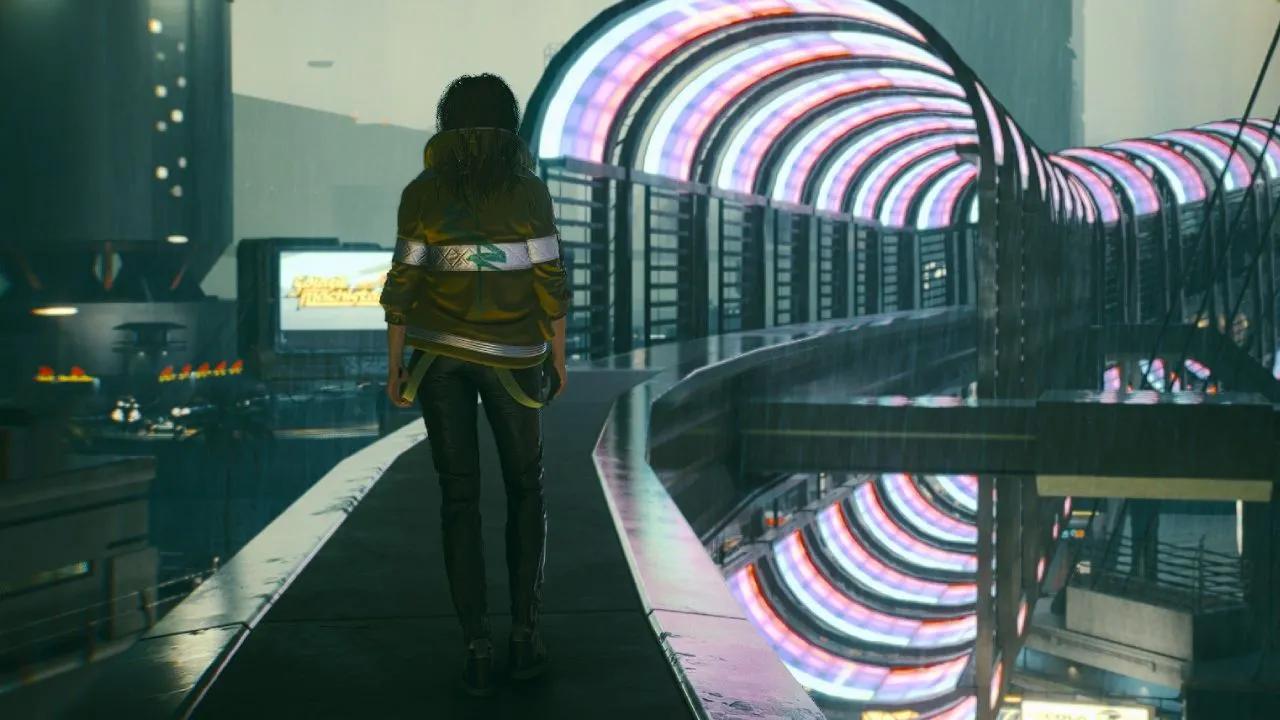
They can also escape the stress that caused them to launch too early in the past.
It also puts Project Orion in a place to start within the stable lifespan of current consoles, which lowers the chance of having different versions and performance gaps. Sources say that the goal is to have a cleaner day-one experience that shows how hard the company has worked to learn things.
If these stories are true, Night City might become a landmark that appears in every game in the franchise, like how other open-world series revisit famous places while making their worlds bigger. For players, that's more than just a new skyline. It suggests a follow-up to Cyberpunk that will build on great story and mood and finally pair them with strong systems and technology.
With a new city, a new engine, and a new way of working on it, Project Orion is becoming more than just a sequel. This might be when Cyberpunk finally enters its long-term future. But will this brave update give fans the real, living dystopia they've been waiting for, or are there still lots of hidden problems on the way?
Senior Editor, NoobFeed
Related News
No Data.