
Rising DRAM Costs: What's Causing the 300% Price Spike
AI-driven memory consumption accelerates global DRAM shortages and reshapes overall hardware supply dynamics across multiple technology sectors.
News by Masaru Hoshino on Dec 10, 2025
If you're a tech enthusiast or a creative professional, you may have noticed something happening over the last couple of weeks. DRAM prices have exploded by about 300%.
Demand has absolutely skyrocketed, and according to several industry sources, this is only the beginning of a much bigger problem. Some insiders from major companies have warned that the next phase will be rough as shortages deepen across multiple sectors.
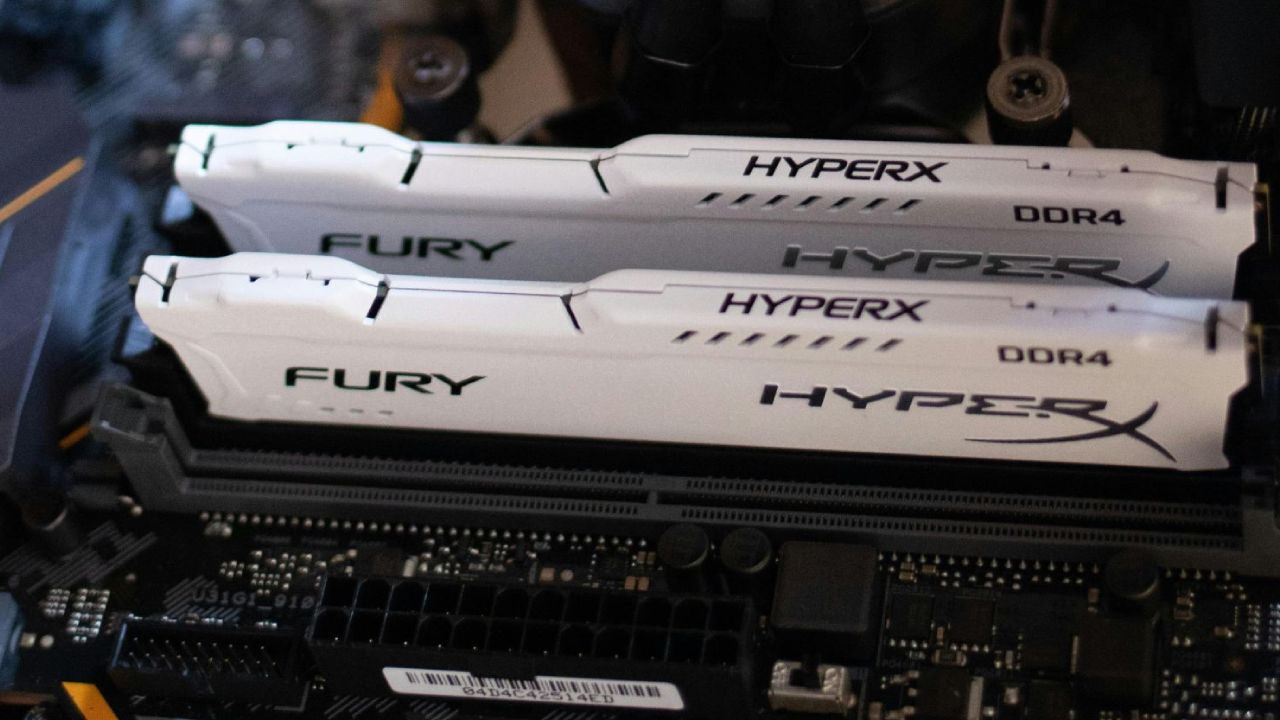
The situation continues to escalate as AI growth reshapes supply chains and disrupts hardware availability.
Every story needs a villain, and in this case, the blame falls on Sam Altman of OpenAI. AI companies require massive, powerful data centers to train large language models and other advanced systems.
To run these models, they need enormous amounts of hardware—particularly DRAM and HBM memory. As a result, they have aggressively purchased or pre-purchased large portions of the global DRAM supply.
DRAM is the temporary memory that stores data your CPU or GPU needs to process. It sits between storage and the processor and enables real-time workloads. Only a few manufacturers actually produce DRAM chips—Samsung, Micron, and SK Hynix. Brands like Corsair, Kingston, and GSkill simply buy the chips and build the modules.
There are currently two major types of memory being manufactured: DDR5 for consumer systems and HBM for AI and high-end GPU workloads. The problem is that both rely on the same manufacturing equipment. HBM is significantly more profitable, so manufacturers are shifting production capacity away from consumer DRAM toward HBM to meet AI demand. This leads to supply drops and sudden price spikes.
Micron, which also owns Crucial, recently shut down Crucial's consumer memory division. Not because demand was low, but because all their supply was sold out. They couldn't produce fast enough, so they decided to prioritize HBM production.
Meanwhile, Nvidia has told board partners like Zotac and PNY that they must now procure VRAM themselves rather than receive it bundled with the GPU. This is nearly impossible because when smaller companies approach DRAM suppliers, they get pushed to the back of the line behind massive AI clients like Nvidia, AMD, and other hyperscale buyers. This could lead to GPU shortages in the future simply due to VRAM availability issues.
Laptop manufacturers have also been told not to forecast DRAM requirements and instead "take what they are given."
That means they don't know how much memory will be available for upcoming devices or what those devices will cost.
Smartphones, tablets, and consoles are in the same situation. Without a guaranteed DRAM supply, pricing and release schedules are at risk. Even upcoming devices like the Steam PC may face cancellation or severe delays due to DRAM shortages and rising costs.
As shortages ripple outward, we will likely see delays in 2026 product releases, lower RAM configurations, and higher costs across the entire tech landscape.
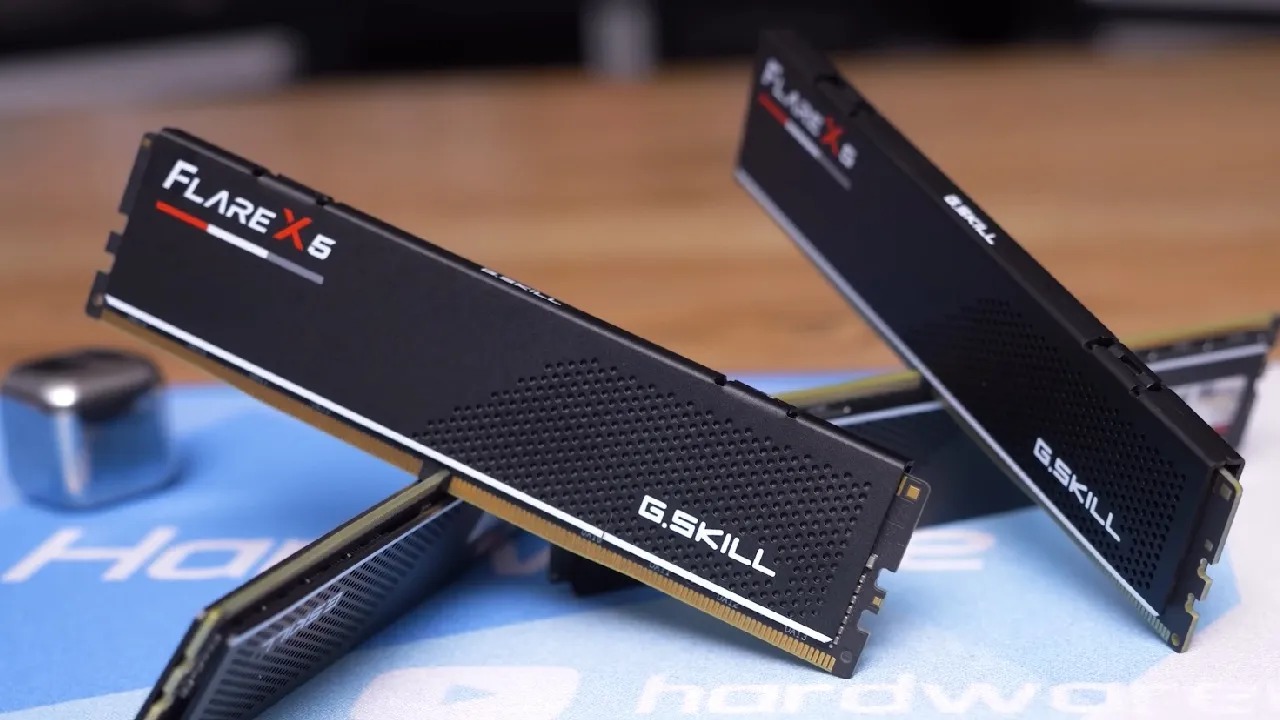
Prices for nearly all components are expected to rise. Not just DRAM, but CPUs as well, since they share the same manufacturing ecosystem. For example, a 64GB DDR5 kit that recently cost around $250 is now selling for $700 on major retailers. HBM pricing is expected to rise further as demand continues to increase.
AI growth has triggered a major supply chain imbalance that won't settle anytime soon.
Manufacturers are prioritizing high-margin AI components, leaving consumer hardware facing shortages and higher prices. Industry insiders have suggested that if we need any tech hardware within the next 6 months and have the budget, we should buy it immediately. A manufacturer privately stated that the U.S.
Black Friday deals may be the last good discounts for the next couple of years. If a GPU upgrade or system build is planned, securing those parts sooner rather than later is advisable. Waiting could mean paying significantly more or not finding the hardware at all due to supply constraints.
The rise of AI has led to a shortage of DRAM, which is reshaping the tech industry. Until at least 2026, new goods will be released later than expected, prices will remain high, and supply will be difficult to predict. Let's stay up to date on the news, make a plan, and do our best to get through the problems that are coming up.
Editor, NoobFeed
Related News
No Data.