
Horizon Hunters or Highguard Havoc? Sony Faces Live Service Dilemma
As Sony bets big on live service games, past failures and funding controversies cast a shadow over its newest projects.
News by Wasbir Sadat on Feb 24, 2026
Again, Sony's plan for live-service games has been called into question by recent events involving the highly anticipated Horizon: Hunters Gathering and the controversial Highguard. Fans and industry professionals are both wondering whether the platform owner is putting too much stock in big promises and not paying enough attention to basic game design and market realities.
People found out about the situation when they heard that Highguard had fired many of its employees. One insider is said to have written a long blog post blaming players for the game's poor reception rather than admitting the product came out unfinished and unpolished.
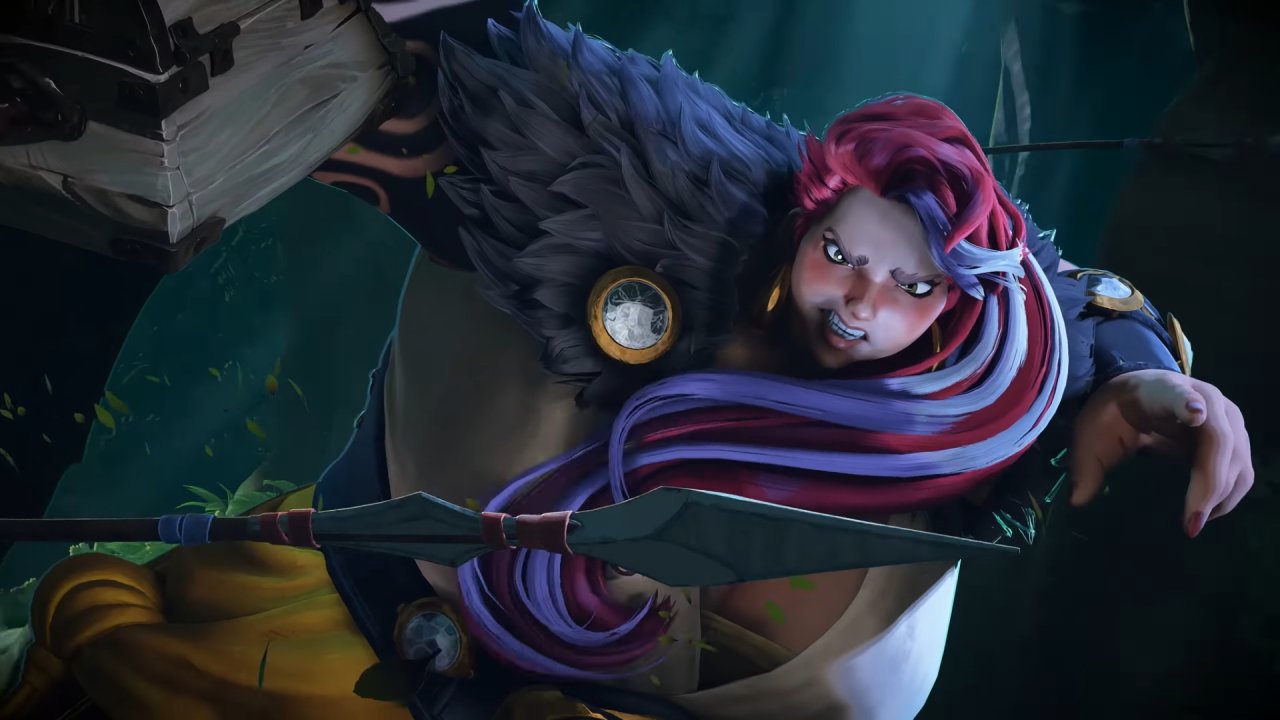
Players said they didn't want to play the game at first because of speed issues, poor optimization, and a boring gameplay loop, even though it was free-to-play.
People in the industry were also surprised by Highguard's funds. Tencent was reportedly a major backer, a detail that wasn't mentioned in the studio's initial press releases, which portrayed it as a small independent team. This news raised questions about trust and openness, as projects backed by Tencent are often criticized for relying on microtransactions and aggressive monetization practices.
Some people say that putting the responsibility on the public is a mistake. The main things that kept people from playing were the game's basic mechanics and lackluster draw, not players' unwillingness. Analysts say that Highguard is yet another example of a live service start that got too much attention, similar to Sony's earlier Concord experiments.
At the same time, Sony appears to be closely examining its live service offerings, including the upcoming Horizon Hunters Gathering. The company that made Horizon put years of work and probably tens of millions of dollars into the project. They wanted to combine the difficult gameplay of The Elder Scrolls with the huge world of Horizon.
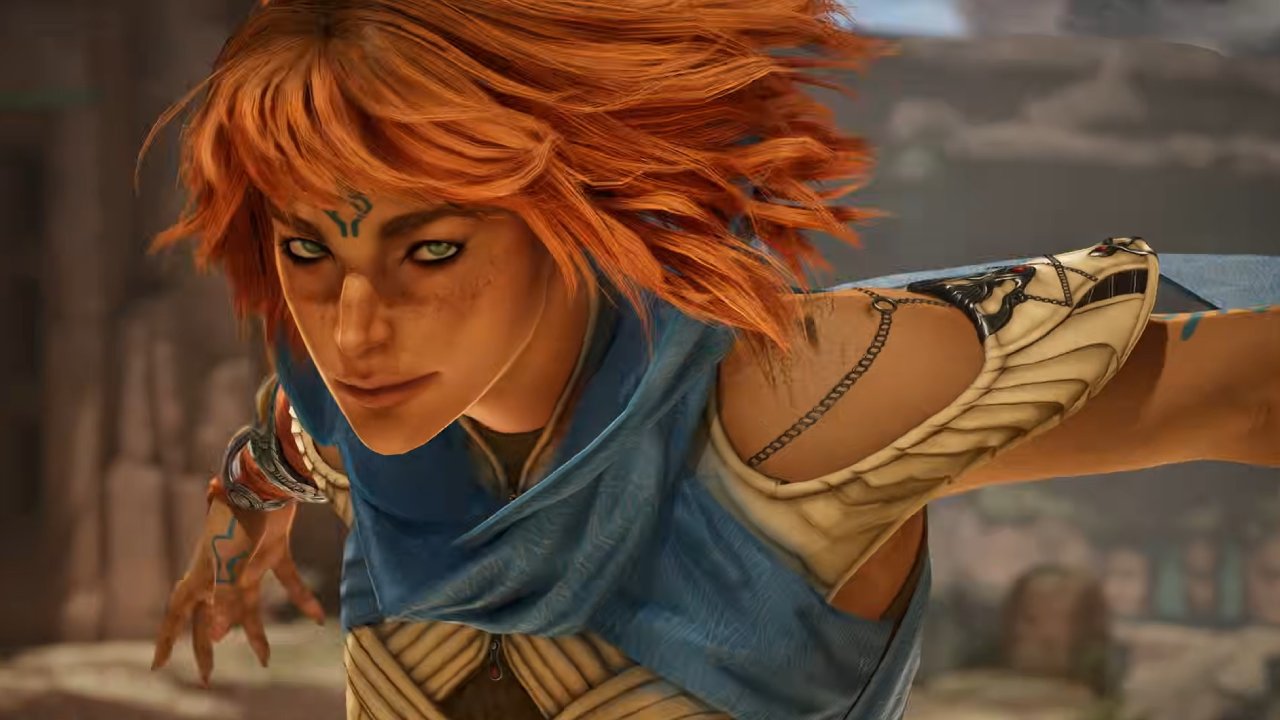
Early responses to Horizon's art and character design, on the other hand, show that it didn't connect well with viewers.
Many people think the images look too fake, and some have even called them "AI-generated" or "formulaic" to try to appeal to a wider range of players. Even though the game has a lot of promise, disagreements over style and appearance are a major problem. It will be hard for Guerrilla Games to carry out their big plans since they can't change the art direction of a seven-year project. Comparisons with Highguard show how difficult it is for Sony to balance its artistic goals with audience expectations.
Some people also think that Sony executive Herman Holst's past work on live service games could be a weakness.
Holst has had some failures in the past, like Concord, which was supposed to be the next big brand but didn't catch on. Upcoming projects like FairGame$ are also being closely watched. People in the business aren't too optimistic, even though there are early signs that Marathon may do better.
The question of spending vs. return is at the heart of these worries.
Live service games can bring in a lot of money over time, but the huge costs of creating and advertising a full-on "Cash Cow" experience can turn into a nightmare if the audience doesn't enjoy it. Sony might need to change people's expectations by spending less on dominating live services and more on ensuring its platform is high-quality and durable.
In the end, Highguard, Concord, and the ongoing Horizon: Hunters Gathering story show how dangerous the live service approach can be. In these rough seas, Sony may find that openness, player trust, and a clear-eyed view of what the market wants are more useful than any flashy trailer or bold monetization plan.
Contributor, NoobFeed
Related News
No Data.