
Meta Cuts Over 1,000 Jobs and Closes VR Game Studios in Strategic Shift
Meta has reportedly cut more than 1,000 jobs as part of a major restructuring within Reality Labs
News by Nami Tanaka on Jan 15, 2026
In the games industry, news stories about studio closings and cuts are becoming more common. This is part of a larger trend that has sped up over the past few years. Many people have lost their jobs at big companies, and what was shocking at first has become sadly normal. This time, the focus is on Meta, as reports say the company is shutting down several game studios and laying off more than 1,000 people from its Reality Labs business.
Reports say the layoffs affect several internal teams, including three game companies that Meta bought as part of its move into virtual reality. These closings show how difficult it is to justify a significant investment in VR game development, especially given slower-than-expected adoption. Meta has spent billions on its vision for the metaverse, but it hasn't yet made enough money to keep many studios afloat for long.

Armature Studio is one of the firms that may be impacted
Armature Studio is one of the firms that may be impacted. Meta bought it in 2022. A lot of people liked Armature's work on the virtual reality edition of Resident Evil 4 since it made a classic game perform well on VR technology. Many players were surprised by how polished and realistic the experience felt.
That success occurred before the studio was acquired, though. Armature didn't make another game after they joined Meta. There wasn't a new title for a few years, which made people wonder what the team was working on behind the scenes, whether projects were shelved, or whether they were helping with other projects. When album sales are important, a studio can quickly be in danger if it doesn't release any music.
Another company that shut down and received significant press was Sanzaru Games, which was acquired by Meta in 2020. Asgard's Wrath and Asgard's Wrath 2 were developed by Sanzaru and are among the best VR-only games.
Before it began working on VR games, the company had a long history of developing well-known console titles, including Secret Agent Clank, The Sly Collection, and Sly Cooper: Thieves in Time. It's particularly frustrating to see a studio with that much history go out of business because it means the loss of experience built up over many generations of game development.
Twisted Pixel is the third studio to be impacted by the shutdowns
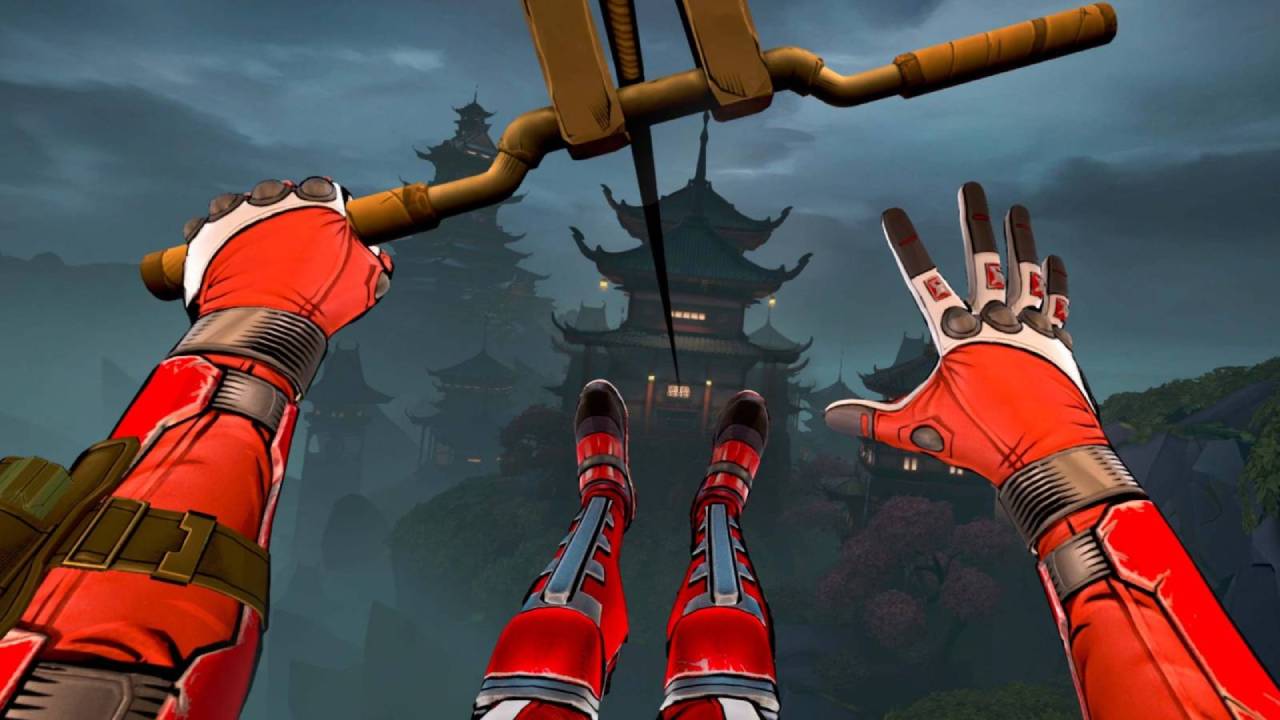
Meta bought the firm in 2022, and it subsequently made Deadpool VR. Twisted Pixel made famous Xbox 360 games, including Splosion Man and Ms. Splosion Man, both available on Xbox Live Arcade. Before making VR games, they were recognized for making these games. People liked these games because they were amusing, inventive, and had good gameplay. When they were over, it seemed like the conclusion of a saga that started long before VR.
A Meta spokesperson said in a statement about the cuts that the company is shifting its investments from the metaverse to wearables, using the savings to support that growth. It's still not entirely clear what those items were meant to do, but the message was clear. In this part of Meta's strategy, games are no longer a top concern.
If you look at the company from the outside, it's clear that VR game teams are not part of the near-term plans. There are broader questions this change raises, such as whether VR alone was ever sufficient to support various internal studios. People still don't play as many VR games as they do mobile and PC games, even when the games are well-made.
Virtual reality (VR) hasn't really caught on with most people yet, and until it does, it's hard to justify the high costs of running real game development teams. At some point, businesses have to start looking for ways to save money, and studios that aren't regularly producing profitable movies are often the first to go.
This story has been told before. Meta has now joined companies like Amazon and Google that struggled to run their game teams effectively. One very clear example is Google's work on Stadia. The company that was supposed to be the future of gaming shut down the whole thing when they learned how hard and expensive it is to make games.
The idea that it would be easy to build and run companies quickly fell apart.
It is hard not to feel angry when you see these closures. These companies didn't need to be acquired, but a few years after joining Meta, they are no longer in operation. Some of them were well known long before VR became popular, and closing them isn't just a business decision. It means projects were canceled, teams were disbanded, and creative energy was lost.
This makes an uncomfortable truth clear to you as a player. The video game business is still shrinking, and studio closings are just part of the process. Every new announcement undermines the stability that came with big publishers and tech companies entering the games space. For now, it appears Meta is moving on, leaving behind another set of companies as VR seeks to prove it should be at the center of the company's future.
Moderator, NoobFeed
Related News
No Data.