
Microsoft Restructures Xbox Leadership as Phil Spencer Retires and AI Takes Center Stage
Inside the leadership overhaul that signals a major shift in how Microsoft sees gaming.
News by Mahi Araf on Feb 21, 2026
When you look at everything that has happened in just a short span of time, it becomes clear that Microsoft's gaming division is going through one of the biggest transformations in its history. If you follow Xbox closely, you probably felt the impact of this news almost immediately. It was not just your routine executive shuffle. It felt heavier than that. It felt like a turning point.
At the center of it all is the announcement that Phil Spencer is retiring, Sarah Bond has resigned, Matt Booty has been promoted to a new executive role, and Asha Sharma has been named the new head of Microsoft Gaming.
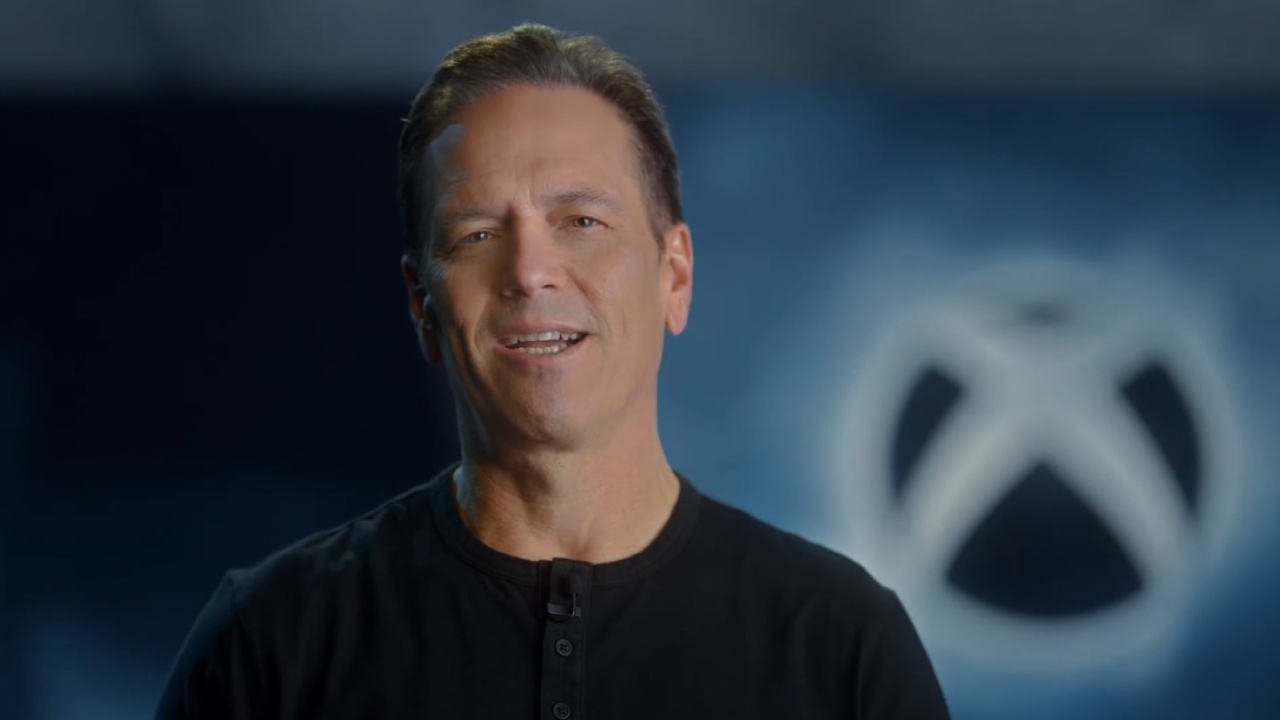
This turn of events looks like a standard leadership transition. In reality, it signals something much deeper. It reflects a fundamental shift in priorities, and it suggests that the Xbox brand, as you have known it for years, may no longer be at the heart of Microsoft's gaming strategy. We are not necessarily shocked by this development.
If you have been paying attention, you probably saw the warning signs long ago. Over the past few years, Xbox has been steadily moving toward a more platform-agnostic approach. There has been less emphasis on traditional consoles and more focus on playing games anywhere, on any device. Cloud gaming, PC integration, and subscription services have become central to the company's messaging.
The idea of Xbox as a dedicated hardware-focused ecosystem has slowly been fading. Still, even with all of that context, the scale of this leadership overhaul is surprising. Microsoft did not ease into this transition. It reshaped the entire structure in one move. Several familiar figures are gone or repositioned, and the new leadership reflects a very different set of priorities.
Phil Spencer, who joined Microsoft in 1988 and led its gaming division for more than a decade, is stepping away after nearly 38 years at the company.
During his tenure, he became one of the most recognizable and respected figures in gaming. He helped rebuild Xbox's reputation after difficult periods and pushed initiatives like Game Pass that changed how people access games. His departure alone would have been major news. At the same time, Sarah Bond, who many inside and outside the company believed would eventually succeed Spencer, has resigned.
Her exit is particularly notable because she had become the public face of Xbox in recent years. She led major presentations, handled interviews, and often communicated the company's long-term vision. For a long time, she appeared to be preparing for a larger leadership role. Instead, she has stepped away entirely.
Asha Sharma is taking over as CEO of Microsoft Gaming, having previously led Microsoft's core AI products. Her professional background is largely rooted in artificial intelligence, product engineering, and corporate operations. She has held senior roles at companies like Meta and Instacart and has served on corporate boards. What stands out is that she does not come from a traditional gaming background.
Meanwhile, Matt Booty has been promoted to chief content officer, overseeing game development and working closely with Sharma. His role appears focused on managing studios and content output, while overall strategy now falls under Asha Sharma’s leadership, who has strong ties to AI, as evidenced by her noteworthy resume.
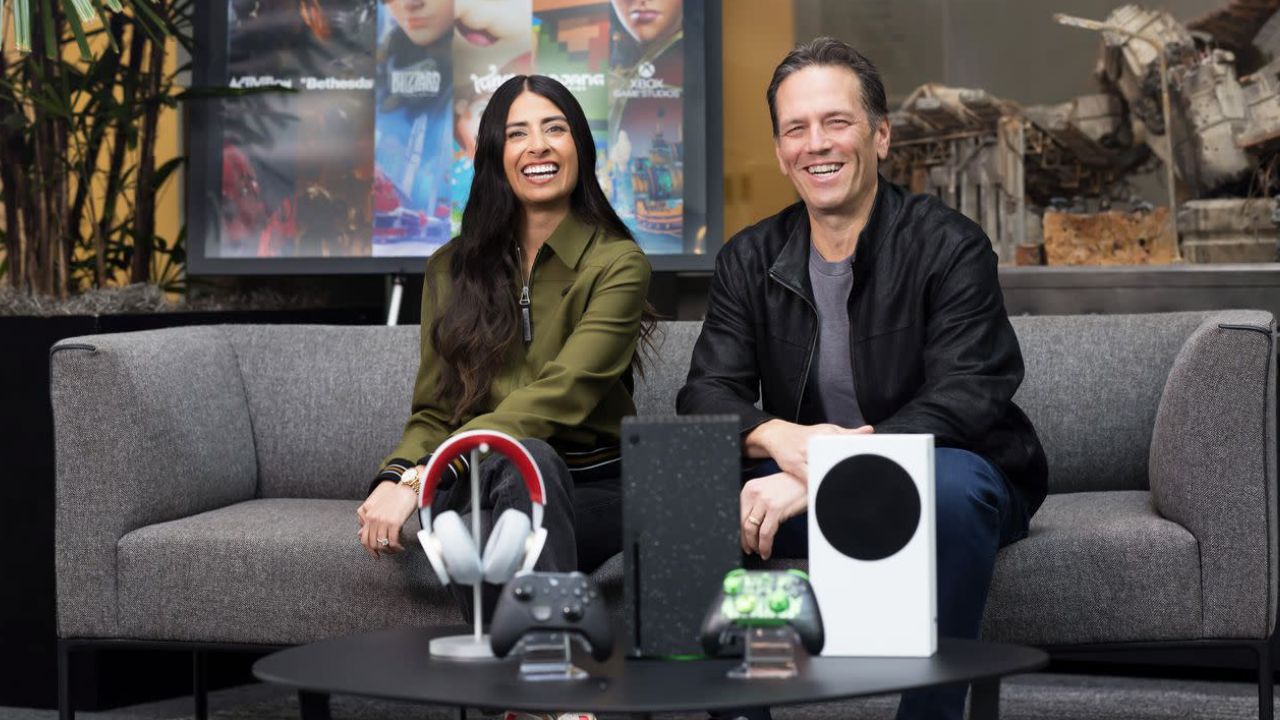
In internal communications, Microsoft CEO Satya Nadella praised Spencer's leadership and emphasized his contributions to gaming. The repeated use of 'gaming' instead of 'Xbox' reflects a broader shift in how Microsoft frames its entertainment business. The focus is no longer on a single brand or device. It is on gaming as a service, a platform, and a data-driven ecosystem that fits into Microsoft's ambitions.
Spencer's farewell message focused on stability and long-term planning. He described his retirement as a carefully managed transition meant to protect the foundation he helped build. Sharma's introduction was framed as the start of a new chapter. Xbox emails underscored their commitment to fans and great games, alongside communities.
Much of it seems like standard corporate messaging. It reflects confidence and optimism, but it does not fully address the concerns many players have been expressing for years.
One of those concerns is the growing dominance of artificial intelligence within Microsoft's overall strategy. The company has invested heavily in AI infrastructure, research, and products. It has positioned AI as the centerpiece of its future. Gaming, by comparison, appears to be losing priority. You can see this in how leadership has been reorganized. Placing someone with deep AI expertise at the top of Microsoft Gaming sends a clear message.
Gaming is now expected to align more closely with the company's broader technological roadmap. It is no longer treated as a standalone creative division. This also helps explain why Phil Spencer became less visible in recent years. While Sarah Bond handled public messaging and major announcements, Spencer largely stayed out of the spotlight. His absence raised questions about how much influence he still had.
Now, in hindsight, it looks like decisions were increasingly being centralized at the executive level, with Nadella taking a more direct role.
Bond's departure is perhaps the most telling development. Unlike Spencer, she is not transitioning into another role within Microsoft. She is leaving entirely. That suggests internal disagreements, fatigue, or frustration with the company's direction. She carried much of the public responsibility for controversial decisions and unpopular changes. Over time, she became the target of fan criticism, so the decision to step away is quite understandable.
The company's public promises remain familiar. Microsoft says it will recommit to core fans. It says Xbox will remain seamless across devices. It says it will avoid flooding its ecosystem with low-quality AI-generated content. Creativity and quality still matter, according to Microsoft. At the same time, recent trends paint a different picture. Game Pass growth has slowed.

Xbox sales continue to decline. Hardware prices are rising. The next generation of Xbox hardware is rumored to be closer to a PC-console hybrid, which sounds risky because it may struggle to satisfy console and PC players, being a half of both. All of this is taking place as Microsoft's cloud services, AI products, and enterprise software generate the company's best financial results. Gaming is a smaller and less reliable source of income than those industries.
From a business standpoint, stability is more important than brand identity and side projects.
As a result, Xbox now feels less like a flagship platform and more like a supporting service. It exists within Microsoft's ecosystem, but it no longer defines it. The brand has become more abstract. It is a subscription, a logo, and an app rather than a clear vision of what gaming on Microsoft hardware represents. Bringing in leadership without deep roots in gaming reinforces this perception.
It suggests that business efficiency and technological integration matter more than cultural connection to players. Longtime executives who once advocated traditional console experiences appear to have lost influence. You can also see how this structure keeps the top leaders safe. Controversial decisions can now be communicated through intermediaries.
If strategies don't work or backlash grows, it's the job of the division heads, not the top executives at Xbox, to address it. For longtime Xbox fans, this change feels like the end of an era. The brand used to stand for competition, new ideas, and a clear choice over other platforms. Over time, it has become more focused on services and accessibility. The time has come for another transition, but now it’s toward automation and integration.
This does not mean Xbox will disappear.
Microsoft has too much invested in gaming for that to happen. Studios, franchises, and infrastructure will continue to operate. Games will still be released. Subscriptions will still be promoted. Services will still expand. What is changing is the identity behind it all. Xbox is no longer being shaped primarily by people who grew up within gaming culture.
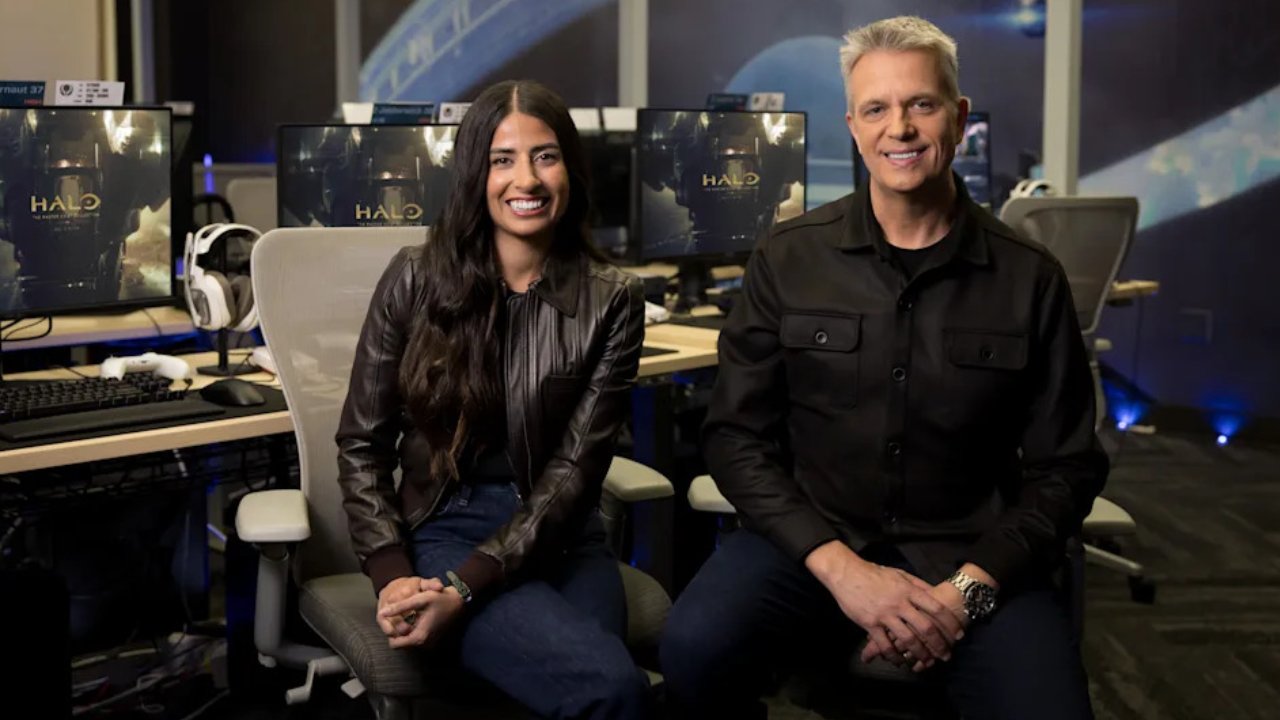
It is being shaped by executives whose main focus is technology and scale. That changes how decisions are made and how creative projects are supported. In that way, this change in leadership is more than just new names and titles. It shows a change in philosophy. It shows that the company sees gaming as part of a bigger tech strategy, not as a key part of its brand.
We don't know yet if that approach will work. For now, it leaves many players like us unsure. The excitement that brought Xbox back to life seems to have faded. The future seems less personal and more corporate. It has been a long and influential run for Xbox, led by Phil Spencer, who will be deeply missed within the Xbox space and across the entire gaming industry.
Xbox shaped generations of players and helped redefine modern gaming. This moment does not erase that legacy. But it does mark the beginning of something very different. And as Microsoft moves forward, it is clear that gaming, while still important, is no longer at the center of its universe.
Senior Editor, NoobFeed
Related News
No Data.