
Xbox Chip Costs Could Drop—Here's Why That's Dangerous
Tariff changes and TSMC moves may lower next-gen Xbox prices, but industry experts warn a false sense of supply security could shake the console race.
News by Zahra Morshed on Feb 12, 2026
Over the past year, the game market has been going through a lot of changes that no one saw coming. The economics of hardware have changed because of memory shortages, rising costs caused by demand for AI infrastructure, and political pressure on semiconductor supply lines.
Sony has said in public that it has secured enough memory supplies to steady production in the near future, and Nintendo seems to be in the same situation. Microsoft was now the last thing that needed to be changed in a very serious situation.
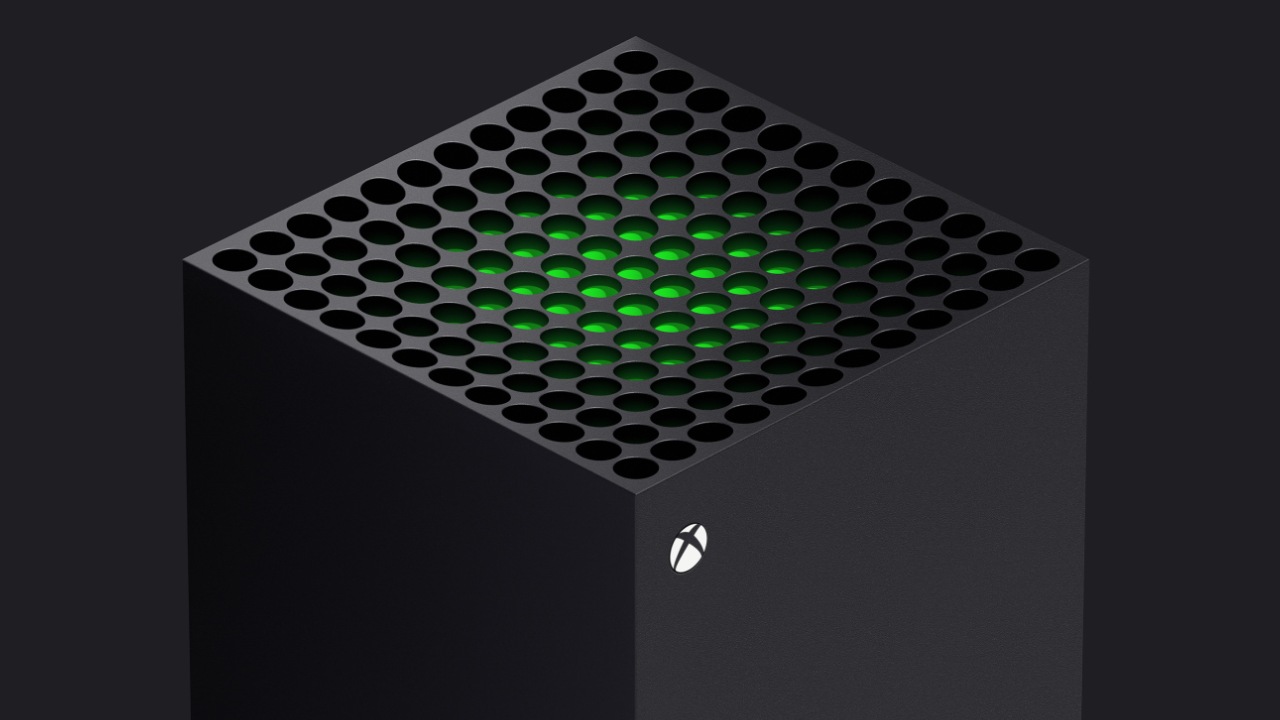
Now, something new has brought cautious hope.
According to a report from the Financial Times that was later picked up by Windows Central's Jez Corden, the US government may let some companies get tariff waivers on chips made by TSMC. The policy is still being worked out, and sources are being called "unauthorized to speak officially."
But even the chance means that hardware makers who depend on advanced silicon fabrication will have to pay more. TSMC makes more chips than any other company in the world and is AMD's main manufacturing partner. TSMC makes the special system on chips that are used in the Xbox Series X and Series S.
The chips are designed by AMD.
Any tariff easing linked to changes in U.S. policy would have a direct effect on the costs of inputs in that supply chain. In an industry with very low margins at launch, even small changes of a few percentage points can cause whole pricing plans to be rethought.
The global layer makes things even more interesting. Washington has actively encouraged semiconductor companies to increase their production capacity in the U.S., and TSMC has promised to spend many billions of dollars in U.S. fabrication facilities in Arizona.
There are reports that possible tariff breaks might depend on how companies work with these local manufacturing programs.
The general direction is clear, but nothing has been set in stone yet. Give incentives for the local industry. Lower the risks of dependence. Keep the long-term supply stable. The time could be very important for Microsoft.
Word around the business world is that the next version of Xbox hardware will come out around 2027, but no official schedule has been released. If development schedules match up with changing tariffs, the cost profile of custom AMD chips could change in a big way.
This, in turn, affects the retail price, launch position, and general ability to compete with new PlayStation and Nintendo systems.
There is also more and more talk about Xbox hardware approaches other than the standard single-box model. Microsoft has already shown that it is willing to try new things with ecosystem growth, such as integrating the cloud and forming partnerships between PC and handheld users.
Reports have talked about possible AMD-powered products made through partnerships with OEMs, but more information is still needed. In this kind of model, being flexible is seen as a strategic asset rather than a problem.
The price of memory is still a mystery.
Costs are going up across the semiconductor industry because AI data centers are growing so quickly. This has increased the need for high-bandwidth memory and advanced DRAM. Even if trade relief happens, inflation in other parts of the supply chain could still affect how the final bill of materials is calculated.
Most of the time, more than one thing determines when hardware comes out. They are the result of many rounds of talks about silicon, memory, storage, operations, and the way money works. Right now, what makes this moment interesting is not certainty, but choice.
If Microsoft can get better terms through changing trade policy, it will have more room to maneuver in a market that is becoming more focused on high-end products. That freedom could mean more aggressive pricing, better performance goals, or different levels of products meant to appeal to different groups.
When prices are going up all the time, any structural advantage can be used as a strategic tool. There is no official confirmation of anything. The basis for exemptions is still being talked about, and release dates for the next generation of consoles are still just guesses.
But there is a small change in motion going on beneath the uncertainty. In a market where news about prices often makes people nervous, the thought that core silicon costs might go down is a rare sign of confidence. This is something that both customers and rivals should keep a close eye on.
Contributor, NoobFeed
Related News
No Data.