
Next-Gen Consoles Face Possible Delays as Rising Costs Shake the Gaming Industry
The future of PlayStation and Xbox could be changed by high RAM prices, unclear schedules, and difficult decisions about games.
News by Nusrat Choity on Dec 31, 2025
A lot of gamers might have thought that the next big step in computer gaming would happen soon, but it might not. The gaming industry is being forced to think about when the next version of consoles should come out because of worries about rising costs for parts, especially RAM.
What was thought to be an easy change in 2027 is now hard to see because of economic pressure, unclear supplies, and the fact that new hardware might come out at prices much higher than gamers are willing to pay. Memory pricing is at the heart of the problem. It has been going up slowly over the last few months, affecting everything from PCs to the latest gaming consoles.
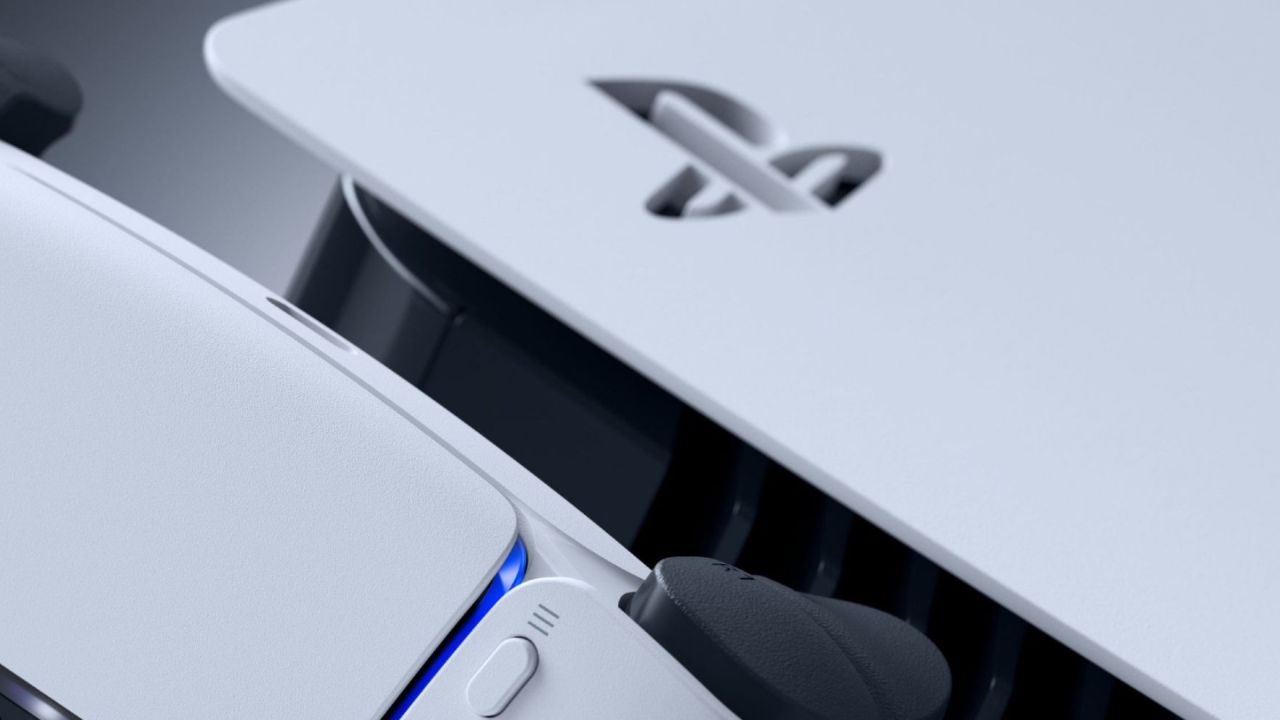
A lot of people have been hoping that this trend will lead to the price drops that everyone has been waiting for. But analysts think that probably won't happen. Instead, this trend could make it more expensive to use old systems in the next few years. According to the sources, this worry has already spread through the market, which makes people wonder if PlayStation 6, the next Xbox, and other next-generation systems can really launch at reasonable prices for customers any time soon.
If current trends keep going, future gaming systems might be much more expensive than usual at the start. This would dramatically change how people think about the cost of consoles. At first, it seemed like the next generation would come in 2027 or 2028, which would follow the industry norm of a seven-year system cycle.
But sources say that recent talks have further extended that time frame, with some cases pushing launches to 2029 or 2030.
In modern game history, this would be one of the longest waits for a new console generation. While extending the lifespans of the PlayStation 5 and Xbox Series consoles may seem odd, insiders say it might be the only way for makers to avoid releasing systems that cost as much as high-end game PCs instead of regular consoles.
There is a lot of financial risk in starting too early. Just the cost of RAM could make the next-generation system hundreds of dollars more expensive than planned. What might have once been a $600 start could quickly rise to the thousands, a price that could turn off many potential buyers.
Companies are hoping that over time, more competition and new sellers in the memory market will help keep prices steady. If that happens, the same thing could still happen with future consoles: they would come without everyone being shocked at the price. If not, delaying technology might be seen as the best option among bad choices.
A longer console generation is not only a problem for people who don't have one, but it also makes things harder for people who already have the latest hardware. According to the sources, people who bought platforms on the first day might have to face the fact that they will be using the same systems for almost ten years.
Even though platforms are made to last a long time, that makes people worry about wear and tear, breakdowns, and the cost of replacements—mainly if the prices for new systems keep going up instead of down. The thought of having to pay a lot more for a new console years after it came out shows how much the price of parts impacts every level of the game ecosystem.
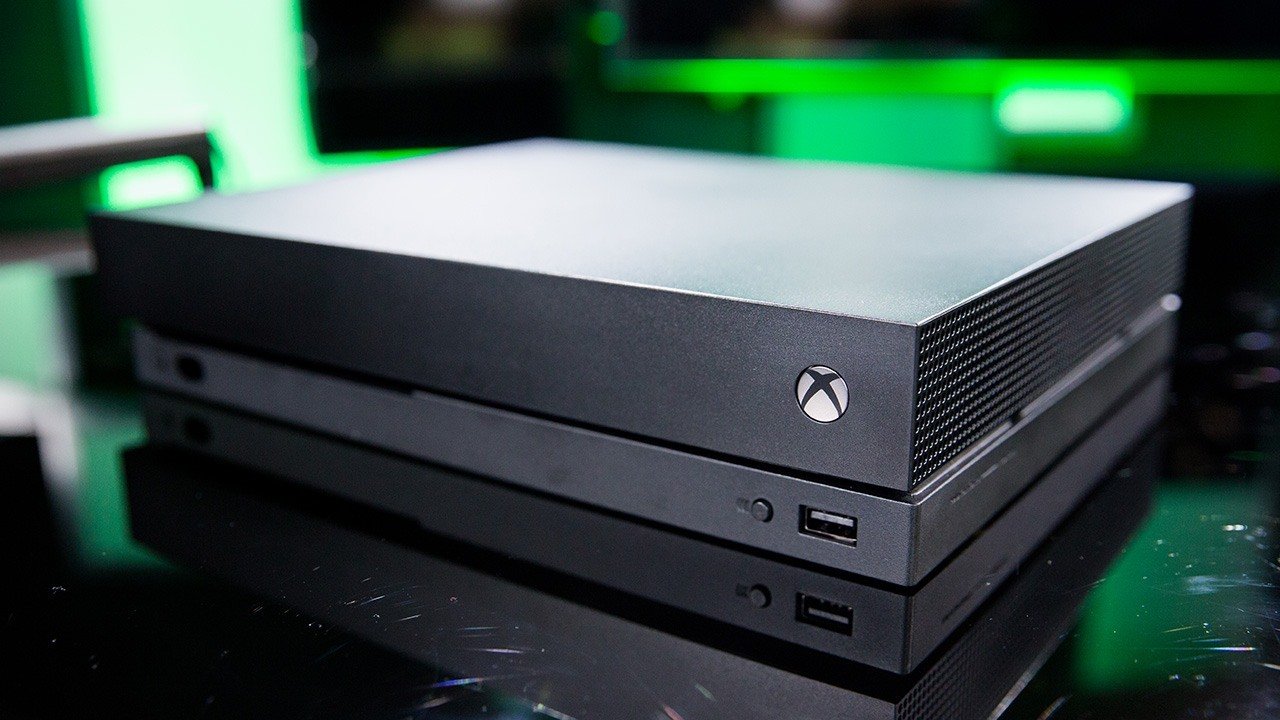
However, some people in the business see a possible benefit in the midst of all the doubt. The current age might not be using all of the power that today's computers and gadgets have. Giving the console a longer lifespan could give devs more time to work on tools and engines and get the consoles closer to their real limits. Instead of quickly buying new machines, companies could make better use of the ones they already have. This might help them make better games.
There's also an increasing chance that a delayed leap in hardware could lead to a creative reset.
Many new AAA games depend more and more on technical power. This often leads to huge budgets and long development times for games that focus on size instead of content. If hardware progress stops, studios may have to rethink their current method and focus on more than just graphics. They may have to put more emphasis on gameplay systems, storytelling, and design innovation.
History shows that sometimes you have to be creative instead of compromising when you have technology problems. Accordance to the sources, some of the most important games were made when creators didn't have access to the best hardware, which led them to try out new ideas for game mechanics, structure, and art style.
A long generation could make things like that happen, especially for companies that are ready to change. Some big projects that are based on next-generation power may have problems or delays, but others may do better if there is more focus on efficiency and smart design.
That being said, not every coder would get away with it. Sources say that game companies that make games based on the idea of more powerful hardware might have to change a lot of their plans. This could cause expensive delays, fewer features, or even big changes in the project's direction. These kinds of changes would hurt the biggest publishers and most popular titles, but some experts think that could be exactly what the video game industry needs after becoming overwhelmed by rising costs and ambitious new technologies.
The bigger picture is important too. According to the sources, the current generation of game consoles started during a very difficult time, with delays in the supply chain happening all over the world. In those early years, there were delays, cross-generation launches, and shortages.
In a lot of ways, the industry slowed down during that time, and some think that lengthening the generation is just a way to get back the time that was lost. If those missing years are added to the end of the cycle, the total balance might not feel as extreme as it looks on paper.
.jpg)
In the end, the possible delay of next-generation consoles shows that the game industry is at a crossroads. The costs are going up, standards are changing, and there are a lot of creative pressures.
Makers now have to make a decision: they can either continue with the costly new hardware or take a break and allow the market, technology, and developers to catch their breath. Players had to wait, which was irritating at times, but it may lead to better games, smarter design choices, and a strong industry in the long run.
If cost and inventiveness, not raw power, are what shape the future of gaming, may this surprise break transform what the next generation is really about?
Contributor, NoobFeed
Related News
No Data.