
How Rising Memory Prices are Affecting PlayStation 6 and Gaming Hardware
January marks the beginning of early engineering sample production for PlayStation 6, setting the stage for development and optimization.
News by Masaru Hoshino on Dec 22, 2025
PlayStation 6 is nearing a major milestone in its development cycle, and January is a key month for its early engineering samples. Developers are preparing to receive hardware that will let them start testing, creating experiences, and fine-tuning systems for the eventual release.
At the same time, Sony is getting the system ready for mass production and improving its architecture. If there are no delays, the console will be ready for a holiday 2027 debut. The gaming market is really unpredictable right now, especially as memory prices are going through the roof, putting pressure on all hardware makers.
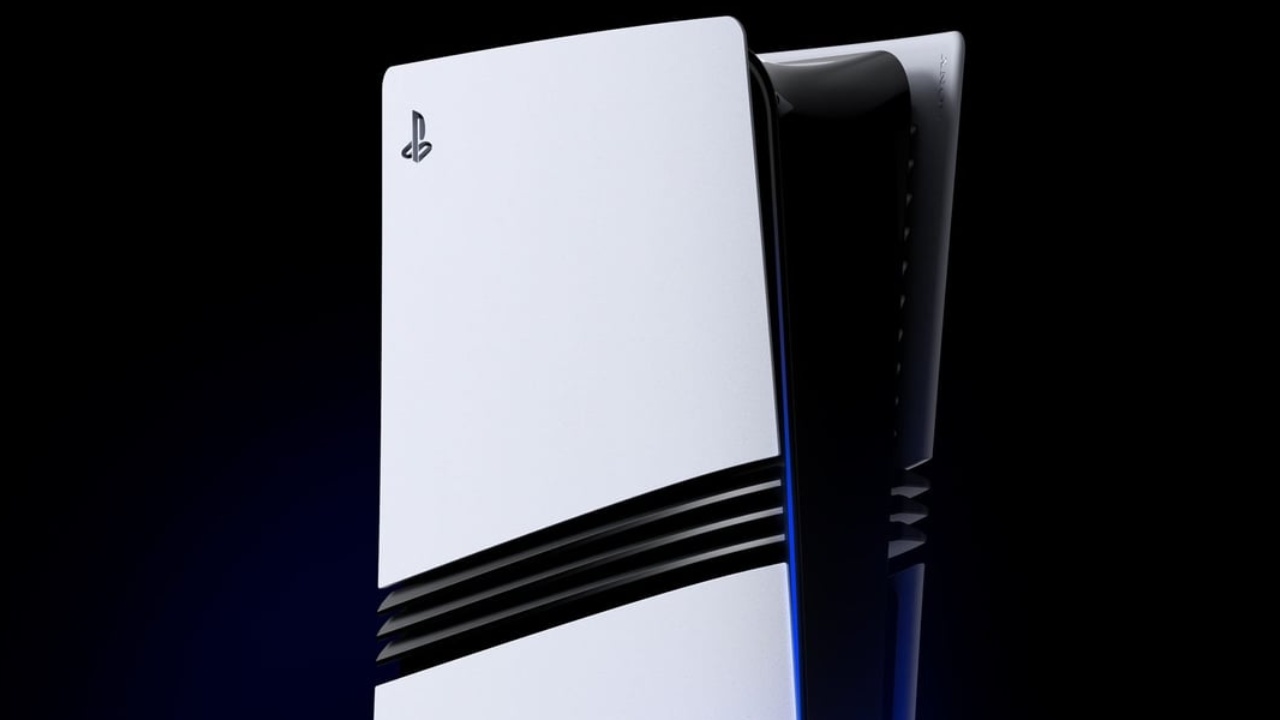
We look toward January as the beginning of the PS6's early fabrication. This aligns with industry expectations that hardware specifications must be finalized soon to meet the rumored 2027 release window. While the target remains firm, many elements across the supply chain introduce unpredictability.
Memory prices are rising rapidly, affecting even major manufacturers, and we can see this pressure reflected across many companies.
Valve's plans for its new Steam machines, for example, remain unclear, with neither firm pricing nor a confirmed release date. Reports suggest that Valve is close to revealing Half-Life 3. Yet its announcement appears tied to uncertainties about memory costs and their potential impact on hardware pricing.
There is encouraging news for Sony and AMD, as well as the broader tech sector. According to reports, Samsung is in talks with AMD about 2nm CPU foundries. TSMC has been the most important player in high-performance nodes for years, leading to capacity constraints and higher prices.
The semiconductor market may finally see more competition now that Samsung is trying to get back on track and Intel's upgraded nodes are entering production.
Reports indicate that Samsung and AMD plan to finalize a contract around January after performance evaluations for the 2nm process.
Many in the industry believe production is likely. If this collaboration supports Sony's hardware needs, it could greatly streamline PS6 chip manufacturing and help prevent launch shortages.
As memory prices keep rising, we see signs of stress in the hardware market. Bloomberg says that Nintendo is paying 41% more for RAM in its next-generation hardware. NAND costs have also gone up.
These problems show how long-term contracts between console makers and parts suppliers can affect retail pricing. If memory stays expensive, businesses may have to change their specifications or raise their costs.
Some people also say that Half-Life 3 is ready to be announced. Still, the same memory-related pricing issues are holding it back. The Steam machine isn't a regular console. Still, its evolution shows how closely game releases and hardware plans can be linked.
Leakers like Kepler_L2 and Moore's Law Is Dead have shared different purported PS6 setups. At one point, engineers were considering 40GB of memory. Still, new reports say the PS6 will have 30GB, and the portable version will have 24GB.
Xbox competitor, called Magnus, might have 36GB of unified memory. Prices are expected to be different, with the PS6 costing about $600 and the Magnus costing about $1200.
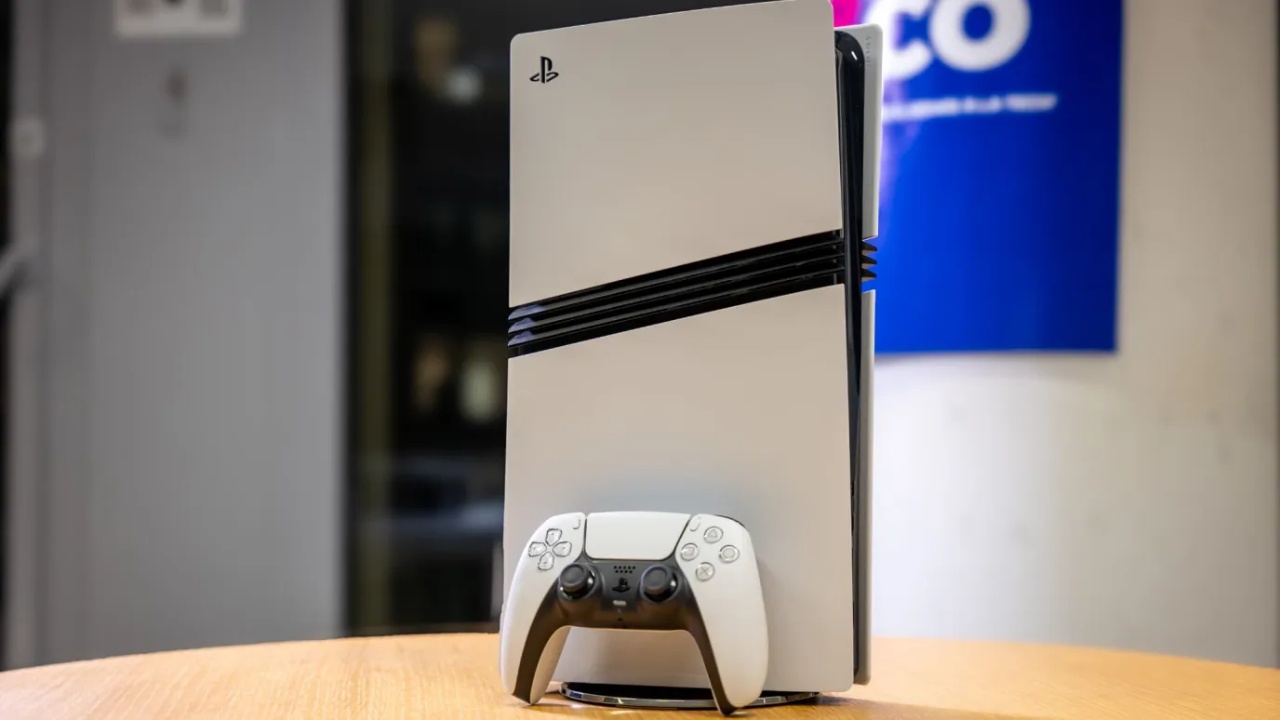
Earlier rumors said there would be 7–8 Zen6 cores and 2 Zen6 LP cores, a 160-bit bus running at 32GTS GDDR7, and a GPU with 52–54 RDNA 5 compute units running at about 3GHz.
Some people think ray tracing performance could approach that of an RTX 5090, thanks to AMD's superior radiance cores, greater memory compression, and Sony's own improvements. We still don't know what the final clock speeds, TDP (which is said to be about 160W), or manufacturing node choices will be.
Some reports say that TSMC's 3nm process is the best, while others say that Samsung's 2nm process might be the best. We need to know that we can't just copy chip designs from one node to another without making many changes. Even nodes made by the same company can vary significantly. Because of these complications, it's hard to predict the final specs until Sony says so.
Extra configuration options, such as those that guess 160-192-bit buses, 160W power objectives, and a price of $499, seem too good to be true. The price of memory could be a key factor driving change.
Digital Foundry discussed the suspected PS6 portable before, based on notes from Kepler_L2. It is thought that the device will have 16 RDNA 5 computing units, 32 ROPs, memory speeds of about 9600 MT/s, and a 96 MB last-level cache. This looks like a better version of a Strix Point-style setup. These numbers are still only guesses, but they show that Sony wants to make a portable device that works well.
We hope that the prices of memory will start to level off. More and more manufacturers in China are competing with each other, and many gamers think that a slowdown in AI-driven demand could help the memory industry. If you already own a PS5 or a powerful PC, you might want to wait and see how prices and performance develop over the next few years.
Sony hasn't hiked the prices of PS5s in the US, and it may have locked in good memory deals well before the recent rise. Console producers usually organize these deals a long time in advance so that they can be sure of a steady supply and price. If so, it may help reduce our costs when the PS6 eventually launches.
Editor, NoobFeed
Related News
No Data.