
Nintendo Outlines Switch 2 Software Lineup & Cross-Media Strategy
Nintendo President Devon Pritchard says the new console is still early in its life cycle, with major first-party releases, stronger third-party support, and movie tie-ins still coming.
News by Adeela Tas on Sep 24, 2026
The Switch 2 generation may already be a year old, but the company is making it clear it still has a lot more planned. Nintendo of America president Devon Pritchard recently discussed the company's broader approach to the platform, its growing third-party lineup, and how Nintendo wants its biggest franchises to reach people beyond games.
For Switch 2, the biggest takeaway is straightforward: it is still considered to be at the beginning of its life cycle. That matters because the platform has not yet received several of the massive first-party games that helped define Nintendo's previous generation.
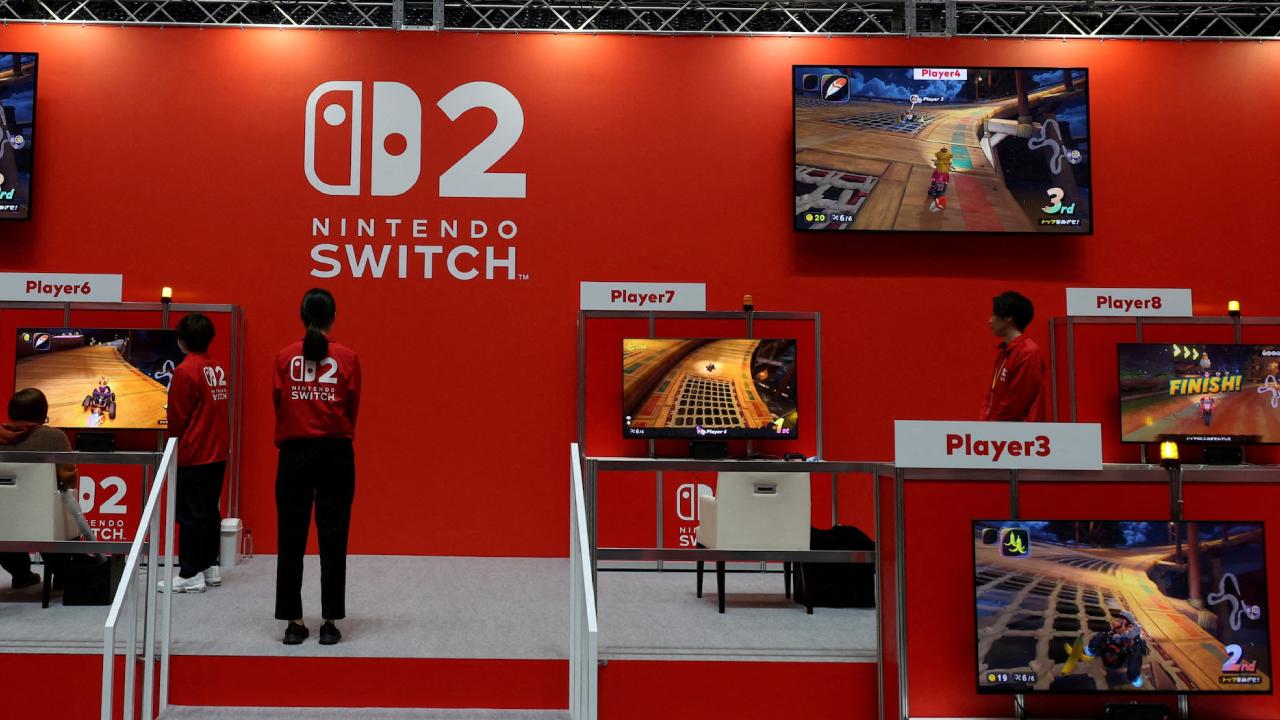
You have already seen successful releases arrive, but some of Nintendo's biggest names are still waiting for their turn.
Pritchard also highlighted something broader than hardware sales. Nintendo wants to build relationships with audiences that can last across generations, rather than simply fighting every other entertainment company for a share of your free time.
That strategy is increasingly tied to movies, games, and other ways of introducing people to Nintendo's characters. Looking at the first year, the difference from the original Switch is noticeable. Nintendo launched that console with a major 3D Zelda game and followed it with a major 3D Mario release within its first year.
The early Switch 2 lineup has taken a different route, offering a wider mixture of franchises instead of immediately relying on those two biggest names. Mario Kart World has still provided the kind of major release capable of moving hardware, while a new single-player Donkey Kong adventure gave the lineup another recognizable franchise.
Smaller projects such as Kirby Air Riders have also helped fill out the schedule, even if they do not necessarily have the same broad appeal as Nintendo's biggest system sellers. The 2026 lineup continues that variety. You have Mario Universe entries, a new Mario sports title, Yoshi and the Mysterious Book, a single-player-focused Splatoon spin-off, and a Star Fox 64 remake with additional multiplayer content.
Fire Emblem and other first-party projects add even more variety, while the biggest holiday release is expected to be the Ocarina of Time remake.
For Switch 2, that means you are still waiting for several obvious system-selling franchises. There hasn't been a completely new mainline 3D Mario, a completely new 3D Zelda, a new Super Smash Bros., or another Animal Crossing that could become a major reason for people to buy the hardware.
There is also no original Pokémon generation built exclusively around the new console yet, although Winds and Waves is scheduled for next year. Pokémon Legends: Z-A has received a Switch 2 version, but the game originally launched across both generations.
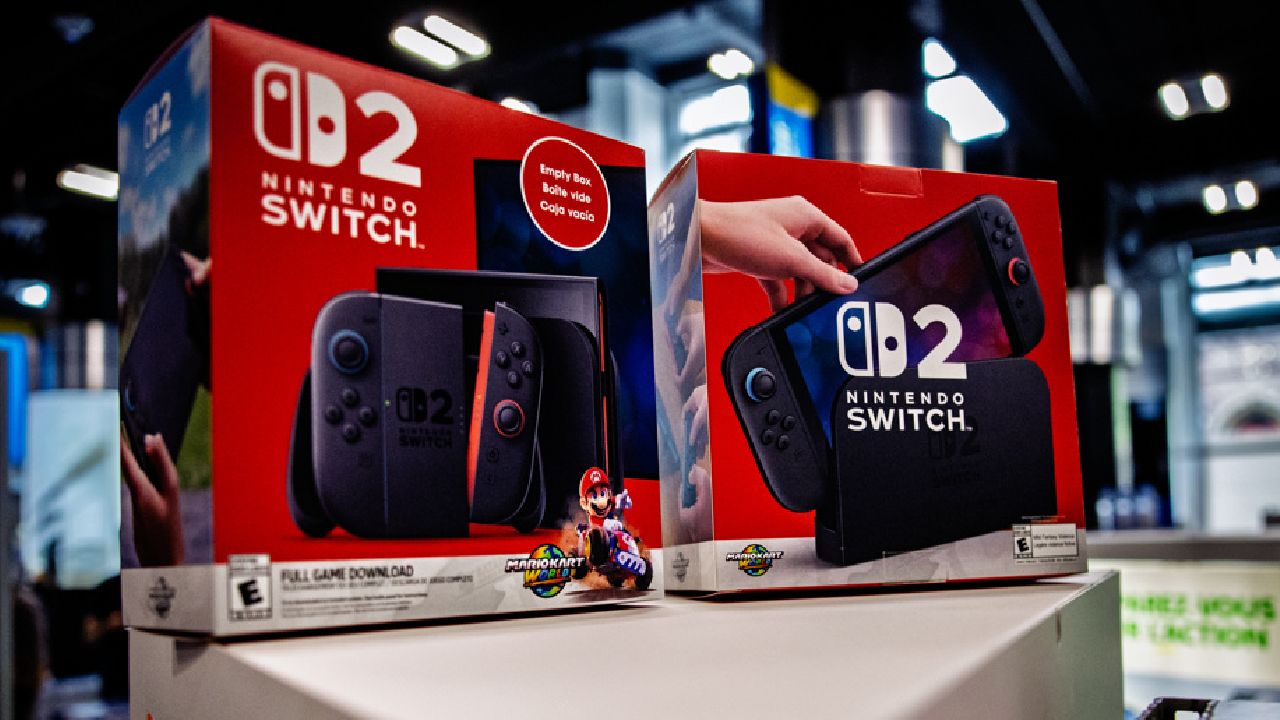
That is why Pritchard's description of the current moment is important. Nintendo is supporting the hardware, but it hasn't used every major card in its first-party lineup. Games that arrive later in the generation could dramatically expand the platform's audience without requiring Nintendo to change its basic approach.
Third-party support is another major difference. During the Wii U era, outside publisher support was extremely limited, and that weakness carried into the early years of the original Switch. Even after Nintendo turned the situation around commercially, many publishers waited to see whether the company could maintain that momentum before committing heavily to its hardware. The situation now looks very different for Switch 2.
Major games traditionally associated with PlayStation and XBOX are increasingly arriving on Nintendo hardware at launch or close to it.
Capcom's Resident Evil Requiem and Pragmata are examples of large third-party releases coming to the platform day and date, giving you another reason to consider Nintendo hardware beyond its exclusive franchises. Nintendo is also catching up on major games that missed the first Switch. Bethesda's Indiana Jones and the Great Circle and The Elder Scrolls IV: Oblivion Remastered are among the ports expanding the library.
At the same time, Call of Duty: Modern Warfare 4 is also expected to arrive day and date. These are established franchises with audiences that extend far beyond Nintendo's traditional fan base. The result is a more complete proposition. You are no longer necessarily buying a Nintendo console only for Mario, Zelda, or Pokémon.
More powerful hardware allows publishers to bring a wider selection of multiplatform games to the system, while portability remains one of Nintendo's biggest advantages. For players who want major releases without giving up handheld play, that combination gives the platform a different position from previous Nintendo generations.
Devon Pritchard's comments also connect with Nintendo's increasingly deliberate use of movies to expand its audience. The company has already used Mario as a major example of this strategy, with animated films introducing the character to people who may not regularly play Nintendo games.
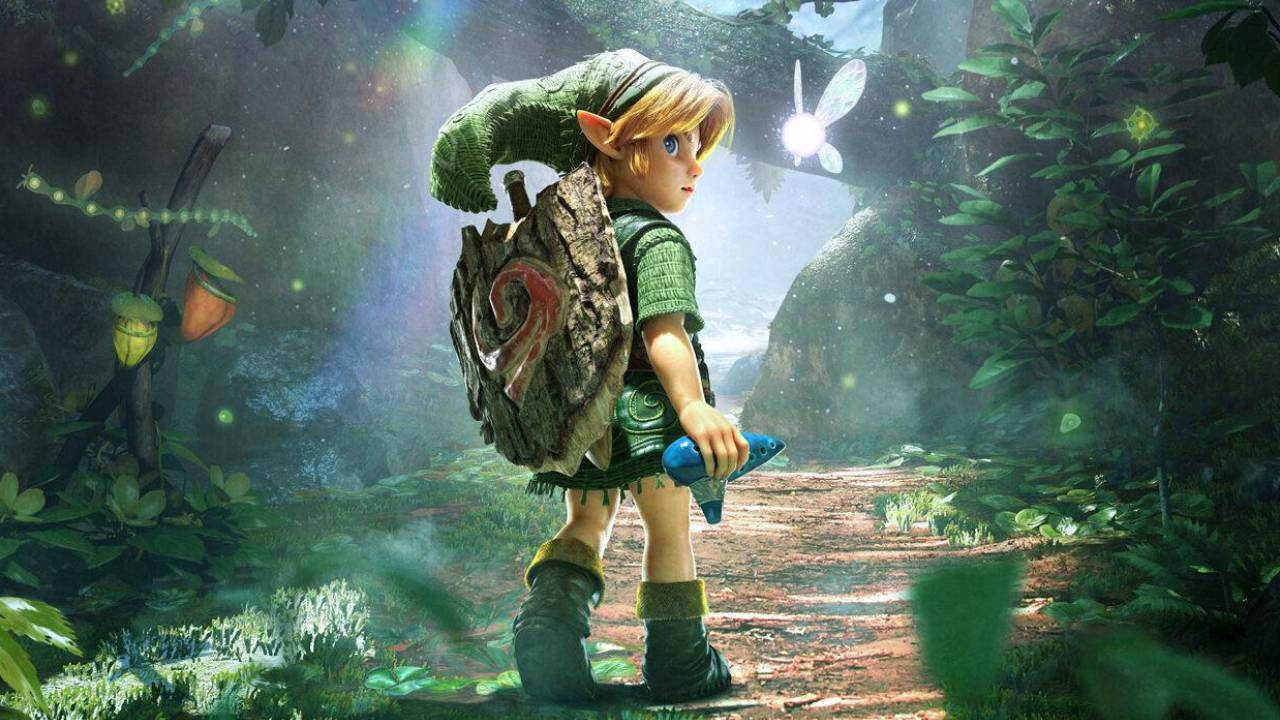
The next major step is Zelda, with a live-action film planned for next spring.
The timing is important. The Ocarina of Time remake is positioned as a major holiday release before the movie arrives, giving audiences multiple ways to encounter the same franchise within a relatively short period. Someone who discovers Zelda through the movie could then become interested in the games, while longtime players may be encouraged to revisit the series because of the film.
Nintendo has previously discussed coordinating game releases with major cinematic projects, and the approach is easy to understand. A movie can introduce a character to millions of people, while a game can give those viewers another way to stay connected to that world.
For families, it can also turn a familiar character into something shared between parents who grew up with Nintendo and children discovering it for the first time. The Mario strategy has already demonstrated the basic idea. Around the character’s 40th anniversary, Nintendo prepared a remastered package containing Super Mario Galaxy and Super Mario Galaxy 2, giving audiences another way to engage with Mario.
At the same time, Nintendo promoted the next movie. The point is not simply to sell one game or one ticket, but to make the same intellectual property appear across different forms of entertainment. Zelda now gives Nintendo another opportunity to do that.
The Ocarina of Time remake can bring one of the series' most recognizable adventures back into focus.
At the same time, the movie can introduce the broader Zelda universe to people who have never played a game. Characters such as Link, Zelda, and Ganondorf already have decades of recognition, giving Nintendo plenty to build around. This approach could eventually extend to other franchises.
Metroid has long been a candidate for a larger adaptation, while Star Fox and Donkey Kong have also been associated with potential film projects. If Nintendo continues developing movies around its major properties, you can expect the company to look for similar opportunities to place games alongside them.
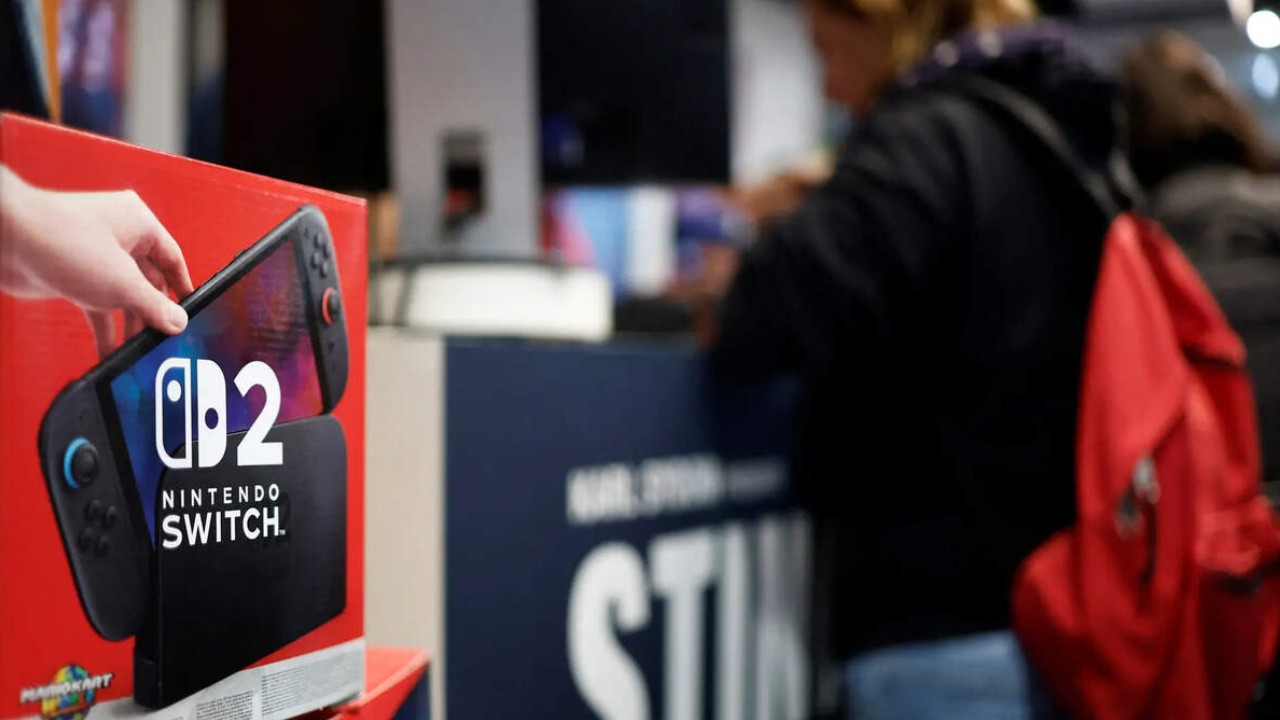
That fits with the larger point Pritchard made about creating relationships that last for generations. Nintendo is not simply looking for the next big launch. Nintendo wants people to grow attached to its characters, to keep coming back to them, and eventually pass them down to their kids.
So for the Switch 2, what's out right now is really just the opening chapter. The platform still has several major first-party franchises that can arrive later, while stronger third-party support gives you access to more of the games you might otherwise play elsewhere.
At the same time, Nintendo is building a wider ecosystem around its characters through movies and other entertainment.
The early years of Switch 2 therefore look different from the opening of the original Switch, but that does not mean Nintendo has finished showing what this generation will become. With the Ocarina of Time remake arriving before the Zelda movie, more major games still unannounced or unreleased, and an increasingly broad third-party library, Nintendo is positioning Switch 2 for a much longer cycle.
The company's message is that the first chapter is not the whole story. The hardware has established itself, but Nintendo still has its biggest franchises, additional partnerships, and cross-media plans to bring into the picture. For you as a player, the most significant part of this generation may still be ahead.
Editor, NoobFeed
Related News
No Data.