
Nintendo Raises Switch 2 Price as Memory Costs and Market Pressure Mount
New fiscal report reveals soaring component costs, slowing console growth, and Nintendo’s struggle to balance affordability with profitability.
News by Wasbir Sadat on May 09, 2026
The price of the Switch 2 has been officially raised by Nintendo. This news comes months after the Switch 2 was released, where Nintendo tried to keep the price the same. Along with its latest fiscal year financial results, Nintendo announced the price increase. Following the financial results, it was confirmed that rising memory costs, inflation, and regional conditions are driving console prices higher in certain regions.
The report covered Nintendo's fiscal year, which ran from April 1, 2025, to March 31, 2026. Fans saw that Nintendo was honest about how the DRAM memory shortage was affecting the business, which was crucial. Given its console success, investors expected strong sales. Nintendo was honest about how the shortfall was hurting the business.
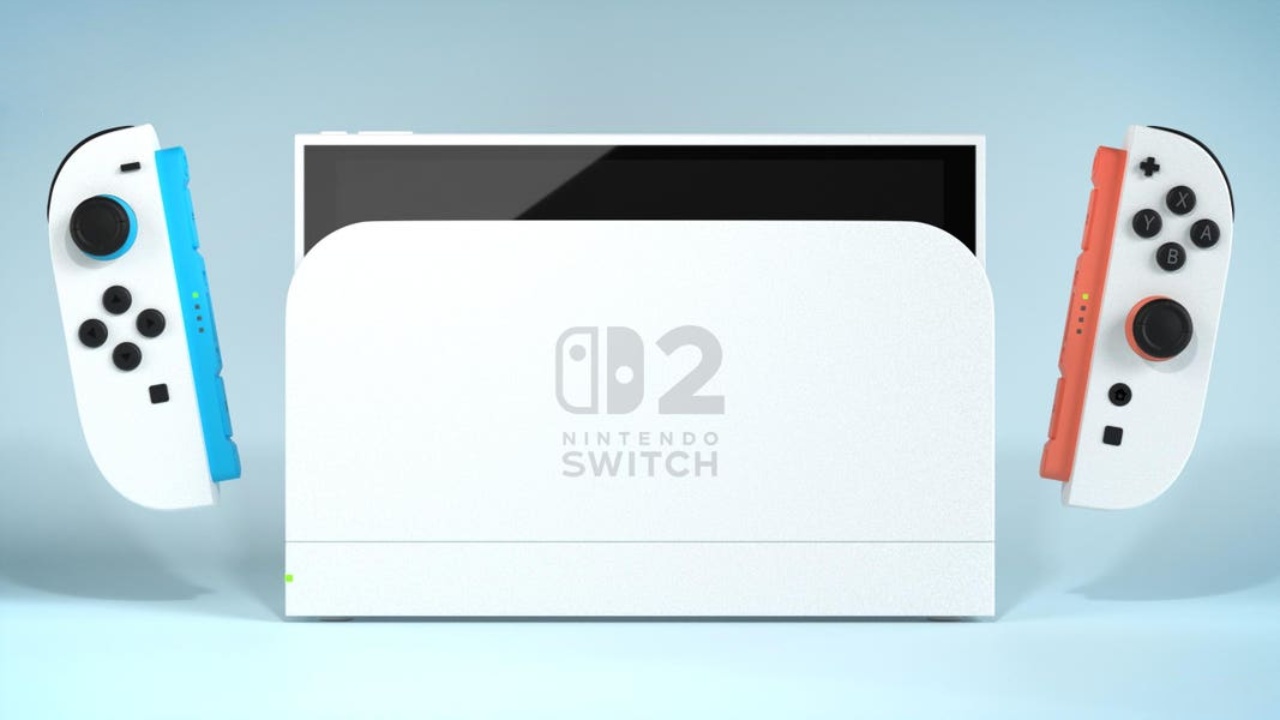
There were reports that said Nintendo would have to raise prices on some of its hardware, just like Sony and Microsoft have already done with their consoles. Earlier this week, reports said that investor pressure was growing. The rumors were true, as Nintendo's stock fell, raising concerns that rising costs were affecting the business.
It looked like Nintendo tried to keep the price the same for as long as they could.
Considering that the corporation is still in the early stages of convincing people to purchase the Switch 2, it is highly important that costs be lowered to encourage more people to buy it. it. It is possible that the entire generation will not move as swiftly if higher prices are implemented during the debut period. Despite this, it appears that Nintendo has concluded that the current market offers few other choices.
Certain regions, including Japan, North America, and Europe, are considered to be affected by the new pricing scheme. The price of the Japanese-language edition of the Switch 2 will increase by 59,980 yen, surpassing the PlayStation 5's price in Japan. The price increase will start on September 1st of 2026.
However, in Japan, the changes will happen earlier, on May 25 2026.It would appear that Nintendo is making the appropriate adjustments just prior to the hectic holiday shopping season, which is typically the most favorable period for the company to generate sales. The Switch 2 will see a $50 price increase in the United States, bringing its price to $499.99.
That means the standard console costs the same as the current bundle, but it doesn't include a game. Analysts now think Nintendo's future bundles will likely cost around $ 550.55. The price of the system is also rising significantly in Canada and Europe, where it is now $679.99 CAD and €499.99. In most big markets, the changes add up to an increase of about 15 to 20 percent.
The situation shows how much the console market has changed over the last few years. The most expensive Nintendo gadget launch ever just got pricier. PlayStation 5 Digital Edition costs roughly $600 in various areas. Xbox Series X prices have also risen significantly.tly. Nintendo, however, is building a new generation of devices from scratch.
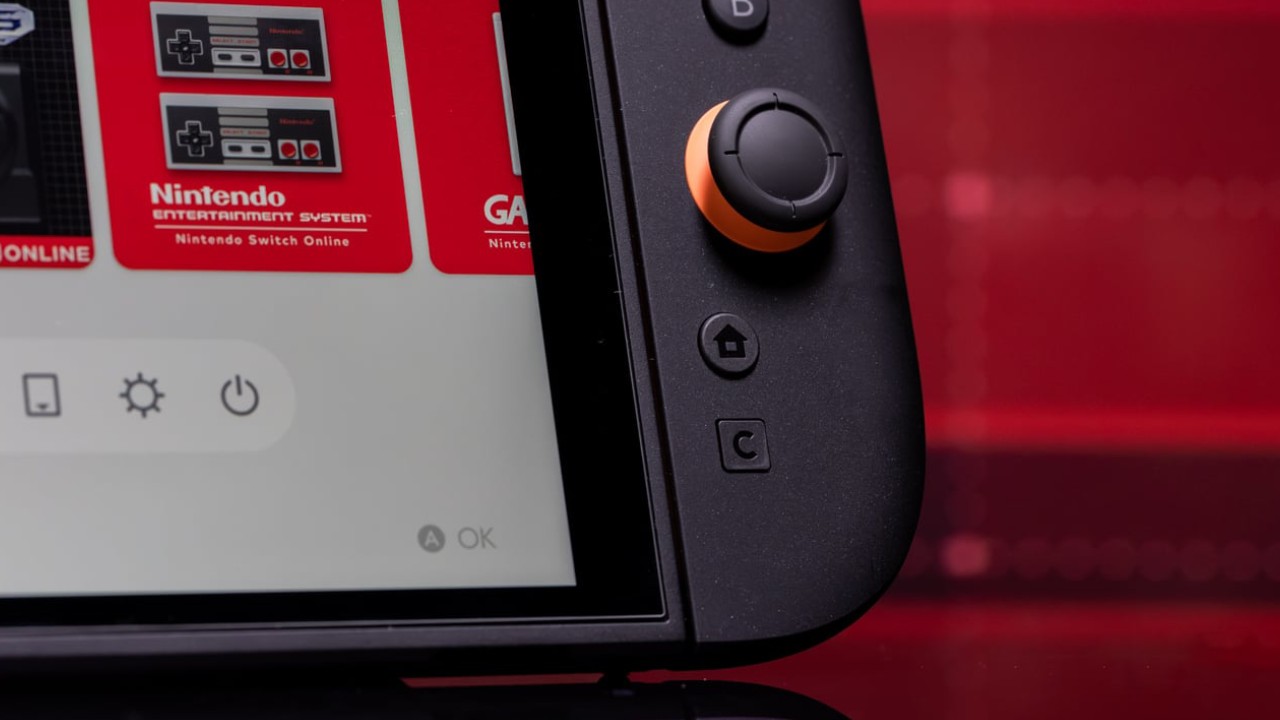
Since Sony has sold 94 million PlayStation 5 consoles, its hardware growth is mostly over. Nintendo, however, is still promoting the Switch 2.
Despite price increases, Nintendo's new hardware sales are good. Switch 2 sales total 19.86 million, with 2.5 million in the most recent fiscal quarter. Some predicted the business would sell over 20 million devices, but they sold more than 19 million. Nintendo's software sales showed changing consumer tastes.
Mario Kart World sold 14.7 million copies, and Donkey Kong Bananza sold 4.5 million. Pokémon Legends Z-A for Switch 2, Pokopia, and Kirby Air Riders are selling well. Mario Tennis Fever didn't make Nintendo's million-seller list. Since its February release, it has not yet sold a million copies, which many analysts found odd for a Mario sports game.
That finding may already be changing how Nintendo sets the prices of its software. Digital versions of several upcoming games are now cheaper than physical copies. For example, Star Fox costs $60 to buy in stores but only $50 to download. Splatoon Raiders and Yoshi are also available at lower digital prices.
The trend suggests that Nintendo is pushing players to buy digital items more often, which could help the company offset rising production and delivery costs. The latest financial report from the company showed that digital sales are still rising, and prices for new products are likely to remain unchanged.
It is said that other projects, like the much-talked-about remake of Ocarina of Time, will also use digital-first pricing methods. If Nintendo is successful, it could gradually shift people's habits toward a greater focus on digital ecosystems.
Overall, Nintendo's financial numbers don't paint a clear picture.
Even though net sales almost doubled from one year to the next, operating profit rose by only about 27%. The big difference shows how expensive it has become to make and sell a lot of modern game hardware. One of the most interesting aspects of the report was Nintendo's estimate that rising component prices, especially for DRAM, will add an extra 100 billion yen to its costs this fiscal year.
That amount is equal to about $640 million in U.S. dollars. Nintendo plans to sell about 16 million Switch 2 consoles this fiscal year, so the extra cost works out to about $40 per machine on average. Nintendo expects to sell 16.5 million Switch 2s this fiscal year, which is less than the nearly 20 million already sold.
.jpg)
Analysts point out, though, that Nintendo's first estimates for the Switch 2 were only 15 million, but they were later raised. That could just mean that the company is being more cautious at this point in the economic cycle. Software sales are also expected to increase; Nintendo estimates 60 million copies will be sold this year.
At the same time, sales of the original Switch keep getting closer to the PlayStation 2's all-time record. Nintendo says that almost 156 million Switches have been sold worldwide, which is only a few million fewer than the PS2's claimed 160 million. Still, the bigger problem for the business is that it can't make enough products.
Industry experts have often warned that the production process is becoming harder and more expensive due to the shortage of memory and the need for increasingly powerful hardware components driven by AI. Nintendo could face the same problem in the future. Sony hinted at this with the PlayStation 5: the demand for new games could exceed the ability to make them.
Nintendo’s next titles could be highly essential in determining whether the Switch 2 can keep going even with rising prices.
There are a slew of new games coming out shortly, like Fire Emblem, Pokémon Winds and Waves, and the rumored Ocarina of Time remake, that are guaranteed to be significant Christmas successes. Pokémon is still one of the greatest-selling games of Nintendo. Fire Red and Leaf Green sold over 4 million copies within 6 weeks of publication.
The re-releases, which didn't cost much, were making a killing. Furthermore, newer ventures like Pokopia had over 4 million sales in only 5 weeks. The next big generation of Pokémon in 2027 might send sales of the Switch 2 gear soaring, but analysts say there may not be enough of it to make that happen. If another Pokémon buying frenzy occurs and the hardware market is already very tight, Nintendo may just be unable to produce enough devices.
The number of active users on the company’s platform has also leveled off at roughly 130 million annually, suggesting the console industry may be close to saturation. You can see similar patterns coming through across the full game business, especially for PlayStation. Nintendo is still planning a big Direct event in June, during which it may make more first-party reveals and share more information about when games will be available.
Many fans are eagerly anticipating news about Fire Emblem and the rumored Zelda remake. For now, though, Nintendo's most recent financial report says a lot about the console market: rising hardware costs, tightening supply lines, a market for consoles that costs more and more every year, and a growing reliance on digital software sales.
Contributor, NoobFeed
Related News
No Data.