
Phantom Blade Zero Doubles Down on Human Craft Over AI
You’re looking at one of 2026’s most anticipated games and its developers are making a clear statement about how it’s built.
News by Tahmid Mahi on Apr 11, 2026
If you’ve been keeping an eye on upcoming releases, you’ve probably already heard the buzz around Phantom Blade Zero. It’s shaping up to be one of 2026’s biggest games, and from what you can see so far, it’s not trying to follow the Soulslike trend. Instead, you’re getting a character-driven action RPG rooted in Wuxia storytelling, with a strong focus on narrative and fast-paced combat.
What’s really getting attention right now is a detailed statement from the developers about how the game is being made. When you go through it, you notice right away that they’re choosing to be unusually open about their process, especially when it comes to AI. At a time when AI is becoming more common in game development, they’ve made it clear that they’re not using it to create content in this project.
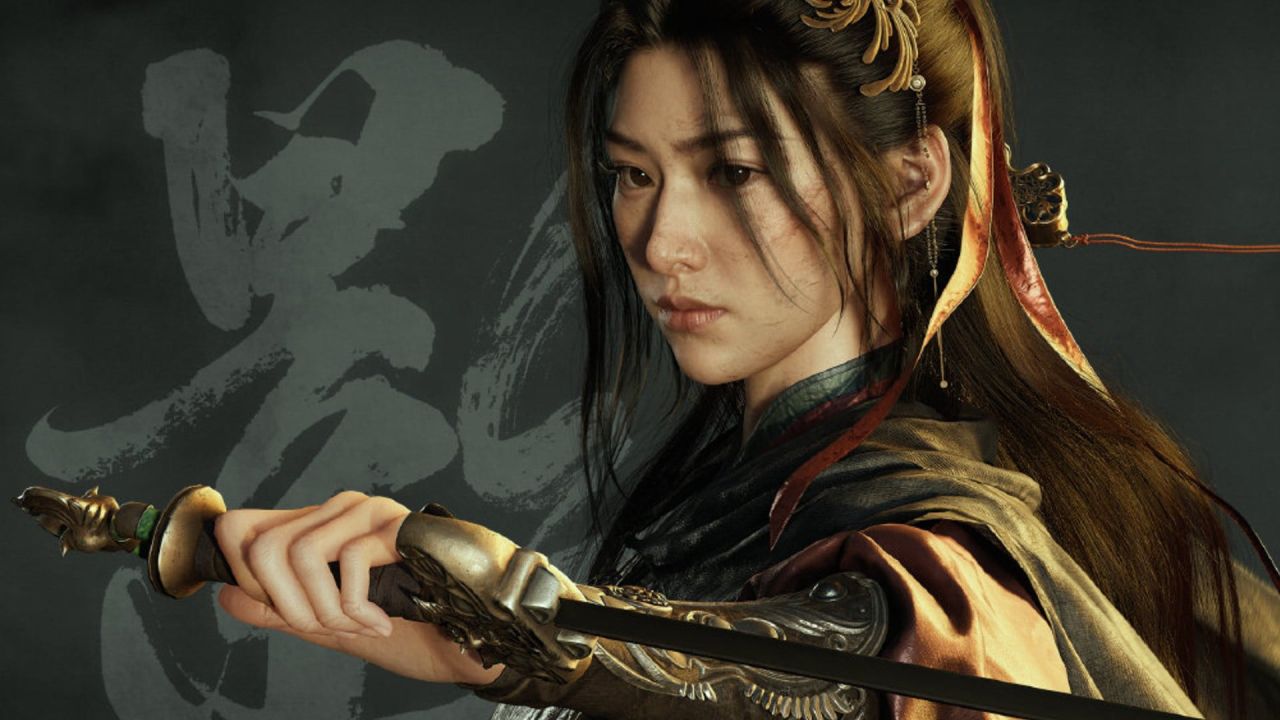
Every part of the game, as they describe it, has been built by actual artists.
As you read on, you'll get a better idea of how much work is going into the last stages of development. The team explains that they’re pushing every part of the game as far as they can with the time they have left. They acknowledge that technology is changing quickly, but they’ve still chosen to rely entirely on human work. You’re told directly that AI visual tools that could interfere with an artist’s original intent aren’t being used at all.
When it comes to the characters, you’re not just looking at digital creations. The models are based on 3D scans of real actors, and those same people handled the facial capture performances. Voice acting has also been carefully handled in both Chinese and English, with full lip-syncing for each version. It’s not just about having voices in the game—you’re getting performances that have been refined with attention to detail.
The way the game handles weapons and fighting is also very good. Instead of guessing how weapons should feel, the developers have taken inspiration from traditional Chinese weaponry. In some cases, they've even made real copies to better understand how size and weight affect how things move.
Combat animations come from motion capture sessions with more than 20 experienced martial artists, so when you see the action, it’s grounded in real techniques. To make sure everything feels authentic, the team has worked directly with martial arts experts. If a specific style or movement was needed, they didn’t just approximate it; they brought in people who actually practice it.
Sword masters from Mount Emei were involved in accurate swordplay, while lion dance specialists from Guangdong helped choreograph those sequences. You can tell that they’re trying to capture more than just the look of these traditions. They’re trying to reflect how they actually work.
The environments follow the same approach.
The developers traveled across different parts of China, scanning real locations and then combining them in creative ways. You’re seeing influences from ancestral halls in Fujian, historic towns in Xi’an, and even industrial areas like steel factories in Beijing. Instead of copying these places directly, they’ve reimagined them to build something new while still keeping a connection to reality.
Visually, the game is described as “kung fu punk,” which gives you an idea of how it blends traditional elements with a more stylized presentation. This is also true of the game's maps. Students from the Central Academy of Fine Arts drew them by hand on Xuan paper with Chinese brushes, rather than using digital tools or AI. That one choice says a lot about where the team wants to go.
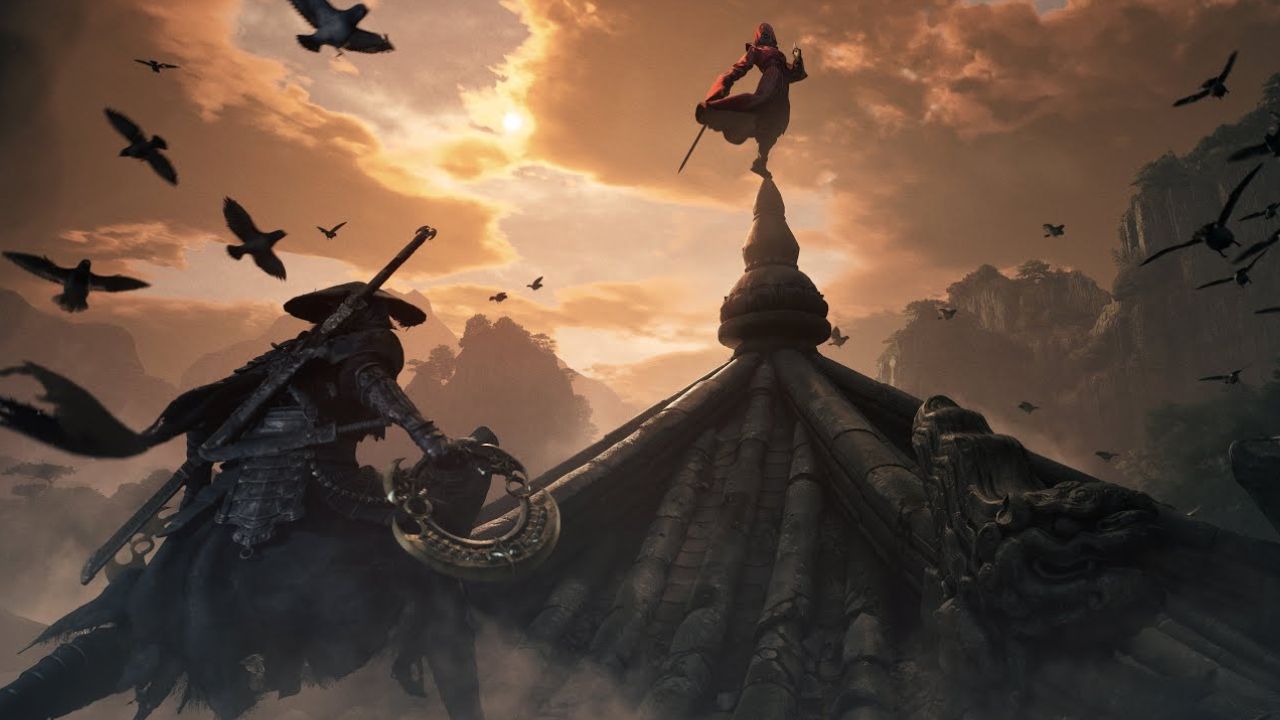
At its core, the message from the developers is simple. They see human creativity as the main value, not just a tool to create something else. Instead of assembling a team just to finish a project, they’ve tried to build something that everyone involved can stand behind.
When you step back and look at all of this, it also ties into the bigger conversation about AI in gaming. You’re not being told that AI is entirely good or bad. The point being made is that it’s not a simple issue. What matters more is transparency. As someone who’s going to play or buy the game, you benefit from knowing exactly how it was made.
You might personally feel strongly about AI in games, or you might not care much at all.
Either way, having clear information lets you decide for yourself. Some players won’t support a game if it uses AI in any form, while others are fine with it, even in areas like voice acting. Both viewpoints exist, and neither cancels out the other. What stands out here is that the developers are being upfront, which makes it easier for you to form your own opinion.
You’ve already seen what happens when that transparency is missing. In other cases, like with Crimson Desert, the issue wasn’t just the use of AI art—it was the lack of clarity around it. That kind of situation tends to frustrate players more than the technology itself. At the same time, there will always be people who react strongly no matter what, whether they were ever interested in the game or not.
Even with that in mind, it seems like most players just want honest communication. When you’re spending money on a game, especially at a full price point, knowing what you’re getting matters. Developers sometimes hold back information when there are problems, like poor PC optimization, but that usually ends up hurting trust in the long run.
In this case, Phantom Blade Zero is already building momentum. The game reportedly reached one million wish lists months ago, and that number has likely grown since then. From where things stand, it’s positioned to be a major release. If it launches as planned in September and performs well, it could easily be one of the standout titles of the year.
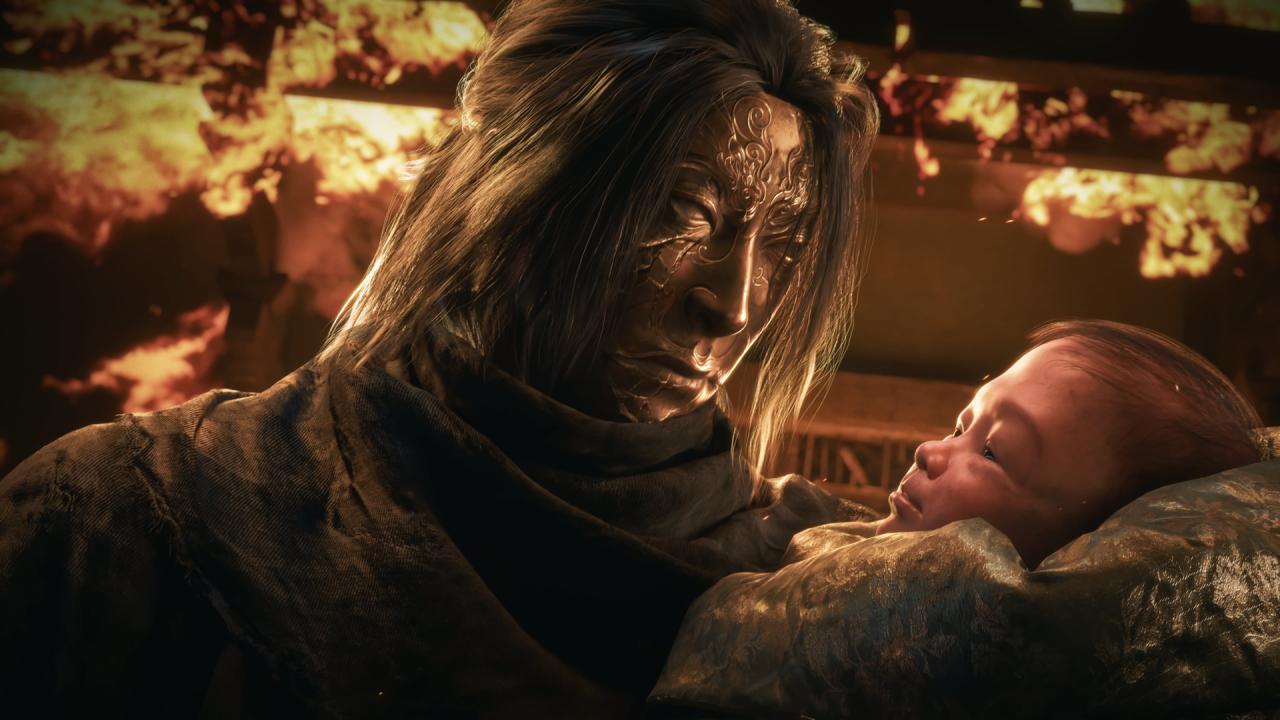
Timing also plays a role.
Releasing ahead of other big names like Wolverine and Grand Theft Auto 6 gives it some breathing room. During that late summer to early fall window, when major releases start picking up, you can expect it to draw a lot of attention before the next wave of titles arrives.
As for the game itself, you’re stepping into the role of Soul, a warrior with just 66 days left to live. Your time is limited, and you’re dealing with assassins, larger conspiracies, and the need to protect what matters to you. It’s a setup that leans heavily into narrative while still giving you plenty of action.
There’s no pre-order available yet, but the release is expected around early September, with slight differences depending on global timing. That kind of staggered date isn’t unusual, especially for worldwide launches.
When you put everything together, what you’re seeing is a game that’s not only aiming to stand out in terms of gameplay but also in how it’s made. The focus on human work, combined with a willingness to explain that process openly, sets a tone that you don’t always see. Whether that approach becomes more common or stays rare, it’s clearly something that’s getting attention right now.
Editor, NoobFeed
Related News
No Data.