
PlayStation Portal Was Never Meant to Win, But it Did Anyway
Sony’s companion device just became the quiet blueprint for the next handheld revolution.
News by Zahra Morshed on Nov 11, 2025
Sony's experiment with handhelds has turned out to be a surprise hit. Almost two years after it came out, the PlayStation Portal has not only found its audience, but it has also done better than the company had hoped.
According to reports, Takuro Fushimi, who is the senior manager of product management at Sony Interactive Entertainment, has stated that engagement with the Portal has been higher than expected. Fushimi says that the Portal is now used for Remote Play more often than the PlayStation 5. This shows a small but important change in how players interact with the PlayStation environment.
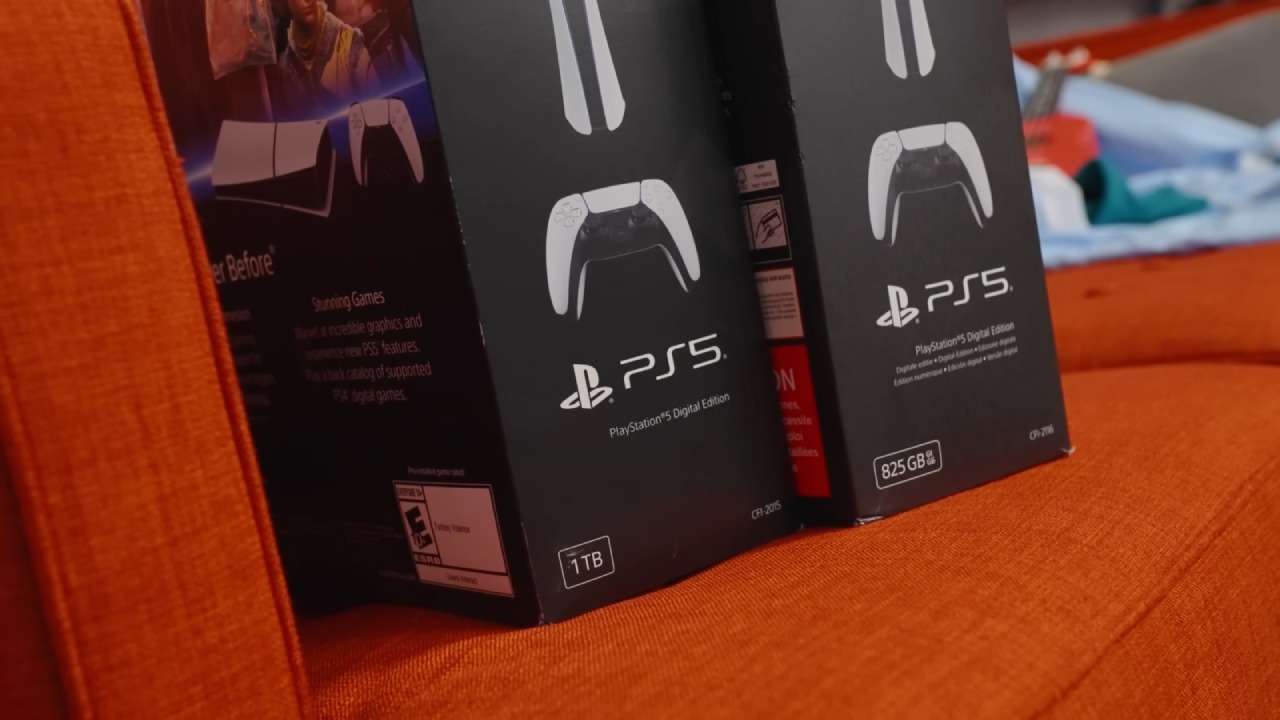
It was first thought of as a niche companion device, but it has since become an important part of Sony's plan for connected hardware. Circana's market data shows that about 5% of PS5 users in the U.S. have bought a Portal.
With that information, the Portal is no longer just a side interest. This is a small but significant number for a device that only does one thing. To give you an idea of what that means, that means that millions of players have chosen a dedicated streaming handheld over smartphones or PCs for online play. Its appeal lies in how easy it is to use: it's always available, doesn't need to be set up, and looks like the system it's meant to work with.
Sony's happiness with the Portal's performance has led to new rumors about a deeper return to mobile gaming. Talk in the industry points to two hardware paths for the next generation running at the same time: a PS6 home system and a separate handheld that can do everything on its own.
The Portal may have been the proof of concept, showing that people still want a PlayStation experience they can take with them. The PlayStation Vita had a hard time keeping up with the rise of mobile devices, but the Portal's tethered design and low price have given it its own niche instead of going up against phones or PCs directly.
You can see its flaws, but you can also see its strengths. The current model depends on a Wi-Fi link to a paired PS5, which makes streaming at home more important than being able to move around. It's an easy way to get into Sony's cloud world, though, thanks to its $199 price tag.
For a possible next version, a more advanced straight wireless link, like how the Wii U console and GamePad used to be able to talk to each other without any problems, could get rid of all network barriers. With this function, along with better internals and maybe even localized processing, a PlayStation handheld in 2026 and beyond could be very different from what it is now.
With a dual-platform approach, Sony could meet the needs of both ends of the market: high-end home consoles for flagship games and portable companions for flexible play. Analysts have already said that a replacement to the Portal could work well with a full-featured handheld that costs between $400 and $500. Together, they would make an ecosystem that can grow, taking advantage of Sony's strengths in cloud technology and first-party design without splitting up its user base.
The time may also turn out to be lucky. The upcoming Nintendo Switch 2 will once again be the best mixed handheld, and PC-based devices like the Steam Deck and ROG Ally will continue to improve portable performance.
.jpg)
Sony's return could bring back long-lost competition and bring back the excitement of the PSP era, when the company sold more than 80 million units around the world. The Vita's business mistakes can teach us a lot, but they happened in a very different market. Today, success is more stable thanks to cross-device play, streaming technology, and a fully developed digital shop.
The PlayStation Portal started out as a friend and has grown into a driver. Sony knows that players still want dedicated hardware that is quick and easy to use because of its sales and engagement data. As plans for the next generation come together, that knowledge could be very important. If a real successor comes along that is portable, powerful, and fully connected to the PlayStation network, it won't just be the return of mobile games. It will finish a circle that began almost twenty years ago, when Sony was brave enough to give fans control of the console experience.
Contributor, NoobFeed
Related News
No Data.