
PlayStation 6 Launch is Unclear as Sony Faces Growing Backlash Over its Strategy
Sony is facing growing questions over its next console and first-party strategy, while Insomniac’s response to criticism surrounding Wolverine has added another layer to PlayStation’s current troubles.
News by Tahmid Mahi on Aug 18, 2026
PlayStation is going through a difficult period, with the company facing criticism over everything from its approach to physical games to the way its first-party titles are being received. The brand was once widely viewed as the default choice ahead of Xbox, but that position has become less straightforward as players question Sony’s recent decisions.
The announcement that physical games are expected to end in January 2028 has added to those concerns, particularly among players who still prefer buying games on discs. At the same time, PlayStation’s online reputation has become increasingly negative, with some criticism being reasonable and some of it simply coming from the usual internet trolling.
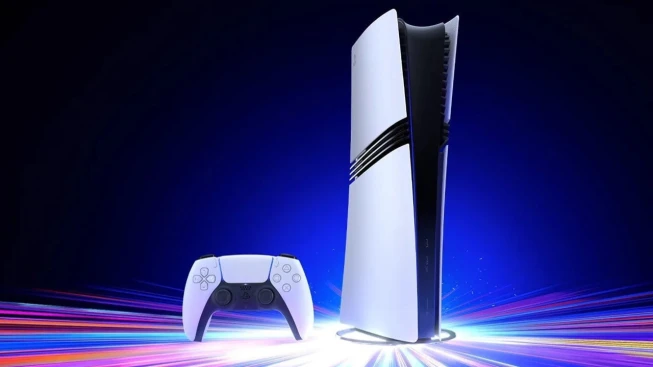
Sony still has major projects ahead that could help change that conversation, with Wolverine being one of the most important.
The Insomniac-developed game has recently received new previews, additional footage, and other looks at what players can expect when it eventually arrives. The response has been mixed, however, with some players excited about the game while others have criticized its similarities to Sony’s other first-party releases.
The new Wolverine footage has highlighted the familiar PlayStation formula that Sony has relied on throughout much of the PS5 generation. Its first-party studios have frequently produced third-person, over-the-shoulder, narrative-driven action-adventure games with exploration and cinematic presentation.
There is nothing inherently wrong with that style, and Wolverine appears to be using it in a way that could still produce an entertaining game. The concern is that when several major releases follow a similar structure, players can start feeling as though they are playing variations of the same experience.
Games such as Returnal have shown that Sony’s studios are capable of moving outside that formula, but those projects have been less common. For many PlayStation players, the biggest first-party releases have continued to emphasize similar perspectives, storytelling, combat systems, and overall presentation.
Wolverine is now receiving some of that criticism simply because it looks familiar at a time when players are asking for more variety. Even so, the new footage has also generated plenty of excitement, particularly among people who enjoy the X-Men universe and have been waiting for a major Wolverine game.
The situation became more complicated after James Stevenson, director of community and marketing at Insomniac Games, responded to some of the online criticism.
Stevenson discussed how social media algorithms can amplify negativity and described the constant stream of criticism as a relentless experience that he did not believe was good for developers’ mental health. His comments came as people were discussing aspects of Wolverine, including the Sentinel boss fight, comparisons with the older Wolverine game, and certain gameplay details shown in the previews.
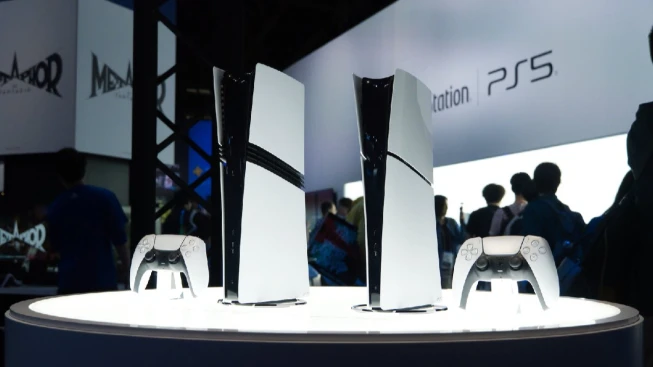
When a developer replies to criticism online, users can see that response as evidence that their comments are having an effect. Such interactions may make some users even more eager to continue the discussion. They know it has reached someone working on the game, rather than just moving on.
Such interactions can lead to a cycle where developers respond to criticism, users respond to the response, and the conversation spirals far beyond the original complaint. For a major upcoming game like Wolverine, that can make it harder for players to judge the product on its own merits.
The internet also makes the situation particularly difficult because criticism can quickly move beyond genuine concerns and into trolling. Developers are inevitably going to encounter people who dislike their work, make exaggerated claims, or simply want to provoke a reaction.
Responding to every comment does little to change those opinions and can instead keep the controversy alive. For Insomniac, the better approach may ultimately be to let Wolverine launch and allow players to judge the complete game rather than trying to settle every argument created by a short preview or gameplay clip.
While Wolverine is attracting attention, the bigger issue for PlayStation may be the PlayStation 6.
Rumors surrounding Sony’s next console have circulated for years, with reports and speculation pointing toward different launch windows and possible hardware configurations. A 2027 release has been discussed, along with the possibility of a handheld version alongside a traditional console.
The PlayStation 6 is obviously coming eventually, but the timing is becoming increasingly important. Sony must weigh whether there’s a good enough reason to shift gamers away from the PlayStation 5, given that the existing system has a huge audience and still has plenty of life left in it.
The company also has to figure out what the new hardware can do that the PS5 can’t already do. If the answer is mostly better graphics, frame rates, and other technical improvements, convincing players to make the jump could be a tough sell if the price gets too high.
The current hardware market makes that challenge even bigger. Tech firms are facing challenges from memory shortages, rising component costs, and demand from the burgeoning artificial intelligence industry. Those factors could affect the cost and specifications of future consoles, potentially making the PlayStation 6 pricier than previous generations.
The situation is especially difficult because Sony is also moving toward an increasingly digital future.
The planned end of physical games means that some customers who are most likely to purchase new hardware on day one could be among those most frustrated with the company’s strategy. Dedicated PlayStation fans have traditionally been important early adopters, but removing physical media could make some of them less enthusiastic about immediately buying a new console.
Another problem is the strength of the software lineup. The PS5 has been out for almost six years, and Sony has faced criticism for the pace of major first-party releases. If players are still waiting for more substantial releases on the current system, a new console may not automatically solve that problem.
The larger question is what a new generation is supposed to accomplish. Console generations used to bring obvious technological changes that allowed developers to create experiences that were difficult or impossible on older hardware.
For instance, the leap from the Super Nintendo to the Nintendo 64 was an important shift in the directions game design and presentation could go in. Similar jumps can be seen across other generations, but differences between modern consoles have become less dramatic.
The Nintendo Switch 2 is an interesting comparison, since the new system allows for some games to run at levels that weren’t feasible on the original Switch. Third-party developers can deliver more ambitious experiences, giving players a clearer reason to upgrade. Sony will need to provide its reason for the PS6 to exist beyond simply being more powerful than the PS5.
Cross-generation support could also become necessary because the PS6 may not have a substantial early-adopter audience.
If Sony's most dedicated players are already unhappy about the move away from physical media, asking them to pay a premium for a new console could make the transition slower. Developers may therefore have to continue supporting the PS5 for a considerable period after the PS6 launches.
For that reason, delaying the PlayStation 6 could potentially make more sense than rushing it into the market. If Sony hasn’t really decided when to launch, it can take more time to support the PS5, build out its software offering, and figure out what the next console actually needs to do.
A stronger PS5 library could also help Sony to generate more game and accessory sales without immediately needing customers to buy another expensive console. Sony could benefit from the current hardware base instead of focusing on the next-generation hardware.
The company must also consider the impact of their choices on consumer trust. Gamers have already grown frustrated, complaining that services, controllers, and hardware are all becoming pricier and the cost of staying in the PlayStation ecosystem just keeps going up.
Adding an expensive new console to that situation could make the problem worse if consumers do not see a clear benefit. Sony may therefore need to demonstrate that the PS6 is more than another incremental hardware upgrade before expecting players to embrace it.
All of this leaves PlayStation in a complicated position.
Wolverine has the opportunity to become a major first-party success, but the game is arriving while players are already questioning the variety of Sony’s releases and the company’s broader strategy. The PS6, meanwhile, does not appear to have a confirmed launch window, while the cost of developing and manufacturing new hardware is becoming more difficult to predict.
For now, Wolverine and the PS6 represent two different sides of the same problem. Wolverine needs to prove that Sony’s established first-party formula can still produce something players genuinely want, while the PS6 needs to prove that a new generation can offer more than improved specifications and a higher price.
Sony still has time to address both issues, but the company cannot assume that PlayStation’s existing reputation will carry it through every decision. As the move toward digital gaming continues and the next generation approaches, the choices Sony makes now could have a major impact on how players view PlayStation in the years ahead.
Editor, NoobFeed
Related News
No Data.