
PlayStation 6 Manufacturing Update: AMD, Samsung, and the Road to 2027
Early PlayStation6 engineering samples are expected to enable hardware validation, software optimization, and developer access ahead of full-scale production.
News by Masaru Hoshino on Dec 16, 2025
PlayStation 6 is about to reach an important moment. In January, early engineering models are expected to be made and manufactured. This step is very important because developers need to work with real hardware to begin testing and creating games.
At the same time, Sony needs these systems to be refined and optimized to deliver a better user experience before launch. Current rumors continue to point toward a holiday 2027 release window, assuming there are no delays.
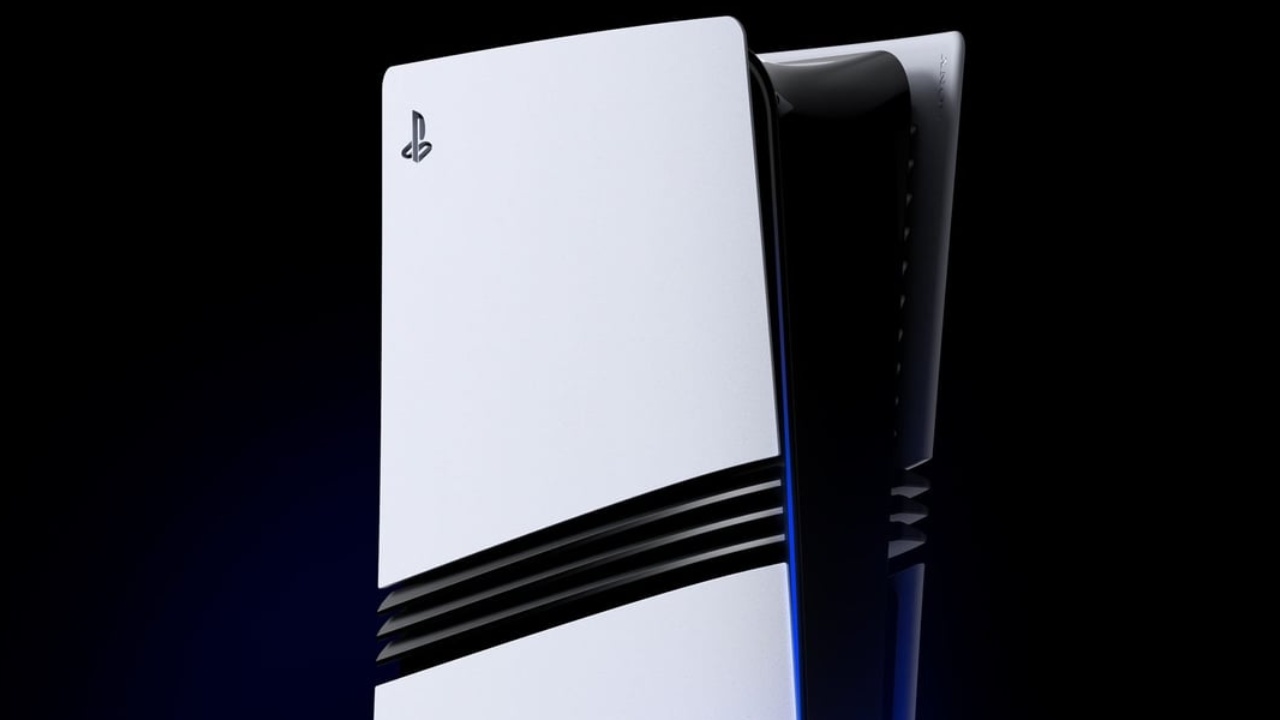
The wider industry, however, is facing significant uncertainty. Memory prices have surged dramatically, putting pressure on hardware manufacturers across the board. Nintendo is reportedly facing increased costs, Valve has announced new Steam Machines with unclear pricing and timing, and even long-standing rumors like Half-Life 3 are now being linked to instability in hardware and memory costs. All of this creates an unpredictable backdrop for the PlayStation 6's final specifications and release strategy.
There is some positive momentum emerging for Sony, AMD, and the broader semiconductor industry.
Samsung is reportedly in discussions with AMD regarding 2nm CPU manufacturing.
Until now, TSMC has dominated advanced nodes thanks to superior performance, but that dominance has come at the cost of limited capacity and rapidly rising prices. Companies such as Nvidia, AMD, and others rely heavily on TSMC, creating bottlenecks across the industry.
In parallel, Intel's foundry technology is also improving, adding more competition to the manufacturing landscape. Industry sources suggest that Samsung and AMD are evaluating whether Samsung's 2nm process can meet AMD's performance requirements, with a contract potentially being finalized around January.
While some believe this effort may be aimed at AMD's EPYC Venice server processors, others think it could be connected to future consoles, including the PlayStation 6 and its related hardware variants.
If Samsung can offer competitive yields and performance, it would help Sony get a more open and stronger supply chain. That's important because launching a system with insufficient stock on hand risks angering customers and leaving them disappointed by shortages.
Making consoles relies on many different things, not just the system-on-chip. This is why having multiple trustworthy partners in every part of the supply chain is very important.
One of the biggest threats to the prices of next-generation hardware is the rising cost of memory. According to reports, Nintendo will have to pay about 41% more for RAM in the new Switch 2, and NAND prices will go up by about 8% as well.
Console manufacturers typically negotiate long-term supply agreements to stabilize costs. Still, even those contracts can come under pressure when market conditions shift rapidly.
Valve is reportedly facing similar challenges. Half-Life 3 might be done soon, but Valve hasn't said anything because it's not sure about memory prices or how they would affect the cost of the new Steam Machines, according to reporters in the gaming business. Even though those systems aren't real game devices, they demonstrate how memory volatility affects both hardware and software releases.
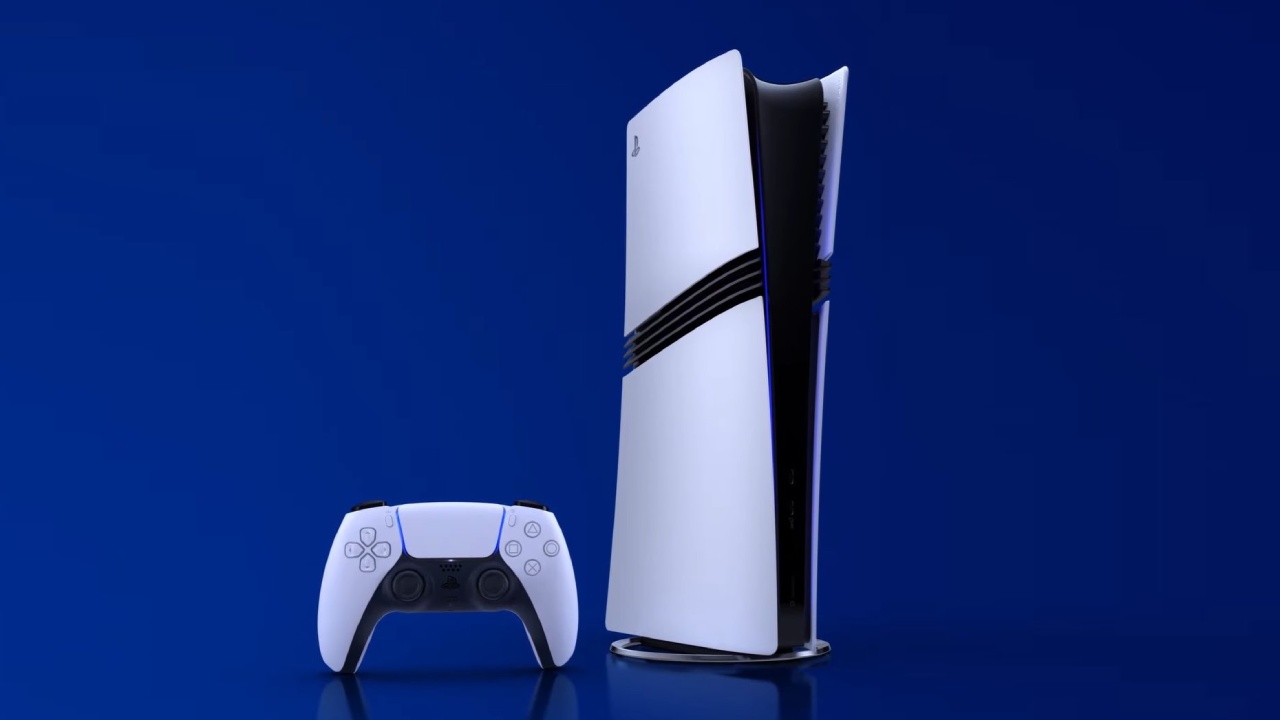
Over the past few months, many different ways to set up the PlayStation 6 have been discussed. Earlier estimates predicted 40GB of shared memory, but current information indicates there will be less.
At the moment, people believe that the main PlayStation 6 system will need about 30GB, and a PlayStation mini device will need about 24GB.
On the other hand, an Xbox console still in development is said to have 36GB of unified memory. This console is often called Magnus.
The prices also change a lot. When it comes out, the PlayStation 6 might cost about $600, according to some sources. Other expensive methods may cost a lot more. These differences reveal performance goals, design ideas, and how people perceive goods in the market.
Rumors say that the PlayStation 6 might have 7 to 8 Zen 6 CPU cores and 2 low-power Zen 6 cores. It might also have a 160-bit memory bus running GDDR7 at 32 GT/s. Rumors about RDNA5 say it will have 52 to 54 processing units and run at around 3 GHz, but the final clock speeds aren't set yet and might be higher.
It is believed that the new console will be compatible with PlayStation 5 and PlayStation 4. There are rumors that production will start in the middle of 2027, so that the release can be called a full 2027 release.
Thanks to big RDNA 5 improvements like dedicated ray tracing hardware, better memory compression, and new architectural features, some say ray tracing speed could approach that of very high-end PC GPUs. While rasterization performance may not reach the same heights, overall graphical capability is expected to be a substantial leap forward.
Power consumption is rumored to sit around 160W, which would be impressive given the expected performance gains. Node choice, on the other hand, is still very important. Some sources point to TSMC's 3 nm process, but others say that if performance and cost goals can be met, Samsung might be the next choice.
There is also interest in a possible portable PlayStation. It has been said that there are 16 UDNA compute units and 32 ROPs in the setup. It looks like a current AMD design, but it uses a newer architecture. Memory speeds are reported to be 9600 MT/s, and the chip includes a 16 MB cache to reduce memory latency and improve efficiency.
These specs make it clear that the most important thing is to find a balance between speed and power efficiency, which is very important for portable hardware. Final decisions, like those for the main console, will depend on memory prices and supply stability.
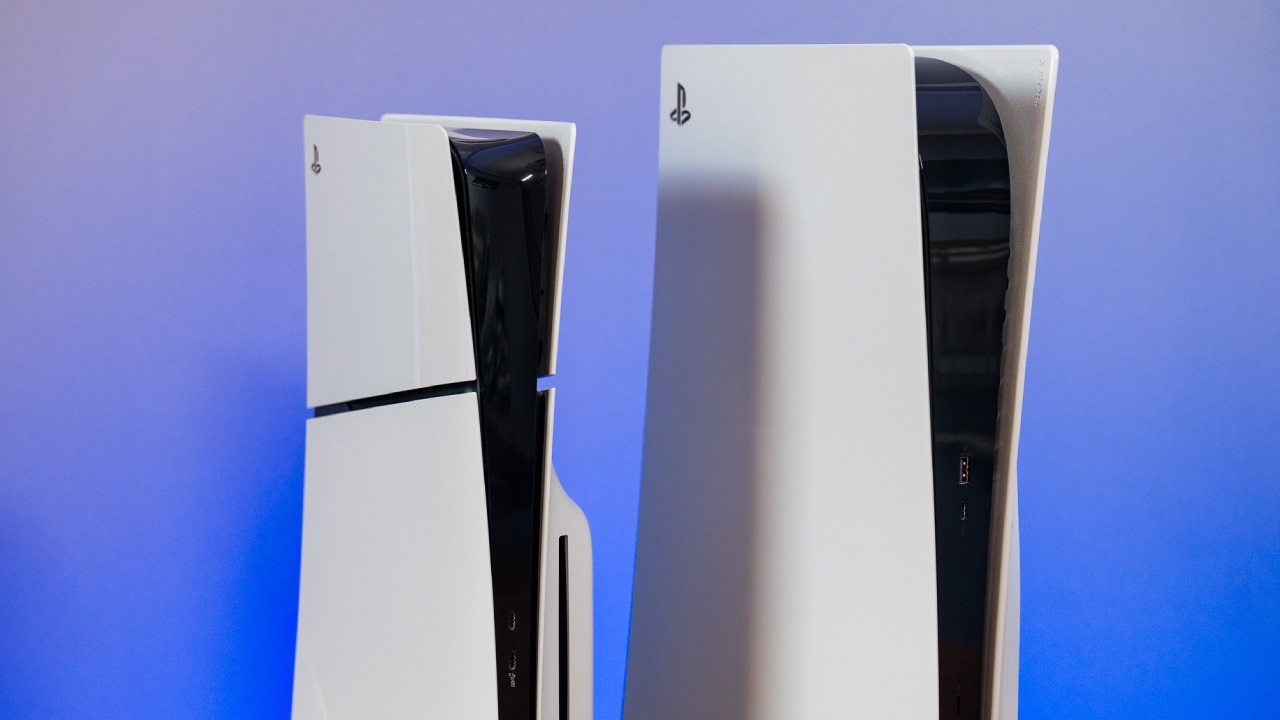
For gamers, the biggest unknown remains pricing. If memory costs continue to rise, Sony may need to reduce memory capacity or accept slimmer margins. There is also the possibility that Sony locked in favorable memory contracts well before prices spiked, which would help keep consumer prices in check. These deals are typically negotiated far in advance, not weeks before manufacturing begins.
We are now in a waiting phase. You might want to just wait if you already have a PlayStation 5 or a good game PC and not buy anything this generation. PlayStation 5 prices haven't gone up yet, which is good news from Sony. This is a sign that they are planning and managing their resources carefully.
In the end, the PlayStation 6 looks like it will be an amazing console, but memory markets, manufacturing partnerships, and broader industry conditions will have a big impact on how it turns out. If the prices level out, you might get a strong game console at a fair price. If not, compromises may be inevitable, not because of Sony's intentions, but because of the realities of the global hardware market.
Editor, NoobFeed
Related News
No Data.