
Saros Looks To Redefine Roguelike Challenge Without Leaving Players Behind
Housemarque adds smarter progression and more flexible challenge levels while keeping the core intensity the same.
News by Nusrat Choity on Mar 25, 2026
A studio that listens is comforting in a quiet way, and Housemarque seems to be doing just that with Saros. The new PlayStation 5 exclusive isn't trying to get rid of what made Returnal great; instead, it's changing the formula in a way that makes it feel friendlier without losing its edge.
Sources say that the company just recently released new information about how Saros is being changed to feel less punishing at first glance while still maintaining the same level of difficulty as its predecessor. Changes to how advancement works are one of the biggest ones. It felt like every run in Returnal was a fresh start, with only a few long-term improvements rolling over.
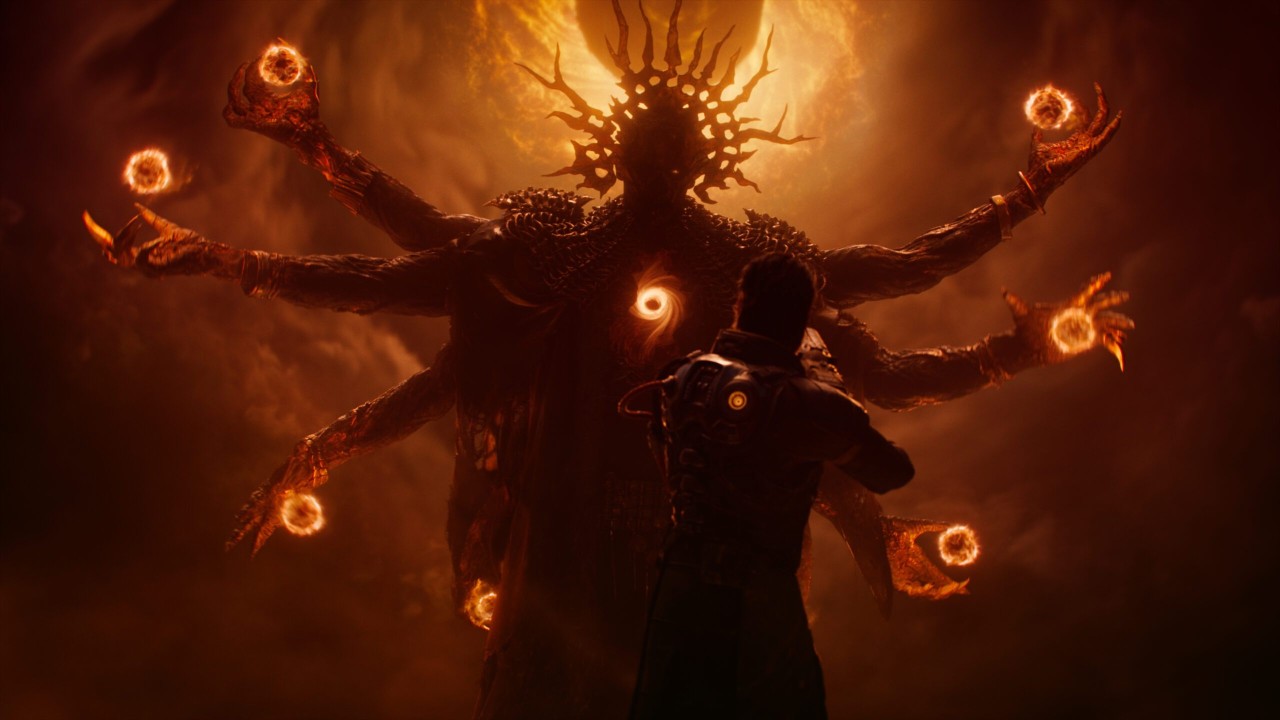
It was a true roguelike in every way, which meant that many players would run into a wall quickly. Saros goes in a different direction. This time, players will be able to use a real upgrade tree to buy permanent buffs and powers with in-game resources. This change gives each run more meaning, even when things don't go as planned.
It's not about making things easy, though. That's what Housemarque has said: the goal is to give players more power, not make the game less fun.
The challenge is still there; now there are more ways to solve it. Now, players don't have to keep trying things and failing until they find one that works for them. Instead, they can slowly build an edge that fits the way they play.
With the new modifier system in place, that sense of power stands out even more. Saros will let players change different parts of the game by using both positive and negative factors. Want to do more damage or make some things easier to handle?
It is possible, but there is a price to pay. For every benefit, there must be a downside, like corruption building up faster or fewer resource wins. The trade-off method keeps things interesting and makes players think carefully about each change they make.
The system's adaptability stands out here. Players don't have to stick with one experience. If someone wants a tougher task, they can turn down some upgrades or even turn them off completely. On the other hand, players who had trouble with Returnal's steep learning curve might finally be able to move forward without getting stuck.
It's an intentional choice that caters to all types of players, which is something not all games are able to do.
A big change has also been made to how the game deals with moving through its world. In Returnal, getting to later areas meant going back and doing earlier parts over and over again. In Saros, players will be able to go straight back to biomes they have already unlocked.
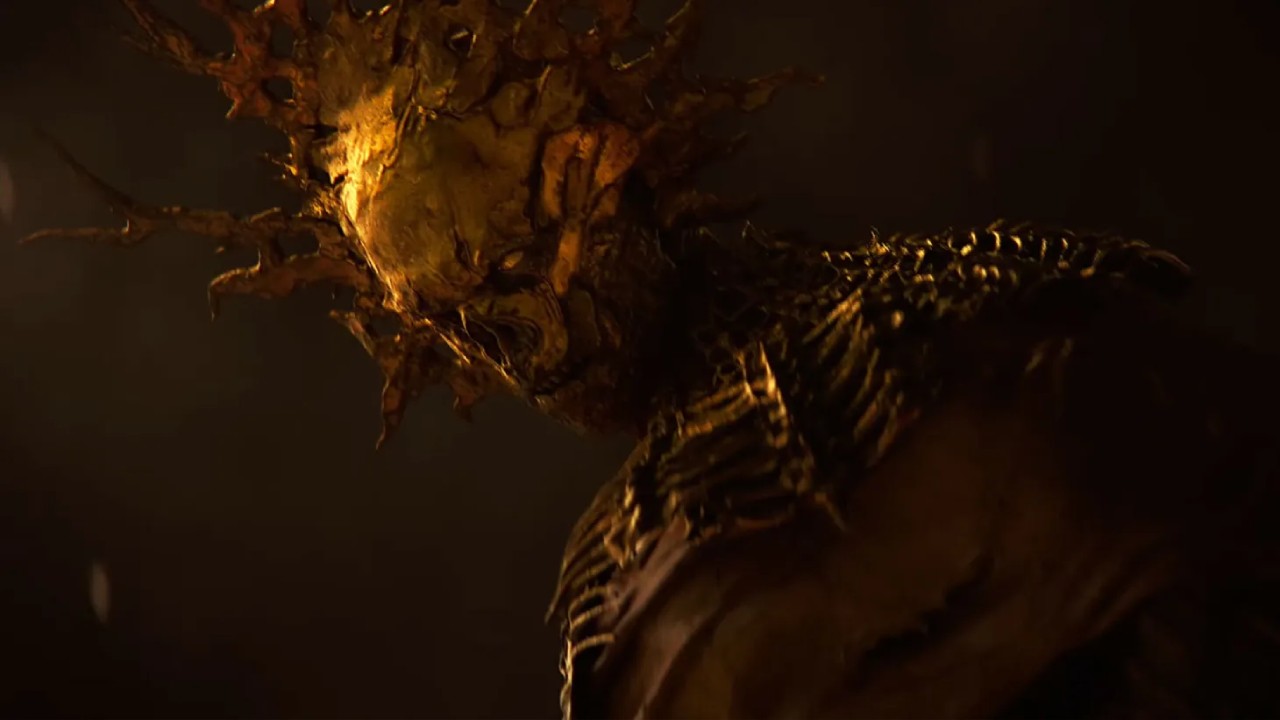
On paper, it's not a big deal, but over time, it might change how the game feels a lot. Focusing on the parts that mean more and repeating things less might be enough to keep players interested for longer.
This all shows that the game is moving in the right way. Saros doesn't seem eager to move away from its roots. There is still the tension, the danger, and the sense of having done something good. What's different is how players now get to enjoy those times. The path is now smoother and doesn't feel as harsh, but it still needs skill and care.
Saros looks like it will be more than just a follow-up, and it won't be out for long. It's an answer—one that thinks about what didn't work and what did work and tries to meet people halfway without changing who it is. People really want to know if this balance will work well when it's in their hands or if the difficulty that made Returnal what it was can't be lowered without losing its edge.
Contributor, NoobFeed
Related News
No Data.