
Silent Hill Franchise Could Go Annual as Konami Expands
Konami is openly aiming for yearly releases, with multiple teams working on different kinds of games to keep the series fresh without forcing every project into the same mold.
News by Adeela Tas on Aug 31, 2026
Konami’s plans for the franchise are becoming easier to understand. The company wants to move toward annual releases, and the latest comments suggest that several projects are already being developed behind the scenes. That does not necessarily mean every game will be a major blockbuster.
Instead, the idea appears to be building a rotation of different teams, settings, styles, and budgets so there is always something new in the pipeline. The return of Silent Hill has taken the series from being largely dormant to receiving several projects in a relatively short period, and the results have so far shown that different teams can bring something worthwhile to the name.
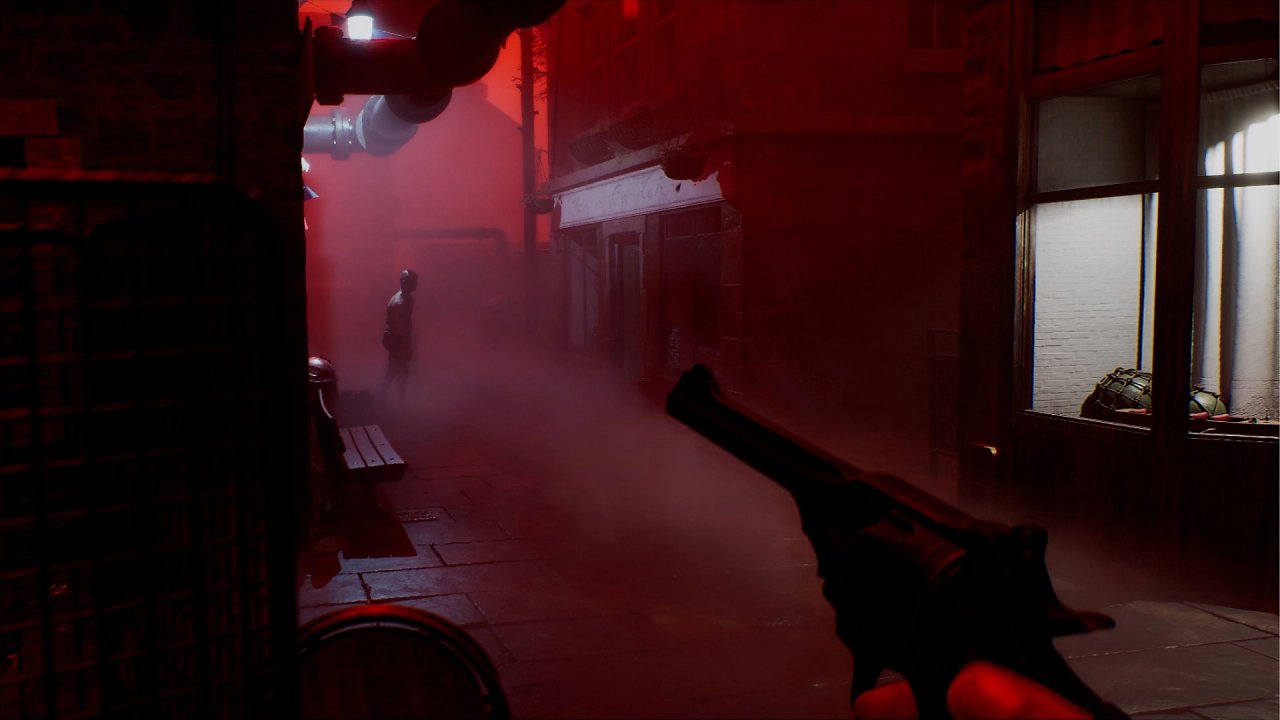
That approach could be risky, especially for a horror series where releasing games too often can make them feel repetitive. Still, you can see why the strategy is gaining support after the recent return of Silent Hill. The series has gone from being largely dormant to receiving several projects in a relatively short period, and the results have so far shown that different teams can bring something worthwhile to the name.
One of Konami's key figures overseeing the franchise recently explained that the goal is to release new games every year.
Motoi Okamoto pointed out an important limitation. If every project remains focused on the same American setting, the narrative possibilities could eventually become exhausted, and players could experience franchise fatigue. For annual releases to work, several games have to be developed at the same time. According to Okamoto, that process is already happening.
Konami has multiple unannounced projects under development or being explored, although the company is not ready to reveal exactly what they are. The broader goal is to give players different experiences rather than repeatedly delivering the same type of horror game.
Annual releases have a reputation for hurting franchises when publishers simply push the same formula out every year. Assassin’s Creed experienced that problem during its earlier period of yearly launches, while Call of Duty has also faced criticism as its annual cycle continues. Sports games can have an even harder time because yearly entries may not have enough time to introduce meaningful changes.
Silent Hill: Townfall is a good example of why a different approach can make sense. The project is expected to offer a noticeably different take on the formula, including a Scottish setting and first-person presentation. It is being developed by a smaller, respected team, which gives it a different identity from the larger projects that have already brought the franchise back into the spotlight.
You do not have to assume Silent Hill: Townfall will become a masterpiece for that model to make sense.
It can simply be another type of experience within the wider franchise. If it succeeds, Konami gets another successful branch. If it performs more modestly, that does not automatically mean the strategy has failed, particularly if the game was developed with a smaller budget and a different commercial target.
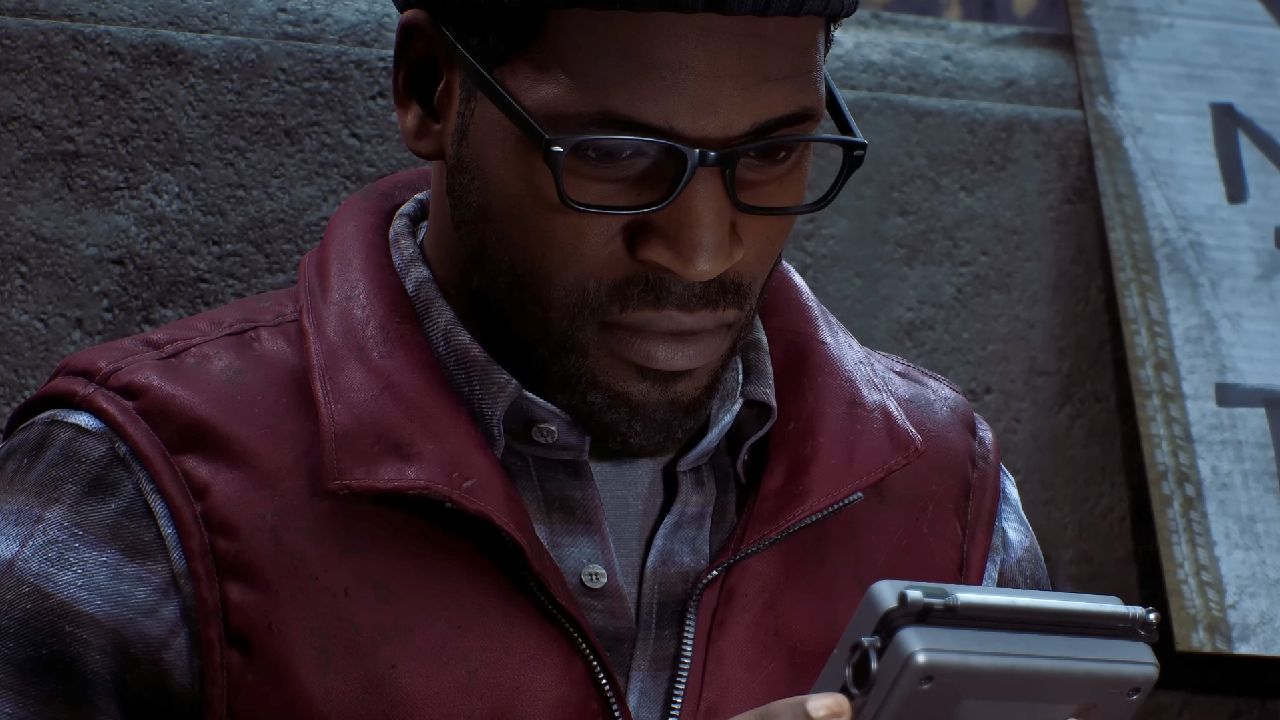
The recent history of the series helps explain why this feels possible now. Silent Hill 2’s remake helped establish the comeback, while Silent Hill f followed as a major new installment after a very long gap. The latter has also continued to attract discussion, with its reception potentially becoming stronger over time as players reassess what it brought to the series.
That does not mean every project will land. The franchise has already produced examples that were received poorly, including Silent Hill: Ascension. Silent Hill: The Short Message also divided players, while some fans have been unhappy with the approach taken by the limited physical release associated with another project. Those uneven results are almost inevitable when a publisher gives different teams more freedom.
Star Wars had a period in the mid-2000s when a huge number of games were released, and not every one was remembered fondly. Yet that same period produced games such as Star Wars: Empire at War, Star Wars: The Force Unleashed, Star Wars: Battlefront, and Star Wars: Republic Commando, several of which remain highly regarded.
Marvel offers another useful comparison.
Not every game connected to the brand becomes a hit, and Marvel’s Avengers is a clear example of a project that failed to meet expectations. At the same time, Marvel's Guardians of the Galaxy received strong praise despite weaker sales, while Marvel's Midnight Suns developed its own audience even though it also struggled commercially. Different projects can succeed in different ways.
That is the kind of expectation that could make Konami’s plan healthier. A new release should not always be judged against the sales record of the previous one. If Silent Hill 2’s remake sells several million copies and the next major release does even better, that does not mean every following game needs to keep setting a new record.
The constant expectation of bigger numbers can become damaging. You can see this across the industry, where a game selling millions of copies can still be treated as disappointing if it does not exceed the previous entry. Eventually, that mindset creates pressure that a franchise cannot sustain.
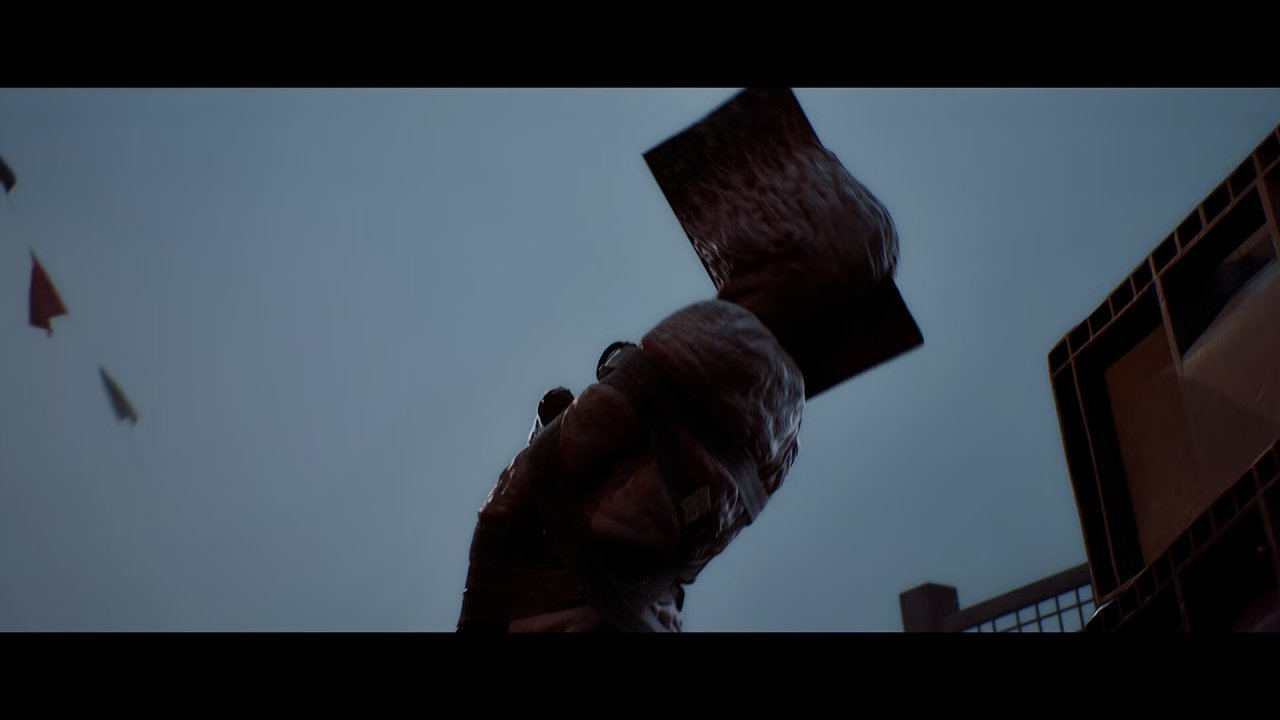
For Konami, the more useful goal may be keeping the series active while accepting that different games will have different audiences. Silent Hill: Townfall could sell less than Silent Hill f and still be a successful part of the plan. Another project could perform unexpectedly well. One might receive stronger critical attention than commercial results, while another could become a sales leader despite being less widely praised.
The possible schedule also gives you an idea of how this rotation could work.
A remake of the original game is widely expected to be one of the next major projects, potentially filling the next annual window. Beyond that, the team behind Silent Hill f would likely need several years before returning with another full game. That leaves room for other teams to occupy the intervening years.
This creates three useful lanes for the franchise. You can have new mainline-style experiences that push the series forward, remakes that revisit older games, and smaller or more experimental projects that try something outside the usual structure. Keeping those lanes active could give Konami a way to release games regularly without demanding that every developer follow the exact same formula.
The same philosophy appears to be influencing other Konami properties. Castlevania has started returning through a mix of collections and new releases, while Metal Gear has received multiple remastered collections and a remake. Those franchises still need more completely new games, although expectations surrounding their past creators make that complicated.
Budget is another major reason the annual strategy could work. Not every project needs the kind of enormous investment associated with the biggest AAA releases. A smaller game can have a much lower sales target and still make money. If a project such as Silent Hill: Townfall only needs to reach roughly one or two million copies to become profitable, it does not have to compete directly with the biggest releases in the franchise.
Instead of rushing two studios to produce another huge game on a fixed cycle, Konami can potentially keep several teams moving at different stages. One studio can be finishing a release while another develops its concept and another prepares a remake.
Managing that many projects will not be simple.
Coordinating several teams, maintaining the identity of the franchise, and making sure each game still feels connected to the broader series will require careful oversight. The more projects Konami adds, the more opportunities there are for something to go wrong.
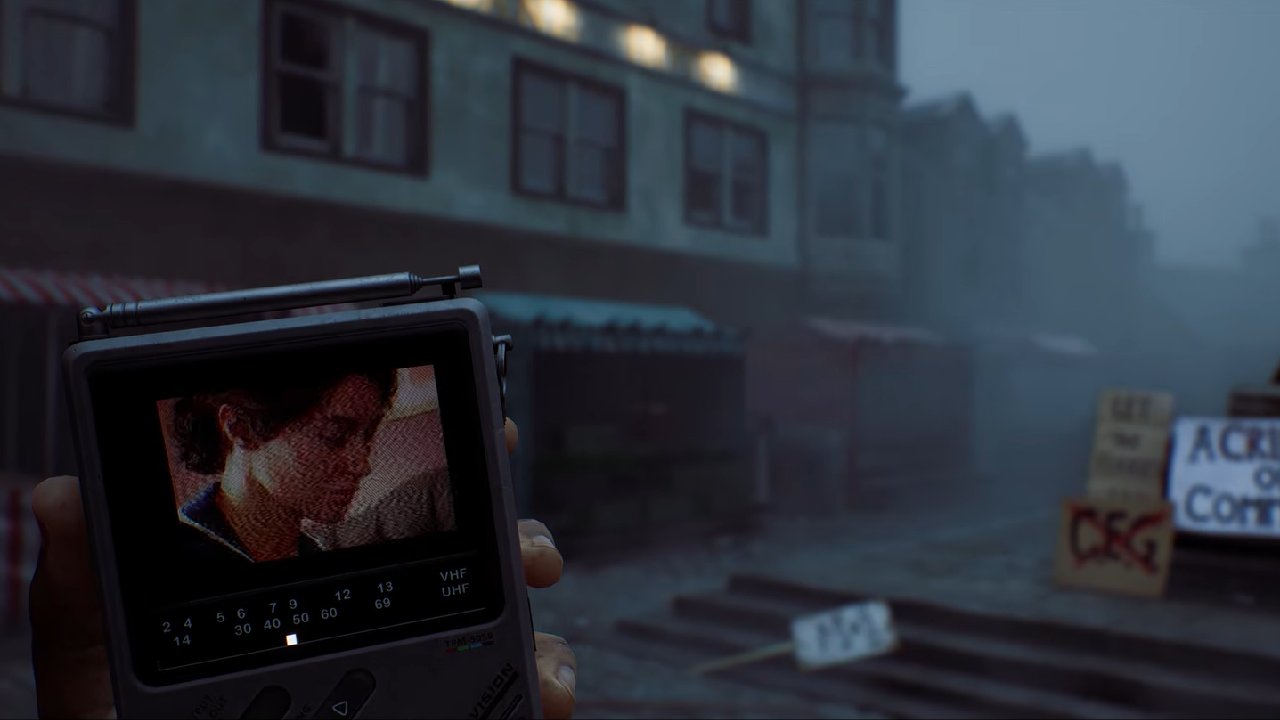
Still, the current direction suggests the company understands that risk. The aim is not simply to make the same game every year. It is to build a franchise where different developers can experiment while a central team makes sure those experiments still belong under the same name.
If Konami can maintain that balance, yearly releases may actually benefit Silent Hill. You get more variety, developers get room to create something distinctive, and smaller projects do not have to carry the sales expectations of the biggest entries. Some releases will inevitably miss the mark, but the strategy does not require every single game to become the next phenomenon.
For now, the important takeaway is that Konami appears to be treating Silent Hill as a long-term franchise rather than a series that only returns for occasional major releases. With multiple projects reportedly moving forward and different teams taking different approaches, the next few years could establish whether that annual model can maintain quality while keeping the series active.
Editor, NoobFeed
Related News
No Data.