
Sony Losing Money with PlayStation 5 but Winning Hearts
Sony shocks fans by keeping the prices of the PS5 the same while betting big on the PS5 Pro's ability to make money.
News by Nusrat Choity on Aug 05, 2025
Sony has done something bold that has surprised many people in an industry where prices often go up when costs go up. People say that the standard PlayStation 5, which was thought to have made a profit, is now being sold at a loss again. Sony's manufacturing costs have increased as the prices of parts, especially GDDR6 memory and semiconductor wafers, have increased.
This means that what was once a profitable machine is now a costly investment. Sources who know about Sony's internal finances say that the standard PS5 was only profitable for a short time. But now that production costs have gone back up, that window has closed.
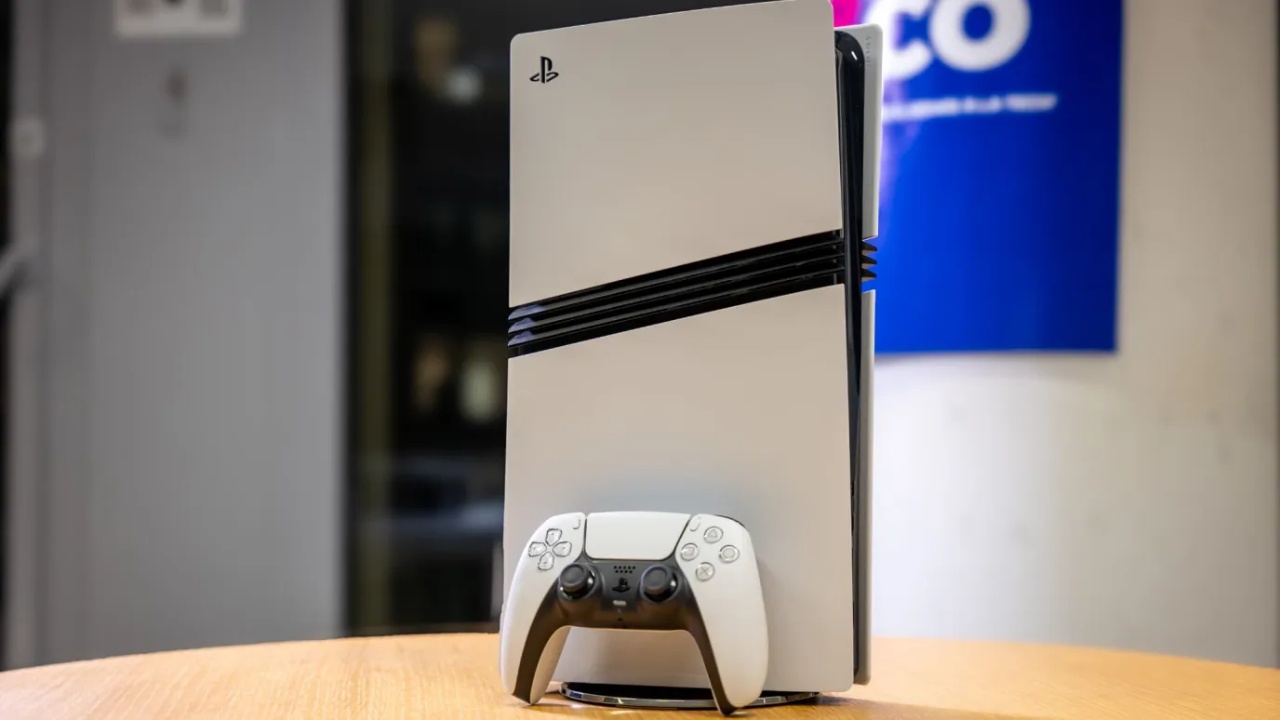
Instead of raising prices like other companies have done, Sony has done the opposite and kept the base PS5 affordable, especially when compared to competitors like Nintendo and Microsoft. Both competing platforms have raised the prices of their hardware in different areas, but Sony has mostly stayed away from doing so.
Of course, this strategic choice isn't entirely selfless. The console business has never been just about the hardware. It's the games, services, and accessories that keep players interested. Sony might be losing money on every PS5 it sells, but it's making up for it with game sales, PlayStation Plus subscriptions, and accessories. The ecosystem is still strong, which gives Sony the confidence to lose money on its central console.
Meet the PlayStation 5 Pro, the high-end member of the family. Reports from insiders say that this is the only PlayStation hardware that is currently making money, and it costs a lot: USD 700. Many people were surprised by how much it would cost when it was first announced. But now, that price seems fair and well-thought-out. Experts and fans of hardware had already said that the Pro model would be profitable, and Sony has confirmed those guesses by using it to balance the PS5 portfolio.
This plan to use two consoles is working. The standard PS5 is a good deal for new users, but the PS5 Pro is for people who are willing to pay more for better performance. It's a classic high-low strategy, but it works best when there are a lot of both types of players in the market. And since demand is still high, stores often run out of both models—Sony's bet seems to be paying off.
At the same time, it's hard to ignore how different this is from Microsoft's Xbox strategy. Reports say that the Xbox Series X uses a smaller system-on-chip (SoC), which helps keep the cost of making it lower. Xbox may now be making money on a per-unit basis, along with higher prices at retail. But Microsoft's console isn't selling as well as PlayStation's, which makes any per-unit profit less critical. Even though Xbox is making money, it isn't selling as fast as the PS5 is.
This puts Sony in an exciting spot. People used to think that PlayStation was the company that would do anything to make money. Now, though, people praise it for being more customer-friendly. Selling the base PS5 at a loss, not raising prices too much, and still making money off of its larger ecosystem paints Sony in a surprisingly good light.
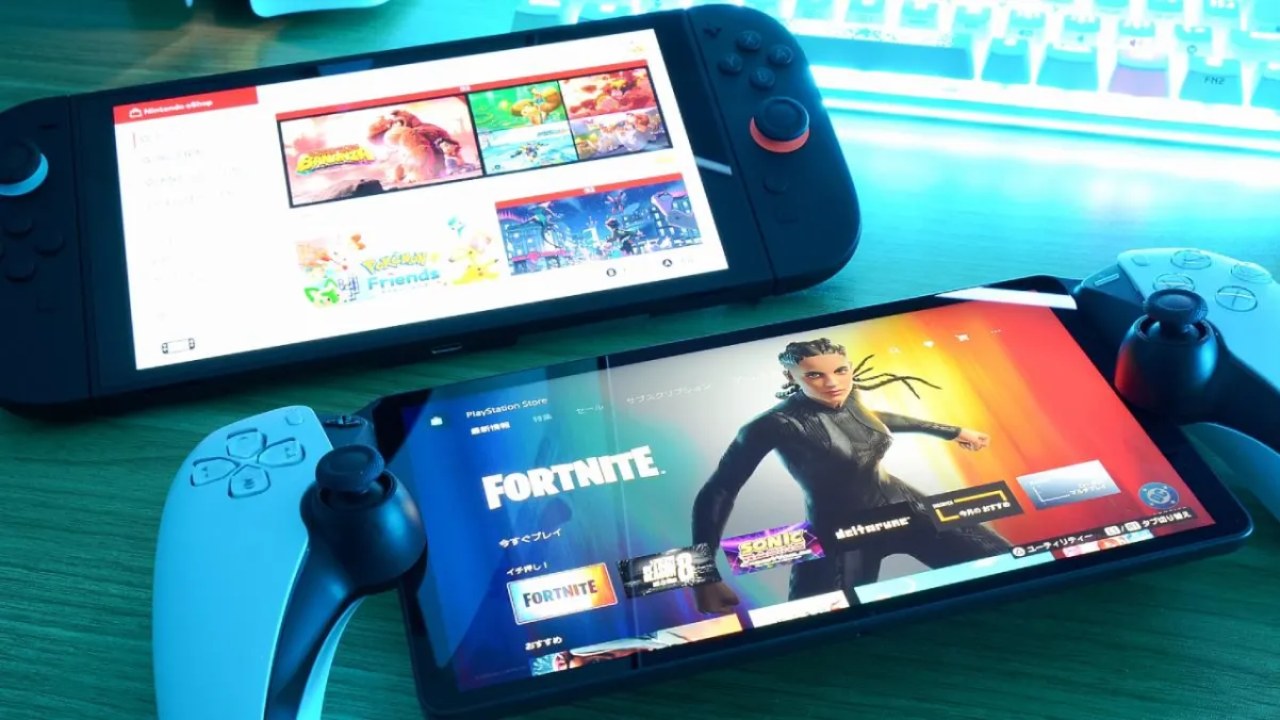
Of course, none of this would matter if the games and services weren't doing their jobs. But Sony's first-party exclusives, partnerships with third parties, and growing digital offerings are still bringing in players. It's a reminder that the hardware is just the door; what matters most is what happens after you open it. And it looks like Sony knows this very well.
The PlayStation 5 Pro's ability to make money is also a sign of bigger trends in consumer tech. Products for enthusiasts often have higher profit margins, and Sony is betting on a group of gamers who are willing to pay for a better experience. These users not only buy the Pro console, but they also spend a lot of money on accessories, better controllers, VR gear, and a library of top-tier games, all of which help the PlayStation ecosystem grow.
Interestingly, Sony has gone against what people thought would happen with pricing and hardware releases, while Nintendo and Xbox have stuck to more traditional paths. Instead of raising prices to make up for losses, it's focusing on volume and ecosystem strength. This method may not work forever, but for now, it is keeping the brand at the top of its game.
Still, it makes you wonder how long Sony can keep this up. Will parts in the future get even more expensive, making it necessary to change the plan? Or can Sony keep making money from digital sales and accessories to offset the losses on its hardware?
And more importantly, will fans keep buying Sony's current approach, or will the market's patience run out if hardware losses start to hurt too much?
Contributor, NoobFeed
Related News
No Data.