

Steam Machine Price Starts at $1,049, No Controller Included
Valve's long-awaited gaming PC console has finally shown its price tag, and it's not what anyone was hoping for.
News by Adsey on Jun 23, 2026
The Steam Machine price is officially out, and the short version is that it is going to be a tough sell. Valve just pushed the details live, and the sticker shock is real. Starting at $1,049 for the 512-gigabyte model, the Steam Machine price alone is enough to raise eyebrows, but here is the kicker: that entry price does not even come with a controller.
If you want the Steam Controller bundled in, you are looking at $1,128. So right out of the gate, you are crossing the $1,100 mark just to get what most people would consider a complete setup. And if storage matters to you, the 2-terabyte model bumps the Steam Machine price up to $1,349, with the controller-included version landing at $1,428. To be fair, storage costs are genuinely brutal right now.
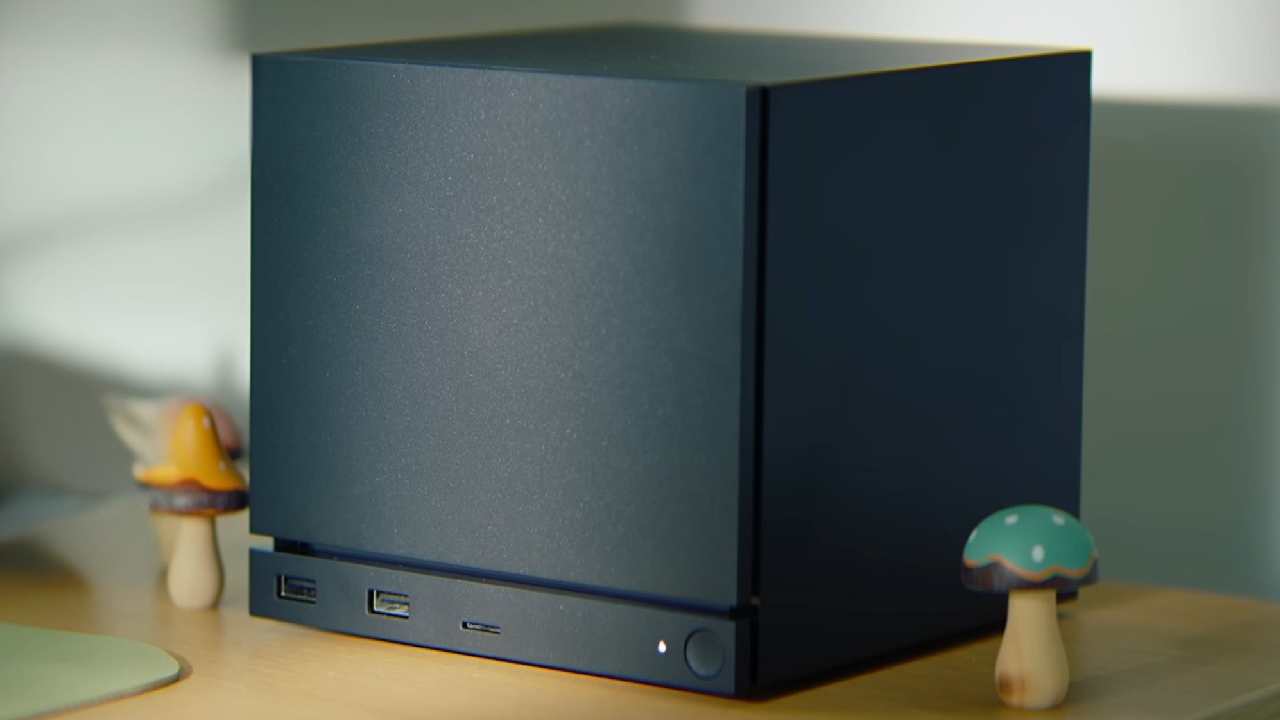
Even a 1 terabyte NVMe drive is running north of $150, so the jump in price between the two models does make a bit of sense on paper.
There is even a PS5-branded NVMe drive where the 8 terabyte version goes for over $3,000, which puts things into perspective. But knowing why something is expensive does not make it easier to swallow. The way Valve is handling orders is also a little unusual. Rather than a traditional storefront launch, it sounds like you sign in, throw your name in the hat, and get randomly selected.
So even if you want to spend over $1,000 on this thing, there is no guarantee you even get the chance to. Now here is where the Steam Machine price situation gets really uncomfortable. Early comparisons are already putting it up against the base PS5, and the numbers are not flattering. The PS5 Pro, which is widely considered the premium console option right now, actually comes in about $100 cheaper than the Steam Machine.
Once you factor in a controller, that gap widens to somewhere around $200. That is a hard position to defend when the comparisons are this direct. The specs are what they are. You are getting an AMD Zen 4 chip with six cores and twelve threads, paired with a semi-custom AMD RDNA 3 graphics solution with 28 compute units, which lines up roughly with an AMD 7600M.
Valve is advertising 4K output, but a lot of that leans on FSR upscaling rather than native resolution. AMD did push out an FSR 4.1 update that apparently supports the 7000 series GPUs, so that is something. But for PC gaming enthusiasts who know what they are looking at, the specs feel limiting for what you are paying.
The thing is, the Steam Machine was supposed to be the moment PC gaming broke into living rooms in a real way.
When Valve first showed it off, the chatter around pricing had people thinking $500 or $600 was realistic. Then the market did what the market does. Valve itself has pointed to how the Steam Deck jumped 30 to 40 percent in price since its launch as a way to contextualize where the Steam Machine price ended up.
Do the math from where the Steam Deck started, and it starts to look like Valve may have originally been aiming somewhere in the $700 to $800 range. And honestly, at $699 without a controller and maybe $760 to $770 with one? That is a completely different conversation. It would still come out above the base PS5 price, but land below the PS5 Pro, and you would not be dealing with online subscription fees on top of that.
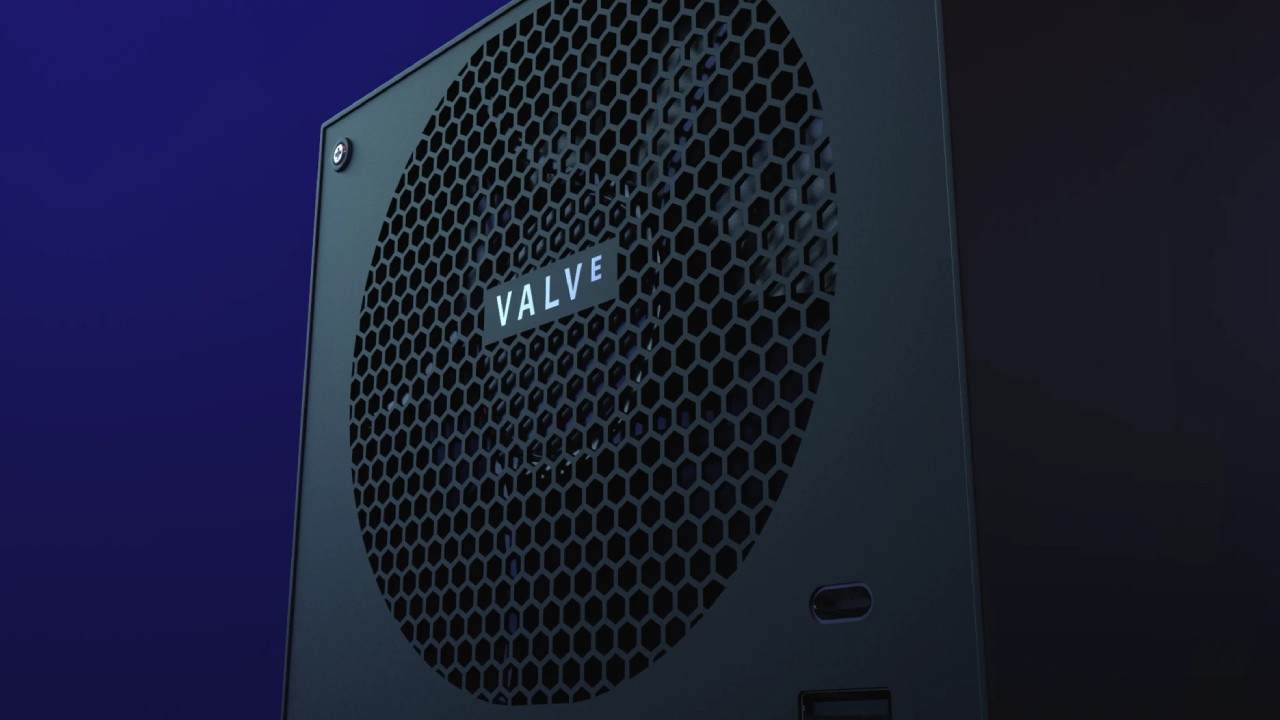
There is a real argument to be made there. At $1,000-plus, that argument mostly falls apart. The enthusiast crowd is not going to bite either. Anyone who is serious about PC gaming already knows that you can put together a small form factor build using an ITX board with DDR4 memory, spend the same budget on a better GPU, and walk away with a machine that outperforms the Steam Machine.
You could probably do it for less. So the people who would actually appreciate what the Steam Machine offers are the same people most likely to just build their own. And for the mainstream buyer who does not want to deal with building anything? The Steam Machine price is just too high. It does not sit comfortably next to consoles, and it does not justify itself against custom builds. It ends up in a middle zone where neither audience really feels pulled in.
Valve has been clear that they are not interested in subsidizing the device the way Sony and Microsoft historically have with consoles.
They want to make money on the hardware, or at the very least not lose it. With where component costs sit right now, they may not even be doing that well. The Steam Machine might be selling at a slim margin regardless. There is also the timing problem. Sony and Microsoft are both expected to show up with next-generation systems in 2027.
Microsoft's Project Helix, built around the Magnus chip, could potentially run Steam and Windows natively and outperform the Steam Machine outright. The PlayStation 6 is looking like it lands around the $1,000 mark, but it is expected to be significantly more capable. So if you are spending over $1,000 today, you might just be better off waiting another year or so to see what those platforms bring.
The Steam Machine will almost certainly sell out. Resellers will push it even higher, and the hobbyist crowd will eat up the first wave. But once that initial enthusiasm cools, long-term demand is genuinely hard to see at this price point. It is a rough situation for Valve, especially given the excitement that surrounded the Steam Deck and what it did for portable PC gaming. The Steam Machine had a real chance to do something similar for the living room, and the price is the main thing standing in its way.
Editor, NoobFeed
Related News
No Data.