
Switch 2 Quietly Prepares for Voice-Controlled Gaming
New voice recognition software hints at hands-free features and broader accessibility on Nintendo’s next console.
News by Nusrat Choity on Jan 09, 2026
Nintendo's next-generation hardware is once again in the news, but this time it's not for flashy videos or big game announcements. Instead, it's for a feature that was quietly announced that could change how people play games. Speech command recognition software has been officially released for the Switch 2, according to the sources.
This means that speech commands can be used to play games and interact with the system. The release didn't get a lot of attention, but it could have big effects on both developers and players. Sources say that Hitachi released its own voice recognition software called Ruby Spotter for the Switch 2 on January 7.
.jpg)
Voice-based features that use the console's built-in microphone can be added by makers using the software. Unlike earlier attempts to use voice input in games, Ruby Spotter is made to work consistently without a headset. This means it can be played either on the go or when docked. This makes it seem like Nintendo sees voice commands as an extra feature that can be added to regular controls, rather than something that can only be used with certain devices.
The technical reach of Ruby Spotter is one of the things that makes it stand out.
The sources say that the software works with more than 40 languages and is designed to keep recognizing words accurately even when there is a lot of background noise. Processing takes into account background music, sound effects, and other background noise to make sure that spoken orders are not lost during gameplay.
The most important thing is that Ruby Spotter is said to use very little CPU and memory, so it can work without slowing things down. This may be a very important feature for a hybrid console like the Switch 2, where efficiency is important.
This feature naturally makes me think of Nintendo's earlier attempts to use voice control, but the technology explained here seems to be much more advanced. Sources say that the system can filter out background noise in real time. This is a feature that can be found in modern controllers and chat systems, but it has now been tailored to work with in-game orders.
This means that the software can be used in busy places where constant audio input could make it hard to recognize things correctly. Voice recognition on the Switch 2 may be most useful for making things easier to reach, rather than just being fun. Sources say that developers could use Ruby Spotter to let players use talk alone to move through menus, start actions, or make choices.
This could make things a lot easier for players who have trouble with standard control schemes that use a lot of buttons. Visual novel-style games, adventure games, and games with menus would all benefit from having this feature, which would let voice be used as either the main or secondary input way.
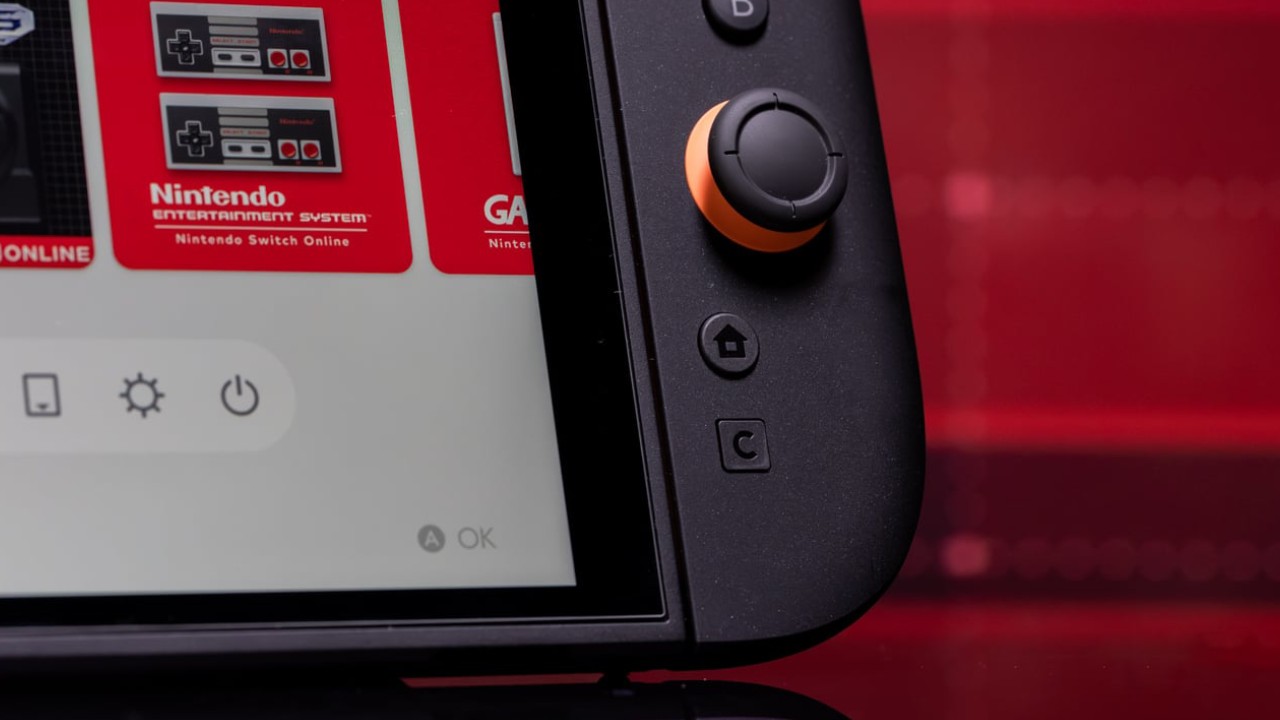
The fact that the Switch 2 has a built-in microphone makes this option even stronger. Sources say that the console already does a good job of capturing voices through its chat features, even in places with some background noise. When developers add Ruby Spotter on top of this hardware base, they might be able to try out hands-free experiences that don't feel awkward or extra.
Voice-controlled dialogue options, tactical orders, or even simple system navigation could stop being just cool ideas and start being useful.
From the point of view of the whole business, the timing is interesting. Voice recognition is becoming more popular in everyday technology, like smart assistants and car systems, but it hasn't caught on much in games yet. The sources say that Nintendo's strategy is less about show and more about dependability and adaptability.
Nintendo may be encouraging developers to try out voice features without a lot of technical risk by giving them a low-cost, multilingual option that is directly connected to the console. There's also the matter of how often this function will be used. Sources say that Ruby Spotter is a tool that developers can use, not a system-wide control way that has to be used.
This means that creative implementation, not platform regulation, will play a big role in adoption. Some games may make heavy use of voice prompts, while others may not use them at all. Still, the fact that this kind of technology was available at launch shows that Nintendo is at least getting ready for a future where voice input is used in a variety of styles.
As the Switch 2 continues to take shape, this news adds another layer to Nintendo's changing approach to design. Instead of just going after raw power, it looks like the focus is on engagement, ease of use, and adaptability. Voice recognition might not be what makes a system unique by itself, but it could improve the way people play games in a subtle way, especially when used with regular controls.
Developers can now try new things, and players are becoming more open to using different input methods. The real test will come when voice-enabled games come out. Will this technology finally make voice commands feel normal in games, or will it stay in the background until the right big-name game comes out and makes it a star?
Contributor, NoobFeed
Related News
No Data.