
Tencent Rejects Sony's Claims Over the Horizon Franchise...For Solid Reasons
While Sony takes Tencent to court over a supposed Horizon clone, the huge IP quietly celebrates a huge sales milestone and a brighter future.
News by Nusrat Choity on Aug 01, 2025
What happens when a series that is known for its great graphics is said to have been copied in a not-so-subtle way? It looks like you get a lawsuit that could change how intellectual property fights are fought in the future. Sony has officially sued Tencent in a California federal court for copyright and trademark infringement. The center of this legal drama is Tencent's upcoming game, Light of Motiram.
The lawsuit says that Light of Motiram isn't just based on Sony's Horizon series; it's a "slavish clone." Sony says that the game is too similar to Horizon: Zero Dawn and Horizon: Forbidden West in terms of both its looks and its gameplay systems, making it hard for regular people to tell the two apart. In a twist of corporate irony, the lawsuit also shows that Tencent had already asked Sony to work together on a Horizon project. Sony said no, and not long after, Light of Motiram started to appear under Tencent's name.
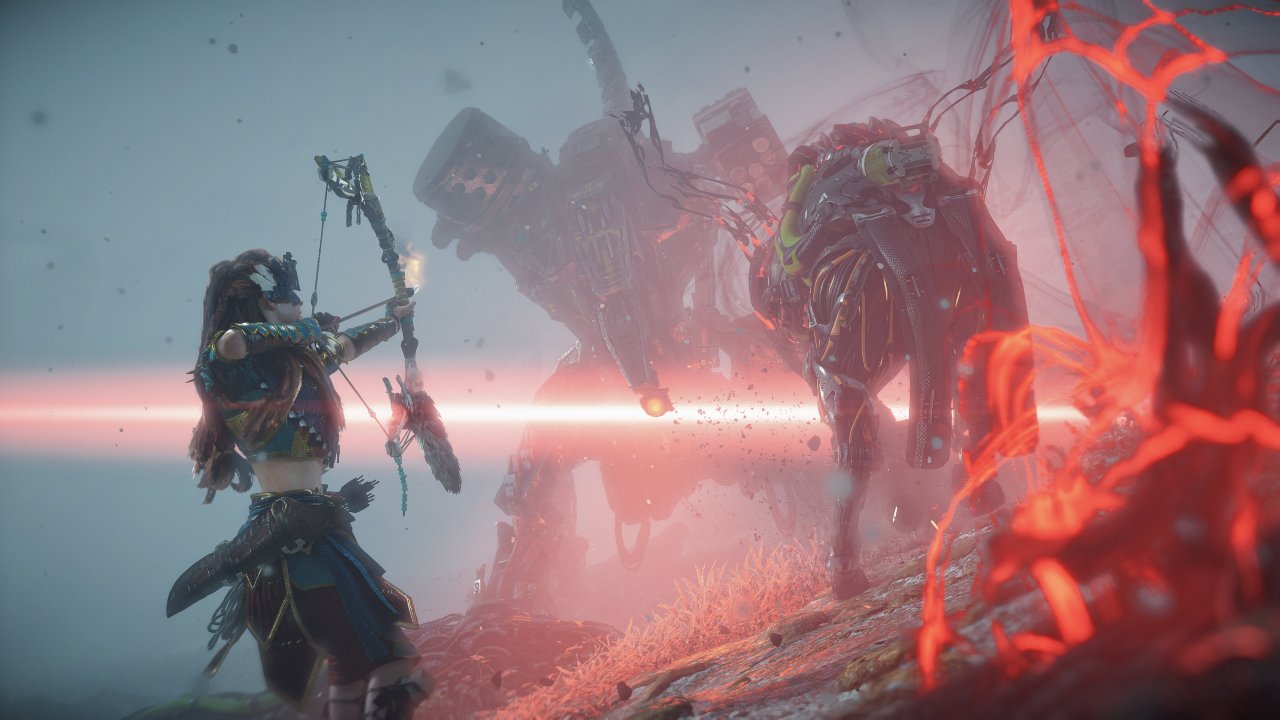
Sony's point of view is clear: Tencent knew what it was doing, and the result is a clear copycat move. The complaint points out that Tencent's game copies not only the beautiful, open-world graphics but also essential gameplay elements like robotic animals, archery-based combat, and tribal-futuristic settings. Sony doesn't seem to be very happy about imitation, especially when it comes to one of their most popular modern franchises.
Coincidentally, or maybe not, Sony used this chance to talk about a significant milestone for Horizon in their legal papers. It is now one of the most successful PlayStation IPs of all time, with over 38 million units sold worldwide.
The last official sales report, which came out in April 2023, said that the total was 32.7 million. That means that since then, more than 5 million more copies have been sold. A lot of that growth can be traced back to PC ports, the ongoing sales of Horizon Forbidden West, and the surprisingly popular LEGO Horizon Adventures. It's not surprising that Sony is very protective of the franchise now that these new games are reaching more people and platforms.
Horizon is now on par with some of the biggest names in gaming when you look at Sony's larger first-party lineup. Gran Turismo has sold more than 90 million copies over its lifetime, God of War has sold about 66 million copies, and Marvel's Spider-Man has sold more than 50 million copies. The Last of Us, which is often thought of as a high-end PlayStation brand, has 37 million copies sold, which is just below Horizon.
So when critics say that Horizon doesn't have much of an impact on culture or is "forgettable," the numbers tell a different story: a lot of players are interested, they keep playing, and it appeals to more and more platforms.
It's not just about Light of Motiram; the lawsuit against Tencent is also about making a point. If a game can take a lot from another game's art style and mechanics without getting in trouble, where is the line? It looks like Sony wants to draw that line in bright, neon colors. Their lawyers say that Light of Motiram is a direct threat to Horizon's uniqueness and value, especially since there was a rejected partnership proposal and then a product that looked almost exactly like it.
The sources say that the visual and gameplay similarities are too close for comfort. Both games have huge landscapes full of mechanical beasts, female main characters who are good at archery and stealth, and post-apocalyptic settings that mix high-tech tribalism with other elements. Sony thinks this isn't a coincidence; it's a planned copy.
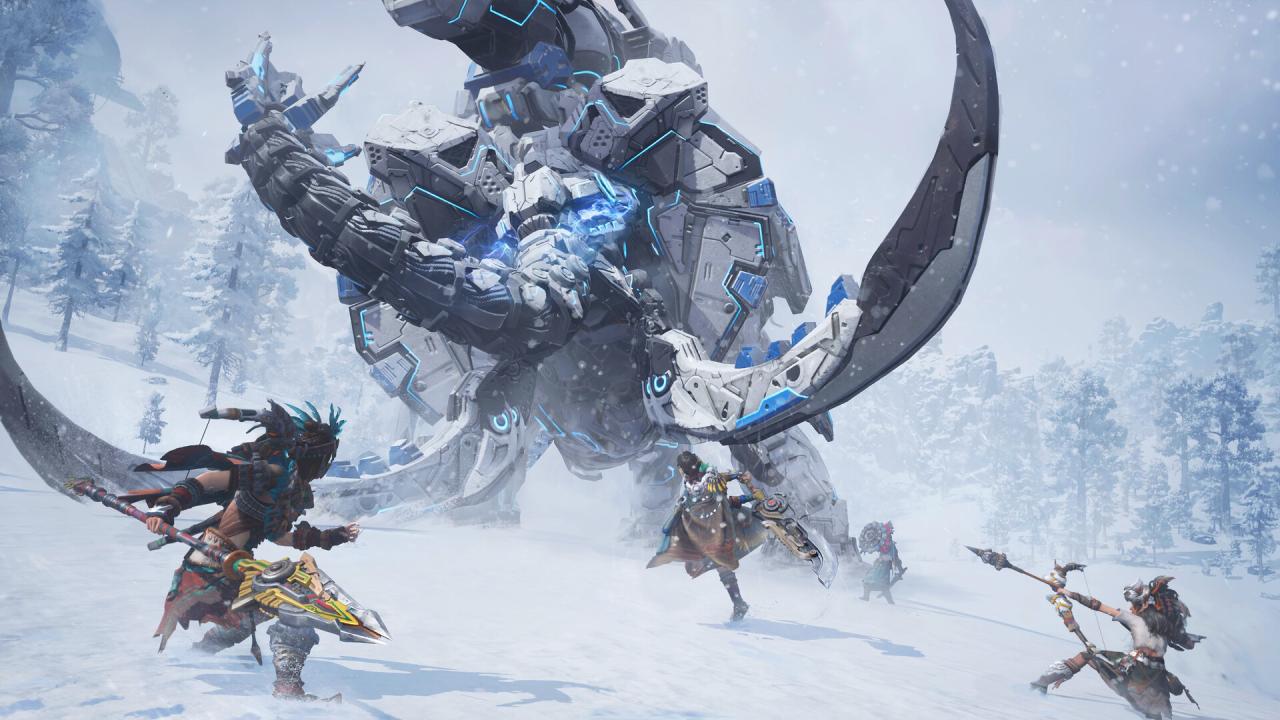
The courts will ultimately decide if Tencent broke the law, but the case itself brings up important issues for developers, publishers, and fans alike. As game worlds get more interesting and immersive, it's even more critical to own ideas, whether they are visual, thematic, or mechanical. For Sony, protecting Horizon isn't just about one lawsuit; it's about protecting an ecosystem they've been building for almost ten years.
Even though there is a lot of legal drama going on, the Horizon IP doesn't seem to be slowing down. In addition to the impressive sales figures, the franchise has several projects in the works. These include a rumored Horizon 3, a multiplayer spin-off that is live-service, and the possibility of continuing to work with outside studios on side projects like LEGO Horizon Adventures.
The franchise's recent growth shows that it is moving in the right direction. PC ports have made the games available to more people, and unique spin-offs like the LEGO version have brought Aloy's world to younger players. It looks like Sony is going to make Horizon a multimedia powerhouse, like what Nintendo has done with Zelda and Mario.
Horizon has become a key part of Sony's brand identity, and they want to protect it from people who might try to copy it. So, the lawsuit isn't just a way to protect yourself. It's a warning to the industry: if you try to copy Horizon, get ready for the storm.
Sony is both fighting and celebrating right now, with courts getting busier and sales going up. If Sony gets its way, Light of Motiram may still see the light of day, but it will do so with a legal cloud hanging over it. The big question now is whether this lawsuit will change how studios "borrow" from each other, or is this just the start of a bigger fight over who owns creative works?
Contributor, NoobFeed
Related News
No Data.