
The Last of Us Multiplayer Canceled at the Brink: A Promising Project That Never Saw the Light
A highly anticipated multiplayer project was cut short after years of development, despite being close to completion.
News by Wasbir Sadat on Apr 03, 2026
New information about the canceled multiplayer game set in The Last of Us universe has gamers talking. According to a podcast interview with the game's director, the project was roughly 80% complete when it was unexpectedly canceled. Fans and developers are now wondering what could have been because of this move.
The director said it was "soul-crushing" because he had worked on the game for 7 years and only found out 24 hours before it was set to release that it had been canceled. The emotional weight of that moment suggests that significant commercial decisions often carry hidden costs for people.
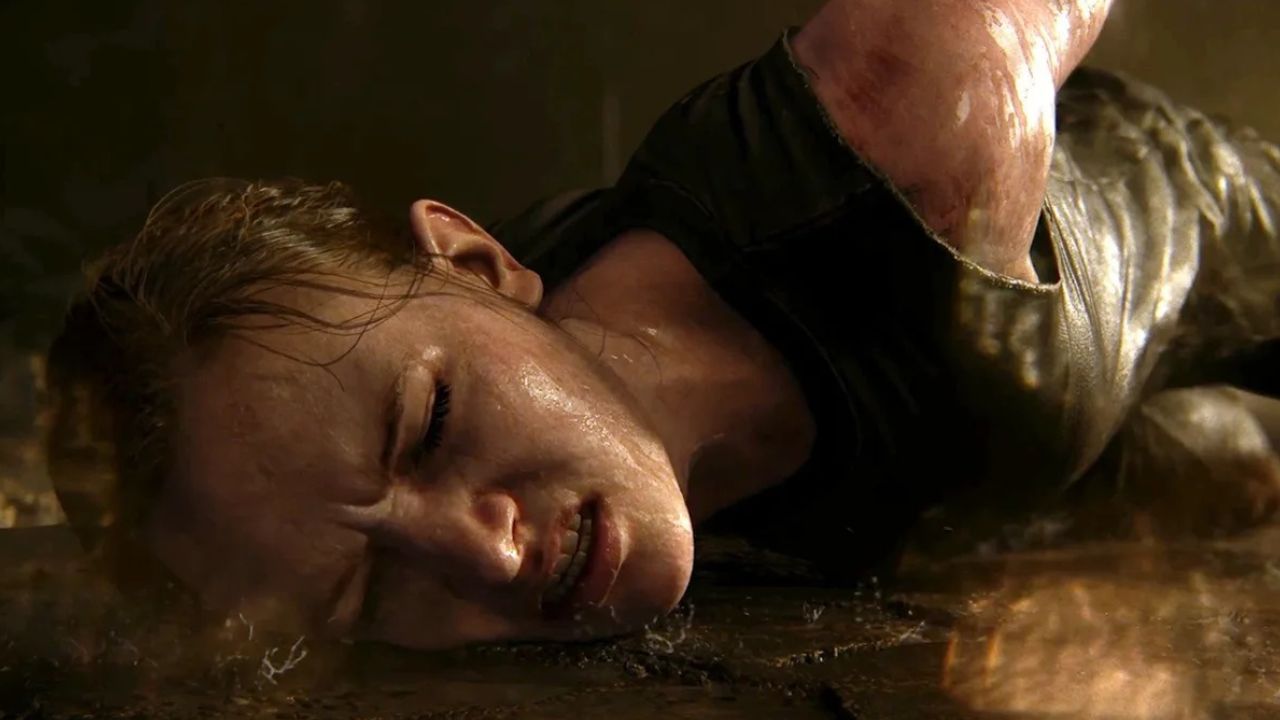
The turndown was based on a tough choice.
The studio had to choose between continuing work on the multiplayer project or focusing on the next big game, with the company's leaders in charge. The project was virtually done, and the phrase "80% done" has sparked considerable debate. That last 20% can take a long time for game developers. It could take another year or more of labor.
Still, the fact that a project that had been in the works for so long was canceled makes fans question the planning, direction, and the project's ability to happen. The director also claimed he thought the game might have been "really big," which indicates how much work went into it. It's impossible not to think about what could have been after spending seven years on one project, even if that possibility was only temporary.
Some people in the business think that the project may have started off considerably smaller. It was originally meant to have an online mode like the "Factions" element in the original game, but it's now believed to be a full-on live-service game with long-term support ambitions.
This adjustment is part of a broader industry trend: firms want to develop games that run for years by adding upgrades, battle passes, and content that rolls out every season. But having such lofty ambitions might make development take much longer and be much more complicated, turning manageable projects into massive tasks.
Some people think that this adjustment might have killed the project.
Players may have still had a good time with a multiplayer game that was more focused and took less time to make. Instead, the quest for a long-term live-service plan seems to have slowed things to a seven-year cycle that can't be sustained. Another important question is whether the game would have been successful even if it had never been made.
Some experts think it might have worked well, at least initially. If you compare the game's multiplayer mode to those from earlier generations, it might have attracted many players for months. It's harder to keep that initial excitement going throughout the years, which is what live-service games are known for. Many games in this category struggle to keep players interested after their initial release, making it hard to believe they will be successful in the long term.

Putting seven years of work into a project that could not last long is a big risk for a firm. This probably had something to do with the decision to stop the game, even though it looked good and was making progress.
One of the strangest things about the scenario is that there are two projects to pick from.
Some people are confused about why the firm that produced the game couldn't work on both projects at the same time, since they have a lot of people and resources. This issue raises a larger one: the size of modern game development. When a multiplayer project becomes a huge live-service project, it can need so many resources that it has to compete with other big games from the same business.
If the online mode had stayed smaller and more focused, it could have worked on other projects at the same time. Instead, it became an all-or-nothing choice as it grew. The cancellation also highlights how the game industry is evolving overall. Developers are proceeding with caution these days, clearly influenced by the public relations disasters that have befallen other live-service games.
Consequently, projects that deviate from established practices, such as new multiplayer games, face significant challenges in gaining acceptance and achieving completion. The text underscores the risks of expanding a project beyond its original goals, the complexity of real-time software development, and the tough choices firms face when budgets are tight.
To invest seven years of creativity, long nights, and hope—then watch the project get axed at the finish line—is a deep, lingering gut punch. The pain lingers long after the final meeting, leaving empty hands and heavier hearts. The game's origins remain a bit of a mystery, but its effect on the gaming world is undeniable.
Contributor, NoobFeed
Related News
No Data.