
The Witcher 4 Takes Shape as CDPR Draws a Line on AI and Doubles Down on Human Storytelling
Strong remarks about AI, darker themes, and conflicts over mythology that split fans are some of the new details about how The Witcher 4 is being produced and why it matters.
News by M. Hasan on Feb 03, 2026
Something unexpected is happening behind the stone walls and monster-ridden woodlands of The Witcher’s future. While much of the gaming industry hurries toward automation and algorithm-driven production, The Witcher 4 appears to be heading in the opposite direction.
According to the sources close to CD Projekt Red’s recent financial briefings and interviews, the studio is making one thing very clear: artificial intelligence may assist speed things up, but it will not replace the people actually producing the game. This became clear during CD Projekt Red's Q3 2025 earnings call, where the company's leaders talked about growing worries about AI-driven job losses in the gaming industry.
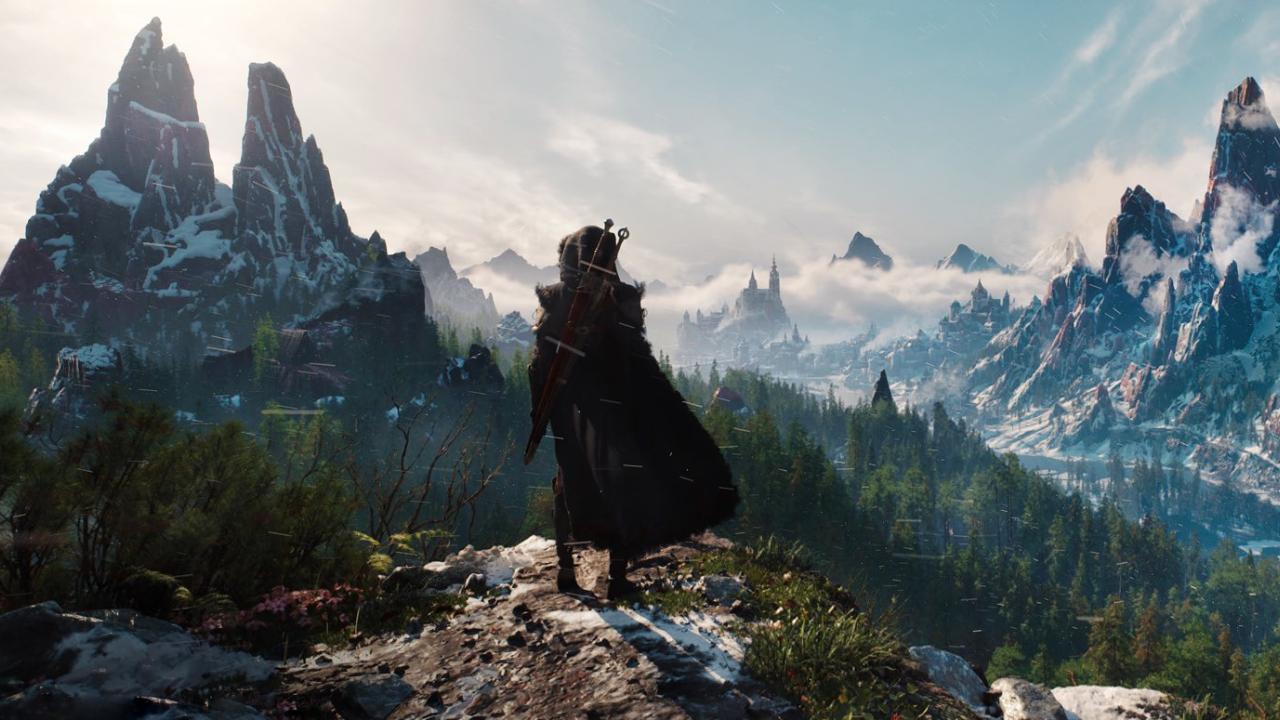
There have been rumors that AI technologies are secretly taking the place of human skill at a time when thousands of developers have lost their jobs at big companies. That assumption was immediately called into question. The sources claim that CD Projekt Red denied the notion that AI is to blame for the recent wave of industry-wide layoffs, citing overexpansion during the epidemic boom, aborted projects, and unsuccessful live-service tests.
The message was harsh but reassuring: AI is not making developers redundant, and it is surely not developing The Witcher 4 on its own.
Instead, artificial intelligence is being treated as a behind-the-scenes assistance. According to the sources, CD Projekt Red employs AI largely to boost efficiency in technical and service areas. Some of these are automated testing, which helps QA teams find bugs more quickly, code reviews with AI that helps programmers improve speed, and early asset development tools that let artists try out different versions of an asset before hand-polishing it. But people will always make choices that are creative.
This distinction matters more than it might seem at first glance. The Witcher series has always been noted for its created settings, morally nuanced storytelling, and dense environmental detail. Those attributes are difficult—if not impossible—to automate. According to the sources, the team working on The Witcher 4 now counts about 447 people, all contributing directly to the game’s creative and technical development. That amount alone implies long-term commitment, not cost-cutting.
So why address AI so bluntly now? Growing worry in the sector is the solution. While several publishers have intimated that artificial intelligence might substantially cut production teams, CD Projekt Red is ready to remove itself from that narrative. The sources claim that the studio does not see AI as a substitute for writers, artists, designers, or animators, but rather as a tool to assist creators in working more quickly. To put it briefly, AI sharpens the sword, yet people still use it.
When people think this way, it changes what they expect from The Witcher 4.
People know the company for reactive storytelling, important side quests, and characters who are truly flawed and tragically real. These traits don't just come from being quick and smart. Iteration, judgment, and awareness are all things that they need, but algorithms are having a hard time with them right now.
But the development update does not stop with technology. According to the sources, new information about The Witcher 4’s narrative approach reveals the game will push even farther into moral ambiguity and emotional repercussions. Interviews with top narrative leadership hint at a storytelling philosophy built on character faults, unavoidable blunders, and endings that rarely feel clean or comforting.
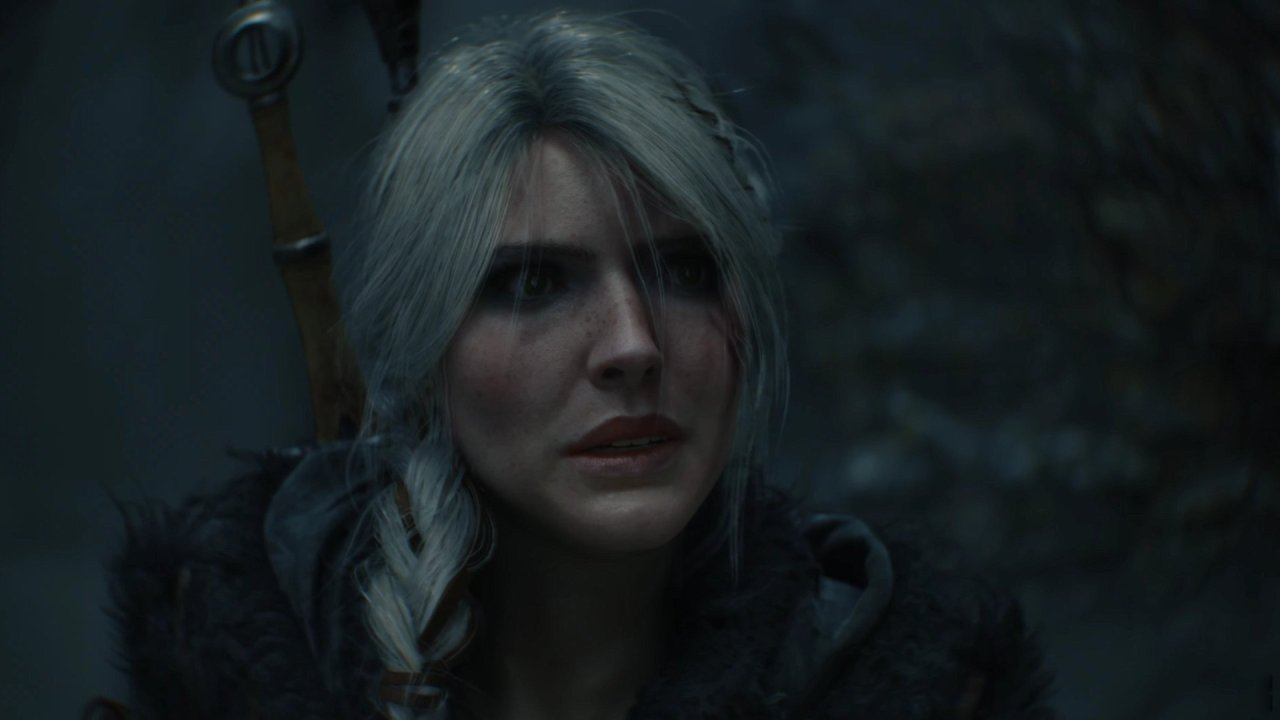
If that sounds familiar, it should. This technique developed Cyberpunk 2077’s most lauded plot elements, where nearly every important character held personal baggage, questionable intentions, and very human conflicts. Heroes were seldom perfectly heroic, and victories often came at a cost. According to the reports, this similar mindset is now being used for The Witcher 4.
The teaser trailer gives you a taste of this tone. In one scenario, Ciri intervenes to save a girl due to be sacrificed to a monster—only for the villagers to kill the girl nonetheless. It is a sad reminder of a basic Witcher truth: good intentions don't always lead to good results. Instead of being a shocking turn of events, this moment was depicted as a declaration of purpose.
What does this signify for Ciri as the major figure? According to the sources, the answer is complexity. Ciri has never been a typical hero. She is impetuous, emotionally explosive, fiercely independent, and formed by trauma. She is very dangerous, not only to enemies but also to herself and the things around her because of her Elder Blood skills. Stories that are very personal can be told by building the story around her flaws instead of just her fate.
Get ready to decide what to do. When things are terrible, relationships will break down.
Don't expect to be applauded for being brave if you want the conclusion to look like it was won through hardship. In The Witcher, outcomes are not defects in the way things are built; they are what the game is all about.
As if that were not enough, another fascinating layer has emerged from the franchise’s lore itself. The designer of the Witcher universe has reportedly publicly apologised for one of the most iconic ideas in the series: Witcher schools. What began as a single, fleeting reference in early writing has since blossomed into a full-blown system of factions, ideas, and combat styles within the games.
The designer is said to think this expansion is not needed for the story and may even be bad for it, comparing it to rigorous classification systems that make things too simple. CD Projekt Red, on the other hand, has fully embraced the idea and built whole gaming systems and personalities around schools like the Wolf, Cat, Griffin, Bear, Viper, and others.
This disagreement shows a larger fact about adaptations.
The sources say that each version of The Witcher has a plot that is a little bit different. The games focus on player choice and gameplay, while the books focus on myth and uncertainty. Other adaptations go their own way. None of them totally cancel each other out, and they are not all the same.
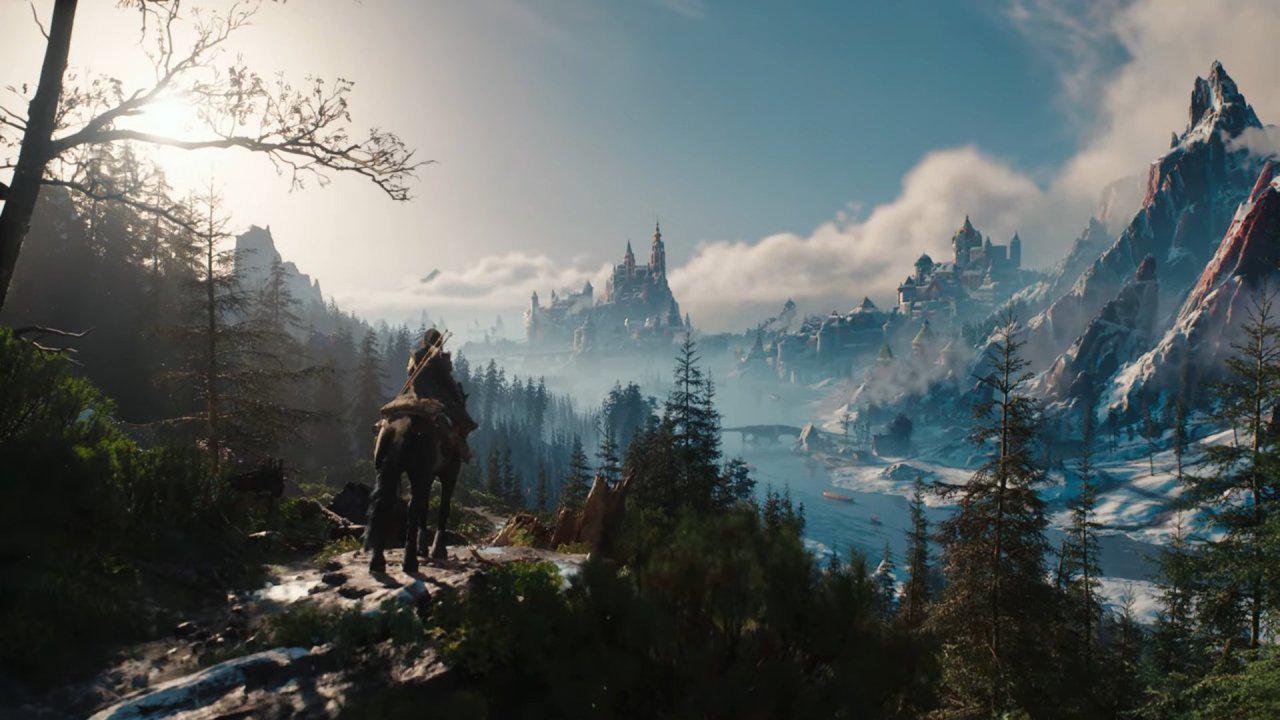
For The Witcher 4, this tension becomes especially pertinent with the introduction of a new Witcher school set to play a central role in the game’s marketing and narrative. The educational system is now too ingrained in the games' ethos to be removed, even though specifics are still hard to come by. It also appears set to form the backbone of future projects, including a forthcoming Witcher MMO, where you may choose schools as a type of class identity.
Is this lore expansion a betrayal of the original objective, or is it just a logical step forward in interactive storytelling?
At the heart of The Witcher's constant change is that question. When you look at all of these upgrades together, they make sense. There is no urgency for The Witcher 4. It is not being made into a machine. Furthermore, it is not attempting to sacrifice its soul in order to follow trends. According to the sources, CD Projekt Red is betting that human creativity—messy, imperfect, and time-consuming—is still important.
One thing that has always been a part of The Witcher is resistance. The world is hard; there aren't always clear answers, and decisions always have bigger effects than expected. Is the battlefield ready for a story that won't let them off the hook when The Witcher 4 comes out? That's the question that hangs over the battlefield like fog. Together, monsters are getting stronger, ties are being put to the test, and technology is changing business from the outside.
Editor, NoobFeed
Related News
No Data.