
The Witcher 3: Wild Hunt Remastered Front-Loads Skill Tree for Early Builds
New details on the skill tree, the writer behind Songs of the Past, and why CDPR really ditched REDengine.
News by Adeela Tas on Sep 19, 2026
You're now less than two weeks away from The Witcher 3: Wild Hunt — Remastered, and the amount of information coming out lately is hard to keep up with. CD Projekt Red has been opening up in interview after interview, and a lot landed in just the last week.
Between developers explaining their goals for the project, the writing team behind the Songs of the Past expansion discussing their process, a breakdown of how the new skill system works, and CDPR finally addressing why they walked away from REDengine, there's a lot to unpack.
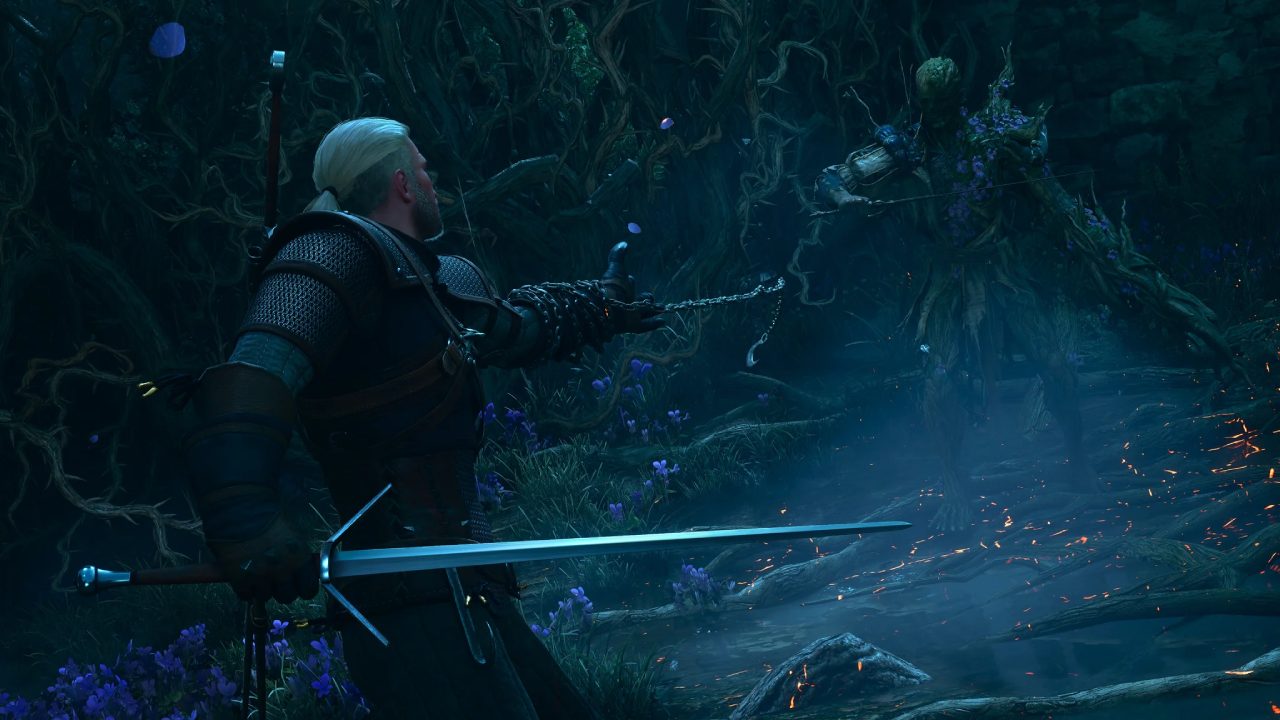
September 29 is right around the corner, so here's what you need to know about The Witcher 3: Wild Hunt — Remastered before it drops.
Start with the biggest gameplay shift: the overhauled skill tree. Developers gave one of their clearest explanations yet of what's actually changed. The new system is built from three categories: skills carried over from the original game, existing skills that have been reworked, and entirely new abilities that never existed in The Witcher 3 before. This isn't a reshuffle with a new coat of paint.
It's a rebuilt progression system with genuine new content baked in. What matters most is how quickly you'll access everything. The Witcher 3: Wild Hunt — Remastered will unlock a much larger portion of the skill tree far earlier than the original release, because the team wants you experimenting with builds early on rather than waiting until deep into a playthrough.
The framing was simple: you shouldn't need to hit level 30 or 40 to try multiple abilities together. That change solves a problem many players had with the original pacing. Think back to how progression worked before. You'd start with a handful of points, and most of the early tree was made up of small, forgettable percentage boosts.
Sign-based builds didn't feel powerful until far into that branch, and alchemy was borderline unusable early on since you hadn't unlocked the mutagen slots or decoctions that made it worthwhile. The genuinely wild, high-impact builds this series is known for mostly lived in the back half of the leveling curve.
Casual players suffered most under the original's slow, punishing respec system.
For casual players who weren't deep into RPG systems, if the first 10 or 15 hours didn't click with whatever build they picked, they usually stuck with it, partly because they didn't know how respeccing worked and partly because a Potion of Clearance cost around 1,000 crowns, making it a mid-game purchase at best.
There's a good chance you rode out one build for 60-plus hours without touching alchemy, not because it was bad, but because the game never gave you an affordable window to try it. This is also part of why playing on Death March is worth doing, since that difficulty forces you to engage with every system to survive basic fights. By front-loading skill access, the remaster flips that dynamic.
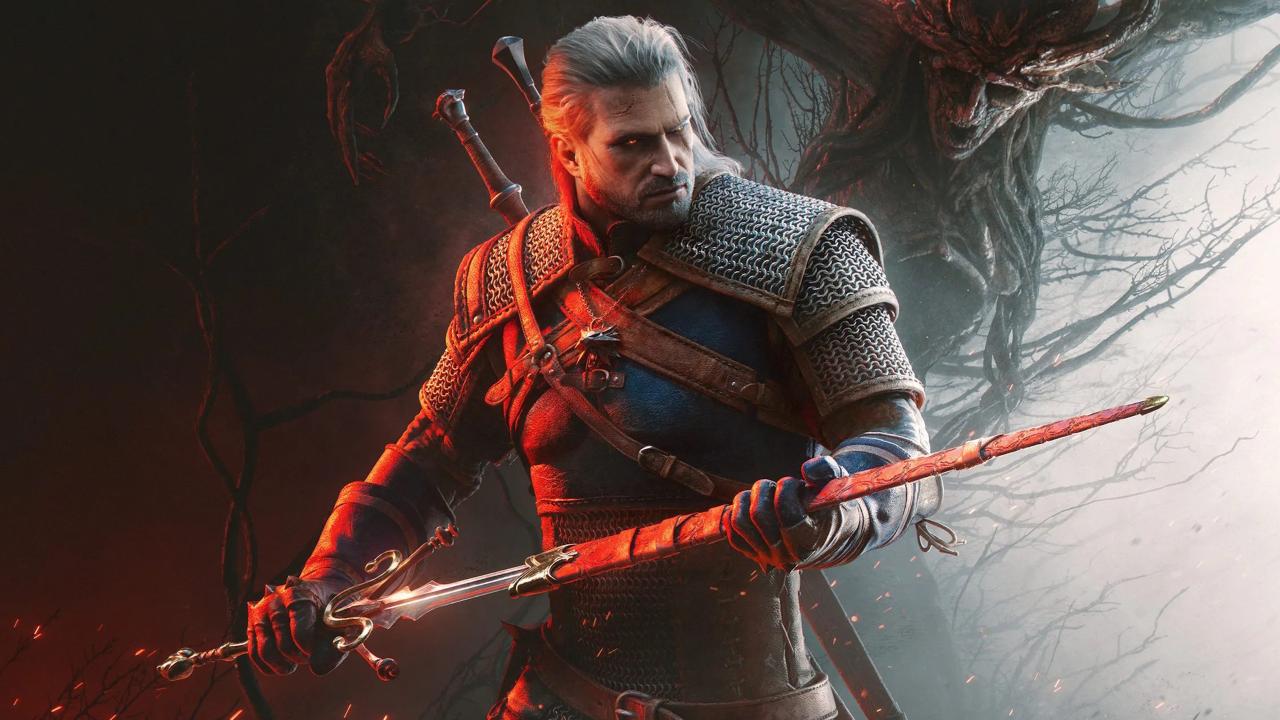
You'll dip into Signs, swordplay, and alchemy within your first few hours, meaning you figure out what you actually enjoy instead of guessing at level five and being stuck with it. If you bounced off the original within the first 10 hours, The Witcher 3: Wild Hunt — Remastered is a solid reason to give it another shot, especially since the skill tree changes should make that opening stretch land differently.
Don't expect every build in The Witcher 3: Wild Hunt — Remastered to work the way it used to, though. Developers have been upfront that they intentionally changed some previously overpowered builds, and they've acknowledged there were quite a few to address. That's probably the right call.
Rebalancing builds fits into CDPR's broader philosophy behind this entire remaster.
A combat overhaul with new finishers, reworked animations, and better enemy targeting doesn't mean much if one or two dominant builds still trivialize every fight. Executive producer Jakub Kutrzuba spoke at length about the philosophy driving The Witcher 3: Wild Hunt — Remastered, drawing a clear line between this project and the next-gen update CDPR released a few years back.
He described that earlier update as substantial but ultimately driven by the need to get the game running on new console hardware, calling it a technical-focused effort. This remaster, in his words, is different. It's heavier on the technical side in some ways.
Still, the bigger focus is on areas nobody had touched since launch back in 2015, including animation, gameplay systems, and quality-of-life improvements. The next-gen update focused on hardware compatibility, while this project fixes parts of the game nobody has revisited in a decade. CDPR apparently realized a purely technical pass wouldn't cut it this time.
They wanted longtime fans and newcomers alike to come away without hitting anything that felt dated, aiming to make the game feel comparable to anything releasing today. That meant reworking animation, camera behavior, enemy AI, combat, and pathfinding, then layering quality-of-life fixes wherever players had run into friction.
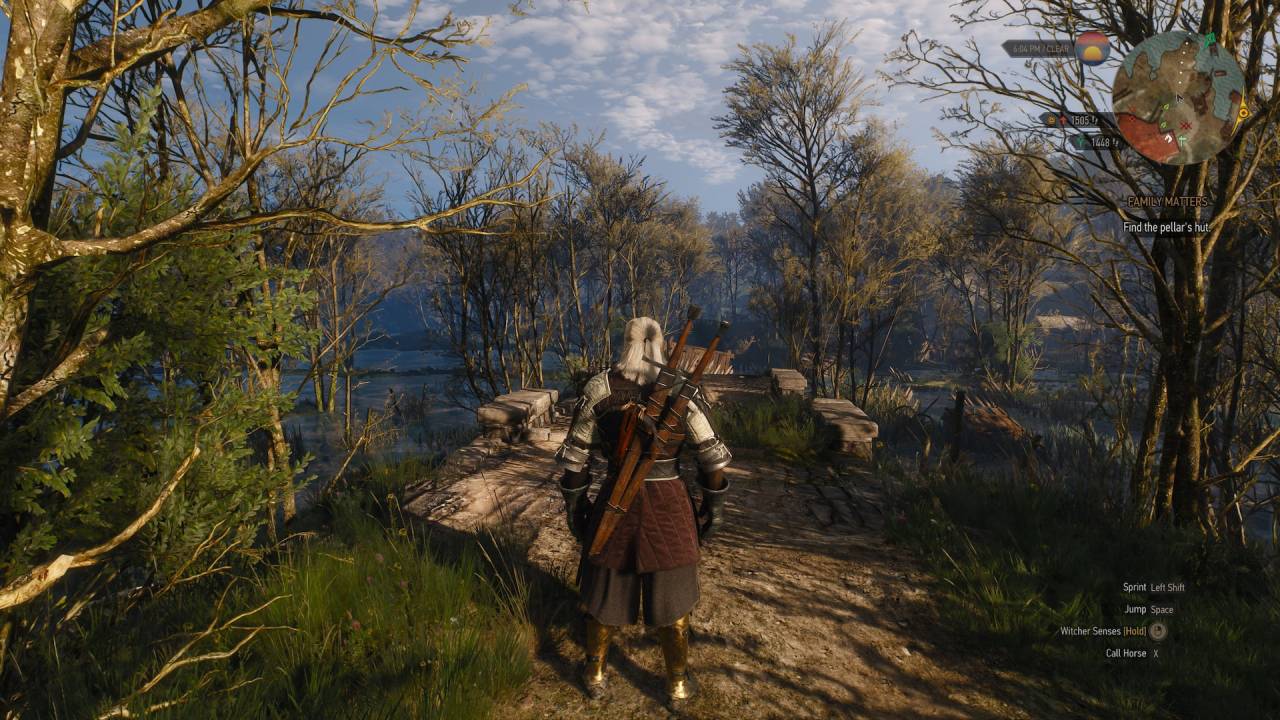
Kutrzuba even mentioned his own team has gotten so used to these improvements internally that going back to the old build now feels difficult, which suggests real confidence in how far The Witcher 3: Wild Hunt — Remastered has come.
There's also a great story behind who's writing Songs of the Past.
The expansion is being co-developed with Fool's Theory, and its lead writer is Paula Meissner. Nearly a decade before joining this project, she wrote her bachelor's thesis on Hearts of Stone, focusing on comparative literature and choosing that expansion specifically because of how packed it is with literary references.
She's spoken about how The Witcher draws from classic Polish literature, pointing to the wedding sequence and the character of Gaunter O'Dimm, who she describes as a devilish figure pieced together from multiple cultural influences.
She wanted to prove to her professors that games deserve to be studied as legitimate cultural texts. Having someone who academically dissected Hearts of Stone years before working on the franchise now leading this expansion's writing is genuinely exciting, especially if you were cautious about an outside studio handling new Witcher content.
Story director Marcin Blacha also broke down his approach to quest design, which explains why choices in this series tend to hit harder than in most other RPGs. His philosophy is that a meaningful choice can't be obvious, and shouldn't be something you resolve by just picking whichever option sounds nicer. It needs real weight, forcing you to think about life, people, or whatever dilemma the characters face.
Blacha explains exactly what makes a choice genuinely weigh on players.
He's talked about how a truly significant choice should be constructed so that you put the controller down, get up, walk around thinking it over, and then come back before finally deciding. That's the kind of design behind moments like the Bloody Baron questline or the Ladies of the Wood sequence.
When asked directly whether Songs of the Past would include difficult choices, he said yes, without hesitation. He confirmed the team isn't trying to avoid discomfort, and that there will be moments where you might regret a decision enough to reload a save and try again.
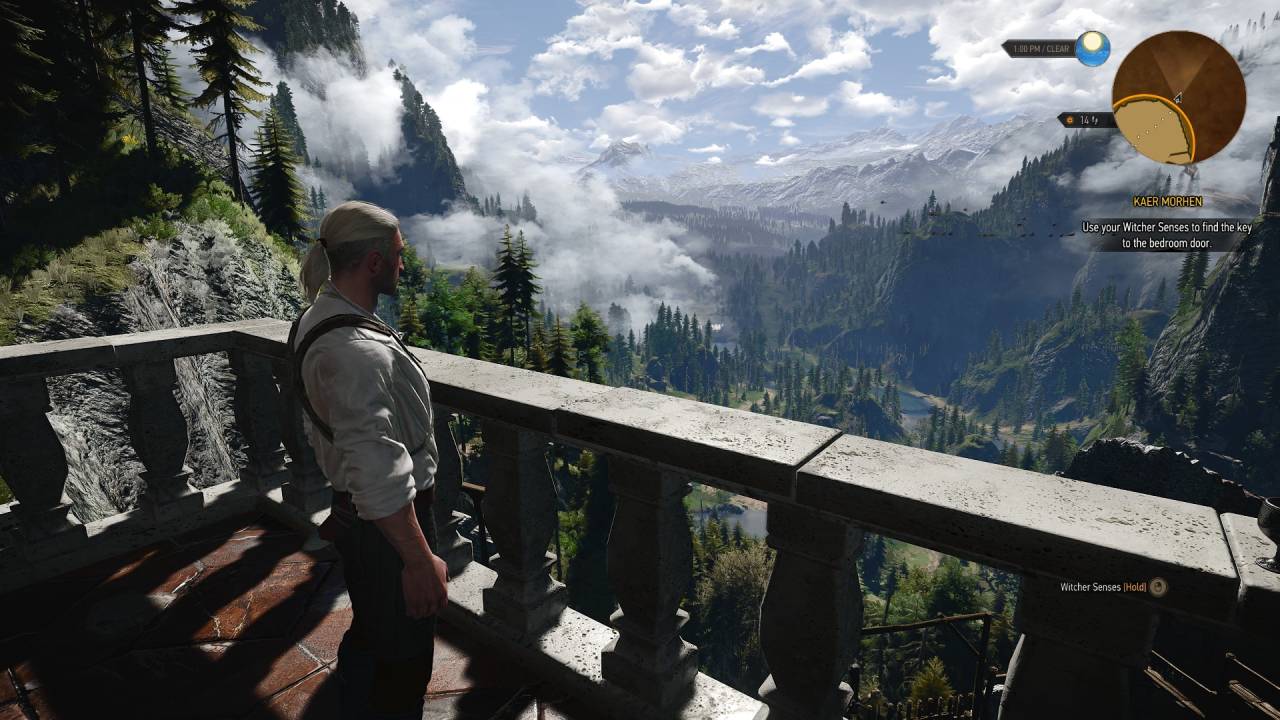
On the technical side, CDPR's co-CEO also cleared up a common assumption about why the studio moved from REDengine to Unreal Engine. During a recent podcast appearance, Michał Nowakowski was asked whether the rocky Cyberpunk 2077 launch pushed the studio toward Unreal Engine 5.
His answer was more nuanced than a simple yes. He explained the real issue was never REDengine itself, and the studio's core goal was never really to build proprietary technology for its own sake. Their priority was always creating visually striking, immersive games, regardless of engine. The real turning point wasn't Cyberpunk's launch.
It came after the studio got an early look at Epic's Matrix Awakens tech demo.
Seeing what Unreal Engine 5 could do led CDPR to ask whether it could realistically support a game built at their scale. The initial answer was no—not immediately, and not without extra work—but building a close relationship with Epic and collaborating on specific tools and features made it a viable path forward, which ultimately led to the switch away from REDengine for The Witcher 3: Wild Hunt — Remastered and future projects.
With just 11 days left until release, everything about The Witcher 3: Wild Hunt — Remastered feels like it's coming together the right way. You've got a rebuilt skill tree designed for faster experimentation, a development team that reportedly struggles to go back to the original build, and an expansion being written by someone who studied this exact universe academically long before she got hired.
Between the skill tree overhaul, the animation and combat improvements, and the promise of genuinely uncomfortable choices in Songs of the Past, The Witcher 3: Wild Hunt — Remastered has a lot riding on it, and every new detail so far seems to be backing that up.
Editor, NoobFeed
Related News
No Data.