
CXMT Gains DRAM Market Share as AI Drives Memory Demand
CXMT's rising DRAM production challenges Samsung, SK Hynix, and Micron as AI demand continues reshaping the global memory market.
Hardware by Nahe Yan on Sep 17, 2026
Three companies have controlled the global DRAM market for decades, leaving manufacturers and consumers with few options when memory supplies run low. With the rise of AI, manufacturers are focusing more on AI accelerators, which puts more pressure on traditional memory supply. Also, CXMT has increased DRAM production and started using newer memory technologies.
This gives the market, long dominated by three big suppliers, another competitor. Three corporate giants have an iron grip on the memory inside almost every computer ever owned. For decades, they have quietly determined much of what memory would cost. To understand how big of a deal this is, we have to look at how the industry evolved.
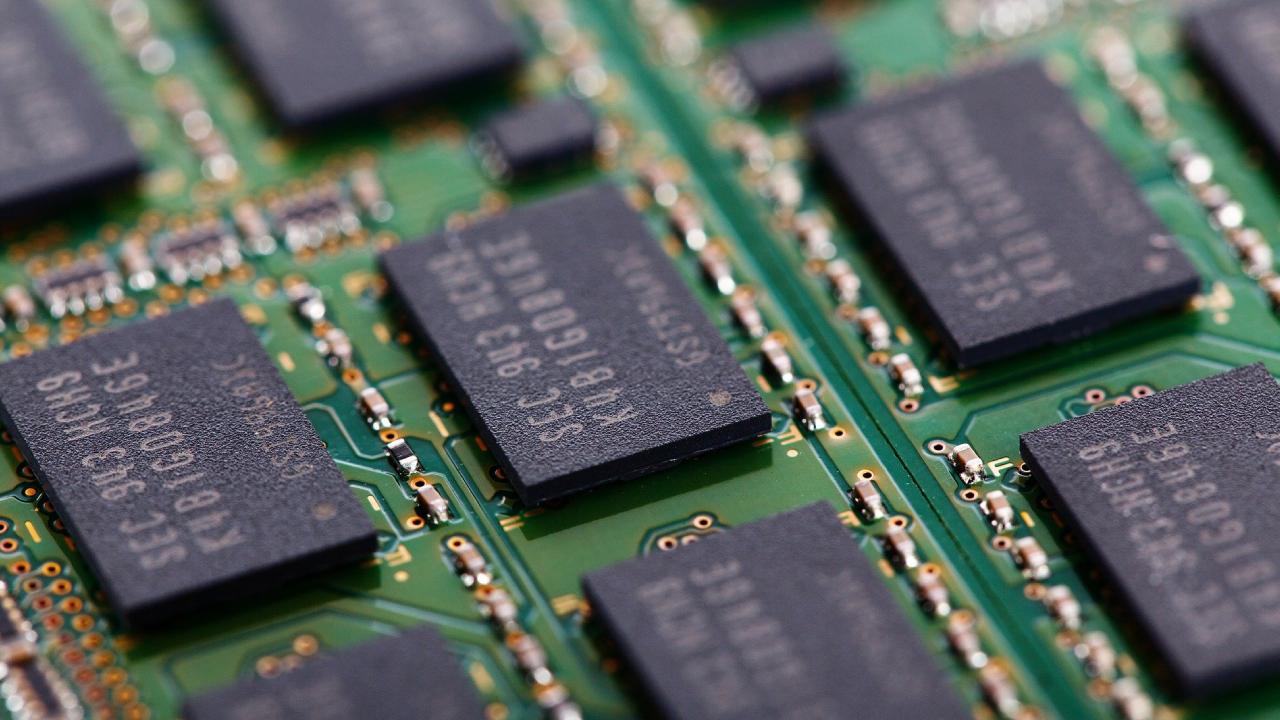
Three Companies Control Most of the DRAM Market
In the 1990s and early 2000s, dozens of memory manufacturers fought for your dollar. But after years of price wars and market crashes, the weaker players went bankrupt or were swallowed whole. The dust settled, and three companies came to dominate the global market. Today, almost the entire world's DRAM market comes from three names: Samsung, SK Hynix, and Micron in the United States.
Together, they have historically controlled most global DRAM production. That's three companies supplying the memory inside your PC, your smartphone, and your servers. And they've been powerful. When demand spikes, supply can tighten quickly. Prices stay high. A single high-end DDR5 RAM kit can reach anywhere from $350 to $570, and consumers have very few alternatives when supply is constrained.
This dominance was never supposed to break. Manufacturing memory is arguably one of the hardest engineering feats on Earth. We aren't just talking about simple electronics. You're printing billions of microscopic circuit patterns onto silicon wafers with near-zero tolerance for defects inside clean rooms that cost billions of dollars to build.
For decades, the barrier to entry was simply too high for anyone else to compete at scale. Then, the AI boom changed the entire industry. AI accelerators require something far more complex and lucrative than standard consumer DDR5 and HBM (high-bandwidth memory). This advanced 3D-stacked memory is the lifeblood of modern AI accelerators.
AI Demand Changes the Memory Industry
Building it requires microscopic connections through silicon wafers called through-silicon vias. It is difficult to produce, making HBM one of the most important bottlenecks in modern AI data centers. Sensing an absolute gold rush, the big three pivoted. By the second quarter of 2026, SK Hynix controlled roughly 50% of the HBM market. Samsung held about 33%, and Micron accounted for 18%.
To meet enormous AI demand, memory manufacturers have been directing significant resources toward high-margin AI memory. In the process, less capacity has been available for some conventional memory products. Supply tightened, prices exploded. The PC building community gave the shortage a name: RAMageddon. The big three weren't simply ignoring consumers.
They were operating in an industry where AI customers were creating enormous demand for higher-value memory. Enter CXMT, Changxin Memory Technologies. Founded in 2016 in Hefei, the company was unknown to most people in the West, but it has received billions in support as part of a broader effort to reduce reliance on foreign semiconductor technology amid mounting US export restrictions.
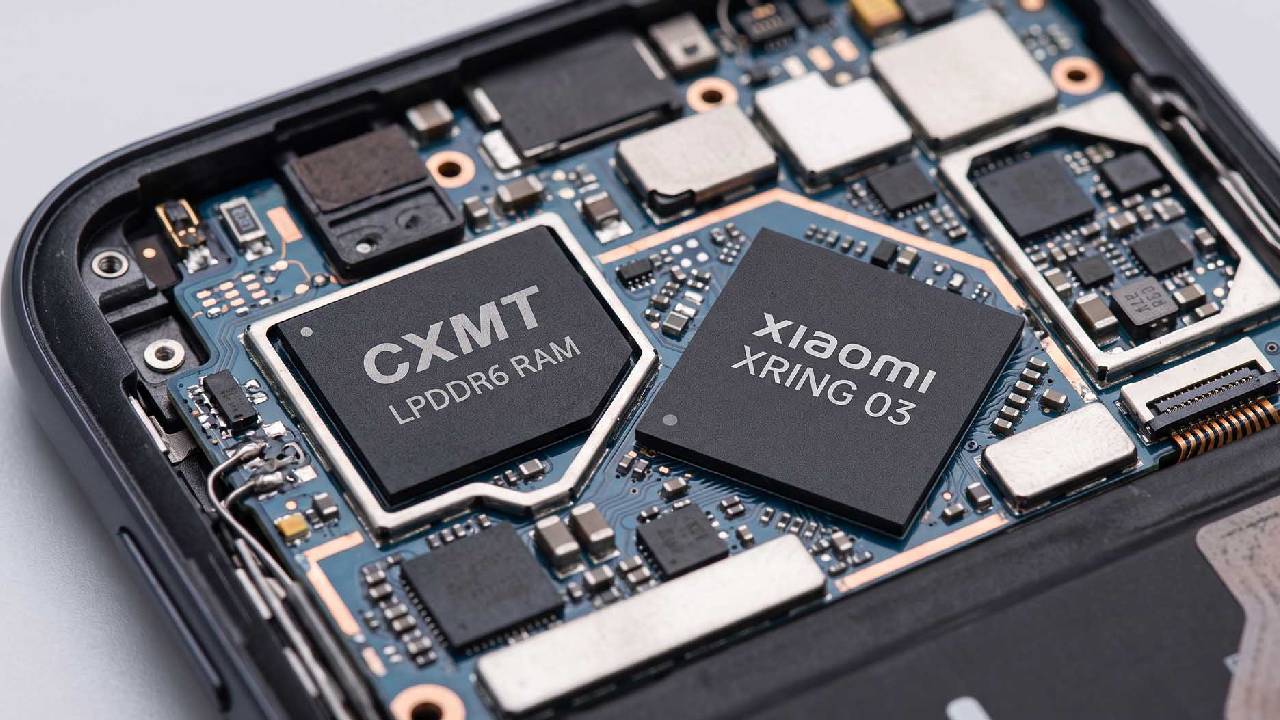
For years, CXMT was far behind the world's leading memory manufacturers. Its early products faced significant challenges with performance, manufacturing yields, and scale. Making one working chip is easy; making millions consistently and profitably is the real challenge. And massive US export restrictions have made that challenge even harder.
CXMT has faced limitations on access to some of the most advanced foreign semiconductor technology and equipment, including advanced lithography tools. They were supposed to struggle to close the gap, but here is the twist. By the second quarter of 2026, CXMT had reached roughly 10% of global DRAM revenue, according to Counterpoint Research, up from just 4% a year earlier.
That makes CXMT the clear fourth-largest DRAM supplier behind Samsung, SK Hynix, and Micron.
And it isn't just phone brands buying these chips. Hardware teardowns have revealed that mainstream Western memory brands are already using CXMT DRAM. If CXMT can continue improving its yields, increasing production, and offering competitive memory at lower prices, it could give PC manufacturers and memory module companies another source of supply.
That's exactly what makes this so important. The takeaway is simple. The big three's pricing power is facing a new challenge. That $350 to $570 kit seen during peak shortages won't necessarily stay that expensive forever, as a fourth competitor emerges in a market that has been dominated by three companies for years.
Samsung, SK Hynix, and Micron built their positions by becoming companies capable of producing memory at an enormous scale. When AI offered them higher margins, they naturally prioritized the products and customers driving that demand. CXMT didn't need to invent a new type of memory overnight. It needed to prove that it could manufacture competitive memory at massive scale, and it is increasingly doing exactly that.
Editor, NoobFeed
Gaming Hardware Updates
No Data.