
AMD’s Next GPUs Could Challenge NVIDIA With Stronger Hardware
AMD’s next Radeon generation could target NVIDIA’s high-end advantage with stronger hardware, ray tracing, memory, and software support.
Hardware by Nahe Yan on Sep 16, 2026
AMD’s next-generation Radeon GPUs could shake up the competition with NVIDIA by targeting high-end gaming performance while improving ray tracing, AI, VRAM, power efficiency, drivers, and software support. AMD is expected to move beyond RDNA 4 with a future architecture often referred to as RDNA 5 or UDNA.
At the same time, NVIDIA continues to expand AI's role in graphics through technologies such as DLSS 5. AMD’s next major GPU architecture is expected to move beyond RDNA 4, with many reports calling it RDNA 5 or UDNA. However, AMD has not officially announced RX 10000 specifications, final names, pricing, or launch details.
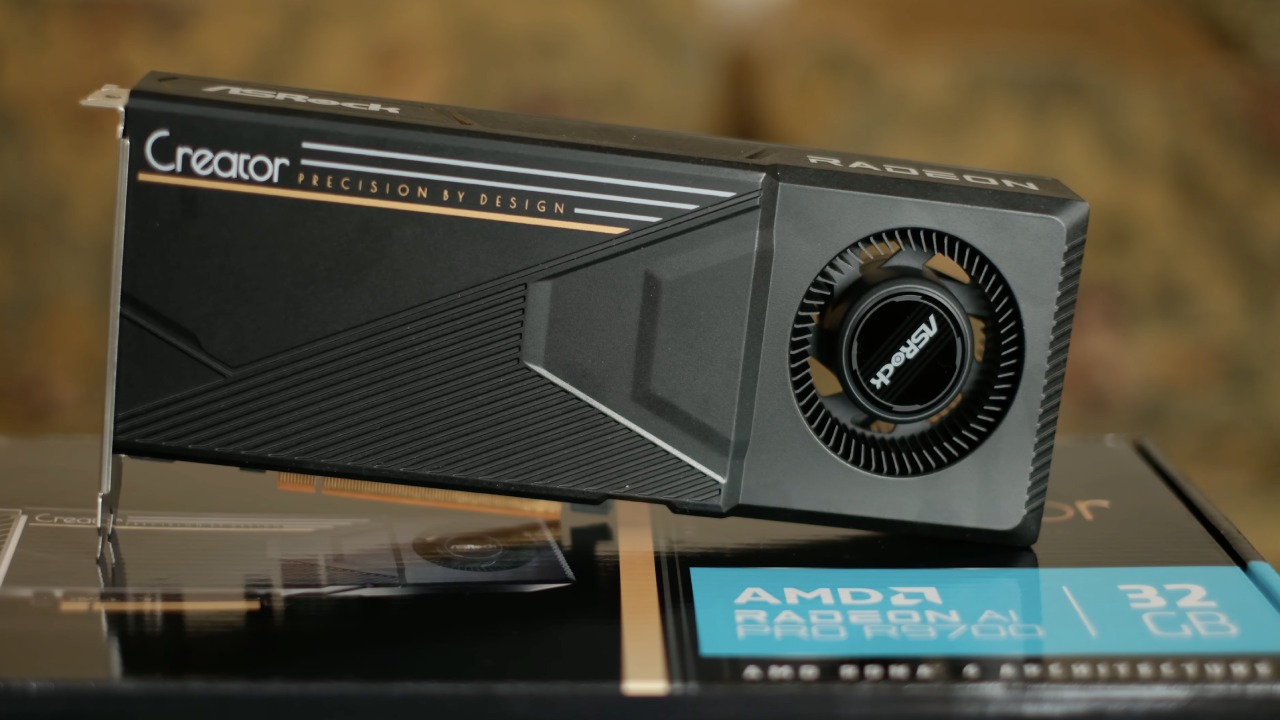
AMD's Next GPU Architecture
Reports suggest AMD wants its next architecture to bring gaming and compute technologies closer together. That could help Radeon compete not only in gaming but also in AI workloads and professional applications. AMD skipped the ultra-high-end flagship market with RDNA 4.
RX 9700 XT competed in the mainstream and enthusiast space, but NVIDIA still held the performance crown with cards such as the RTX 5090. A future RX 10000 flagship could change that strategy. A GPU also needs strong software, because NVIDIA’s biggest advantage isn't just hardware. It is the ecosystem built around DLSS, CUDA, AI tools, and ray tracing support.
The GPU market has changed, and gamers no longer compare only FPS numbers. They are also looking at ray tracing, AI features, VRAM, power usage, drivers, and long-term value. This is where AMD’s future Radeon cards could make a difference. For AMD, stronger hardware could help it compete with NVIDIA in high-end gaming.
NVIDIA’s next move could change the competition. DLSS 5 is designed to go beyond upscaling and frame generation by using real-time neural rendering to improve lighting, materials, and image quality. Instead of making the GPU calculate every visual detail through traditional rendering, AI could help generate parts of the final image.
NVIDIA’s performance is leading while addressing software and AI limitations.
This could allow developers to create more realistic games without requiring the GPU to handle every detail through traditional methods. There is a catch, though. Early unofficial DLSS 5 tests showed visual changes along with performance losses. These experiments used leaked files and weren't final consumer implementations, so real-world testing will matter.
This creates two different strategies. AMD is expected to challenge NVIDIA with stronger hardware, while NVIDIA is trying to make AI a larger part of gaming itself. The competition may not simply come down to which company has the fastest GPU. Performance, software, efficiency, image quality, and value can all affect the overall experience.
AMD’s RX 10000 generation could become a serious threat if Radeon delivers high-end performance with better software support. At the same time, DLSS 5 shows that NVIDIA is trying to change the rules by making AI a core part of future graphics. The next GPU battle may not just be AMD versus NVIDIA. It could also become a comparison between traditional rendering and AI-powered graphics.
Editor, NoobFeed
Gaming Hardware Updates
No Data.