
NVIDIA RTX 6090 Could Feature 32GB GDDR7 and 2x Path Tracing
RTX 6090 rumors point toward Rubin architecture, 32GB GDDR7 memory, higher power limits, and major ray tracing improvements.
Hardware by Nahe Yan on Sep 15, 2026
Although it hasn't been officially released yet, the NVIDIA GeForce RTX 6090 is one of the upcoming graphics cards people are watching. From what we know now, the next-generation flagship will be built on Nvidia's Rubin architecture. The GPU design, memory, ray tracing, AI, and neural rendering will all likely be different.
All details on specs, timelines, and names are still unofficial. It's based on rumors, leaks, and guesses from people in the business and leakers. Nvidia hasn't confirmed the RTX 6090's name, specs, or release date, and those details could change before launch.
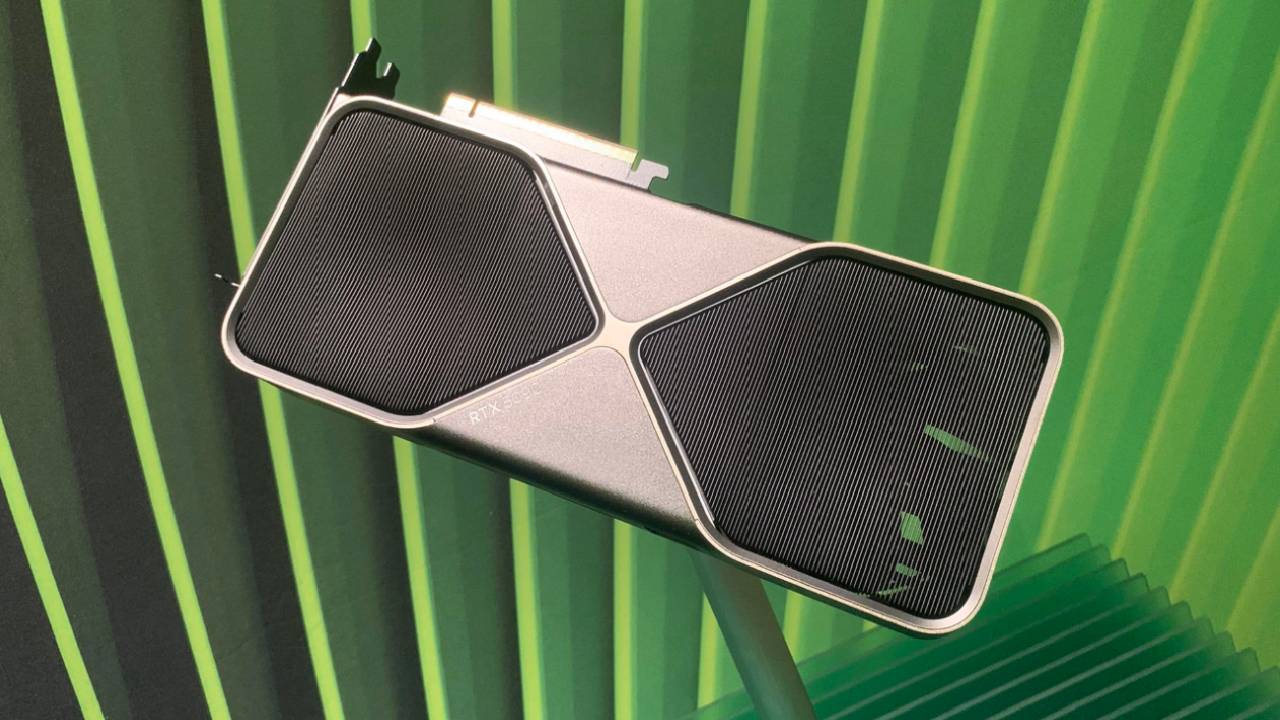
RTX 6090 Architecture and Manufacturing Process
RTX 6090 is expected to be part of the RTX 60 series and use Nvidia's Rubin architecture. Nvidia already uses the same generation name for its data center AI GPUs. Consumer gaming chips are rumored to use the GR20X family of dies, with the flagship expected to use the GR202 silicon.
Manufacturing is expected to move to a custom TSMC 3nm process. The move should improve efficiency and density compared with the current Blackwell generation. The GPU die expected for the RTX 6090 is the GR202.
Rumors point to up to 192 streaming multiprocessors on the full die, although the final shipping card will almost certainly have some hardware disabled. Earlier expectations pointed to higher memory capacity, but recent leaks suggest Nvidia may stick with 32GB due to the ongoing memory supply and cost situation.
Memory bandwidth could approach or exceed 2TB/s, depending on the final GDDR7 speeds. The L2 cache could also be larger than that of the RTX 5090, with some leaks suggesting around 96 MB or more. The bigger change could come in ray tracing and path tracing.
Multiple sources claim roughly 2x the path tracing performance compared with the RTX 50 series. The gains are expected to come from fifth-generation RT cores and architectural changes. AI and neural rendering are also expected to receive improvements.
Sixth-generation Tensor Cores could power the next version of DLSS, often referred to as DLSS 5.
New gameplay demonstrations and related developments around DLSS 5 have already generated attention, with different approaches being used for neural rendering and frame generation.
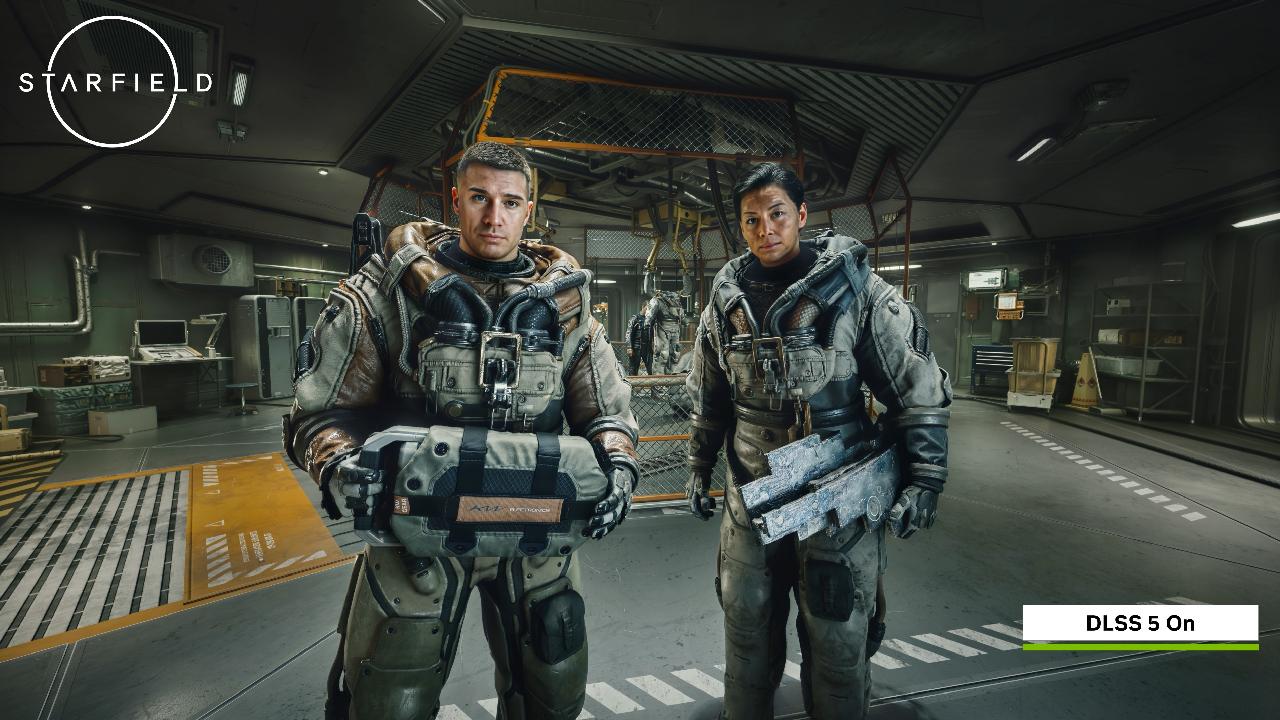
Further improvements to frame generation and neural rendering techniques could therefore become a major part of the RTX 6090's performance story. The most commonly cited release window from relatively credible leakers is the second half of 2027. That is still a long time away, and a lot can change in the meantime.
Rumors suggest an RTX 6090 will use the Rubin design and a 3nm manufacturing process. It will have 32GB of GDDR7 memory on a 512-bit bus. The performance boost may be more noticeable in AI, ray tracing, and path tracing tasks, while traditional rasterization may not see as much improvement over the RTX 5090.
However, every specification remains unofficial. The final architecture, memory configuration, power target, performance, naming, and release date could all change.
Editor, NoobFeed
Gaming Hardware Updates
No Data.