
XBOX Game Pass Adds Cloud Hour Limits Without Price Cut
Latest XBOX Game Pass change puts limits on cloud play, raising fresh concerns about value, server costs, AI priorities, and the future of gaming.
News by Adeela Tas on Sep 07, 2026
XBOX has made plenty of changes lately, and not all of them have landed well. Some recent moves have been welcomed, including the disc-to-digital program, which lets you connect eligible physical games to digital licenses and access benefits tied to the XBOX ecosystem.
It has also opened the door to delisted titles and games from different regions, including versions that originally released in places such as Europe or Japan. That made the latest XBOX Game Pass change stand out even more. XBOX Game Pass now limits cloud play by tier.
.jpg)
Ultimate subscribers will receive 15 hours of cloud play per month, while Premium gets 10 hours and Essential gets five.
Once those hours are used, additional cloud gaming time will require another purchase, although pricing for the extra hours has not yet been announced. For you as a subscriber, the biggest issue is simple: the price has not been reduced to match the reduced access.
XBOX Game Pass is still being sold at the existing price, even though one of its features is becoming more restricted. That can make it feel like you are paying for a package that no longer provides the same value you originally signed up for.
The timing also makes the decision harder to understand. XBOX has been pushing cloud gaming across more devices, including additional televisions, while the service is now moving toward a capped model. The change is expected to take effect in November 2026, making the months ahead important for anyone who regularly uses cloud play.
There is also a regional difference. Some markets with stronger consumer protection rules are reportedly keeping unlimited access under the current arrangement. In other regions, including North America, the new limits are expected to apply. That means the experience can depend heavily on where you live, even when you are paying for a comparable subscription.
For someone who uses cloud gaming as a secondary way to play, the feature can be extremely useful.
You might use your phone with a controller during a lunch break, while waiting in a car, or when you are away from your console. You do not necessarily need streaming to replace your XBOX; it can simply fill the gaps when your main hardware is unavailable. That makes a monthly allowance particularly noticeable.
Fifteen hours might sound reasonable if you only use streaming occasionally, but it can disappear quickly for regular players. A few longer sessions each week can eat through that allowance, leaving you with the choice of stopping or paying more.

That is why one alternative could have been separating cloud play from the main subscription. XBOX could lower the base price and offer cloud gaming as an optional add-on for another monthly fee. People who never use streaming would not pay for it, while frequent users could keep the feature by paying extra.
That approach would also make the recent price strategy around XBOX Game Pass easier to understand. The service previously saw its price reduced when Call of Duty was removed from the package. That was viewed more positively because subscribers received a lower price alongside a change in what the service included. The latest cloud decision goes in the opposite direction: less access without an immediate price cut.
There may, however, be a business reason behind the restriction.
XBOX Game Pass is not changing in isolation. Microsoft is putting enormous resources into artificial intelligence, and that demand is affecting computing hardware, memory and server capacity. Cloud gaming relies on large server infrastructure, and those machines require expensive components, electricity, cooling, and regular replacement.
But the same infrastructure could also be used for other tasks when it is not engaged in game streaming. This creates a tricky situation for Microsoft: if a cloud-gaming server could do another task that delivers greater value elsewhere, it would be logical to prioritize that work. As explained in the transcript, based on the numbers inside the company, cloud gaming may become loss-making beyond 15 hours of usage per month.
The need for AI is also resulting in an overall shortage of memory and processing chips. Microsoft has been pouring money into its AI plans, which could result in XBOX having less money to run its cloud services. Server systems cannot go on forever either. The cost of running them is not just the hardware but other expenses as well.
This could explain why XBOX Game Pass cloud access is being treated differently from the way it was presented earlier in this generation. XBOX once placed a major bet on streaming as a way to expand gaming beyond traditional consoles.
The idea was especially important for reaching regions where XBOX hardware was less established.
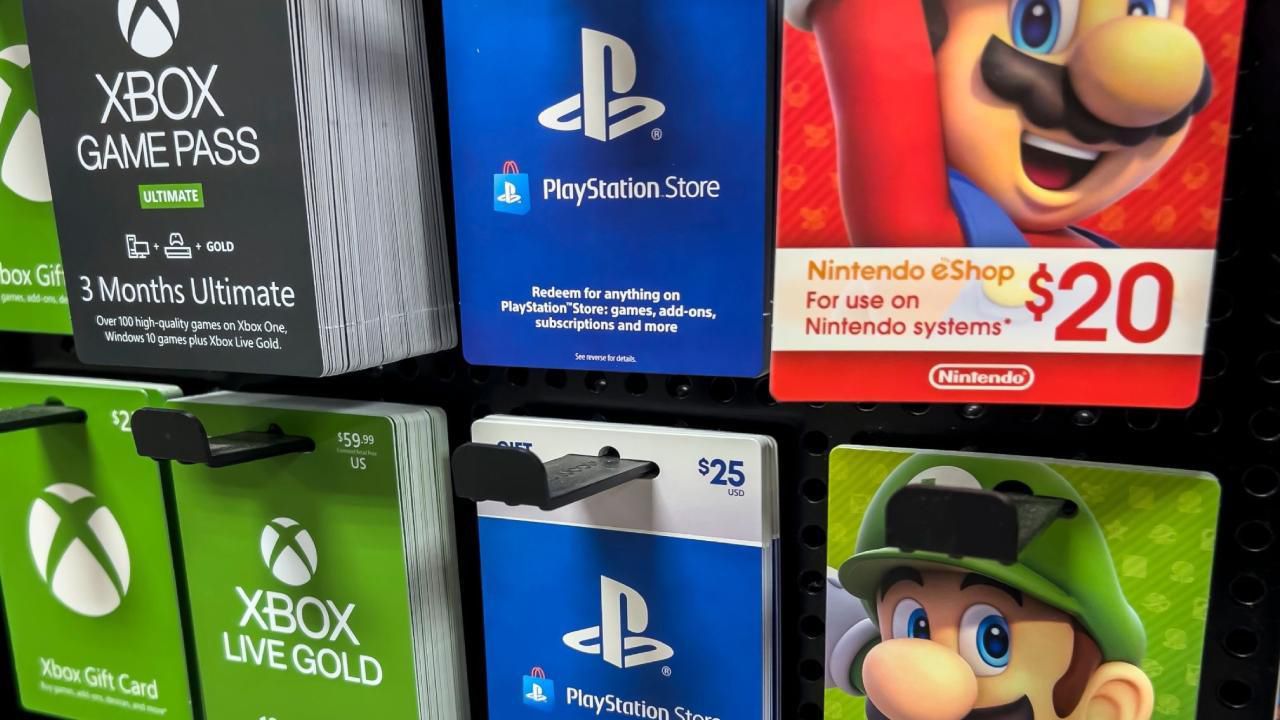
If cloud access becomes more limited, that strategy could become harder to execute at the scale originally imagined. The broader direction of XBOX is also worth watching. Since the leadership changes, there has been a stronger emphasis on making the business more efficient and accountable.
That does not necessarily mean the XBOX business is failing, but it does suggest that Microsoft is examining where resources are going and where they can generate the most value. That helps explain why some of the recent changes can look contradictory.
On one side, XBOX is improving parts of its ecosystem and expanding access. On the other, it is restricting an important cloud feature. Both can happen when the company is trying to balance consumer offerings against the cost of maintaining them.
There is also speculation that the November timing could have something to do with major upcoming games. Grand Theft Auto 6 is one possibility people are discussing, particularly because a huge game could put enormous demand on streaming infrastructure if it became available through cloud gaming.
Nothing in the transcript confirms that this is happening, so it remains speculation rather than an established plan.
The same applies to the possibility of Microsoft expanding its stream-your-own-games approach. XBOX Game Pass could also be moving toward a more modular future. Instead of every subscriber receiving the same collection of features, Microsoft could increasingly divide the service into separate pieces.
That would allow people to pay specifically for the experiences they actually use, but it could also make the subscription more complicated and potentially more expensive for users who want everything. The change may even affect the wider market for mobile gaming accessories.
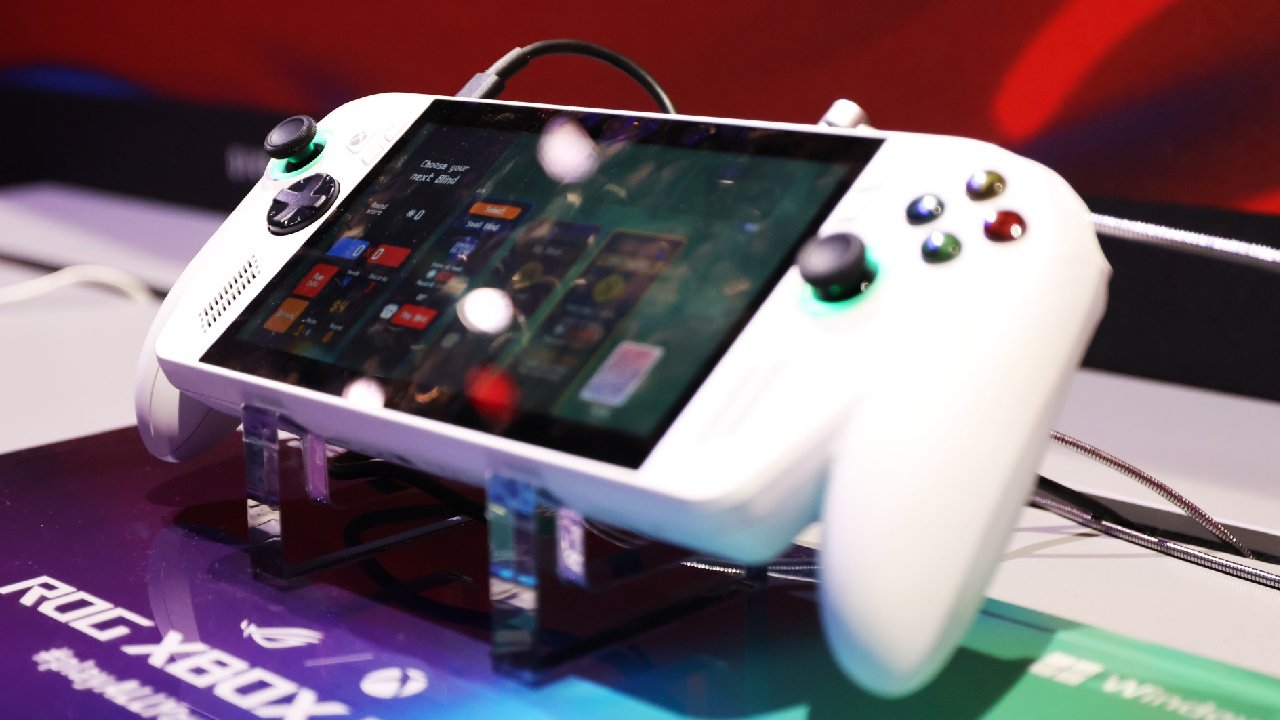
Companies making phone controllers have benefited from the growth of cloud gaming because players can turn a smartphone into a portable gaming setup. If your streaming allowance becomes something you have to carefully ration, you may have less reason to spend money on accessories designed around frequent cloud play.
There is another possibility that fits into Microsoft’s longer-term thinking: making gaming more affordable by reducing the need for expensive hardware. Future players could potentially choose between premium consoles, cheaper devices from other manufacturers, or cloud access purchased according to how much they play.
That could make gaming available to more people, but it would also represent a major shift from the traditional idea of owning a console and buying games outright. For now, the clearest concern is value. XBOX Game Pass Ultimate has been built around giving subscribers a broad collection of benefits under one payment, and cloud gaming was part of that proposition.
Removing unlimited access without immediately lowering the subscription price makes the change hard to view as consumer-friendly.
The next few months should reveal whether this is a cost-control measure or part of a bigger service restructuring. Microsoft could adjust the monthly allowances, introduce more affordable pricing, change the cost of additional hours, or eventually rethink the cap altogether. What happens next will say a lot about how important cloud gaming remains to XBOX.
For subscribers, the immediate reality is that the service is becoming more restricted. The company may have sound financial reasons, particularly with AI competing for the same computing resources, but those reasons don't erase the question of what customers are getting for their money. XBOX Game Pass can still offer considerable value, yet this particular change makes the balance between price, features, and access harder to ignore.
Editor, NoobFeed
Related News
No Data.