
GPU Prices Could Rise Again as Memory Costs Threaten Entry-Level Graphics Cards
GPU prices are rising again as memory constraints threaten entry-level graphics cards and make affordable upgrades harder to secure.
Hardware by Nahe Yan on Sep 04, 2026
GPU prices are rising again, but the next problem may be worse than expensive flagships. The warning now is about entry-level graphics cards. If budget GPUs get squeezed, waiting for a cheaper upgrade could backfire, too. PC Partner, the company behind ZOTAC, Inno3D, and Manli, has warned that
GPU and graphics memory supply constraints could hurt shipments in the second half of 2026. PC Partner says that limited GPU and graphics memory supply hurt its sales in the second half of 2026. It sold 18.4% fewer of its own-brand graphics cards last year than the previous year, but the average price went up by 10.7%. However, this is an important aspect.
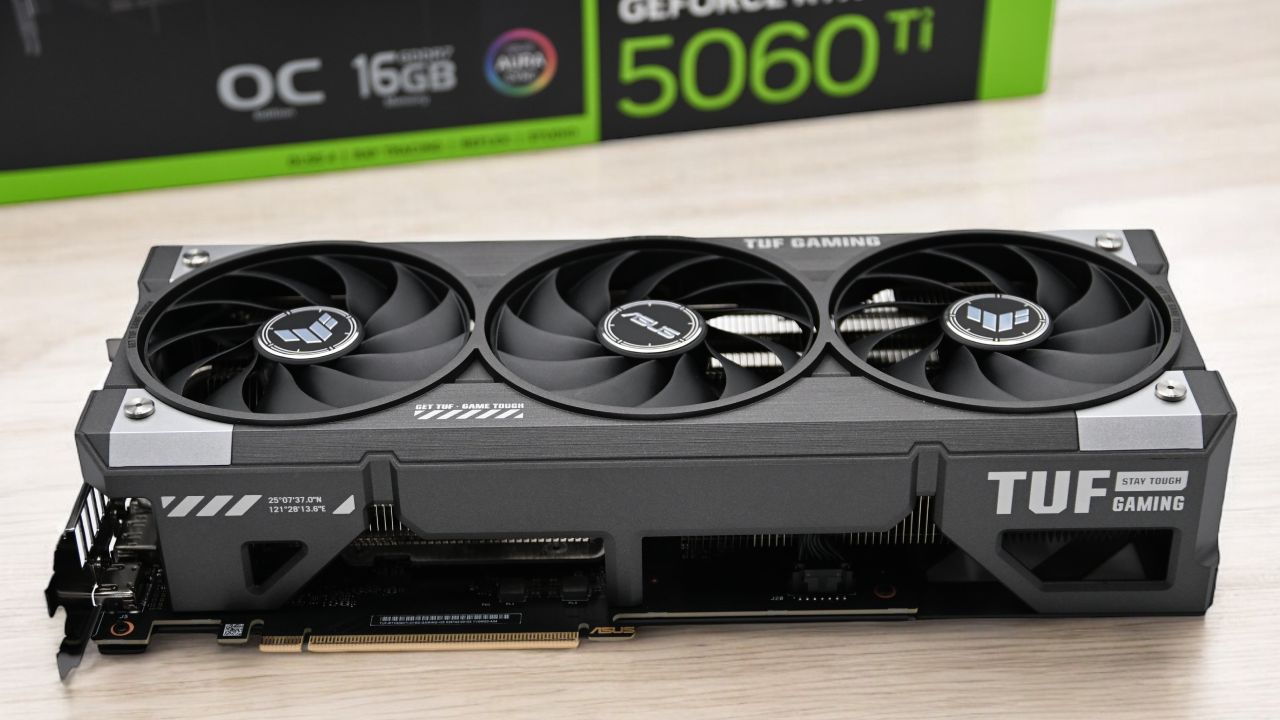
PC Partner Warns of Tighter GPU Supply
PC Partner warns that entry-level cards may have even more severe shortages, predicts that graphics memory costs will increase further in the second half of 2026, and warns that graphics card availability may fall once again. So the safe option of "I'll just buy a cheaper GPU later" isn't guaranteed. Current US pricing already shows the problem.
Tom's Hardware's latest tracker lists the cheapest RTX 3070 at about $699. RTX 3060 Ti 16GB is also around $699. Yet, the RTX 3070 launched at $549, while the RTX 3060 Ti 16GB launched at $429. Same street price, very different performance. In Tom's 2026 raster benchmark suite, the RTX 3070 averaged about 96fps at 1440p Ultra.
3060 Ti 16GB was around 73 fps. So, buying the 3060 Ti only for its extra 4GB of VRAM is hard to justify for gaming at those prices. More VRAM does not automatically mean better value. But this is where AMD changes the comparison. The Radeon RX 6700 XT is around $790 in the same tracker. It has 16GB of GDDR6, and AMD rates it at 204W.
In Tom's 1440p raster testing, it averaged roughly 116fps. So, for about $20 more than the $699 Nvidia options, the RX 6700 XT offers substantially higher native raster performance and 16GB of VRAM. There is a catch with the program and ray tracing. RTX 5070 has better overall ray-tracing performance and supports DLSS 4.5, multi-frame generation, CUDA, and more.
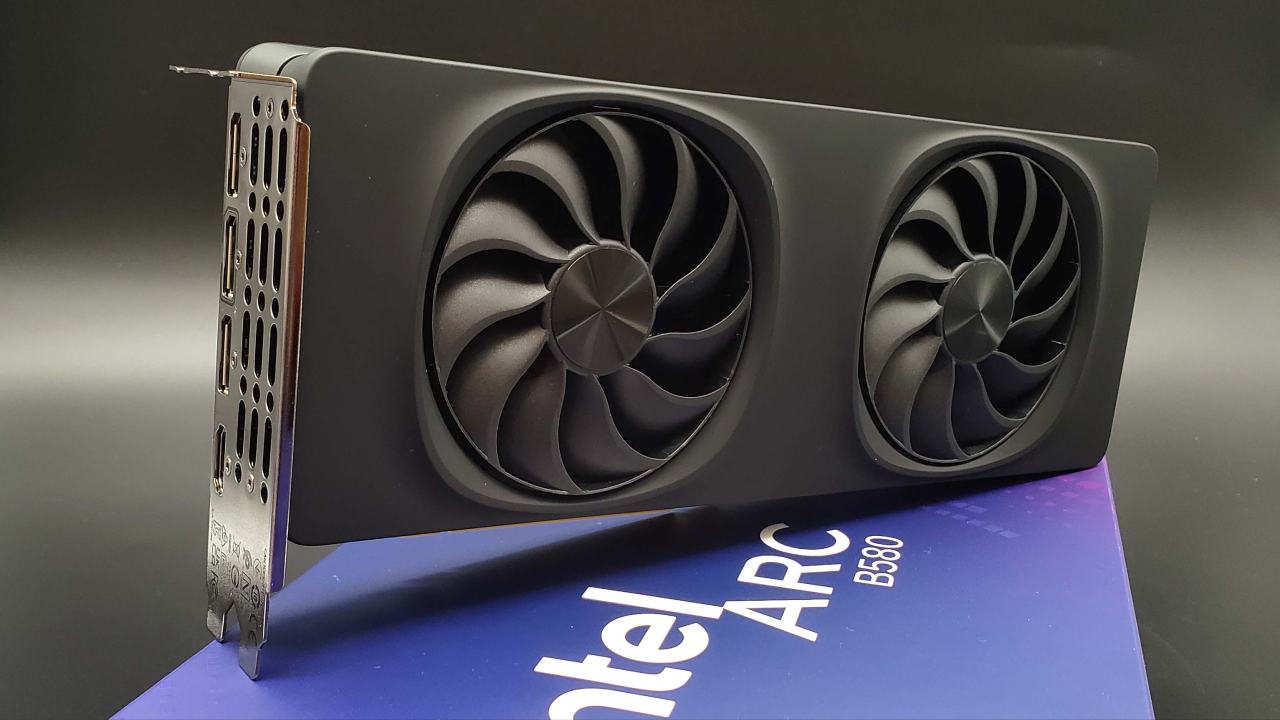
Intel B580 Keeps the Budget Market Competitive
AMD has improved with RDNA 4 and FSR, but Nvidia is still better for some creators, AI, and tasks that rely heavily on ray tracing. That being said, what are you paying for? At this price, the RX 9070 XT is a better deal for a 1440p build where the main goal is gaming. If you use CUDA, local AI tools, creator software, or DLSS a lot, the RTX 5070 might still be a good choice, but not at any cost.
Now, look lower down the market. Intel's Arc B580 has 12GB of VRAM and is around $309. It's much slower than a 5070-class card, but it gives budget buyers more memory than many 8GB alternatives.
And this is the bigger story. Reuters reported that some of Nvidia's biggest customers have been told AI server prices could rise by more than 15% in systems shipping in early 2027 because memory costs are climbing. Reuters could not independently verify the report, and Nvidia had not officially commented. So, this is reported information, not an official Nvidia announcement.
It shows how valuable memory capacity has become across the GPU industry.
The broader memory shortage is already affecting hardware supply and pricing, with manufacturers warning that constrained memory availability could keep costs higher. So, should you wait or buy now? Don't rush to buy a new GPU if the one you have now still works well enough.
A bad price is still a bad price. If you want to upgrade soon, though, pay more attention to street costs than MSRP. Check out the RTX 5070 and the RX 9070 XT side by side for about $700. Intel's B580, which costs about $300, is worth a look.
And don't pay a huge premium just because one card has more VRAM. The risk in late 2026 is not that every GPU disappears. It's that affordable cards become less affordable while high-memory models carry bigger premiums. Buy based on performance, VRAM, software support, power consumption, and the price you can actually get.
Editor, NoobFeed
Gaming Hardware Updates
No Data.