
Cronos: The New Dawn Review
PlayStation 5
When the survival horror comes after you.
Reviewed by Azfar Rayan on Sep 04, 2025
Giants have long been a staple of the survival horror genre. Some of the best title series ever are Resident Evil, Silent Hill, and Dead Space. Their mix of terror, tension, and atmospheric settings made a lasting impact on the history of video games. For years, Bloober Team tried to carry on that legacy by making games like Layers of Fear and The Medium.
These games had a lot of potential, but they often fell short due to uneven pacing and an over-reliance on jump scares. The studio's reputation underwent significant changes, though, when they made the well-received remake of Silent Hill 2. That success raised an important question: could Bloober create something entirely new, one that wasn't rooted in nostalgia or old legacies?
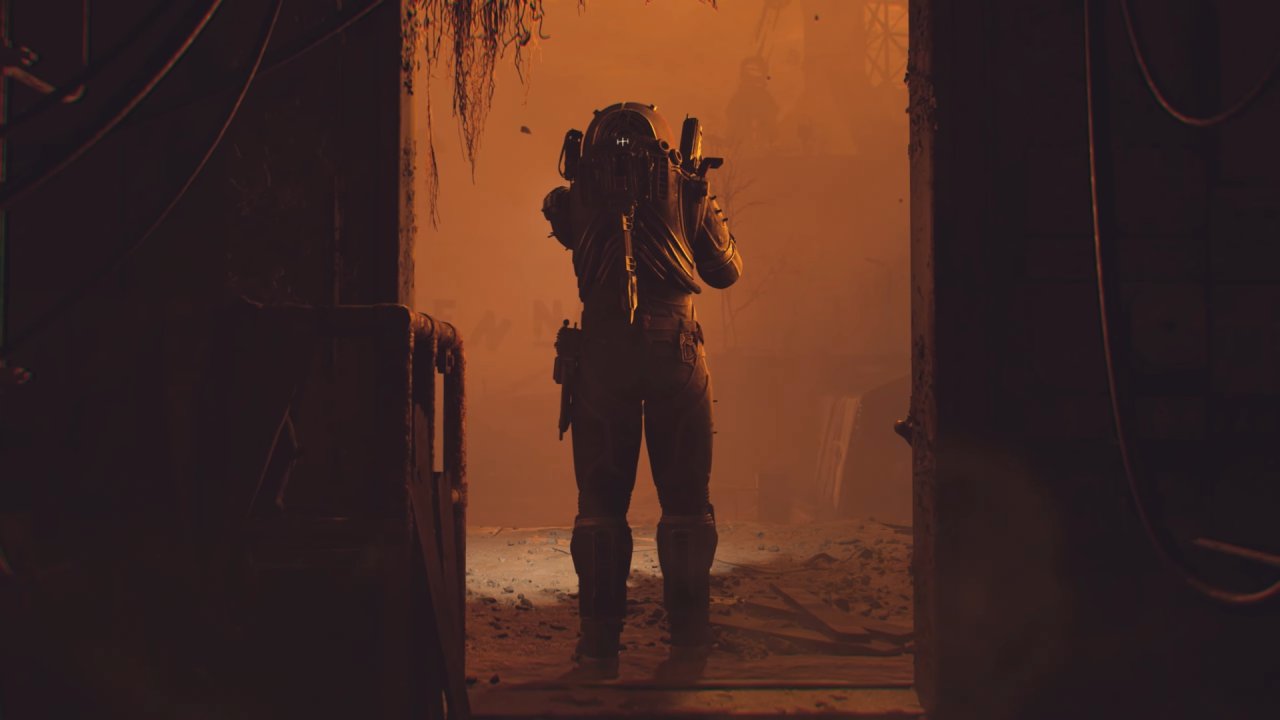
The answer is Cronos: The New Dawn, a bold, brutal, and unrelenting return to pure survival horror. It doesn't just show its influences; it breaks them down, plays with them, and adds scary new mechanics that make the genre feel new again. This game is both oppressive and exciting. It makes you work for every bit of progress and reminds you that death is only one mistake away.
The story takes place in a different Poland that has been ravaged by an event known as "The Change". This strange disaster caused a pandemic decades ago that turned people into horrible mutations known as Orphans. Poland never moved away from authoritarian rule, unlike the rest of the world after the fall of the Iron Curtain.
This left its people stuck in a suffocating mix of propaganda, surveillance, and decay. You are ND3576, a Traveler who has sworn loyalty to a secret group called the Collective. Travelers have a duty that goes beyond their own lives. They have to follow the paths of those who came before them. Their goal is to uncover the truth about what happened during the Change and prevent the world from ending. ND3576 is wearing a faceless temporal suit, which takes away its individuality.
Instead of being a character, it is more like a vessel for the will of history itself. The quality of Cronos: The New Dawn's world-building is among its most significant accomplishments. With abandoned Soviet-era factories, dilapidated housing complexes, train stations teeming with pulsing biomass, and underground laboratories, the terrain is hostile everywhere you look.
With each hallway, flickering light, and locked door, this is more than just a background—it's a character unto itself, trapping you. Everybody who has been left to rot, every piece of trash, and every wall bears the words "The Change". Cronos keeps ND3576 at a distance on purpose, unlike many horror games that rely on players getting emotionally attached to the main character.
The way she speaks is cold and robotic, which shows that she doesn't have much of a personality. This makes her more of an observer, a witness to a world that is dying, than a person who is involved in human drama. This separation might feel strange at first. However, as the story unfolds, it becomes clear that the main point isn't ND3576 as a person; it's the cycle of failure and obsession that leads to the end of humanity.
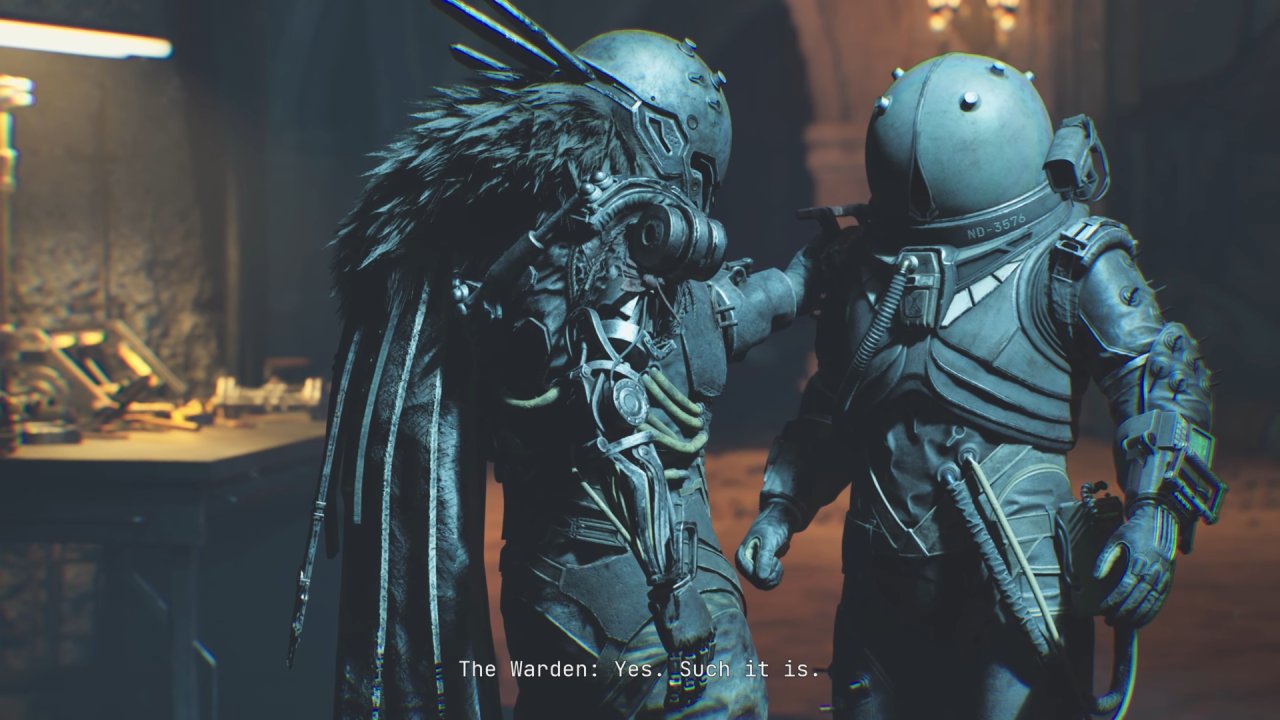
As you explore, you find bits and pieces of the past, like propaganda posters promising salvation through the Collective, desperate audio logs from survivors holding on to hope, and research notes about the Orphans' horrible mutations. The writing doesn't use melodrama; instead, it takes a cold, almost clinical look at despair. This approach to telling the story makes it seem as though the Traveler's journey isn't personal; it's historical.
Some people might miss the emotional hooks that come with stories that focus on characters, but this detached way of telling stories feels planned. It reminds me of the genre's roots, where mood and moral ambiguity often took over from sentimentality.
As soon as you take charge, it's clear that Cronos: The New Dawn doesn't want you to feel at ease. ND3576's heavy suit makes him look weak, and his movements are slow and deliberate. You can't run away from danger; you can only jog stiffly, which doesn't get you very far away from the horrors that are after you.
There aren't enough resources. It's so hard to get ammo, healing "shell patches," and flamethrower fuel that every shot feels like a risk. There are only a few slots for inventory space, which makes it hard to choose. Do you have an extra healing patch or room for shotgun shells? Do you risk leaving behind flamethrower fuel, even though it's the only way to stop enemies from getting stronger? These little choices add up, making each run a tense balancing act between getting ready and staying alive.
Traveler Outposts, also called "safe rooms", are places where people can stay for a short time. With their soft music and low lighting, they seem almost holy—a weak illusion of safety before going back into the nightmare. But even here, you never really let go of your breath, unlike in Resident Evil's typewriter rooms. The game makes safety feel like it won't last, but that's not the case.
Cronos: The New Dawn's combat is both planned and brutal. You use pistols, shotguns, submachine guns, and later, heavier experimental weapons. None of them ever gives you a sense of power. You have to be very careful when you aim, and many guns need to be charged before they can fire, which makes you vulnerable at the worst times. Not only are missed shots annoying, they're also terrible.
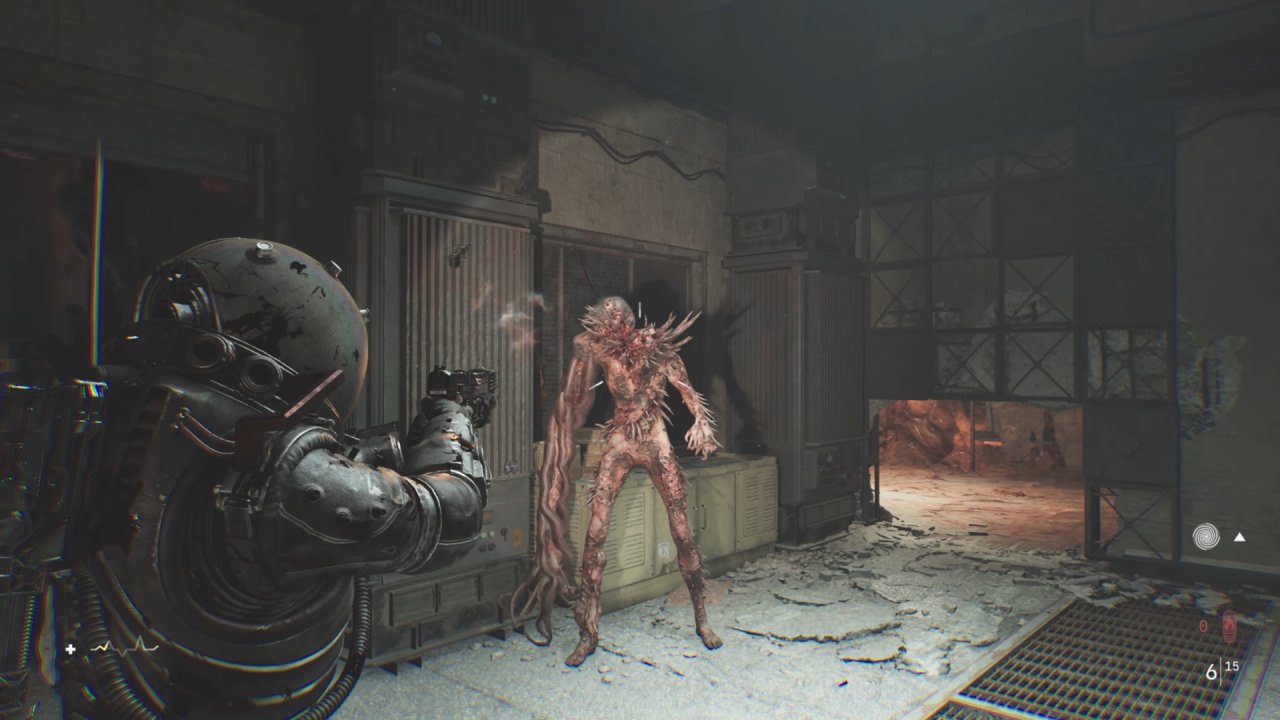
The Orphans are horrible enemies, with bodies that resemble Cronenbergian monsters, featuring writhing flesh and heads that grow in different directions. They lunge at you with shocking speed, and if you're not careful, they can easily overwhelm you.
The "merge" system, on the other hand, is the scariest mechanic. If you don't burn fallen Orphans with your flamethrower, other people can eat their bodies, which will make them stronger and more terrifying. What could have been a manageable fight quickly turns into a desperate battle against giant, unpredictable monsters.
This mechanic ensures that battle is never just about staying alive; it's also about planning. If you kill an enemy without burning the body, you might save flamethrower fuel now, but it could cause a lot of trouble later. Every fight turns into a high-stakes puzzle of how to use your resources and plan.
Cronos: The New Dawn features puzzles in its environment, a common element in survival horror games. These include doors that are locked with a code and hidden in propaganda posters, as well as machines that require parts scavenged from other sources. None of them is as complicated as the famous Silent Hill riddles, but they do the job: they slow down the pace, reward you for paying attention, and keep you on edge as you look for answers in dark places.
Exploration is fun but risky. Optional rooms often have necessary upgrades or lore, but they also have some of the scariest encounters in the game. It's always a trade-off: you can either take a chance and explore more for a possible reward, or you can save your resources and go back. That tension is what makes the game so exciting.
You can move forward by collecting temporal cores and upgrading your weapons. Do you increase your health to live longer? Get more space for your inventory to improve flexibility? Or increase the number of weapons you can carry to cut down on reloads in fast-paced situations? These choices have a significant impact on how you play the game.
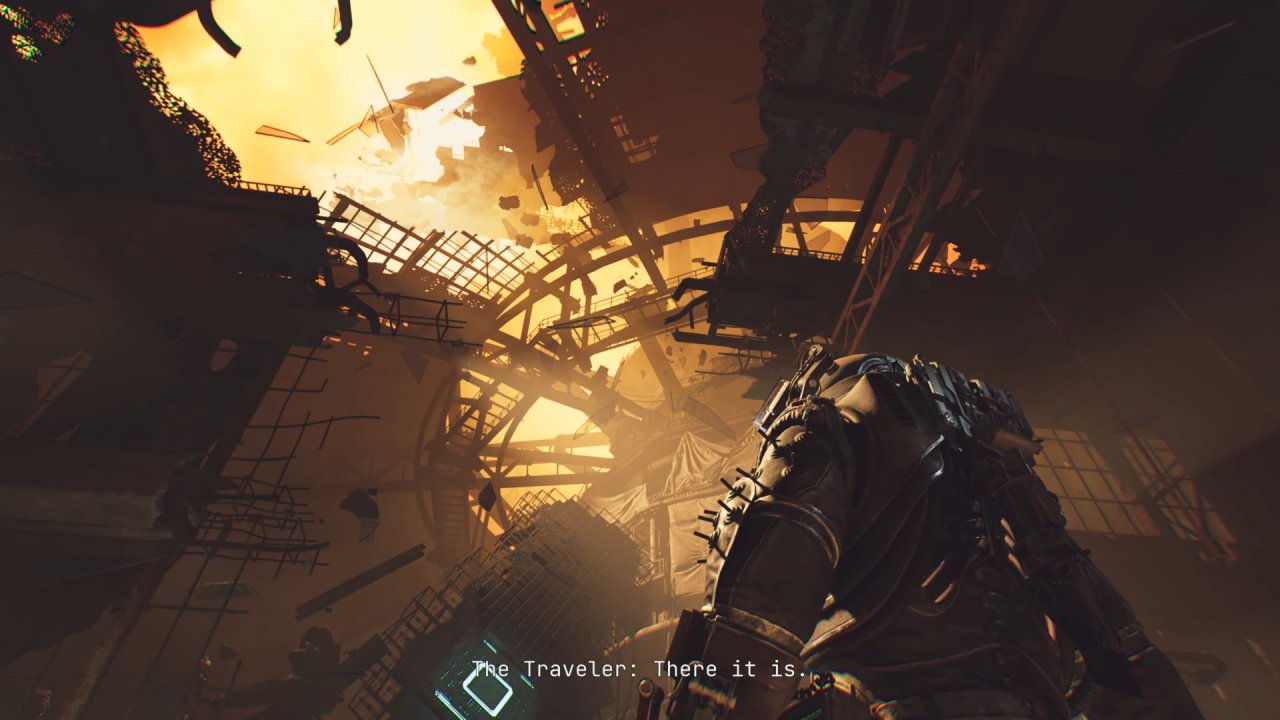
These choices make the game replayable. A run that focuses on endurance is very different from one that focuses on firepower. Because enemy merges are so unpredictable, no two playthroughs are the same. You can also piece together different storylines depending on how much you explore, which adds to the replay value.
If Cronos: The New Dawn's claws are its teeth, then its atmosphere is its jaw. The places are full of rot, and every hallway has shadows that seem to move when you're not looking. Soviet-era buildings and organic infestations don't mix well, creating a visual language where order breaks down into chaos.
The lighting is very well done. Dark corners hide both dangers and treasures, and flickering bulbs give you a false sense of safety before plunging you into darkness. Cronos: The New Dawn doesn't use jump scares as much as some newer horror games do. Instead, it uses silence, space, and the fact that danger could show up at any time as weapons.
The sound design is just as important as the visuals. The music is elementary, with only droning hums or faint echoes most of the time. Silence isn't empty; it's heavy, making every creak and every distant roar of an Orphan sound louder. The combat scenes break that silence with loud, chaotic crescendos, but the game always pulls back and leaves you in uneasy silence again soon.
There isn't much voice acting, and ND3576 speaks in a monotone voice that matches her faceless identity. Audio logs and propaganda broadcasts fill the void, adding a layer of dark history and ideology to the world. It's a soundscape that always keeps you on edge and never lets you relax.
You can't help but compare Cronos: The New Dawn to other games in its genre. Its lack of resources reminds me of the first Resident Evil games; its body horror is reminiscent of Dead Space, and its dark, oppressive tone is akin to Silent Hill. But it never seems like a copy. The merge mechanic, the Traveler lore that is only available for a short time, and the fast-paced, brutal combat all make it stand out.
.jpg)
In many ways, Cronos: The New Dawn is like the spiritual successor to the golden age of survival horror, a time when games weren't afraid to scare, frustrate, and punish players equally. Not everyone will enjoy Cronos: The New Dawn. It can be punishing, overwhelming, and emotionally distant at times. But for people who really want to be scared, it's a work of art in terms of design and tension.
Bloober Team has shown that it can make new legends, not just remake old ones. The scars that Cronos: The New Dawn leaves behind last long after the movie ends. The horrible enemies, stuffy atmosphere, and constant moral choices about survival make it one of the most memorable horror experiences in recent times. Yes, it's brutal, but it's also brilliant—a game that you have to survive, not just play.
Senior Editor, NoobFeed
Verdict
Cronos: The New Dawn is a masterclass in survival horror, characterized by its lack of resources, horrible enemies, and suffocating fear. A hard-fought but rewarding victory that makes Bloober Team a modern master of the genre.
88
Related News
No Data.