
Cult of the Lamb: Woolhaven Review
PC
A smart, system-driven Expansion that adds Tension without losing the game’s distinct personality.
Reviewed by Asura Kagawa on Feb 05, 2026
It seemed like Cult of the Lamb should never have done as well as it did when it came out in 2022. At first glance, it looked like it would be just another roguelite game in a genre that was already very crowded, using familiar dungeon layouts and procedural runs. Name, not technical depth, was what made it unique.
Huge Monster, the company that made the game, dared to mix the relaxing rhythms of village management with dark humor that was almost sacrilegious in its references to religious symbols and practices. In the name of faith, you were told to take care of a cult of cute animals by teaching them new things, taking advantage of their labor, and sometimes killing them.
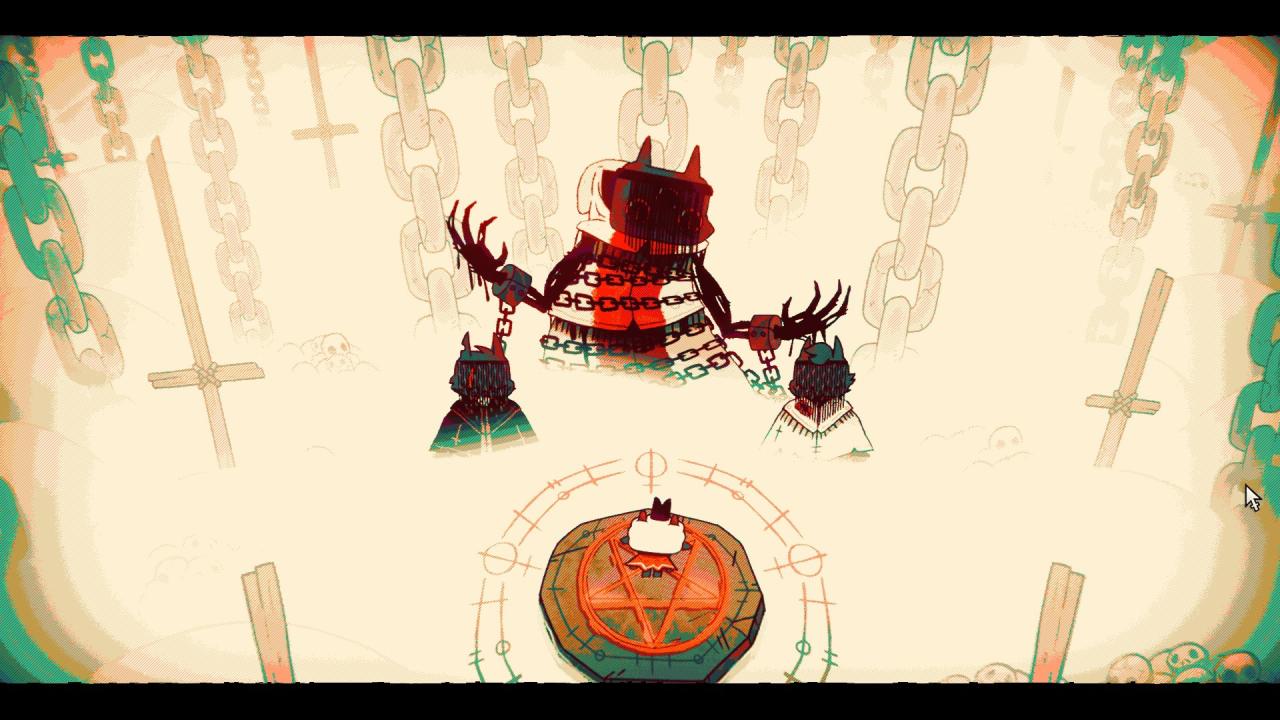
Since it came out, the game has had a steady stream of changes that added new features without taking away from what made the game fun in the first place. Woolhaven is the most ambitious of these projects; it's a full expansion that doesn't just add content; it also tries to shake up the comfort that long-time cult leaders may have gotten used to.
Woolhaven is definitely meant to be late-game stuff. It doesn't try to draw you in or tell the story of the base game again.
Instead, it relies on familiarity and skill, and it only unlocks after big goals have been met. When it's ready, a new road will appear near the cult grounds. It will lead to a frozen ancestral homeland that is buried under snow and decay. The tone changes as soon as this spot is shown. This isn't just another area to take over; it's a chance to face the past.
Winter is now both a storyline and a gameplay feature thanks to the expansion. What used to be an easy, almost cozy routine is now much harder to handle. Woolhaven is there to warn you that in Cult of the Lamb, stability is short-lived and comfort can be taken away at any time.
The story of Woolhaven is about claiming back a land that used to belong to the lambs but is in ruins because of divine war and neglect. You follow the lead of a winter god who vows to fix things and get revenge on those who hurt the land.
To do this, the souls of our ancestors who have died must be brought back from the mountain and its dark depths one by one. Each spirit you bring back makes this god stronger, but it also makes winter's hold on your group stronger. This causes tension in the story that is similar to the tension in the game, since progress always comes with a cost.
The story builds up slowly, depending on mood, environmental storytelling, and unsettling hints instead of a lot of information. Even though the main plot is pretty easy, it adds to the game's history and reinforces its main idea: devotion is never free, and gods rarely do things without a reason.
At its core, Woolhaven keeps the familiar loop of running through dungeons and managing a cult, but it adds new systems on top of it that change the goals in a big way. The expansion's main road is a new hub area filled with NPCs who offer quests, rewards, and access to new game features.
Wool, which can mostly be gotten through farming, a new way for people in the cult to raise animals, becomes a valuable commodity. To get the best resources, these animals need to be fed, looked after, and kept happy. This method adds to the emotional tensions that the show is built on, as love and abuse exist in an uncomfortable balance.
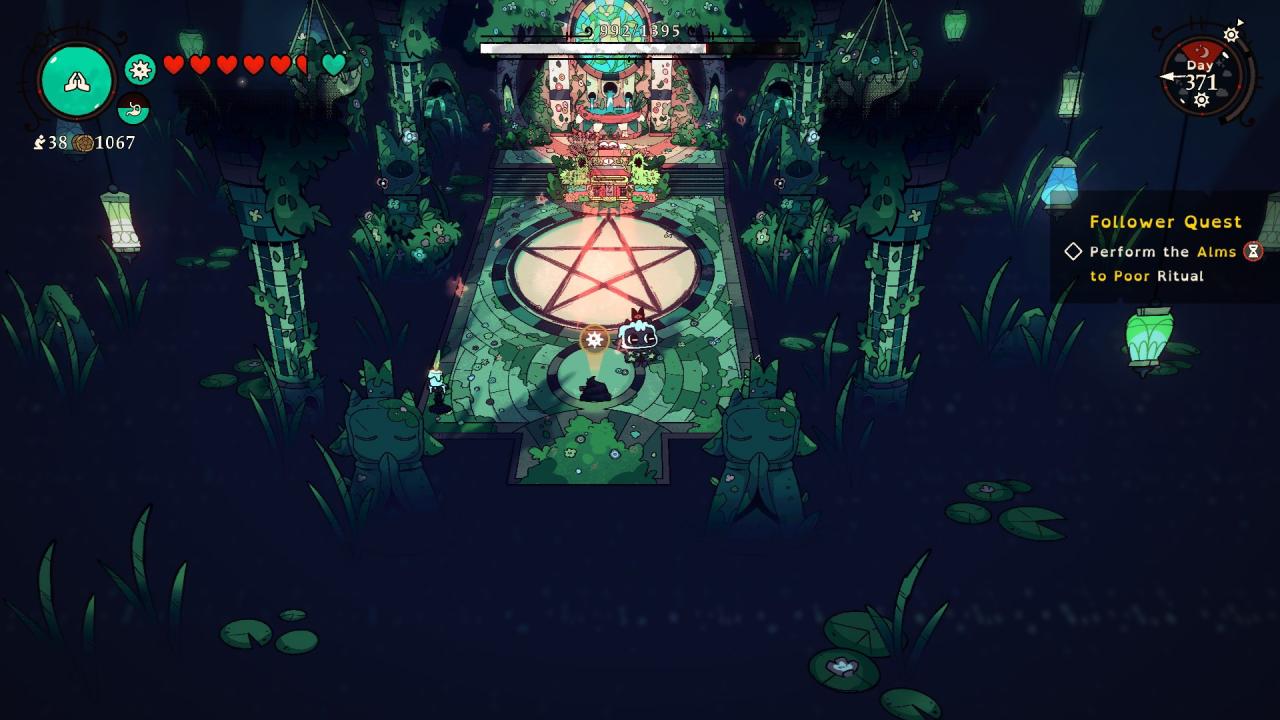
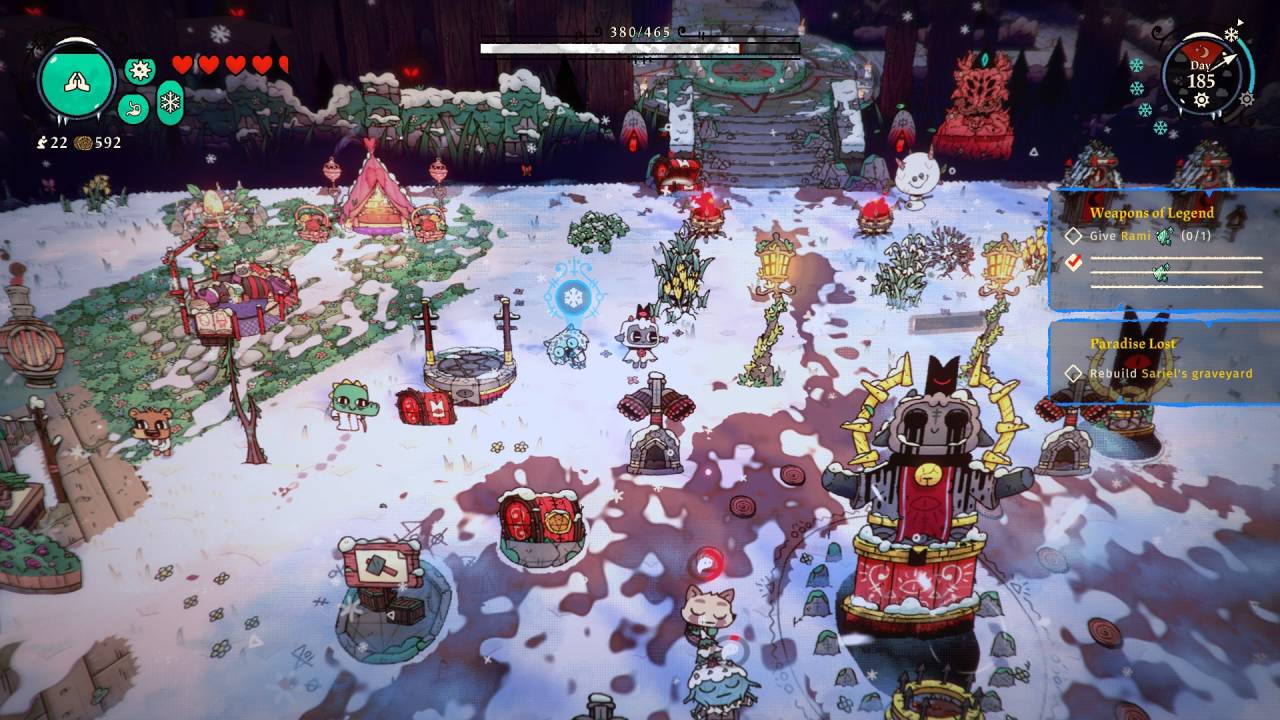
The cult can grow even bigger by adding new buildings that are meant to fight the effects of winter. Heating structures, saunas, furnaces, and traditions are some of the ways that followers stay alive when the weather gets cold. Because these systems work together so well, it's hard to ignore any one part without causing other parts to break.
The most important change to Woolhaven is the addition of winter as a changing natural threat.
Winter isn't just a change in how things look; it affects almost every part of the game. Crops freeze and can't be used, food output slows down a lot, followers get sick more often, and it's harder to get around the camp. The nights get longer, and disasters happen more often as winter gets worse.
This makes you change the way you think. Suddenly, storing resources is important again. Planning for infrastructure is no longer a choice; it's necessary. Once, the cult ran easily on autopilot, but now it needs constant attention. For some of you, having stockpiles may soften the blow, but winter still manages to bring back stress and uncertainty, especially in the beginning.
Woolhaven adds two new dungeon areas that are important for progress: a frozen mountain and a horrifying, rotting underground. Both are some of the most beautiful places in the game to look at. The mountain is harsh and dangerous, and it is full of enemies that look like wolves and use ice, wind, and lightning to hurt you.
The rot area, on the other hand, is a nightmare of flesh, decay, and infection, and the environment seems alive and hostile. In terms of how they work, these dungeons follow the standard room-based layout, with fights, branching paths, and prizes that are directly linked to cult survival. Even though enemy patterns are creative, fighting is still simple.
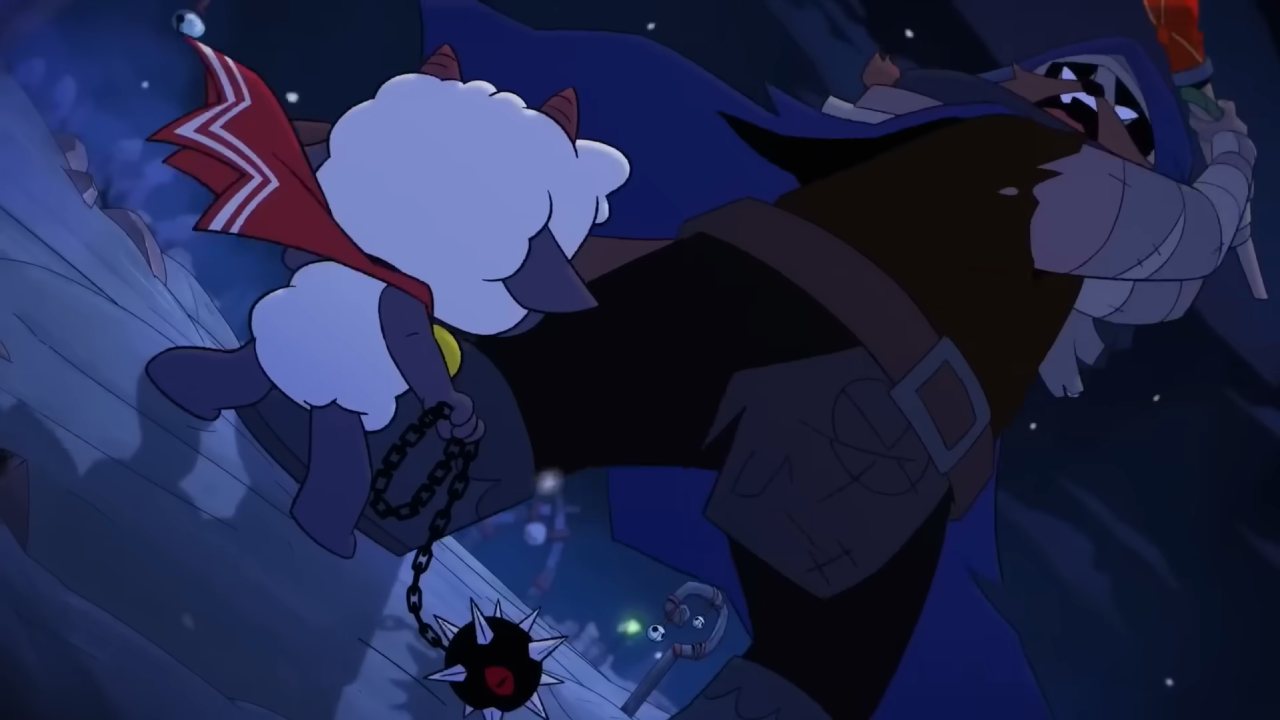
In encounters, speed and showmanship are often more important than strategy, and you who play aggressively are more likely to win than those who plan carefully. A new flail weapon is a nice change of pace for fighting because it lets you attack from a distance, control crowds, and move around in ways that other weapons don't.
The new treasures and tarot cards add to the variety of builds that can be used, giving each run a slightly different feel.
Even with these changes, though, fighting still isn't as deep as some might like it to be. Even though boss fights are exciting to watch, they don't usually require long-lasting involvement or changing your strategy. Because of this, fighting is always fun but never really complicated.
In the bigger picture, it does what it's supposed to do, but it's rarely the best part of the experience. This game's simplicity may be a good thing for people who care more about the mood and progress than about being good at the mechanics.
In Woolhaven, getting better isn't based on standard experience points as much as on acquiring resources and unlocking systems. Every dungeon run helps the group stay alive, especially in the winter. Getting an important new resource from the rotting areas is needed to power heating systems, which connects success in battle directly to life at home.
There is a real sense of pressure from this. Failure on a run doesn't just slow down progress; it puts people at risk of freezing, going hungry, or even dying. On the other hand, accessibility choices let you change how hard something is, so this pressure never gets too much. The game's progression is still steady and fun, but as a veteran, you may find that they are too advanced, which lowers the general sense of danger.
Taking care of the cult in Woolhaven seems harder than at any other time in the game. Followers who are getting old need to be replaced, food shortages need to be planned for, and the mood needs to be carefully kept up. New traditions, like social systems that make followers' relationships stronger, are both useful and fun.
Adding organizations that focus on temporary labor adds another level of decision-making, making things more efficient at the cost of being temporary. At first, balancing these systems can be hard, especially for people who haven't used them in a while. But clear lessons make the process easier. Over time, the chaos falls into a rhythm that is hard to handle but not impossible.
Woolhaven is a beautiful work of art. The expansion is all about contrast, with cute character designs set in dark, often upsetting settings.
Over time, the ancestral village changes from a lifeless ruin to a thriving community. This is a satisfying change to both the eyes and the heart. The rot areas take the art style of the game to its utmost, accepting excess and silliness in a way that is meant to be uncomfortable.
The idea that the world is responding to your actions is strengthened by the fact that lighting, color palettes, and environmental features change with the seasons. One of the game's main strengths is still its strong visual character. Sound design is an important part of selling Woolhaven's mood. It's disturbing to hear the howling wind in the winter, the crackling of fires, and the scary sounds of rotting areas.
The music goes really well with these parts; it has a mix of creepy tunes and soft ambient tracks that never get too loud. The music changes quickly between calm and tense, which helps with both planning and exploring. As a result, there is an audio landscape that makes the experience more immersive and emphasizes the emotional weight of life and devotion.
Cult of the Lamb: Woolhaven doesn't make the game completely new, but it does make it better and more difficult. The expansion brings back a feeling of tension that may have gone away over time by making winter a constant threat, making it easier to manage cults, and adding new regions with lots of interesting themes.
It has the usual problems: combat is still very simple, and the challenge can feel easy for you. But these flaws don't really hurt the expansion's strong points. Woolhaven works because it knows what makes Cult of the Lamb interesting in the first place—difference, mood, and moral unease—and builds on those strengths with care and confidence.
Staff Writer, NoobFeed
Verdict
A big expansion of the atmosphere that makes the Cult of the Lamb's systems stronger and brings back stress for winter and survival. Woolhaven is worth playing because of how well it looks, how well it fits together, and how important the themes are.
70
Related News
No Data.