
Cairn Review
PC
When each hold is a choice, and the mountain never forgets.
Reviewed by Nusrat Choity on Jan 30, 2026
The Game Bakers is making Cairn. This studio has quietly built a reputation for trusting you, which is something that many writers are afraid to do. Their games usually focus on one main idea and study it in depth, rather than giving you too many tutorials, systems on top of systems, or constant feedback. For Cairn, that thought is both incredibly simple and brave: climbing, and only climbing.
The act of rising is usually in the background of games. You hold down a button, watch a video, and get to the top. It doesn't cause any problems, looks great, and is easy to forget. Cairn exists almost as a protest against that way of designing things. It says, "What if it was hard to climb?" What if it took a long time? "What if it made you pay attention like the real thing does?"
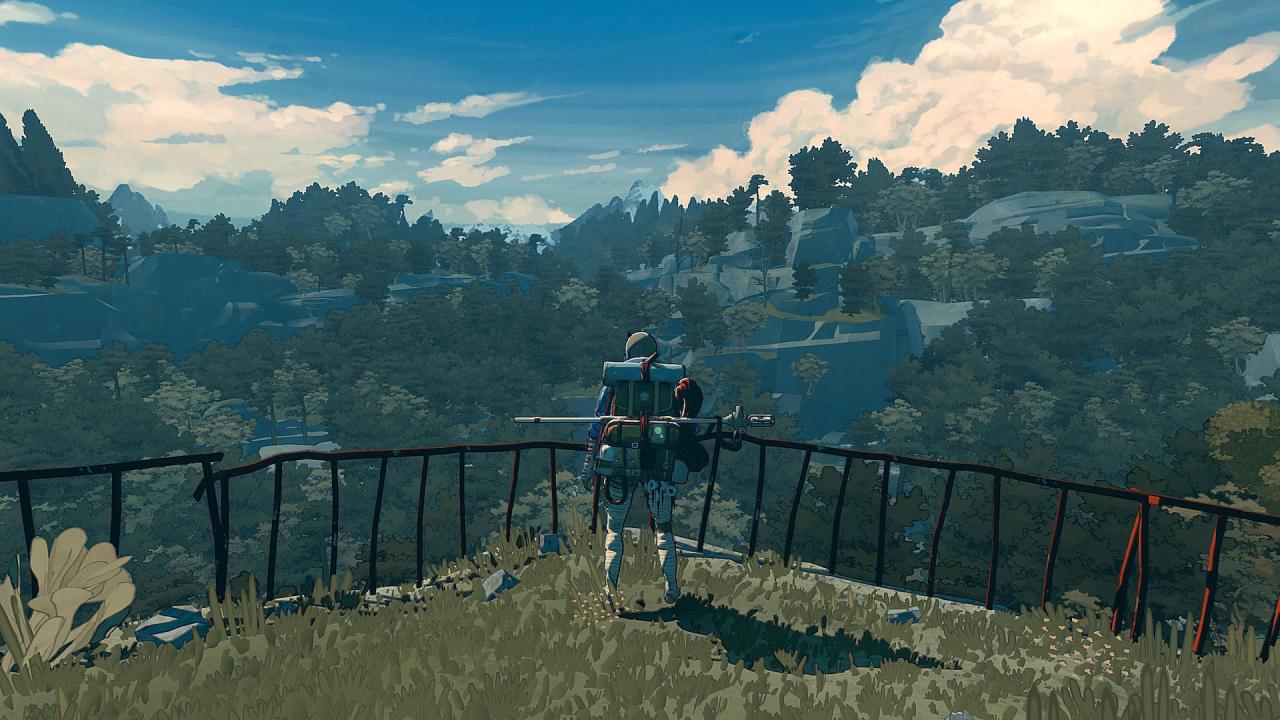
This style is based on that question in every way. Cairn isn't trying to be flashy or easy to get to in the usual ways. It wants to be honest. Being honest about being tired. Being honest about the risk. Be honest about how small you feel when you're holding on to a rock wall with just your hands, your nerve, and your plans.
It's clear from the start that this isn't a game about climbing a mountain, but about making deals with it.
As Ava, a world-class climber, you try to reach the top of Mount Kami, a hill known for being very dangerous and having a high death rate. It's been done before. Many didn't make it. All over the mountain, their broken gear, empty camps, and last texts still tell you what failure looks like.
There is a lot of silence, control, and breaks in the story in Cairn. Long cutscenes don't show Ava's past or explain why she does the things she does. Instead, you put together her story through short talks, audio logs, environmental stories, and times when you think about her. What comes out isn't a dramatic story of salvation, but something more real and human.
Ava isn't after fame. She is running to get clear. The mountain stands for freedom, integrity, and command in a life that seems to be getting more crowded and tainted. Families back home are having a hard time. Expectations are too much to handle. Easy things happen on the hills. You either go up or down. You will either get ready or pay the price.
You can't tell from the game whether Ava's choice is good or bad. It doesn't have to. Part of what makes the story real is that it's not clear what's going on. Cairn knows that people do hard things not to prove something, but to feel something, like focus, meaning, or peace. And the mountain, which is quiet and doesn't care, becomes the right place for that inner conflict to happen.
The whole point of Cairn is to climb, and it shows. Every climb is done by hand, with care, and on solid ground. You have direct power over Ava's limbs. You can decide where to put her hands and feet and how much stress each move puts on her body. It's not about reactions. It has to do with choosing.
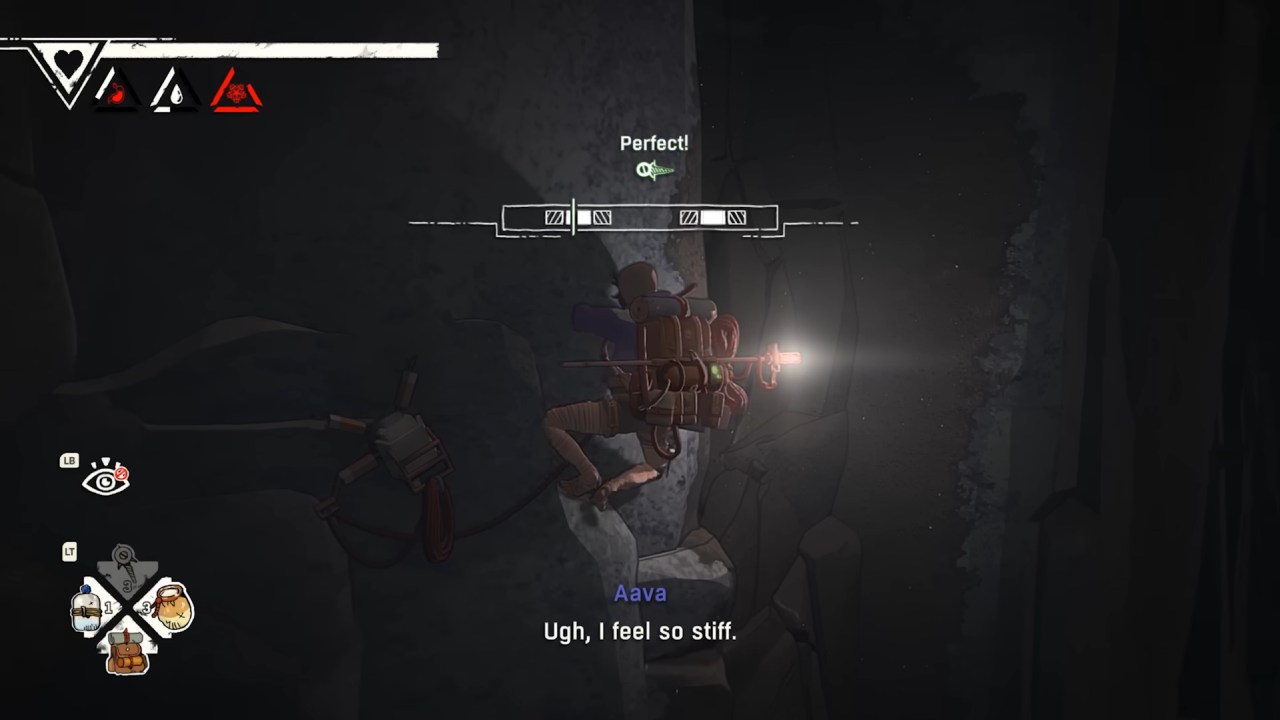
There aren't any brightly lit routes or handholds to help you climb. You have to read the rock face for yourself. Look for cracks, ledges, different layers, and shapes that could hold your weight. Some holds look strong, but when you put pressure on them, they break. There are others that look dangerous but save lives. The mountain always makes you question what you think you know.
Ava's health is shown through movement and sound instead of an annoying user interface. As her energy goes down, it gets harder for her to breathe. When she's pushed too far, her limbs start to shake. There are instant and harsh consequences if you ignore these signs and push too hard. When you fall, you hit the ground hard and quickly.
The limb control system carefully balances how easy it is to use and how deep it goes.
Automatic limb selection picks the limb that is under the least amount of stress, which helps keep the flow going on easier climbs. When things get dangerous, manual control lets you be very precise. There are times when positioning feels off with the system, but when it works, the experience is very intense. You become more like a climber instead of thinking like a button.
The most important part of Cairn is climbing, but survival tools make it more real. Performance is affected by hunger, thirst, stamina, temperature, and tiredness, but the game doesn't make these things into extra work. Instead, they show that planning ahead and going at the right speed are just as important as skill.
There is only so much room in your backpack, and keeping track of your goods is more concrete than abstract. Things don't stack right. Trash takes up room until it is recovered. You shouldn't keep everything "just in case." You have to weigh danger vs. reward every time you decide what to carry.
Pitons are very important. They serve as temporary anchors and checks, giving climbers a moment of safety on otherwise dangerous routes. But they are restricted, and pitons that aren't put in the right place can break. It is possible to fix broken pintons and use them to make a gear again. This makes mistakes into lessons instead of endings.
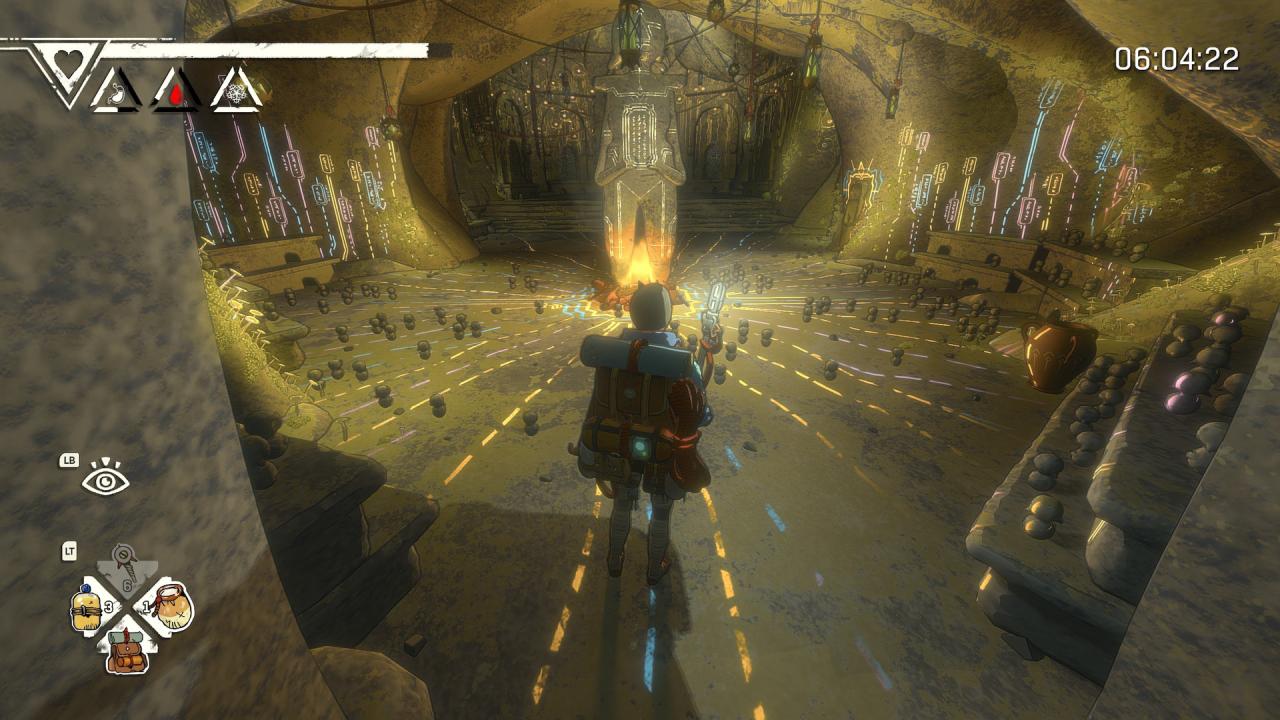
Cooking makes you think about things in a new way. For a short time, meals give short-term benefits like more stamina, less cold protection, or even saving more lives. You can use these boosts, but they're never too strong. They make preparing easier without making danger seem less important.
There isn't a normal way to level up. There are no XP bars. There is no increase. Your progress is only shown by how much you understand about the mountain and how well you make decisions. It's not the game that makes you stronger; you get stronger because you've learned.
Mount Kami is huge, open, and surprisingly free of limits. You don't get stuck on one path very often. You can climb almost anywhere, go around objects, go backwards, or try dangerous shortcuts. Because of this freedom, each climb feels like it's unique. It's quietly powerful to zoom out and see your path carved into the rock.
It records your choices and shows every break, delay, and risky choice along the way. There aren't many games that show improvement in such an honest way.
You can stay interested in something without getting all the answers by exploring it. All over the mountain, there are secret caves, old ruins, and strange things that happen. There are side goals, but you don't get them with marks and checklists; you find them on your own. It's important to pay attention.
The weather and time make things less predictable. If the weather changes, a path that seemed doable at first could become very dangerous. It's sometimes best to just stop, set up camp, and wait. Cairn doesn't make fun of you for running away. It even respects it in a quiet way.
Cairn isn't interested in photorealism or showiness. What you see is clean, controlled, and atmospheric. The huge, intimidating rock takes up most of the screen, often making Ava look small to show how weak she is.
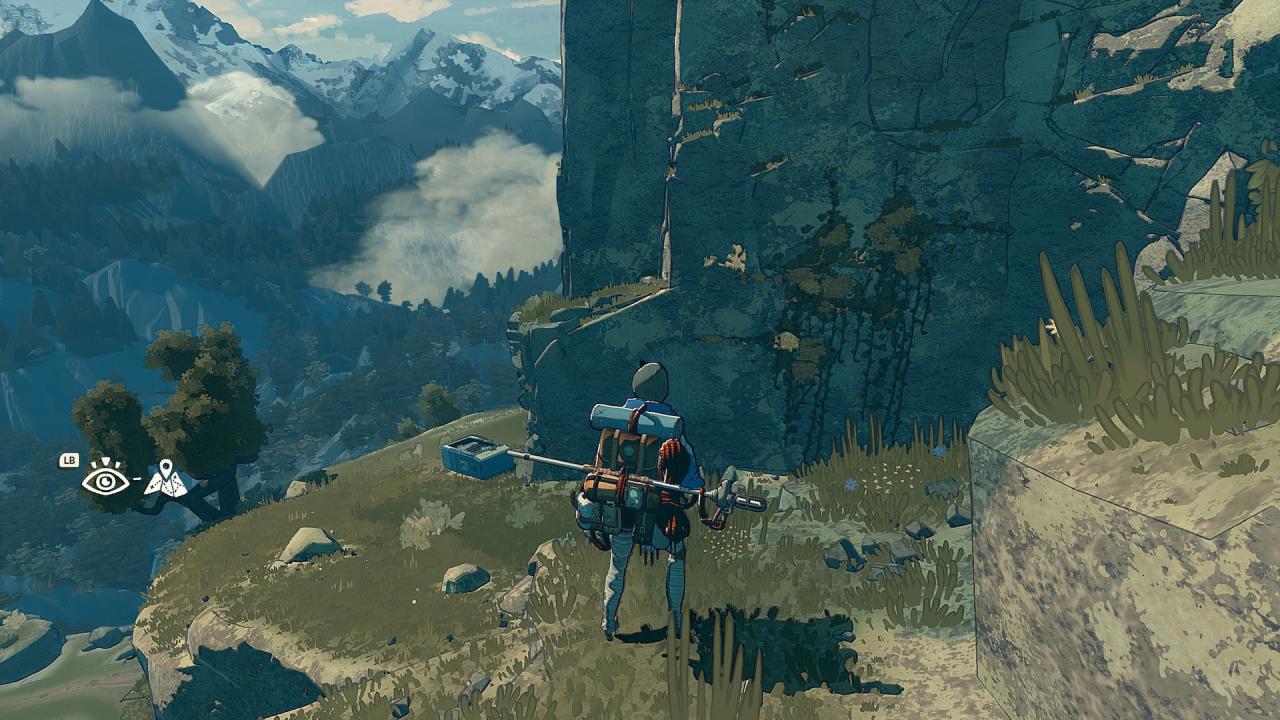
There is just the right amount of detail in the rock textures, snowfields, and faraway hills for them to feel real, without being too clear. There isn't a lot of visual clutter on purpose, especially during climbs when reading is more important than flourish.
There are some speed issues, especially when there are big views, but the slow pace of the game makes them less noticeable. The animations focus on physical reality, showing strained muscles and small changes in balance, which adds to the tactile nature of climbing.
One of Cairn's quiet skills is putting sounds together. The music doesn't play very often at climbs. Along with the sound of the wind screaming across the rock walls, the ice breaks under your weight, and Ava breathes more heavily as she works harder.
That breathing becomes a steady companion that helps you remember your limits. When Ava trips and falls, she screams in a way that is raw and scary, showing that failure has a real-world effect instead of an abstract discipline. When music does show up, it's quiet and thoughtful instead of celebratory.
It emphasizes times of rest, reflection, or finding over times of victory. Neither the mountain nor the soundtrack is happy with your victory.
Voice acting is subtle and works well. Ava sounds tired, driven, and like a real person. Conversations should never go on for too long, and sometimes, quiet is better than talking. Cairn is hard, but it's not always unfair. This is how most losers feel. Many times, you know why you fell when you do. They don't rush you or try to trick you in the game. It only wants respect and care.
There are accessibility choices that can help with some problems, but the main experience stays the same. You can't just force your way through this game. You have to be patient; it's the most important skill.
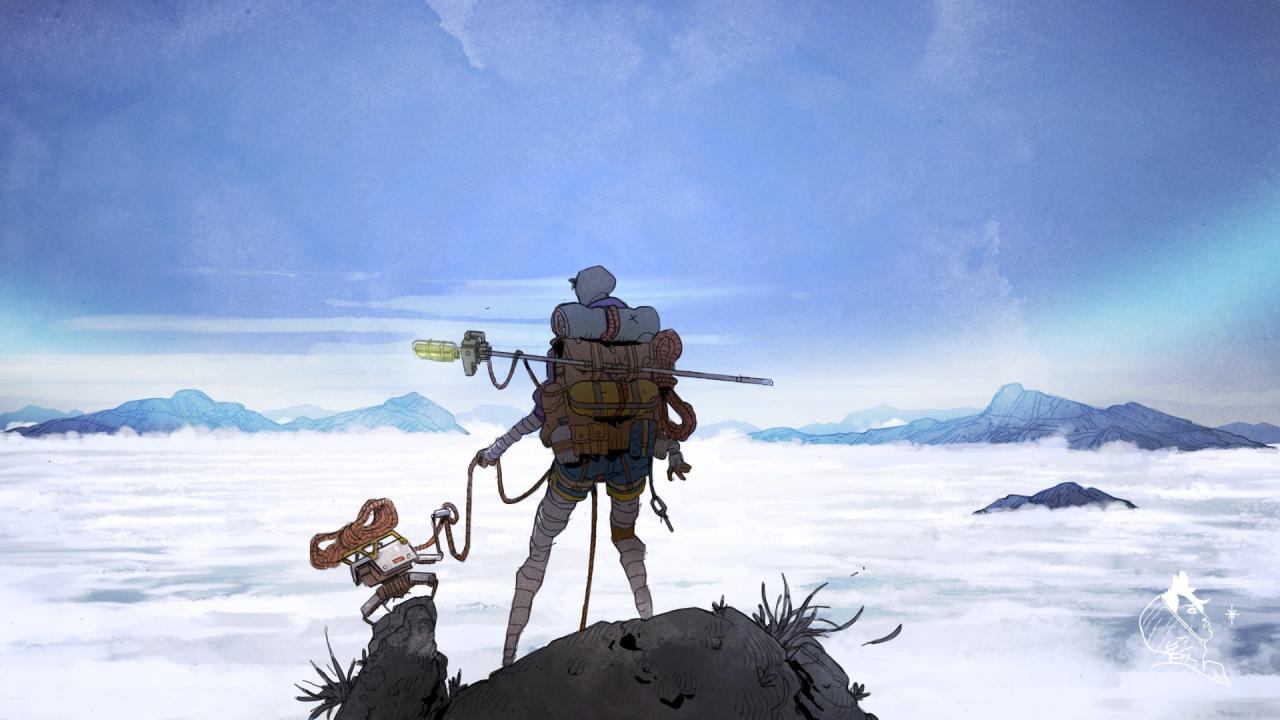
The style of Cairn isn't meant to please everyone, and it doesn't try to. It takes a long time, is hard, and can be uncomfortable at times. People who are ready to deal with it the way it is, though, can get something very special: a sense of accomplishment based on understanding rather than spectacle.
It changes failing into feedback, being careful into knowledge, and climbing into a conversation between you and the world around you. Every win feels like a victory for you. I see every mistake as a chance to learn. And the pleasure you feel when you look down from a high place you worked hard to get to is private, deep, and yours alone.
Contributor, NoobFeed
Verdict
Cairn is a tough but relaxing way to climb that puts time over strength. You have to be smart and good at making decisions, and when you keep going, you'll have times of pure, unforgettable win.
75
Related News
No Data.