
Dark Quest: Remastered Review
Xbox Series X|S
A deliberate return to dice-driven danger and tabletop roots, where modern polish sharpens a classic dungeon crawl without sanding away its old-school soul.
Reviewed by Zahra Morshed on Feb 06, 2026
Dark Quest: Remastered is both a fix and a quiet statement of purpose. It brings back into focus one of the most blatantly old-school dungeon crawlers. Brain Seal launched the game in 2015 as a digital homage to classic board games like HeroQuest. It put more emphasis on turn-based strategy and structured dungeon exploration than on trying to be a movie.
Using what we learned about technology and design in Dark Quest 4, Dark Quest: Remastered rebuilds that base. It takes an old idea and turns it into something technically modern without changing who it is. This is also the first time Dark Quest: Remastered has been properly released on platforms, bringing it to more people than just PC users.
Dark Quest: Remastered doesn't try to change the recipe; instead, it respects and stays true to what came before. Brain Seal, going back to the first Dark Quest game, shows that they believe in the main idea, not just because they like it. A better look at how the brand has changed over time is what the remake claims to be the best way to experience where the series began.
Dark Quest: Remastered moves forward without forgetting its past by updating the graphics, making the handling better, and speeding up the action. From the first trip down into the cave under Darkwood, that balance has been what the experience is all about.
The story structure of Dark Quest: Remastered is purposely simple, similar to how simple stories are told in tabletop dungeon crawls.
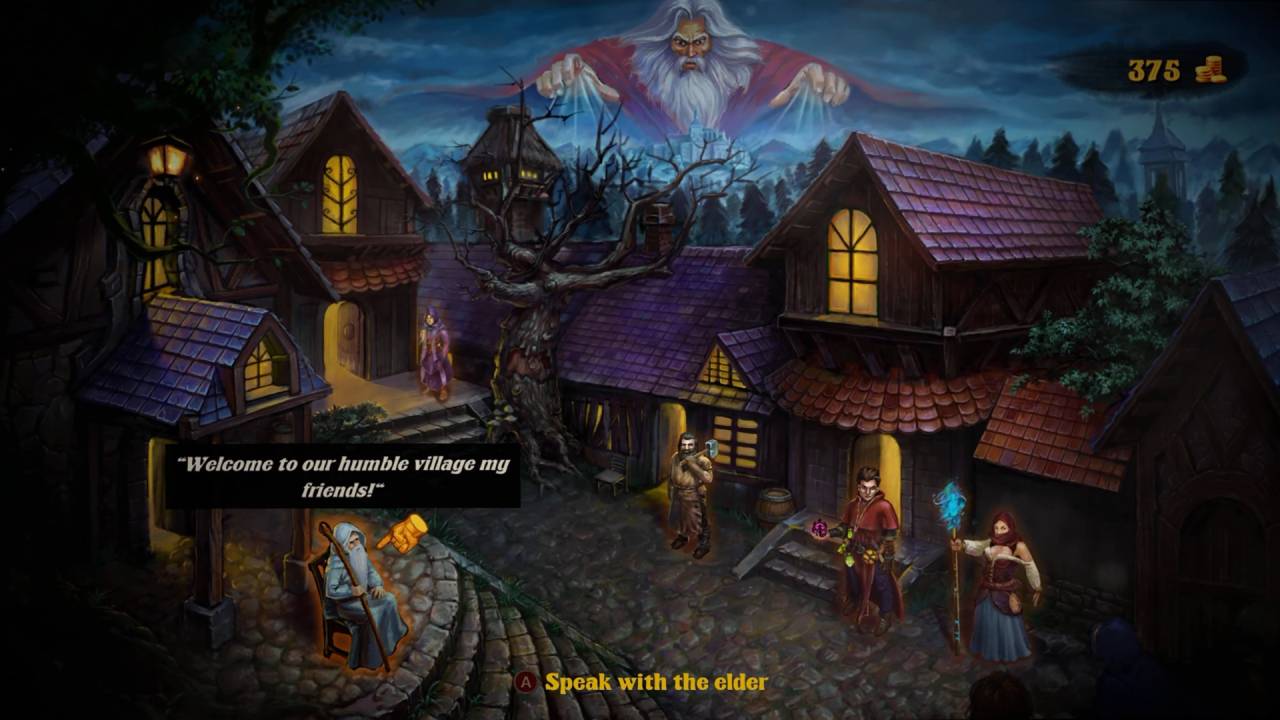
A dark sorcerer has built a stronghold under the peaceful village of Darkwood and is sending monsters into the nearby lands to cause chaos and fear. The job is clear and simple: get a group of heroes together, go down into the basement, and stop the threat where it starts. Dark Quest: Remastered doesn't try to hide how simple it is; rather, it uses it as a building block.
In place of a lot of dialogue, the story is told through clues in the surroundings and by moving forward. Every room you clear and trap you avoid makes you feel like you're making steady progress toward a single goal. There aren't any complicated plot twists or talks with multiple possible outcomes between the characters. Dark Quest: Remastered is all about mood and purpose, and players can make up their own stories for the heroes they control.
This restriction keeps the pace high, but players who are more interested in the story may want more character development. Even though the story is simple, it holds together through uniformity. At every turn, the dungeon feels like a living extension of the sorcerer's will; it's harsh and hostile. The repeated idea that the town is a place that should be saved gives background information without being distracting.
Dark Quest: Remastered knows that the story is there to back the gameplay, not go against it. That clarity helps keep the campaign on track, even when it starts to sound like the same thing over and over. You make smart choices in Dark Quest: Remastered, which is a turn-based, grid-based strategy dungeon crawler at its core. The player is in charge of a group of up to three heroes, each of which is based on a well-known fantasy character type and has clear strengths and weaknesses.
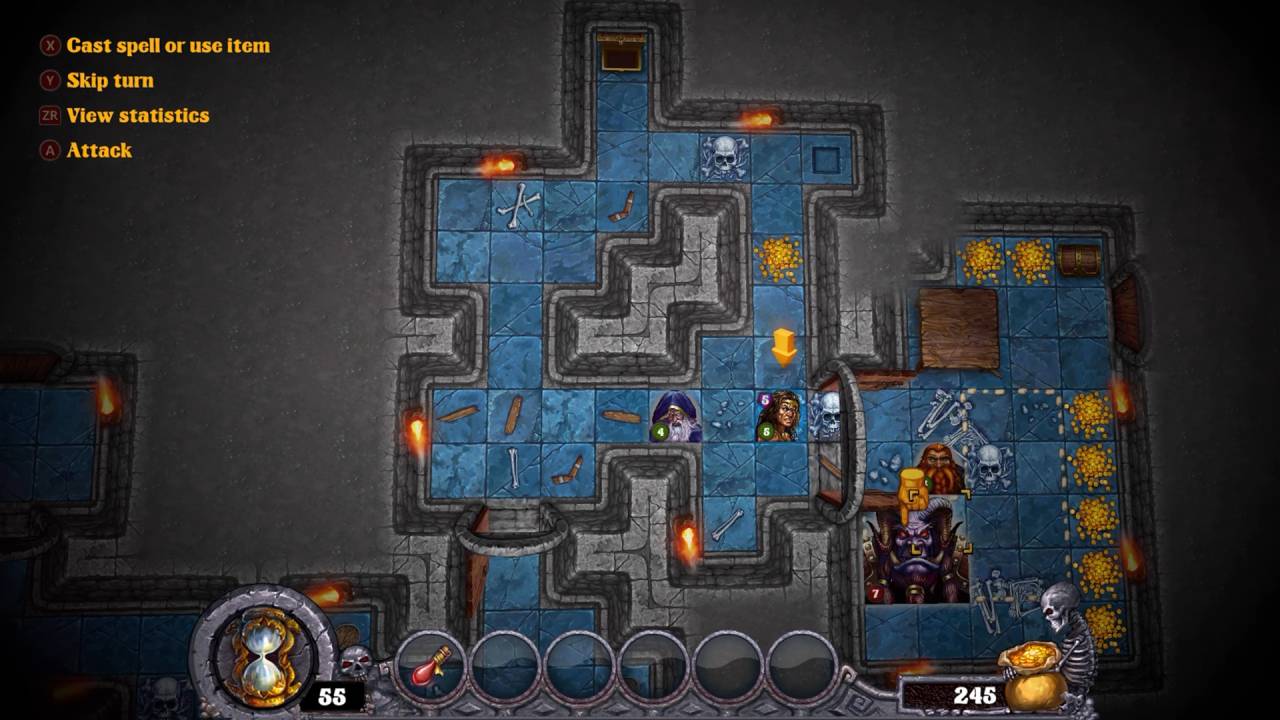
Action economy, movement, and location are all important for success. This means that every encounter is a controlled risk management exercise. Systems these days are often too busy, but Dark Quest: Remastered doesn't do that. It, on the other hand, picks readability and clarity over too much technical detail. Another part of the game's board-game roots is that exploration is done tile by tile.
When you open doors, set off traps, or show enemies, you have to pay attention rather than relying on your reflexes. Each hero has a specific strategy role that encourages careful teamwork over brute force. Dark Quest: Remastered rewards players who are patient and punishes players who rush ahead without thinking. The results are quick and often unforgiving.
This arrangement makes the game even more of an experience for players who like to think.
The remaster adds smoother animations and better input handling, which makes the flow a lot better than it was in the original version. It's faster for enemies to take turns, settings respond smoothly to controller input, and interface elements are better positioned for reading from far away. Although these changes may not seem important on their own, when put together, they make Dark Quest: Remastered much easier to play. As a result, the game works well both on a TV screen and when played on a small device.
Combat and puzzle-like gameplay go hand in hand in Dark Quest: Remastered. Encounters are planned challenges that test more than just raw numbers. They test things like spatial awareness, turn order, and how resources are used. Each type of enemy brings its own threats, which means that positioning and objectives have to be constantly reevaluated. Dark Quest: Remastered puts a lot of emphasis on planning ahead. In comparison to playing reactively, players often decide how to win several turns in advance.
With the grid-based system, small places with one lost hero can really make things tough because they can stop progress or show an ally who isn't strong enough. Magic users are skilled, but they need to be kept safe. Physical fighters need to find a balance between being bold and being able to stay alive. Dark Quest: Remastered does a great job of making each part feel unique without making things too hard to understand. Because the battle system is so clear, failures feel fair, even when the results are bad.
However, the system's reliance on chance can sometimes make strategic goals less effective. Dice-based outcomes add a level of risk that fits with the history of tabletop games. However, players who are used to systems where outcomes are always the same might find this annoying. When dice don't go as planned, an encounter can be ruined, and the players will have to either go back and try again or repeat the experience. Dark Quest: Remastered stays true to its roots in this version, but that faithfulness may make long runs more difficult.
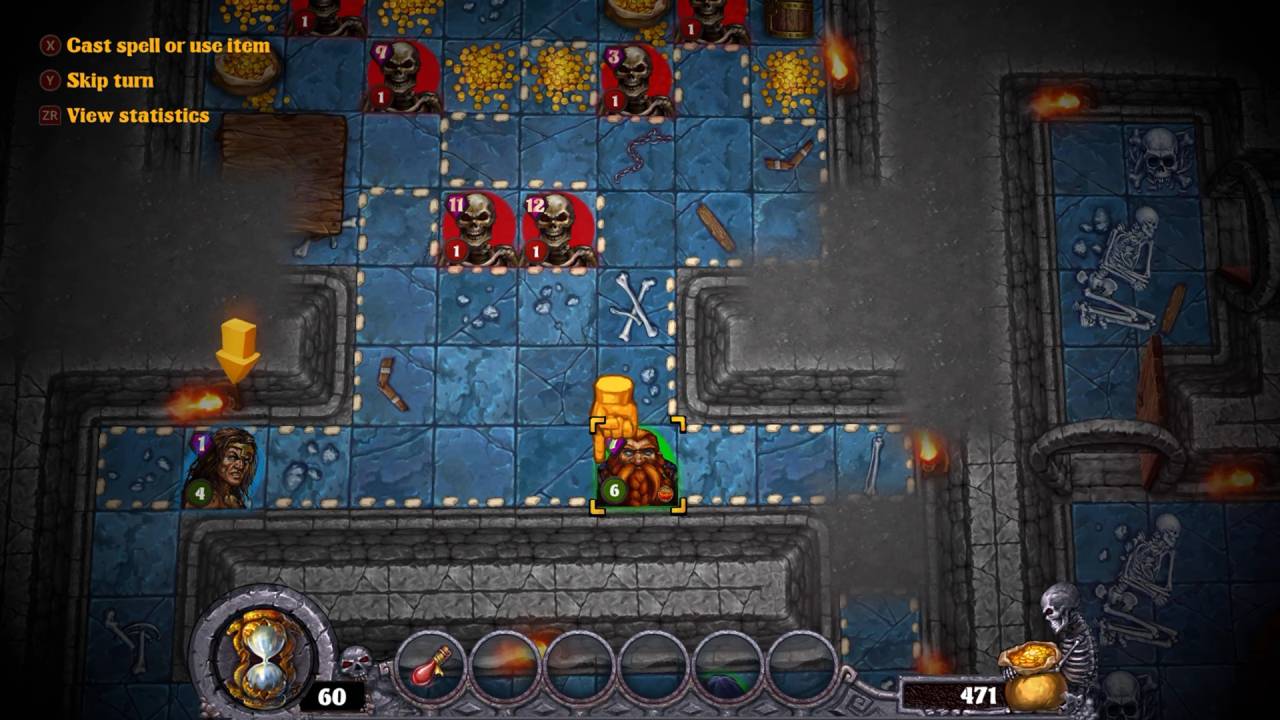
One of the best things about Dark Quest: Remastered is how well it was put together. The game makes sure that each encounter is clear and has a purpose by limiting the number of skills and variables. Over time, this method leads to mastery as players learn to spot risks and get the best position. Dark Quest: Remastered is at its best when all of its systems work together, letting you win tactical battles that are deeply rewarding.
On the other hand, the same constraint can turn into a limit. While the variety of enemies stays true to the theme, it starts to feel repetitive as the game goes on. The sense of finding is also lost when familiar patterns are used over and over again in environmental layouts. Dark Quest: Remastered depends a lot on its core mechanics to keep people interested. These mechanics are strong, but they're not always flexible.
This makes pacing harder, especially for players who want to play for longer periods of time.
Difficulty spikes make things even more difficult. Some situations become more difficult quickly, giving you little time or warning to adjust. These parts of the game make it seem even harsher, but they might turn off people who aren't very good at it. You can soften these edges in Dark Quest: Remastered, but that might make the drama less intense than it was meant to be. The balance between being real and being easy to understand stays delicate throughout.
Dark Quest: Remastered's progression is purposely subtle, which fits with the game's board roots. As you fight and move through dungeons, you earn experience points that gradually improve your hero's skills. Instead of big jumps in power, growth is slow and steady, which emphasizes how important military skill is over numerical advantage. Dark Quest: Remastered makes sure that growth helps mastery, not takes it away.
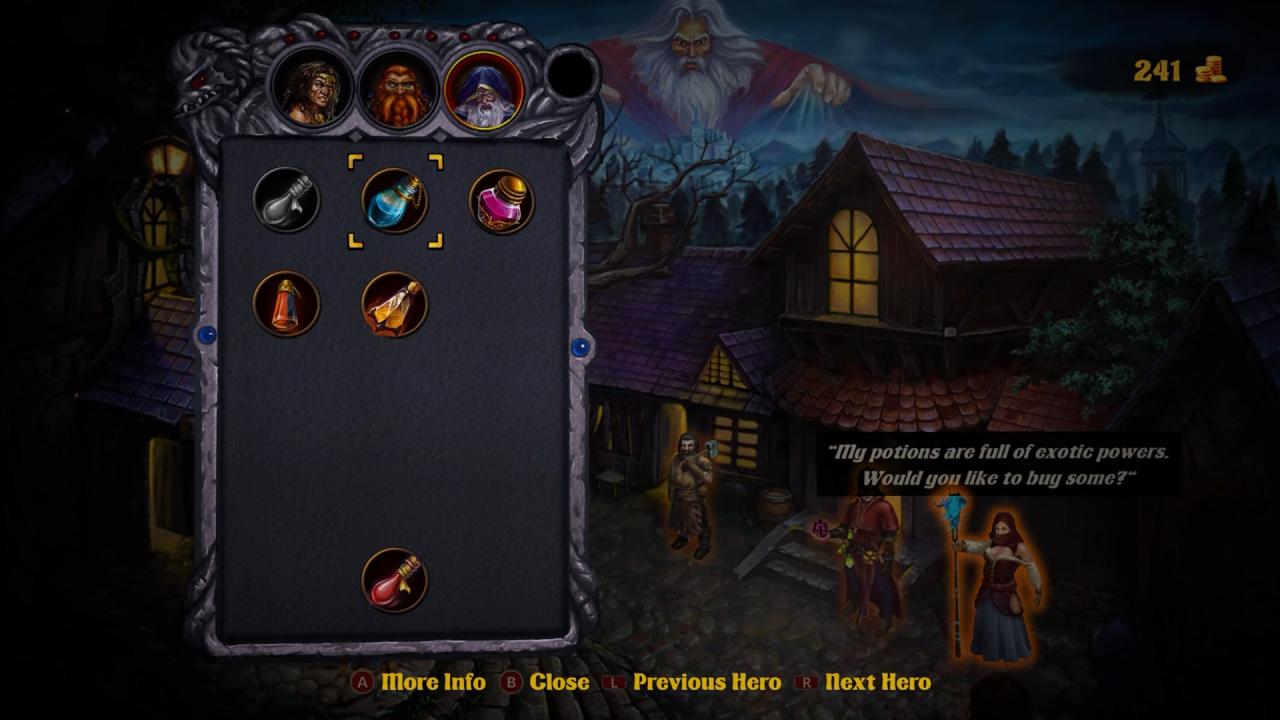
Getting new equipment is a big part of how useful something is. You can buy weapons, armor, spells, and supplies in the town with the gold you earn while running dungeons. Because resources are limited and upgrades need to be prioritized, this economy forces you to make decisions between runs that matter. In Dark Quest: Remastered, planning goes beyond just surviving one fight; success is seen as a long-term plan.
One big strength is that there isn't a lot of grinding. Moving forward feels steady without requiring too much repetitive play, which keeps the pace going. But players who want a lot of flexibility or different ways to build may find that the system is too conservative. It's clear that Dark Quest: Remastered is more interested in balance and clarity than in trying new things, which helps it stand out as a focused tactical experience rather than a sandbox RPG.
When it comes to graphics, Dark Quest: Remastered is the biggest step up from the original game. The game has fully realized 3D settings with dynamic lighting and better effects since it was rebuilt using the engine from Dark Quest 4. The characters look like detailed figurines that have come to life, which adds to the series' board-game style. It's better for Dark Quest: Remastered to be stylized than realistic, and that choice pays off.
The atmosphere in a dungeon is dramatic without being too busy to look at. A flickering torchlight, rough stone walls, and other minor environmental effects give the scene a sense of depth and danger. There isn't a lot of difference in the assets, but the presentation as a whole is consistent and easy to understand.
Dark Quest: Remastered puts function above form, making sure that tactical knowledge is never lost in the details of the game's look.
Performance stays the same across all devices, with animations that run smoothly and a few loading breaks. The visual upgrade works because it aligns appearance with purpose, not because it wants to be flashy. Dark Quest: Remastered looks just like it should—solid, easy to read, and reminiscent of its board roots.
The sound design in Dark Quest: Remastered adds to the mood in a measured way. A lot of the music on the album is moody orchestration, with simple melodies and low percussion to build tension. Music doesn't usually take over an event; alternatively, it acts as a soft emotional guide. Dark Quest: Remastered knows that quiet and control can be just as powerful as building up to a big moment.
Every sound effect, from the clang of steel to the crackle of magic weapons, has the right amount of weight. Hearing enemy moves and trap activations helps you figure out what's going on around you. This focus on sound precision makes immersion stronger without being distracting. Dark Quest: Remastered has better audio mixing, which makes all of the different themes clear.
Even though there isn't much or any voice acting, that seems to fit with how the game was made. The audio is more for the gameplay than for adding to the story. The end result is a soundtrack that works well together to keep people focused and tense throughout the campaign.
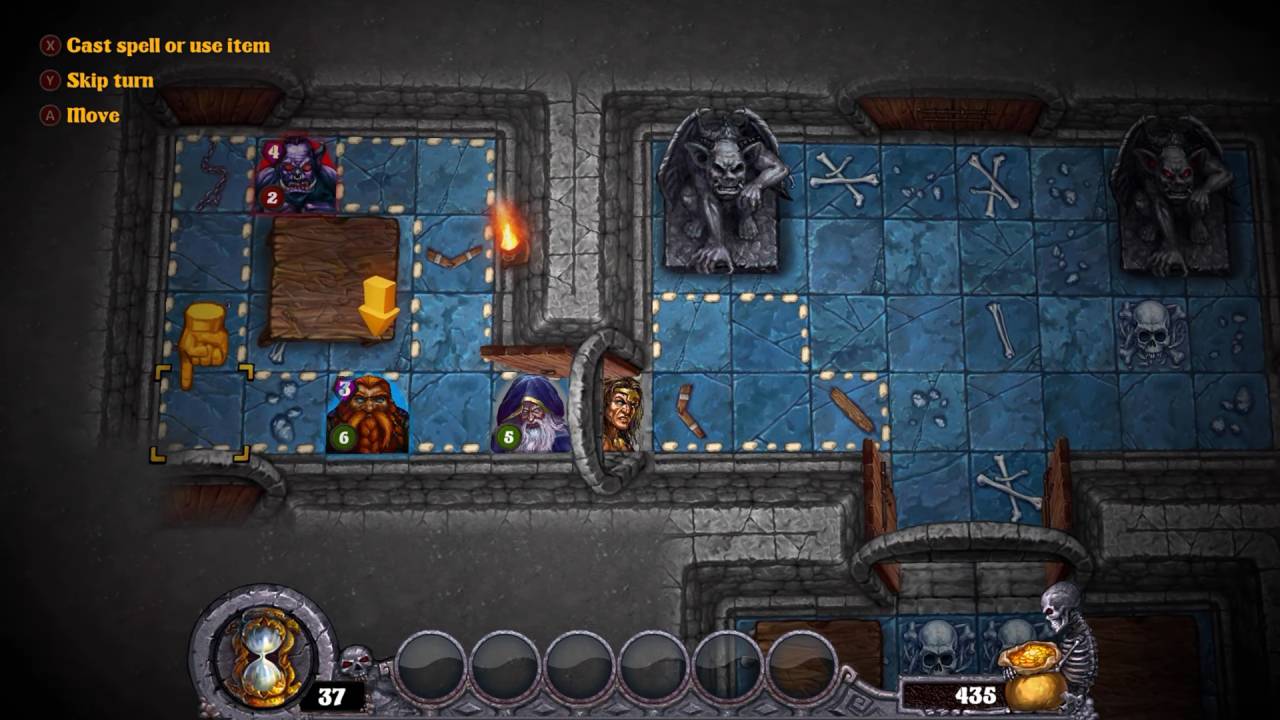
In a modern setting, Dark Quest: Remastered is a sure confirmation of old-school design principles. It doesn't follow trends or try to do more than its processes can handle. Moreover, it makes a tried-and-true formula better by adding thoughtful technical changes and moving at a steady pace. Dark Quest: Remastered cares about its fans enough to stick to its original vision.
There are some rough spots in the journey. Players looking for modern RPG tropes may find it hard to deal with the game's repetition, sudden increases in difficulty, and shallow storylines. Still, these traits are an important part of what the game is. The reason Dark Quest: Remastered works is that it knows what it is and what it is not.
The game offers a smooth and enjoyable journey for people who like careful strategy, tabletop games as motivation, and well-thought-out design. Dark Quest: Remastered is both a snapshot of the past and a better way to play the game today, keeping the spirit of its roots while making sure it's still relevant. It's a lesson that simple things will always look good if they are done with care.
Contributor, NoobFeed
Verdict
Dark Quest: Remastered delivers disciplined tactical design with modern polish, honoring its tabletop roots while refining accessibility. It favors clarity over spectacle, offering a focused dungeon-crawling experience for classic systems.
71
Related News
No Data.