
Aris Arcanum Review
PC
An innovative new addition to the rogue-lite genre, which is a worthwhile endeavor for anyone looking for a shift in the rogue-lite combat pace.
Reviewed by Mash Rahman on Nov 01, 2025
Aris Arcanum feels like a project born from late-night sketches and too many cups of coffee. It was made by a small, passionate indie studio, turning the vision of arcane academia into a sort of nightmare. Known for crafting compelling storylines in their past games, the devs attempt to make their passion a reality.
I don't think Aris Arcanum is just another dark fantasy dungeon crawler, but rather an artistic journey into madness where ink, knowledge, and humanity blend together, making it difficult to distinguish between being a scholar and a sorcerer. It draws inspiration from Victorian Gothic aesthetics.
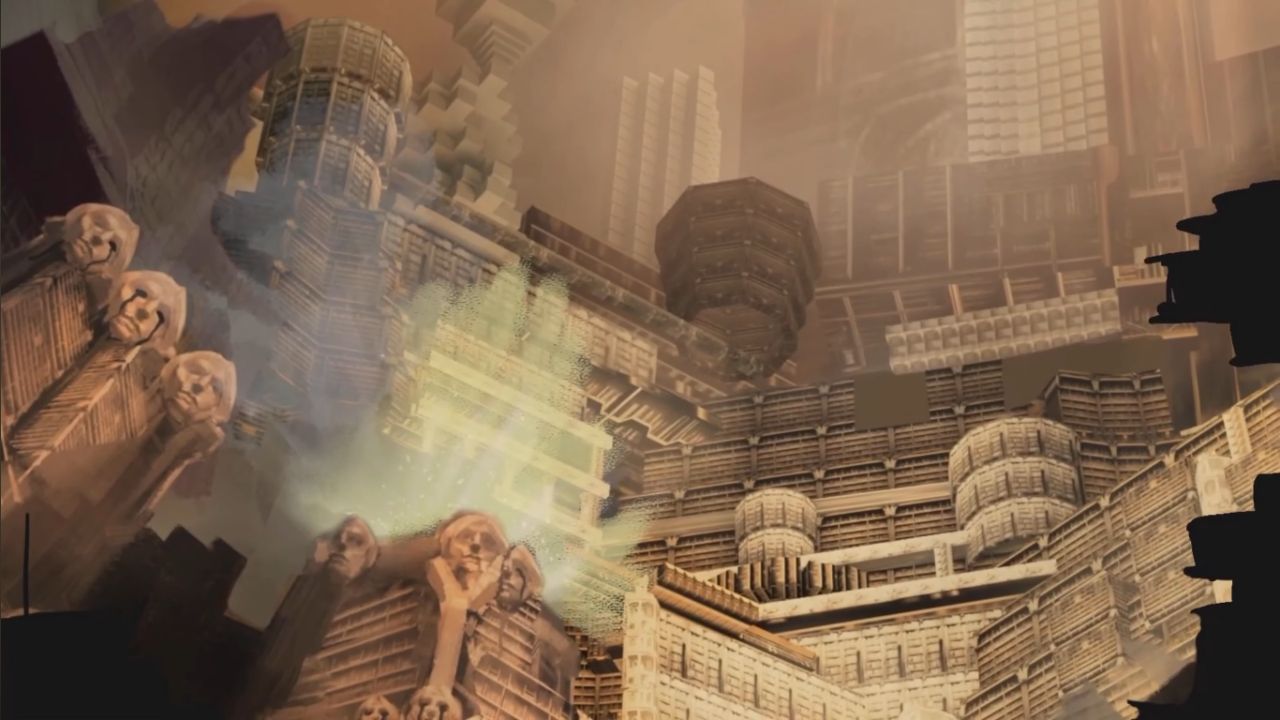
The Aris Library, a large Victorian archive that once held all of humanity's knowledge, is where our story begins. Clyde Colgrave, a scholar who uses a cane due to a degenerative disease, is introduced to us inside the library.
Here, the walls have begun to leak a corrupt, sentient ink that distorts the bodies and minds of those who attempt to study it. To shape this ink into living spells, a forbidden art, Clyde was compelled to take on the role of overseer for Atromancy.
The story presents a bleak portrayal of obsession and decay through disjointed journals, hushed voice-overs, and spectral visions, where the pursuit of knowledge risks erasing the self.
Aris Arcanum shines brightest in its atmosphere. The library, with its collapsing shelves, dripping ceilings, and flickering candlelight, almost seems to have its own personality.
Every shadow has a memory, and the books whisper. The game's art design pulls you into its universe and sets the mood for a smart horror story where a thin line of ink separates crazy from learning.
This makes the strain much worse. Every action must be purposeful. In contrast to the invincible archetypes frequently found in fantasy games, his emotional and physical weakness makes this experience incredibly relatable.
Gameplay in Aris Arcanum centers around an innovative modular spellcrafting system that functions like a living, breathing deck builder. Ink is the first step in every run. You use it to combine a variety of glyphs to create your own collection of spells.
The interface's glowing symbols spread across the parchment and snap. It feels almost like a ritual, as if they are pieces of a forgotten language. Each glyph can alter a spell's main features, such as the type of projectile, elemental affinity, casting speed, area of effect, or mana cost.
The result is infinitely configurable. You might summon a rain of acidic shards that dissolve spectral paper beasts or weave a slow, choking mist that immobilizes enemies long enough for a careful cane strike.
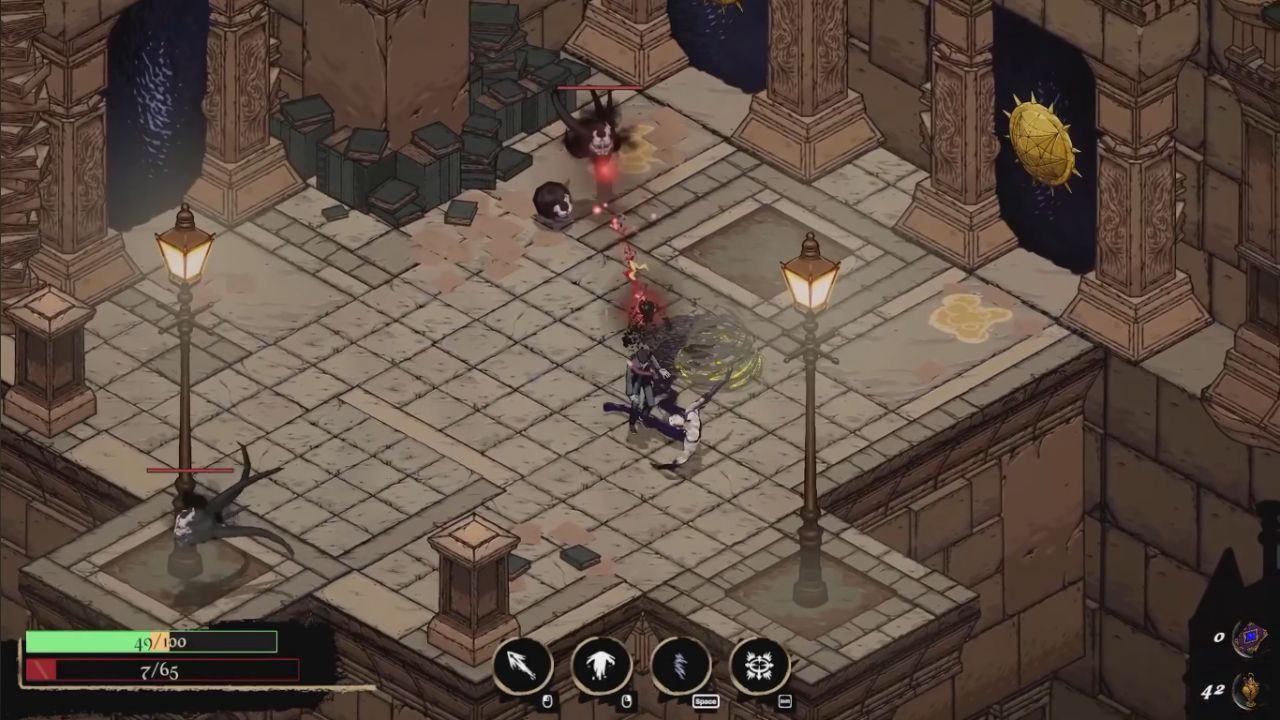
It's in this system that Aris Arcanum excels. The spellcrafting feels personal, at times even tactile and rewarding—more like creating an incantation than picking from a menu. Every combination has significance, becoming the heart of the experience. The satisfaction of crafting a spell that matches the rhythm of combat is like uncovering a hidden truth buried within the library itself.
Combat can appear to be both the game's strength and its weakness in Aris Arcanum.
Combat can appear to be both the game's strength and its weakness. Aris Arcanum doesn't feature fast, flashy battles. Instead, it offers methodical and punishing engagements that test your ability to adapt. Clyde's limited mobility means every dodge, parry, and cast must be timed precisely.
His short dash and the stamina-draining cane swings force you to build strategies around the limitations of his powers rather than be stunted by them. This results in the combat feeling thoughtful
The enemies are diverse and imaginative. Each one represents the corruption that has taken hold of the library. Sentient manuscripts throw flaming pages through the air. Ink-born sentinels charge at you, possessing elemental immunities that need clever responses.
Grotesque constructs made of letters and parchment chase you from the shadows. Boss battles, such as the towering Inkbound Archivist, challenge your timing skills and your ability to create a spell set that can manage multiple phases and changing vulnerabilities. Each encounter feels like a puzzle. It rewards patience and intelligence more than aggression.
Death is a given. Aris Arcanum fully embraces and even improves its roguelite structure, ensuring that every failure contributes to future efforts in some manner. If you die, the spells you made are gone, but the ink pieces you gather remain. You may utilize these pieces as a kind of XP to get permanent improvements like bigger mana pools, shorter cooldowns, and better defenses against insanity.
The progression system is well-balanced. You never feel powerless in Aris Arcanum.
The progression system is well-balanced. You never feel powerless, but the constant reset keeps the tension alive. Grinding feels more like a study than a chore, with each run presenting a new lesson in the dark art of survival. The sense of growth, both mechanical and narrative, mirrors Clyde's own evolution—a man learning to master something that may ultimately consume him.
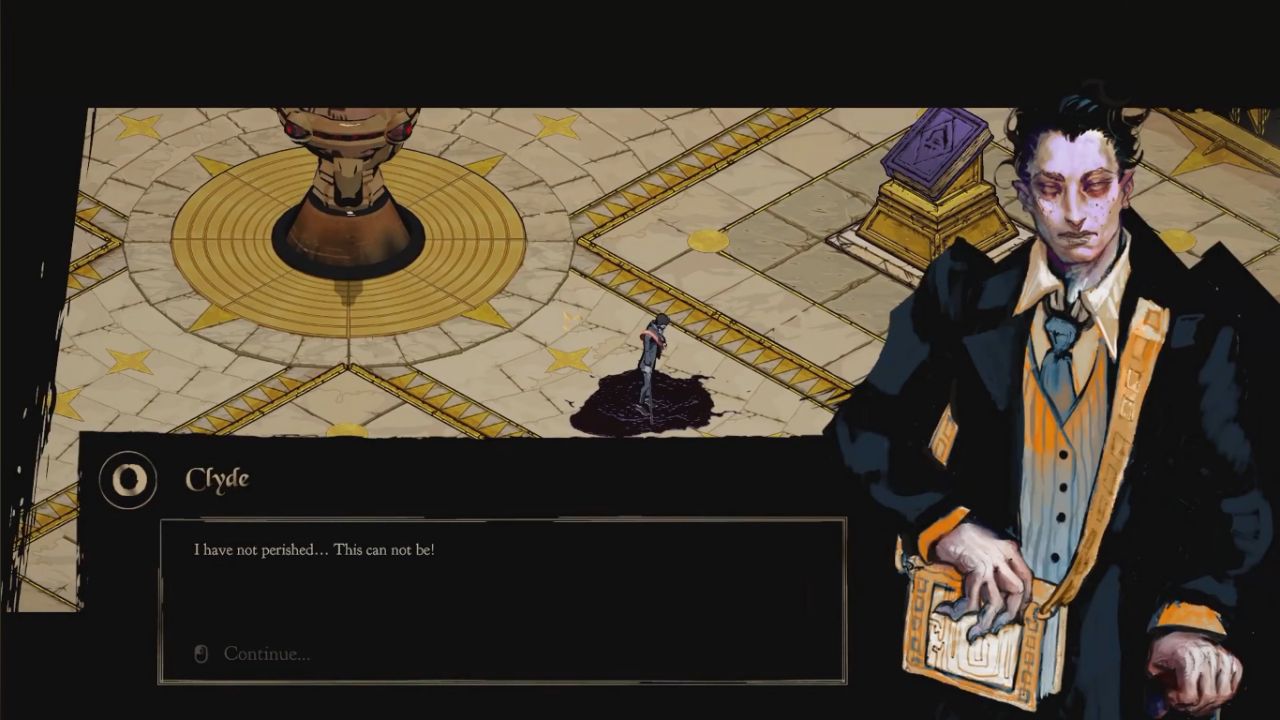
The game's visuals are a triumph of mood over reality. Every area of the Aris Library is a work of art: pools of ink ripple with strange reflections, stained glass cracks cast bleeding colors across marble floors, and when you stay too long, faintly glowing runes appear on the walls.
The contrast between corruption and knowledge is further emphasized by the color scheme, which includes deep violets, black ichor, and sepia parchment. Even seemingly unimportant animations, such as the quill's ink drip or the flutter of a cursed page, serve a purpose and are nearly lifelike. Gothic themes and the artist's sense of melancholy are often incorporated into the art direction.
Sound design enhances the immersion. The ambient score creates a soundscape that reflects the game's gradual decline by fusing low industrial sounds, gentle violins, and eerie choirs. As you explore, you'll frequently hear whispers in the hallways, as if the library itself were disclosing secrets.
Clyde's cane blows have a gritty, satisfying weight, and spells have a sharp, physical sound, with liquid bursting and paper tearing. Voice acting is subtle but powerful; it frequently sounds more like forgotten thoughts than actual speech. It produces an eerie soundtrack that heightens the feeling of seclusion and exploration.
Where Aris Arcanum sometimes stumbles is in its pacing. Although Clyde's physical limitations make him an engaging protagonist, they can also make gameplay more difficult. Because he runs out of energy swiftly, early encounters might seem more like tests of endurance than magical experiments.
This design decision aligns with the tone of the tale, but it may turn off gamers who prefer a faster pace. Even then, the irritation has a purpose. Moving is hard since the ink is heavy and Clyde is feeble. This weight is supposed to be on you; it adds significance to every victory.
As the story progresses, the themes shift from a spiral into insanity to an analysis of the price of knowledge. Each decision—to use, eliminate, or submit to the ink—subtly reshapes the world, with the library bending in response: corridors shift as your connection to the corruption strengthens. This smart use of environmental storytelling effectively integrates gameplay and story.
It's not hard to see how the universe of Aris Arcanum may grow. A narrative-focused mode may tell Clyde's journey linearly, without roguelite resets, placing more emphasis on his moral decline.
Players share ink pools and work together to cast spells in cooperative mode. This might make the game more about coming up with new ideas and making plans than simply playing alone. The backdrop is detailed enough to allow for rival studies, new schools of magic, and further investigation into the origin of the ink. This suggests that the universe is full of possibilities.
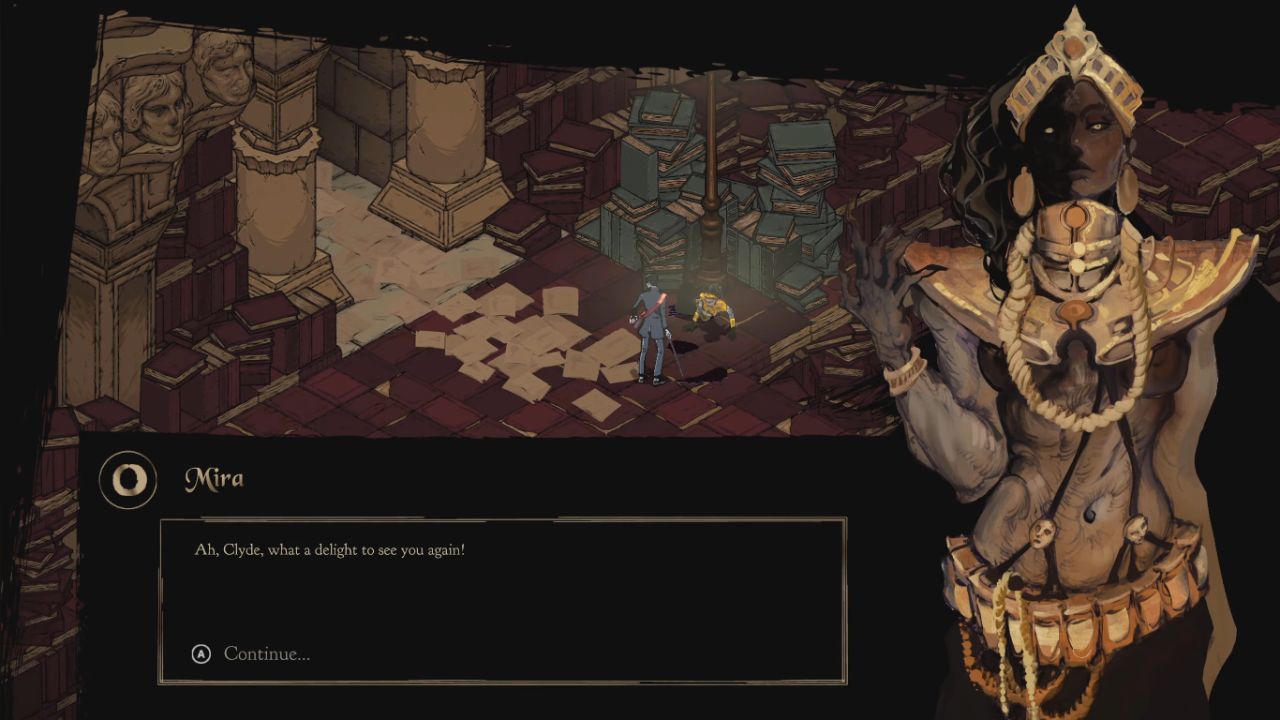
Even without these adjustments, Aris Arcanum seems quite connected. It's a game that tells you how to regulate yourself and how restrictions can sometimes offer a sense of purpose. The gameplay, plot, and graphics all have something in common: the concept that mastery isn't free and that curiosity can't be satiated once it has been piqued.
In the end, Aris Arcanum is a hauntingly beautiful roguelite. With incredibly fulfilling mechanics, the spellcrafting system is among the most creative in recent years. Long after you end the game, the ominous and depressing atmosphere still haunts you.
Due to its slow pacing and limited mobility, it presents a challenge for players who prefer constant movement, but it is a masterpiece for those who appreciate thoughtful games.
Those who walk through the ink-streaked hallways of Aris Arcanum are treated to a singular experience: a world full of knowledge, temptation, and madness. It asks whether the blood and sanity it demands are worth the cost of knowing, in addition to whether you can win.
Contributor, NoobFeed
Verdict
Aris Arcanum is definitely a great buy for anyone looking for an interesting twist put out in the ever-evolving genre of roguelites
84
Related News
No Data.