
Demonschool Review
Nintendo Switch
A gorgeous tactical RPG that mixes college life, occult intrigue, and puzzle-like action into a game that is all about the characters.
Reviewed by Nusrat Choity on Dec 17, 2025
Necrosoft Games, a firm recognized for pushing the boundaries of genres and having a strong visual style, has been working on Demonschool for a long time. The game first came to light in 2022, and its distinctive pixel-art style and promise to combine tactical RPG gameplay with relationship-driven storytelling quickly drew attention.
It took longer to come out because of delays, but you can tell that the extra time was spent improving its systems and presentation. Instead of following the latest trends, Demonschool is like a love letter to the design ideas of old Shin Megami Tensei and Persona games. It proudly finds its own place. It is not a sequel, and it does not try to copy the things that inspired it directly.
.jpg)
It feels more like a new take on classic ideas seen through an indie lens, with personality, experimentation, and mood taking precedence over strict adherence to genre norms. The story is about Fay, a college student who comes to Hemsk Island to start what she thinks will be a typical school life.
That illusion doesn’t stay long. Almost right once, odd things start to happen: people see demons, criminal groups form, students go missing, instructors get corrupted, and scary prophesies about the end of the world start to come true. What starts off as a little bit of worry gradually turns into a full-blown supernatural emergency.
Even while the story never depicts Fay as a typical “chosen one,” her past as a demon hunter puts her at the center of these events. Instead, the story moves forward through investigations, rumors, and growing commotion, making it feel like you’re in the middle of a calamity that is still happening.
At first, the way the story is told is meant to be untidy. The game quickly adds new secrets, and it doesn’t often stop to completely explain itself. This can be confusing, but it reflects how the characters feel as they learn more about the island’s secrets. As time goes on, the context fills in the gaps, but early pacing problems might make it tougher to feel like you belong in the environment. Demonschool is more of a dark comedy than an apocalyptic horror story.
There is always the possibility of world-ending consequences, but the literature often makes things less tense by adding humor, strange language, and silly scenarios.
This gives the game a unique voice, but it also means that the stakes don’t always feel as high as they should.
The best part of the story is how the characters interact with each other. Fay’s fiery and impulsive attitude moves the tale along, and her excitement often puts the gang in danger. Namako, her counterpart, brings a calmer, more worried point of view to the turmoil. The larger ensemble now has fifteen party members, each with their own personality, peculiarities, and point of view.
The chemistry between the characters is always interesting, even though the arcs of each character don’t seem to be fully developed. Relationships change slowly, and by the conclusion, many characters are still mostly the same, which makes it feel like they missed out on something. There are multiple endings, which make the game worth playing again because they encourage various choices and relationships. However, they don’t make up for the absence of deeper personal growth in the main tale.
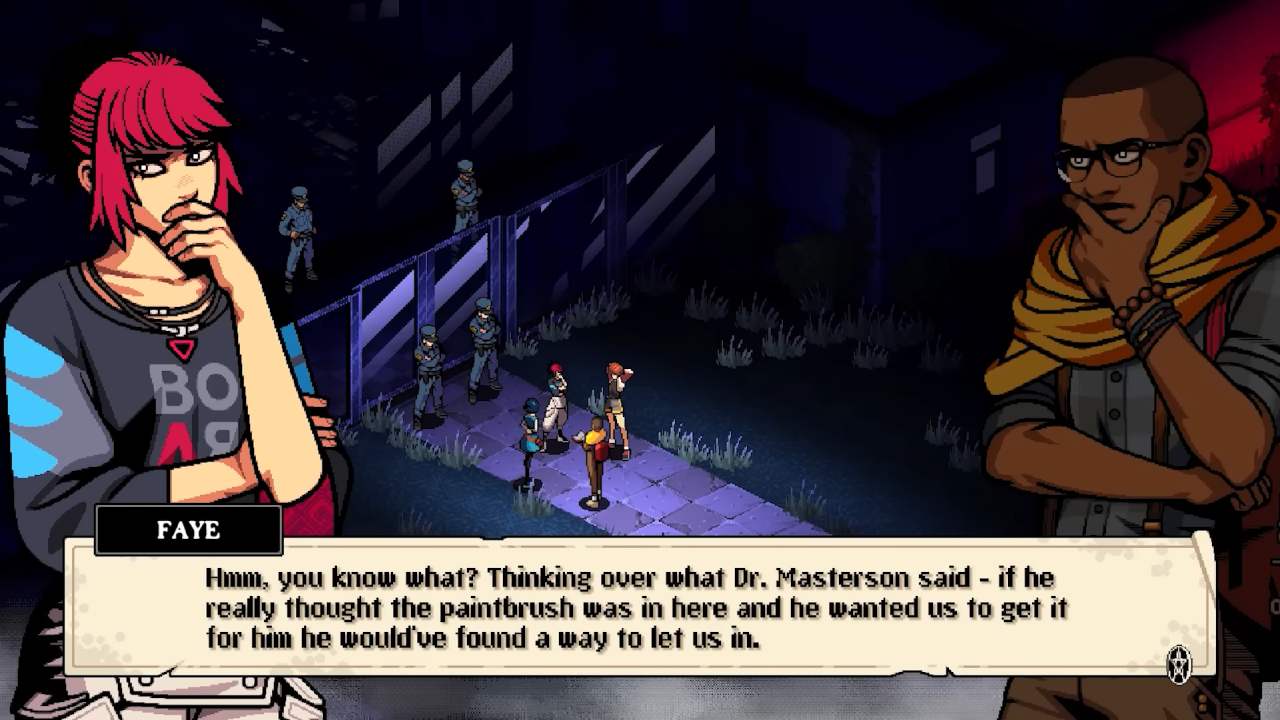
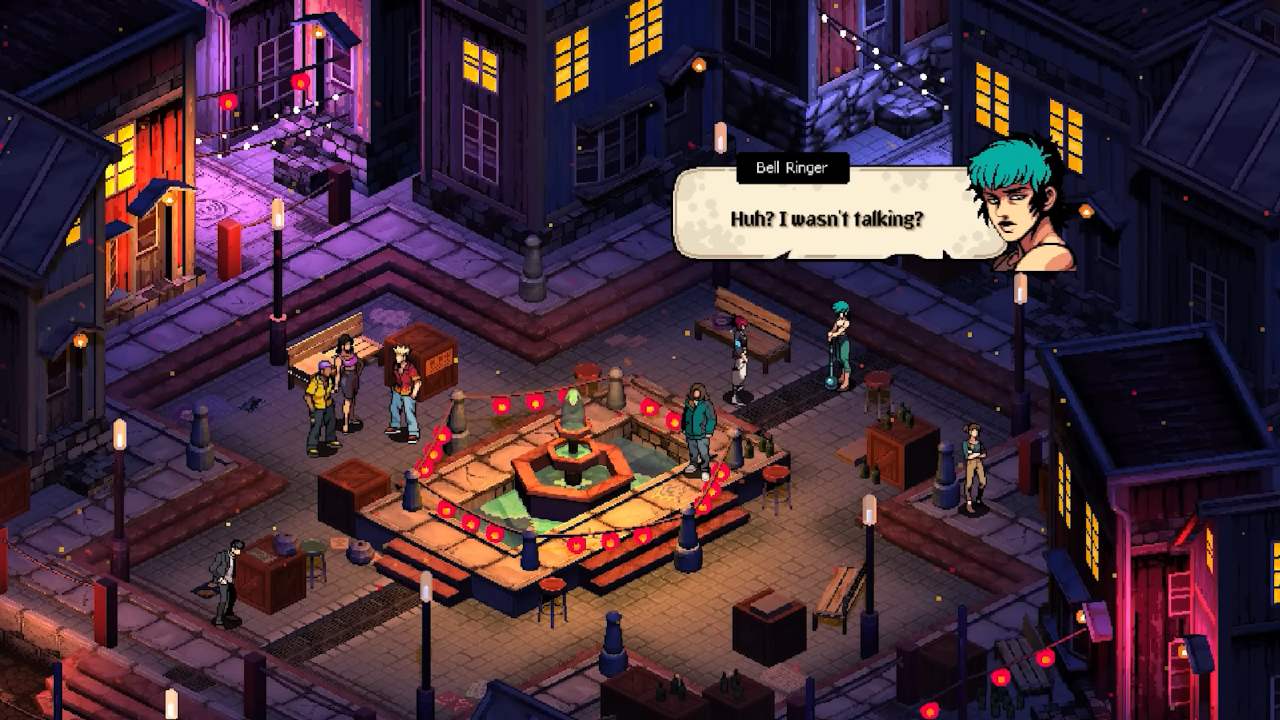
In Demonschool, you can explore, engage with other players, do side activities, and fight in tactical combat. Exploration is not completely freeform; it’s more like semi-roaming. You can choose destinations on Hemsk Island from a menu that shows points of interest, story events, and extra activities.
Each region is like a miniature diorama with NPCs, interactive components, and flavor conversation. This layout makes it hard to move around, but it keeps the experience concentrated and easy to understand, so you always know where the important interactions are.
When you're not in a fight, you can do karaoke, go fishing, and cook, as well as hang out with your party members and do side tasks. These fun tasks are actually a way to unlock new skills, talents, and relationship events. Bond-building is like social link systems in that spending time with characters unlocks sequences that give you more information about them and may lead to romance.
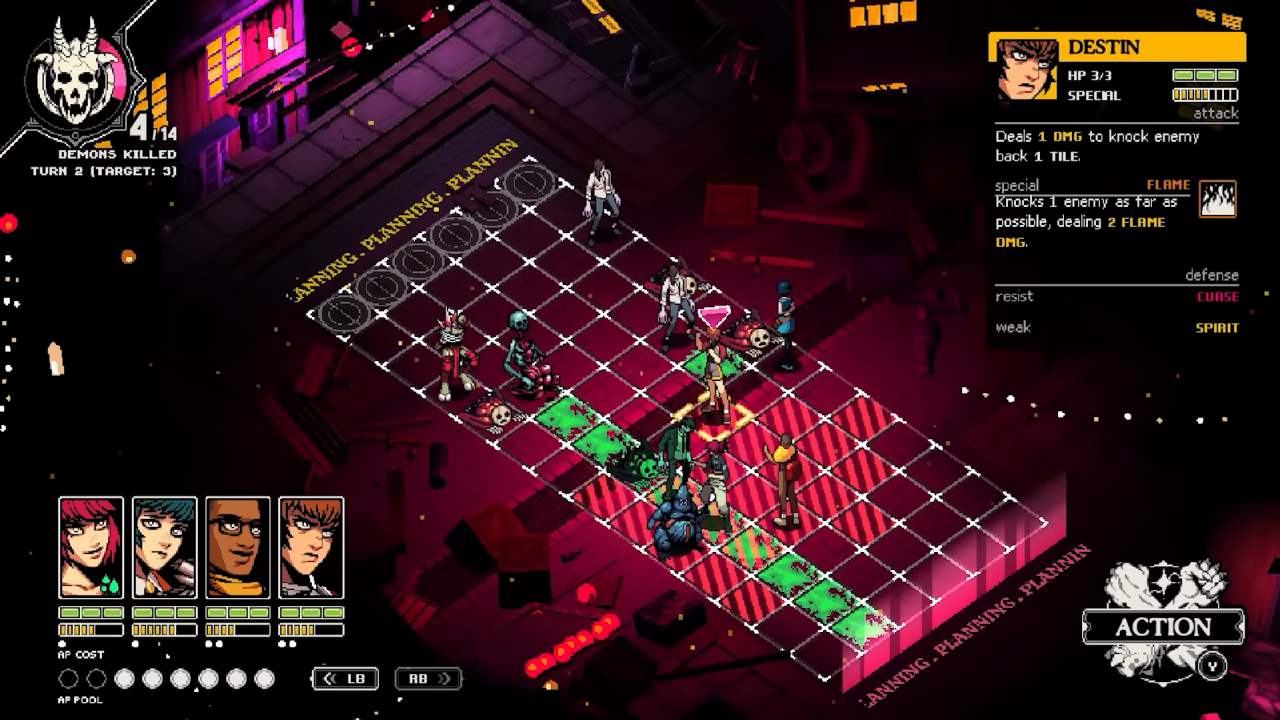
These moments are cute and funny, but they don’t usually go very deep into emotional complexity. Instead of changing the characters, they keep their development light. Demonschool is most different from other games when it comes to combat. Battles are tactical fights on a grid that include three parts: planning, execution, and adversary response.
You can only move characters and queue assaults a certain number of times during the planning phase. You can see, rewind, and change any decision you make until you make it. This makes battle feel more like solving a puzzle than responding under duress. It also takes away frustration and encourages players to try new things.
Once the execution phase starts, everything that was planned happens in real time.
This gives the players a wonderful sensation of momentum as they run across the battlefield, push foes into position, and launch coordinated attacks. Positioning is really important. Many heroes can push, drag, or move enemies about, setting up combination attacks by putting adversaries between allies. These combos fill special meters that provide each character exceptional powers with different effects and elemental qualities.
Victory conditions give another level of strategy. To win a battle, you must defeat a certain number of adversaries, keep demons from escaping, and get to the end of the map with at least one character still alive. Performance is rated based on how fast and how long you can survive, which encourages you to play again and make the game better.
Regular confrontations are always fun, and enemy formations are set up like tactical puzzles that reward smart strategy. Battles with bosses are less balanced. Some add new dynamics, but others make the system worse by focusing on single adversaries with big health pools.
In certain circumstances, attack patterns are hard to see, which makes it seem like success depends more on trial and error than on strategy. Bosses don’t destroy the experience, but they are much weaker than normal fights.
Demonschool doesn’t use the usual way of leveling up based on stats. Characters don’t only get stronger over time. Instead, progression is horizontal, with the goal of obtaining more skills that provide you with more tactical options. You obtain skills by doing side quests, exploring, and building relationships. Then you study them by pairing two party members together and investing in-game money.
Once assigned, those characters go into a cooldown phase, which means they can’t undertake any more skill research for a while.
This technique makes you plan carefully, especially at the start when the roster is small. At first, it seems that learning new skills takes a long time, which can be annoying, but the pace picks up as more characters join and are available. The good news is that every new skill modifies how you fight in a way that makes battles feel more like puzzles.
Instead of grinding to get stronger, you can win by knowing how the game works, where to stand, and how to work with others. Demonschool looks very interesting. The game mixes 2D pixel art characters with 3D landscapes, giving it a nostalgic look that reminds me of RPGs from the late 1990s and early 2000s.
The colors are bright and vibrant, and the way the characters are designed often shows their personalities. Boss designs are especially noteworthy since they are huge and have a creepy, manga-inspired style that stands out on the battlefield. Adding depth with lighting and texture gives the world a strong sense of mood without trying to be realistic.
One of the best parts of the game is the music. It has a lot of synth-driven songs that mix old-school sounds with new-school excitement. Battle tunes are exciting and catchy, while town and exploration tracks create a calm, slightly creepy mood. The soundtrack changes with the mood, thus it works well for funny, tense, and tranquil situations. Sound effects add to the retro mood, and even though there isn’t any voice acting, the expressive language and good audio design make sure the dialogue never seems flat.
There are a lot of different things in the game Demonschool. Its tactical fighting system is creative, fun, and always interesting, making it a fun change from standard turn-based RPGs. The presentation is slick and confident, with a great soundtrack and striking visuals. It fails to connect the story and make the characters interesting. The game has interesting ideas, but it has trouble with pacing and emotional depth. The characters are attractive, but they don’t change much after the first impression.
Even with such problems, the moment-to-moment experience is nevertheless fun because of good design choices and a clear creative vision. Demonschool may not be able to achieve all of its goals, but it does offer a unique trip with lots of personality that encourages inquiry, experimentation, and strategic thinking.
Contributor, NoobFeed
Verdict
As a tactical RPG, Demonschool has great combat and graphics, but the story and character development aren't always consistent. Still, it's worth your time.
72
Related News
No Data.