
Digimon Story: Cyber Sleuth Complete Edition Review
Nintendo Switch
A digital detective tale that brings Digimon back in style.
Reviewed by Adiba Manha on Aug 20, 2025
Just weeks before a particular set of Pocket Monsters flooded onto the Nintendo Switch, Bandai Namco dared to produce a monster-capturing and combative role-playing game. For that, you have to appreciate them. However, Digimon Story: Cyber Sleuth Complete Edition demonstrated that it was more than just a substitute, providing enough original content and mechanics to stand alone.
Digimon Story: Cyber Sleuth from 2015 and Digimon Story: Cyber Sleuth - Hacker's Memory from 2017 are combined into this edition. These games, which were first launched on the PlayStation 4 and PS Vita, have now been combined for the hybrid platform, allowing you to explore a virtual world filled with mystery, intrigue, and more than 300 Digimon to gather and develop.
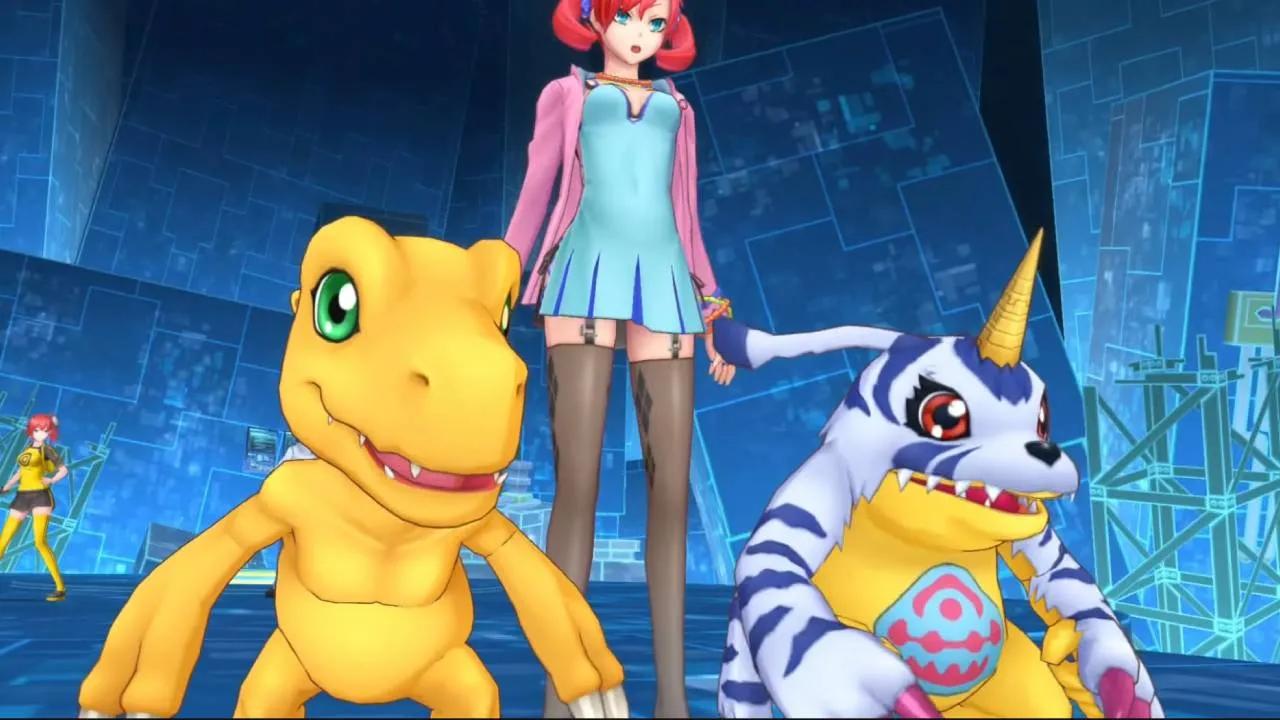
In North America, Cyber Sleuth is the first game to bear the correct label, even if it isn't technically the first in the Digimon Story series. Instead, the previous installments were localized under the Digimon World brand, with titles such as Digimon World Dawn and Dusk and Digimon World DS.
Cyber Sleuth swiftly gained a reputation as one of the best Digimon role-playing games ever made, and for many fans, it was their first genuine introduction to everything the Digimon Story series had to offer. In addition to the original story, Switch players who purchase the Complete Edition also obtain Hacker's Memory, a side story that parallels the main plot and provides a comprehensive overview of this specific area of the Digimon universe.
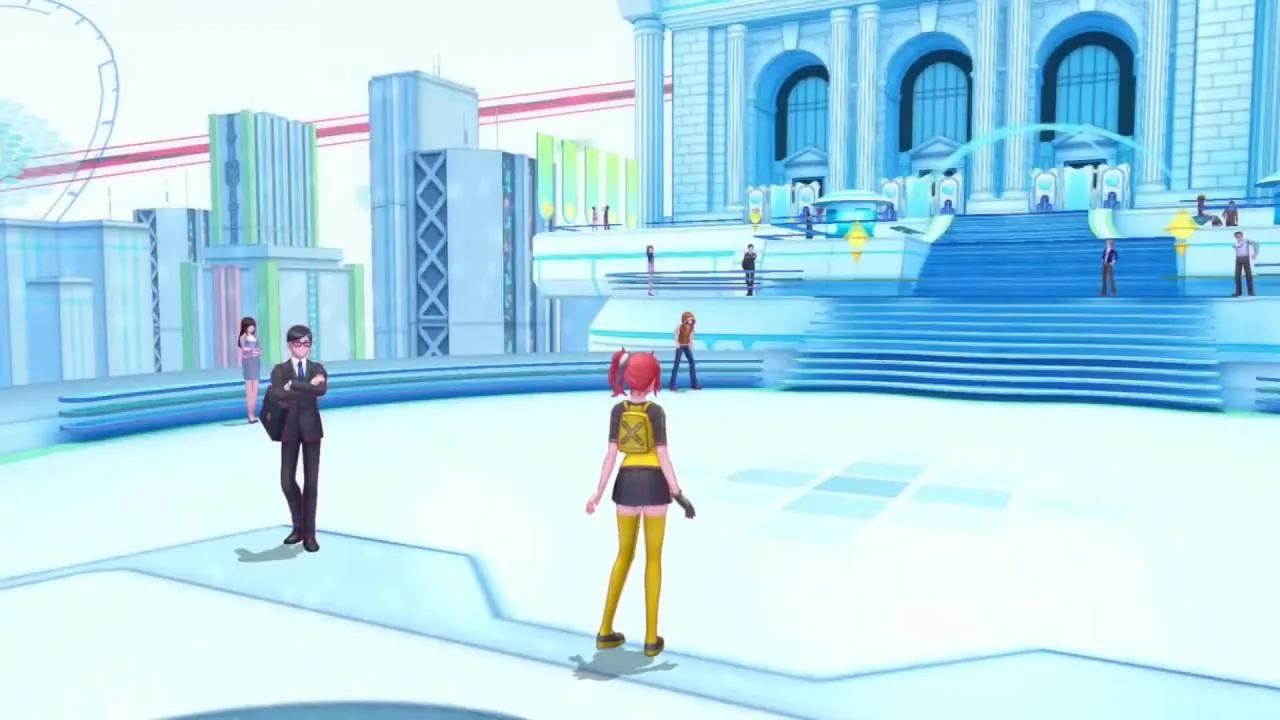
The real world and cyberspace are two distinct settings in Cyber Sleuth. In the actual world, the story takes place in contemporary Tokyo, featuring well-known settings like Shinjuku, Akihabara, and Nakano Broadway.
EDEN, a sizable virtual utopia where people interact via digital avatars rather than displays, serves as a representation of cyberspace. Hackers are free to roam around this world, bending the rules and manipulating systems with programs called Digimon.
In the first game, a student discovers the Digimon Capture Program, an application that gives them the ability to control Digimon. They end up working as a detective's assistant after a bizarre and perilous meeting that leaves them torn between the real world and the virtual one.
Investigating secrets about the protagonist's illness and the characteristics of Digimon themselves is the main focus of the narrative. In contrast, the protagonist of Hacker's Memory is a young hacker whose EDEN account has been hacked. Finding the identity thief and collaborating with a hacking team to recover what was lost are the main goals of his plot, which also deals with problems that arise concurrently with the events of the original game.
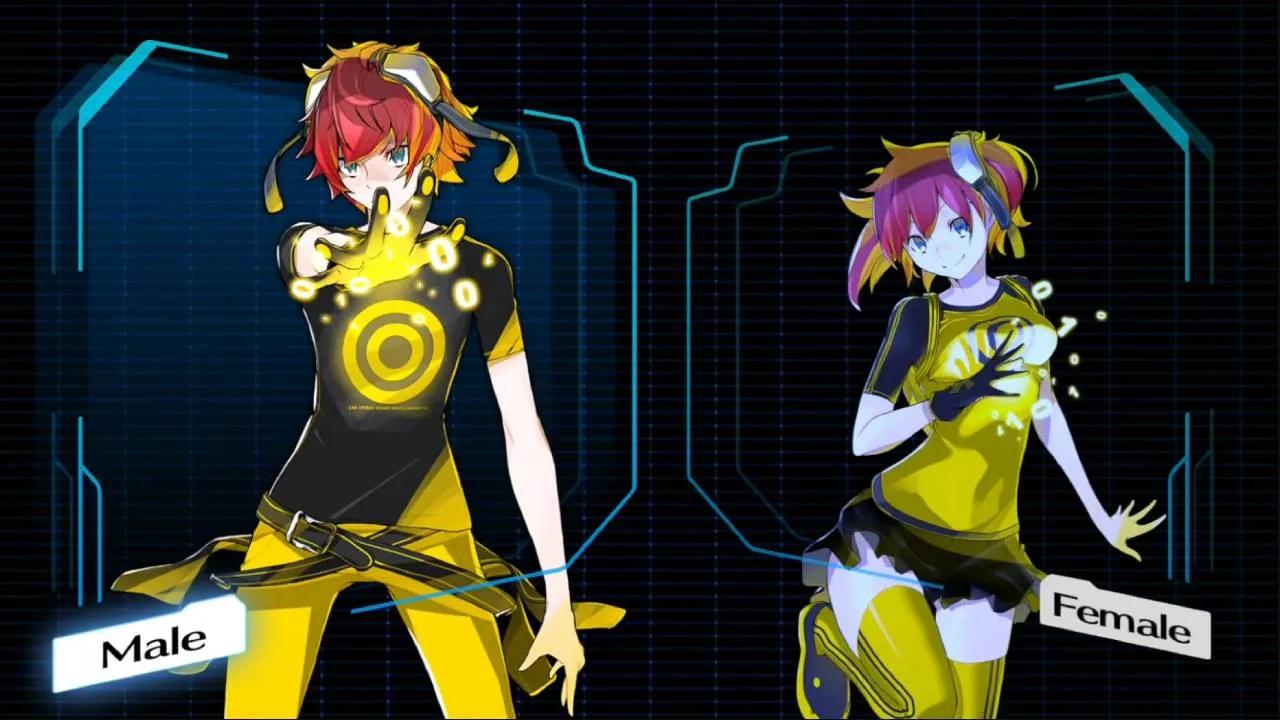
Given Digimon's anime origins, it is fitting that both stories heavily rely on a late 1990s portrayal of digital existence and contain a lot of technobabble. The cutscenes are well-animated, and the characters contribute to the world's liveliness, despite the fact that some of the exposition is overbearing and is primarily presented through text.
With a more character-driven storyline and marginally better pacing, Hacker's Memory enhances Cyber Sleuth's plot, which frequently has a mystery tone as you peel back its layers. When combined, they offer over 90 hours of content—a significant amount for an RPG that revolves around collecting monsters.
The narrative's delivery has certain shortcomings. You frequently have to finish side missions in both games before you can advance the main plot. These optional missions feel more like sporadic side trips at times, but occasionally they are seamlessly integrated into the main plot. These tasks give the environment more complexity and flavor, but they may also throw off the tempo and make some parts feel slower than they should.
Digimon Story: Cyber Sleuth is essentially a turn-based role-playing game about collecting monsters, although it differs from Pokémon and other games of a similar nature in a few ways. Exploration alternates between exploring EDEN's digital zones and traveling around Tokyo in real life. You will come across NPCs, find clues, and explore enemy-filled dungeons while exploring.
You gradually "scan" Digimon every time you come across one, as opposed to just catching them with an item. You can make your own Digimon in the DigiLab whenever a scan hits 100 percent or more.
You can create stronger variants of the same Digimon by constantly encountering them. Instead of depending solely on chance captures, this system promotes exploration and highlights recurring encounters.
Stronger Digimon need more memory to field, so your team's memory capacity is constrained. Building larger and more diversified teams is made possible by the things you collect over time to increase this capability. Digimon can level up, acquire new abilities, and—above all—Digivolve.
In contrast to many role-playing games, Cyber Sleuth's Digivolution is a two-way process. Digimon can both Digivolve and De-Digivolve, which raises their greatest potential while reverting them to inferior versions. Stronger and rarer Digivolutions can be unlocked by repeating this cycle. With more than 340 Digimon available, one of the most satisfying parts of Digimon Story: Cyber Sleuth Complete Edition is trying out various evolutions.
Cases and occupations are also introduced in Digimon Story: Cyber Sleuth Complete Edition as the primary type of side content. In Hacker's Memory, you take on jobs for your hacking squad, whereas in Cyber Sleuth, you take on cases for the detective agency.
These missions range from straightforward monster hunts to more complex narrative-based assignments. The majority of them are entertaining; however, as previously said, some required side quests can seem pointless.
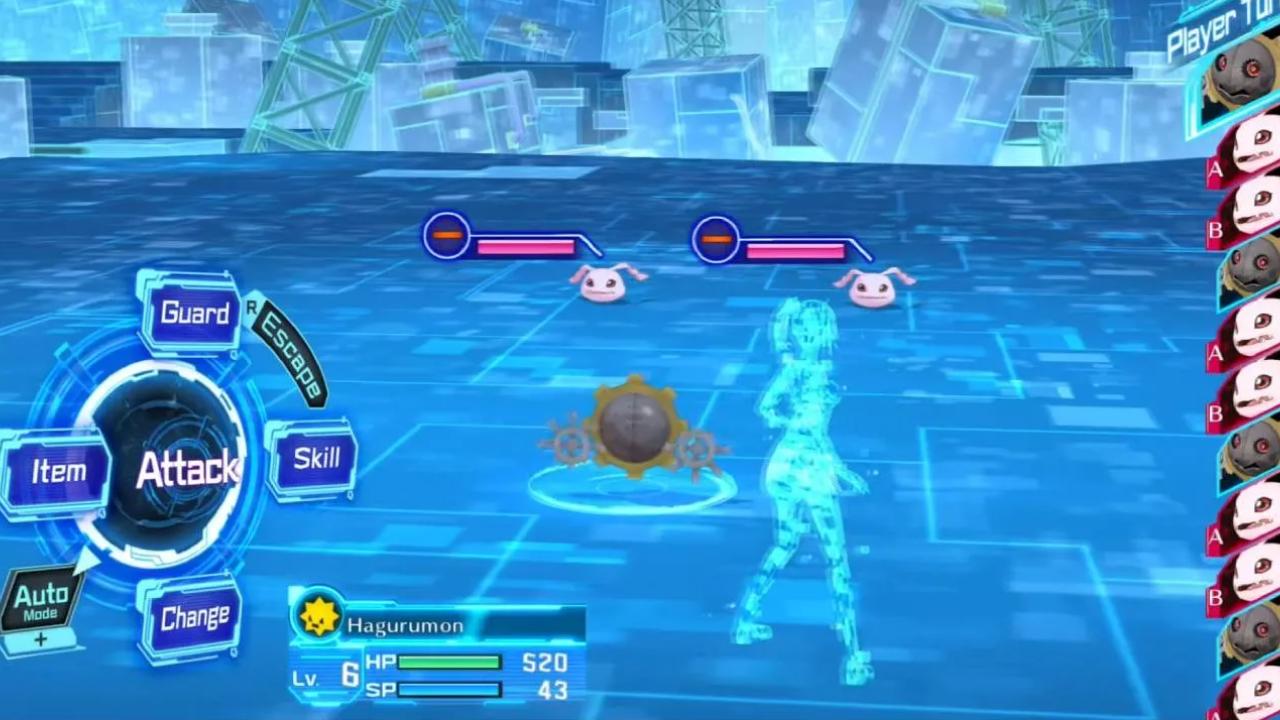
The turn-based combat mechanism in Cyber Sleuth is more complex than it first seems. Since most encounters are three-on-three, you must carefully consider your team's makeup.
You risk being severely outnumbered if you choose the incorrect mix of Digimon's elemental affinities and attack types. If your lineup isn't balanced, boss bouts in particular can punish you severely, requiring you to adjust and prepare.
Thinking ahead, planning evolutions, and experimenting with new teams are all encouraged by the system. The multi-Digimon combat adds another level of strategy, in contrast to one-on-one monster fights.
Although the gameplay moves smoothly, Digimon Story: Cyber Sleuth Complete Edition may feel too simple on standard difficulties, especially if auto-battling is enabled. But on more challenging levels, you'll run upon sharp spikes that might need to be ground down before you can go past them.
To level up your team, you frequently have to fight the same adversaries over and over again, which might be annoying to those who don't like monotonous gameplay. Nevertheless, the grind feels a little more meaningful because this aspect is closely related to the Digivolution concept.
Digimon Story: Cyber Sleuth has a lovely yet constrained visual style. When enlarged on a TV, the graphics aren't particularly striking because they were initially created for the PS Vita. Compared to contemporary RPGs, textures may seem stretched, and details are sparse.
However, the graphics perform significantly better on the portable screen of the Nintendo Switch. In portable mode, Digimon's vibrant designs pop, and the overall aesthetic is still engaging. Tokyo's settings are sufficiently vibrant, but EDEN's digital zones mainly use blue hues, which can get monotonous after a time. The genuine highlights are the Digimon designs and character models, which remain faithful to the anime origins of the series.
Another excellent feature is the sound design. The principal composer of the Danganronpa series also wrote the score, which gives it a lively, evocative sound that complements the cyberpunk vibe of Digimon Story: Cyber Sleuth Complete Edition.
Although there isn't a lot of variation in the soundtrack, the songs that are there are effective, albeit some may get monotonous with repeated listening. Digimon attacks have pleasing sound effects, and the voice acting gives important narrative moments an additional dimension of personality. Despite several drawbacks, the audio direction aids in transporting you to the digital expanse of EDEN as well as the actual Tokyo settings.
The Nintendo Switch's Digimon Story: Cyber Sleuth Complete Edition offers two complete role-playing games that are jam-packed with captivating systems, unforgettable tales, and an abundance of Digimon to gather and train.
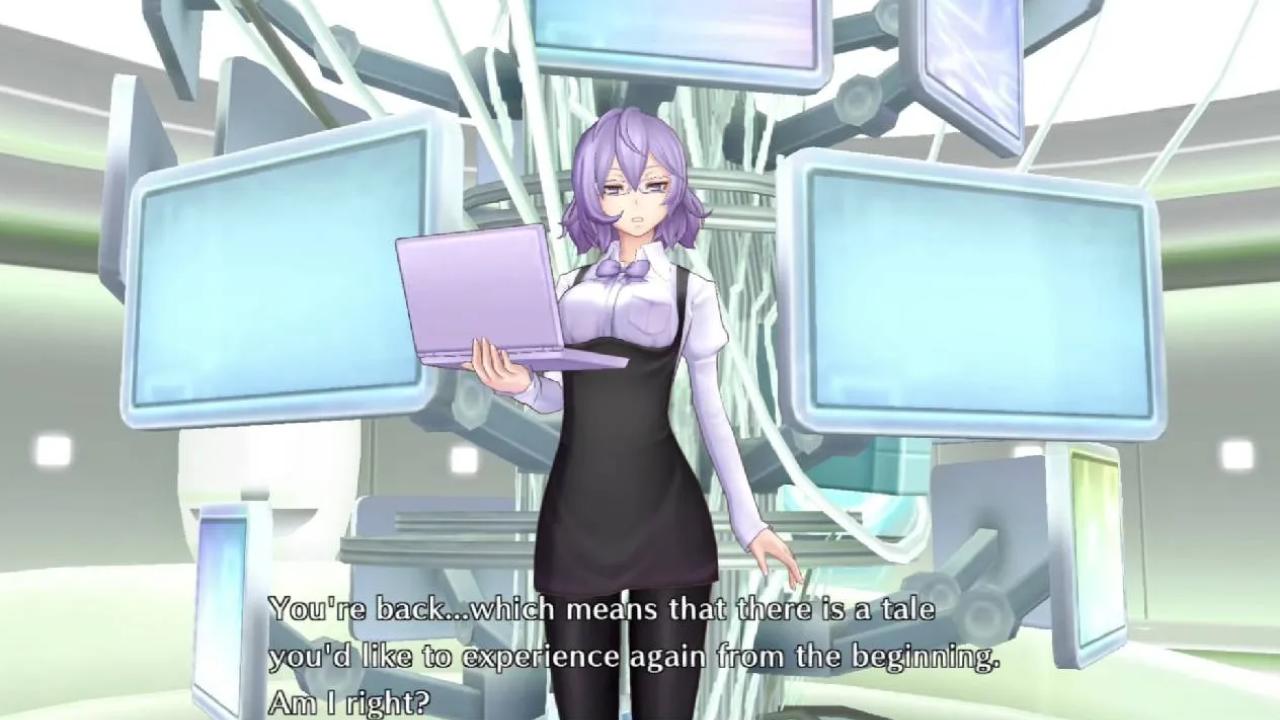
The total package is still among the greatest Digimon experiences available, even though the story flow occasionally falters because of required side missions, and parts of the graphics show Digimon Story: Cyber Sleuth Complete Edition's portable origins. The strategic battle offers more depth than you might anticipate from a monster-collecting role-playing game, and the dual Digivolution system allows for unlimited experimentation.
It has drawbacks; the reliance on repeated surroundings might make some parts of the experience boring, and the difficulty spikes may push you to grind. However, the excitement of raising Digimon, solving puzzles, and exploring the virtual world is never entirely overshadowed by these problems.
This compilation comes highly recommended for Digimon fans. It's a novel yet familiar approach to the genre for monster-collecting role-playing game aficionados in general.
Editor, NoobFeed
Verdict
Cyber Sleuth is still regarded as one of the best Digimon games ever created, and the Complete Edition guarantees that you'll get the best possible experience on the Switch.
76
Related News
No Data.