
God Forsaken Review
PC
A roguelike ARPG that walks the line between addiction and familiarity.
Reviewed by Nami Tanaka on Feb 04, 2026
People are still interested in God Forsaken even though it came out at a time when roguelike and bullet hell games were very popular. This is because it has big plans and a clear way of showing them. Insight Studio developed and released the game. The game is an action roguelike ARPG inspired by Diablo, Path of Exile, Vampire Survivors, and Soulstone Survivors.
God Forsaken doesn't try to totally change the way things are done so that you stay stuck in a loop of battles, loot, and progress. Its goal is to improve systems, combine them, and add more layers on top. I played the demo for several hours and saw that the game has a lot of potential. However, some aspects need improvement before it can really stand out.
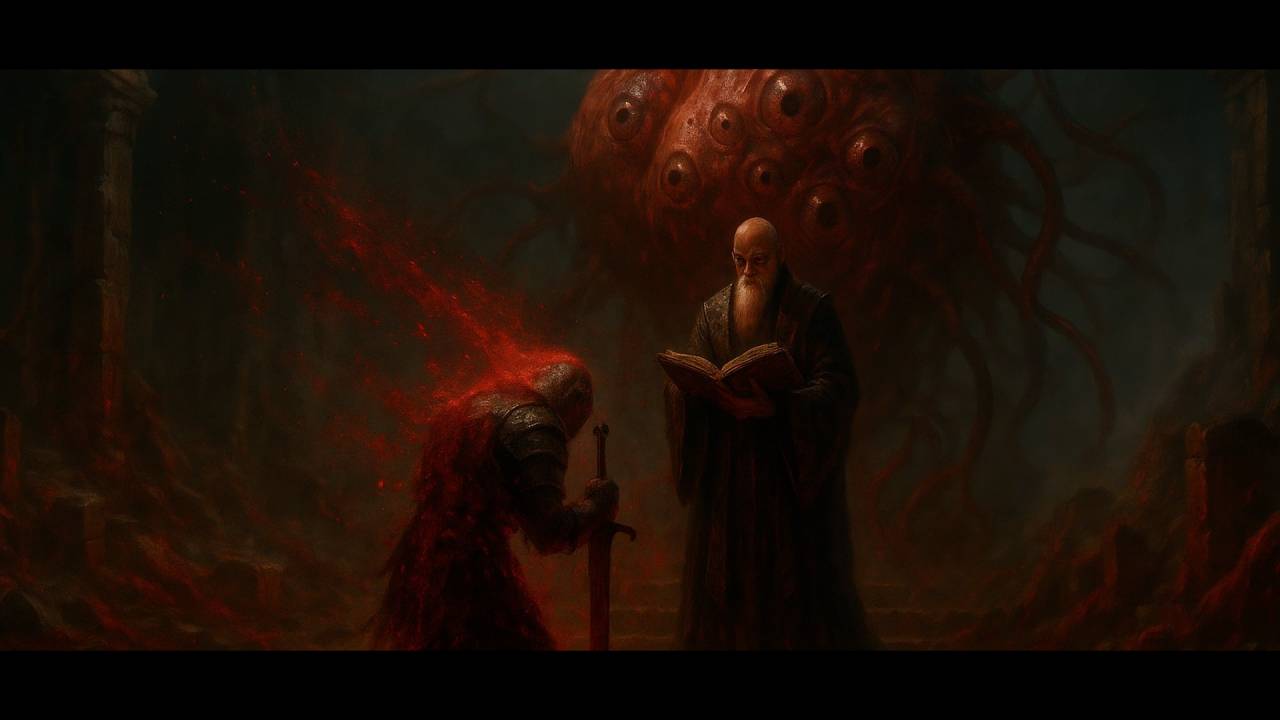
This game's idea didn't come from a well-known IP or a long-running series.
It looks and feels more like a side project made by action RPG and new roguelike fans. It looks like Insight Studio is using the "best of" method, which means they are taking well-known parts of games and making them into something new. There are both good and bad things about this method. You'll feel right at home if you've played ARPGs or bullet hell games before.
But when you know what to expect from something, it can become predictable. This means that these systems need to work well if you want to keep your money in them over time. The story of God Forsaken is meant to be simple and powerful. You are in a cursed, empty land where darkness and monsters are following you. The mood is dark and sad, and the story is more about surviving than being brave.
The game's world is shown without long cutscenes or excessive text. It instead uses short parts that describe things and events in the world. In a roguelike, this choice works well because it lets you focus on the game at hand while still letting you know where you are. There isn't much to the story, but you are told over and over that this place is harsh and won't forgive you. It's slowly getting to you.
You can pick from a number of heroes right away, and each one helps you in different ways. In the demo, you can choose from a number of different classes, such as tough fighters, spellcasters, and characters that focus on agility or a mix of the two. You can tell a lot about each hero, which makes the game more fun to play over and over.
As soon as you start a run, the main game loop is easy to see.
Barbarians are good for people who like heavy-hitting close combat because they reward boldness and good positioning. You, as a spell- and ranged-type, can deal with groups and control space in different ways than other heroes. It's important to make this early choice because the hero you pick will have an impact on the whole run. Each one has pros and cons.
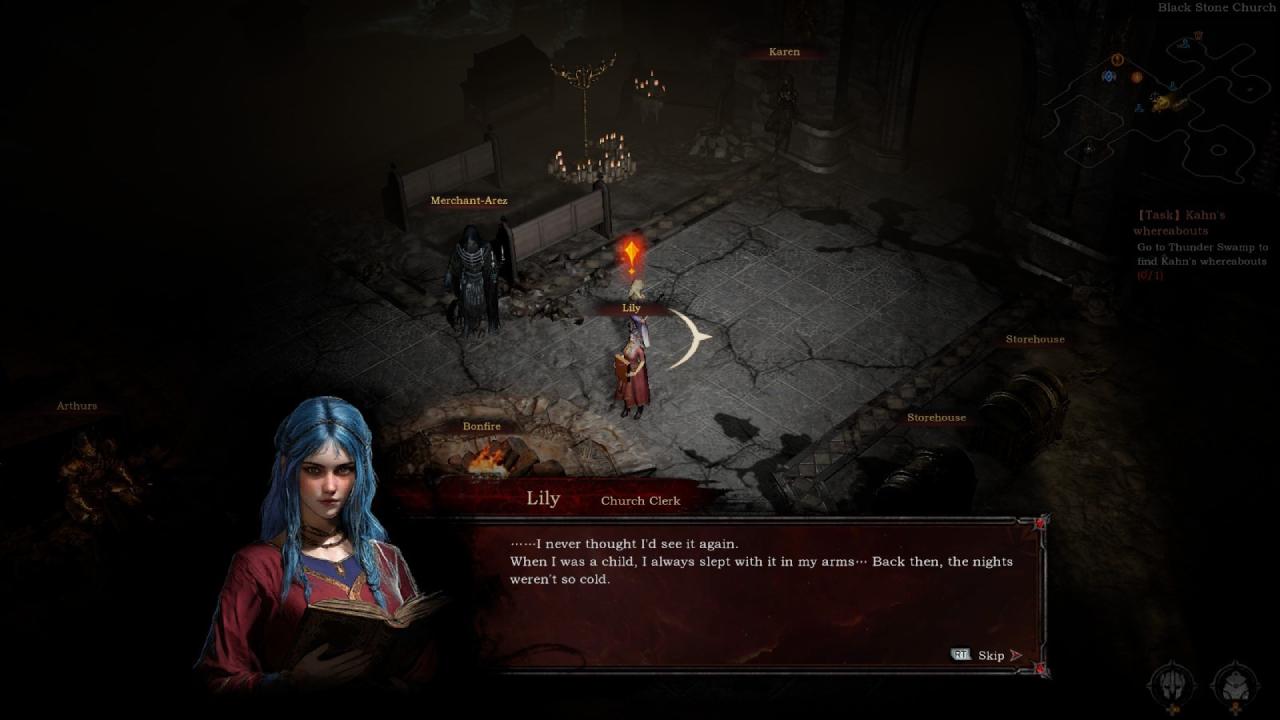
You are thrown into a wide, dark space that looks like a graveyard or something equally dark. Every time you turn around, waves of baddies show up. As you might expect from a bullet hell game, battles happen quickly and often and have a lot of graphics. You have to move, fight, dodge, and keep track of your cooldowns as hordes come at you from all sides.
They drop experience crystals and loot when they die, so you have to balance staying alive with where you stand to get the most out of your wins. It is hard to stay still, and it seems like staying still for too long is risky, even if some builds give you a short reward for it. Getting better at the game is a big part of why people keep playing. When you level up, you get a set of upgrades, usually three.
Now that these changes have been made, the strategy is clear. It doesn't take long to learn that working on one build is often better than building up a lot of different skills or weapons. When you put all of your effort into one skill or tool, it can become a powerful screen-clearing weapon. Focused builds, on the other hand, tend to have trouble as the number of enemies and difficulty level rise.
These can improve your skills, let you get new ones, or raise your stats.
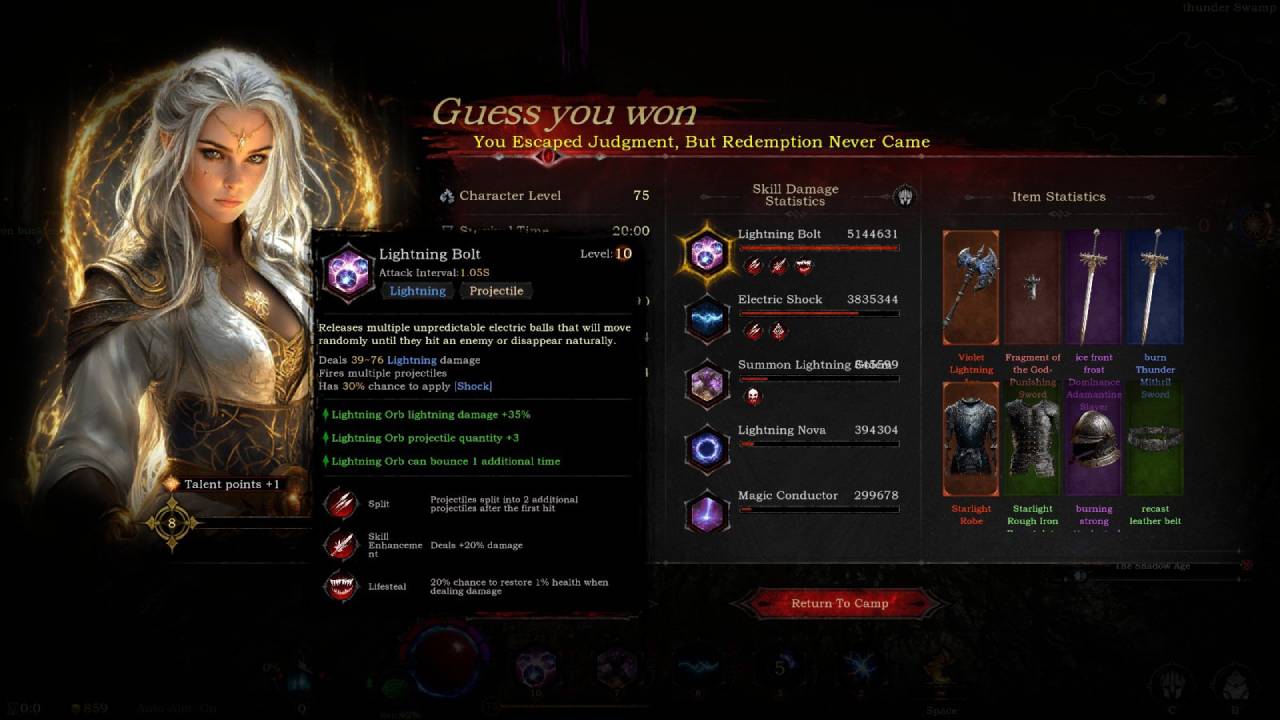
One of the more interesting parts of God Forsaken is the system for buffs and runes. Rather than just making your skills better, these modifiers can change the most important parts of how they work. A simple gun could shoot bullets out of thin air, change the elements, or blow up when they hit something. With this method, each run is a little less certain to happen, and builds don't feel too static.
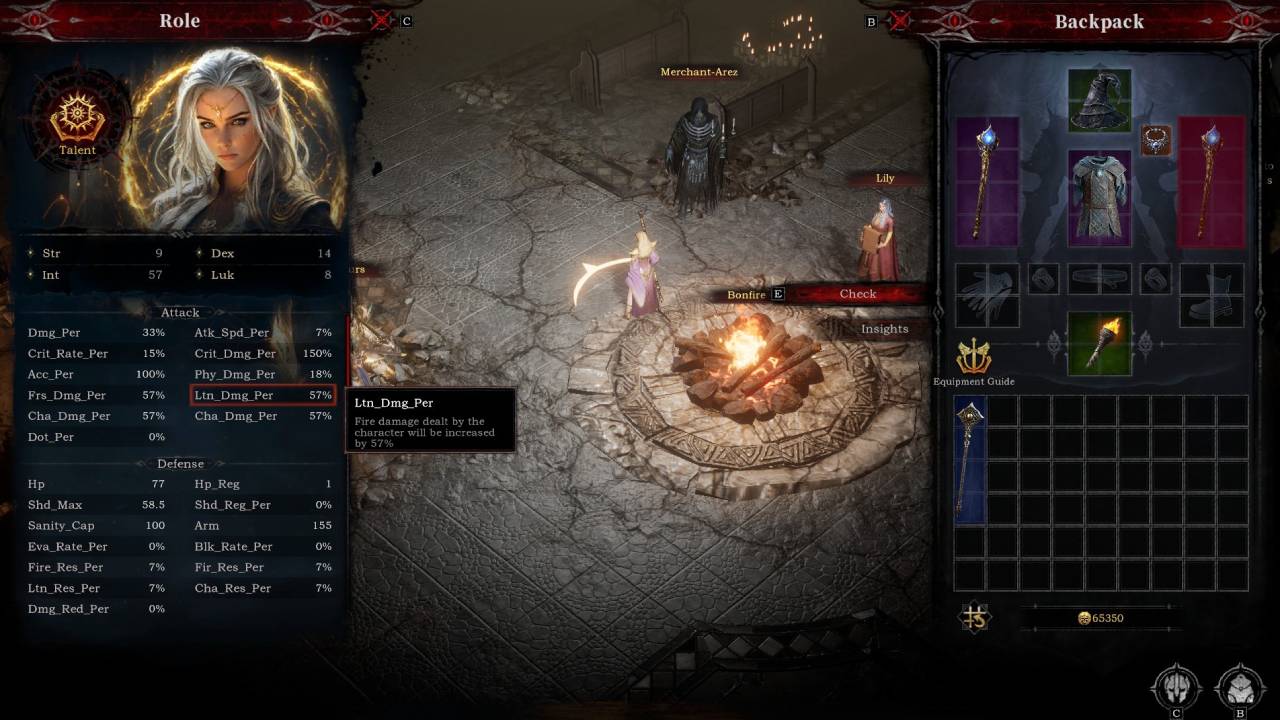
You should not only aim for more damage; you should also look for synergies that can change the way the fight feels. What makes this game what it is is that "one more run" feeling it gives you when it works right. Between runs, you go back to a central hub that is your home base. There is also a system for skills that affects how your character grows overall.
There are many useful tools in this hub that can help you move forward. It's fun that you can share items with other characters and store things in a stash. Like in Path of Exile, a trader lets you sell things you don't want for gold and bet on where certain items will appear. This way of gambling is very risky because you could roll for a rare or legendary thing at any time.
You get more levels and skill points that you can spend in a tree that's unique to your character as you play more games. Most of the time, these skills give big bonuses or let you use special moves, like berserking for heroes who fight close. I think God Forsaken is meant to be a long-term grind rather than a short-term thrill, given how slowly the game moves.
The plan idea is good enough, but not great, for runs.
It might be fun, but your patience might be tested if the speed isn't gradually increased over time. At this point, the fights aren't very good. It works, and it's easy to understand how it works because enemy patterns and skill effects are very clear. However, the moment-to-moment direction isn't always there, especially for figures who fight.
Attacks may not seem to have much of an effect when they meet, either in terms of what you see or hear. Most of the time, enemies fall without much of a fight. This can make strong skills feel less satisfying than they should. Good feedback is very important in a genre where you fight all the time, so more work in this area could make the game feel a lot better overall.
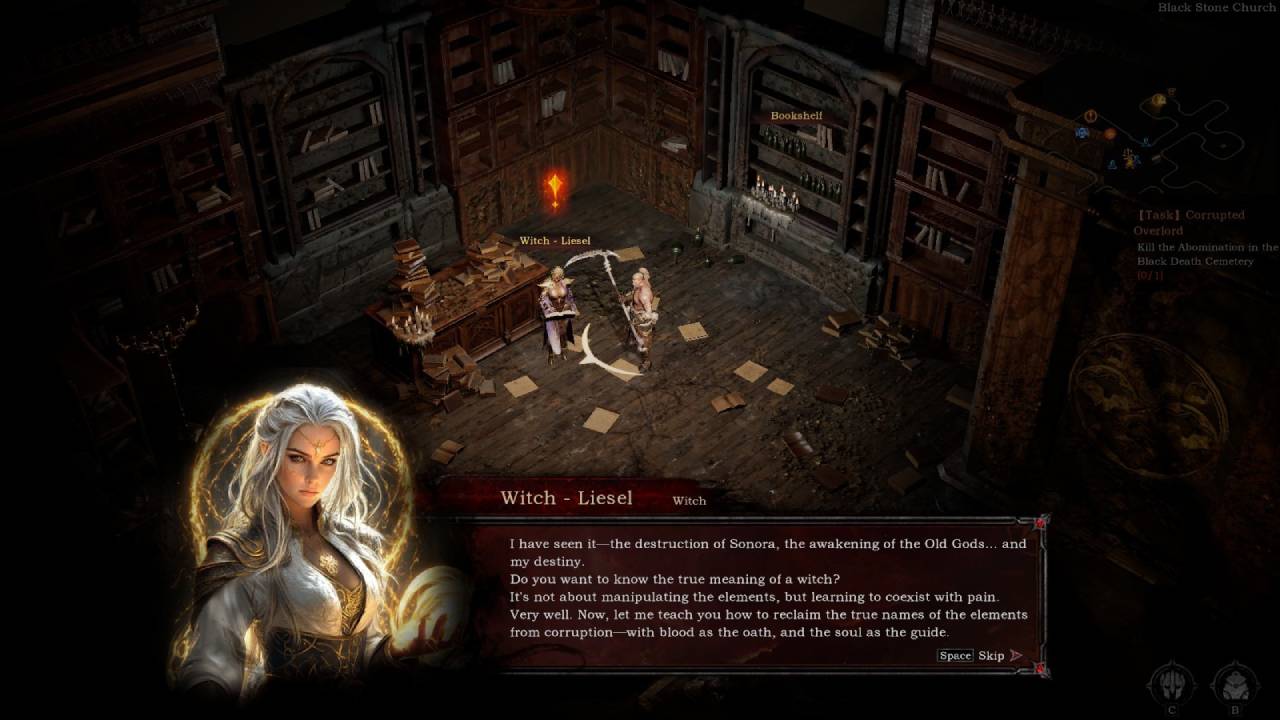
You are taken to cool places with boxes, shrines, and books that can heal you or open runes. While these things keep the world in order, they can get old after a while of play. Some days, you do nothing but wait for the next event or boss to show up while going around in circles. You don't explore or react to changes in the world. To make discovery more engaging, consider adding more random events, side goals, or environmental threats.
There's a lot of loot, sometimes too much. You can change most of your stuff while you're running, but not your guns. A lot of things drop. They need to be switched back in the hub. The people in charge of inventory feel stressed by this. On the one hand, making changes right away makes you strong. It can slow down the battle, though, to keep track of a full collection during a run.
Viewed as a whole, God Forsaken seems like a game going through a big change.
There's a good case for letting the game pick up all the loot and sort it for you when you get back to the hub. This would keep the flow going and lessen the resistance. They look good in God Forsaken, but they're not anything new. The setting is dark and moody, and the art style stays the same throughout the game, which fits with how harsh it feels.
You can read the spell effects and powers without any trouble, even when a lot of enemies are coming at you. You can see that your character and their gear change as you level up, which makes the game feel like it truly grows. Even though the pictures aren't the most cutting-edge, they make sense and work well together.
There's also promise in the sound design, but it needs some work. With its dark and powerful tones, the music sets the right scene for the enemies' constant attacks. Some sound effects, like those used for fights, don't always hit hard, though. Hearing better sounds for hits, critical strikes, and enemy charges would make the game a lot more exciting and real.
A good game loop, important progression systems, and a lot of different builds that make you want to try new things make it a great start. But it has issues that many early demos do, like not being polished enough, running at a fixed speed, and having features that don't feel fully developed or always work right. Whether or not it stands out as a title will depend on how well Insight Studio responds to comments and builds on the tools they already have.
A lot of people who like roguelike ARPGs and bullet hell games say they should keep an eye on God Forsaken. However, it does not yet have a truly unique hook that sets it apart from its competitors. However, it is still fun and deep enough to make it worth your time, especially if the problem is fixed in later versions. It could become very addictive if not for more changes, better feedback in the fight, and a wider range of content.
Moderator, NoobFeed
Verdict
God Forsaken, a roguelike ARPG, looks like it could be good. There are enjoyable and addictive portions, and the mood is powerful, but it needs more polish and diversity. It may be something great with some effort, but right now it simply feels like
70
Related News
No Data.