
Highguard Review
PlayStation 5
A tactical fantasy experience strips strategy down to pure intent, forcing players to think harder instead of playing louder.
Reviewed by Maisie Scott on Jan 31, 2026
Highguard is a focused tactical strategy game made by a small, independent team that wanted to make traditional grid-based fighting more deliberate and personal. Instead of trying to compete with big-budget games in the same genre, this game focuses on being precise, easy to understand, and letting you make decisions that matter.
It was made with a clear respect for standard turn-based systems, but it avoids too much mechanical clutter on purpose. Highguard is a carefully planned project that was made to reward people who are patient and think ahead.
.jpg)
The people who worked on Highguard got ideas for the game's design and flow from classic fantasy strategies. The production values stay low, but the design theory puts an emphasis on simplicity and clarity over showiness. This method makes the game feel more unified than scattered.
Highguard is not a new take on the genre; alternatively, it is a well-thought-out improvement.
The story of Highguard is about a broken realm that is trying to keep things in order after its ruling power falls. Players are in charge of a small group of expert defenders whose job is to restore peace in areas that are being fought over. In place of cinematic exposition, the story is told through task briefings, character interactions, and the setting. This quiet delivery adds to the game's serious mood.
The story is based on political unrest, a lack of resources, and moral balance. Groups are more like different ideas about how to run the government during the campaign than they are clear-cut bad guys. Highguard doesn't use melodrama, but these arguments make you think about what they think they know. Things that happen in the story make it feel like it moves forward, not stops that were planned.
Character growth is still subtle but powerful. Members of the party show what drives them by how they act on the battlefield and what they say. Relationships change as confidence is put to the test over and over again. In Highguard, the story is not a different layer but rather an extension of the gameplay.
Highguard is a turn-based tactical game that is played on areas that are set up like a grid. Each battle requires careful planning of where to stand, how to use resources, and how to evaluate threats. Units can only do certain things within certain limits, which forces prioritization over brute power. Movement, choosing a strike, and putting yourself in a defensive position are the building blocks of every choice.
Players are in charge of a small group of units compared to a huge army. Each character has a specific job to do on the battlefield, and their jobs don't often cross. Specialization and effective synergy are pushed by this design. Highguard values careful planning more than improvising on the spot.
When you're not in battle, you can move forward by choosing missions and managing your base in some ways. More than making changes in the middle of a fight, preparation before a battle affects success. The decisions you make about loadout, unit composition, and ability investment affect the results.
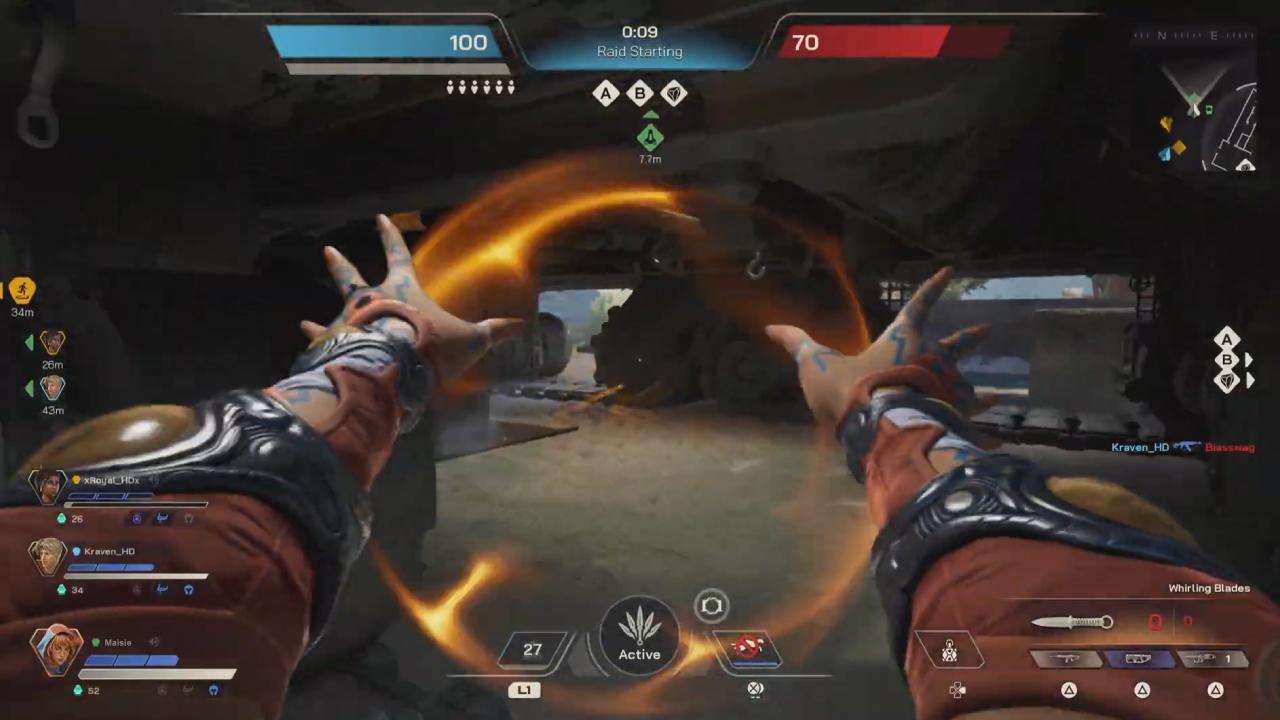
Highguard stresses that planning is the most important skill.
The fighting in Highguard is a mix of strategy fighting and puzzle-like encounter design. Enemy formations are made to punish careless progress and award careful destruction. The height of the terrain, choke spots, and line of sight are all important factors. Understanding the situation is often more important than beating your opponents.
There are no typical tasks that are not part of the battles. Clearly, each meeting is a test of your spatial reasoning. Patterns of enemy behavior can be solved by changing where and when you attack. Puzzle-solving is an important part of Highguard's battle loop.
This approach makes immersion stronger while keeping the challenges the same. Encounters get harder by becoming more complicated, not by getting more common. Players are rarely overwhelmed by numbers, but accuracy often puts them under a lot of stress. Highguard sees battle more as a mental workout than a show.
The best thing about Highguard is how easy it is to read. Visual clarity helps players make smart choices in place of impulsive ones. It is clear what the damage ranges, movement limits, and danger zones are.
The player and the machine can trust each other more because of this.
But the pace of battle can feel too slow at times. Some fights last longer than they need to because the enemy is being cautious. Even though stress stays high, momentum sometimes slows down. Highguard puts care above speed.
Even so, the balance of battle is still amazingly stable. There aren't many main techniques, which makes it easier to try new things. During the whole battle, unit roles are still important. Highguard has careful tuning as an alternative to sudden increases in challenge.
As you play Highguard, you can move up by finishing missions and fighting more. As units level up, they can use new skills and get simple benefits. It feels like small steps are being taken forward instead of big changes. This doesn't make them stronger; it just makes the strategies more reliable.
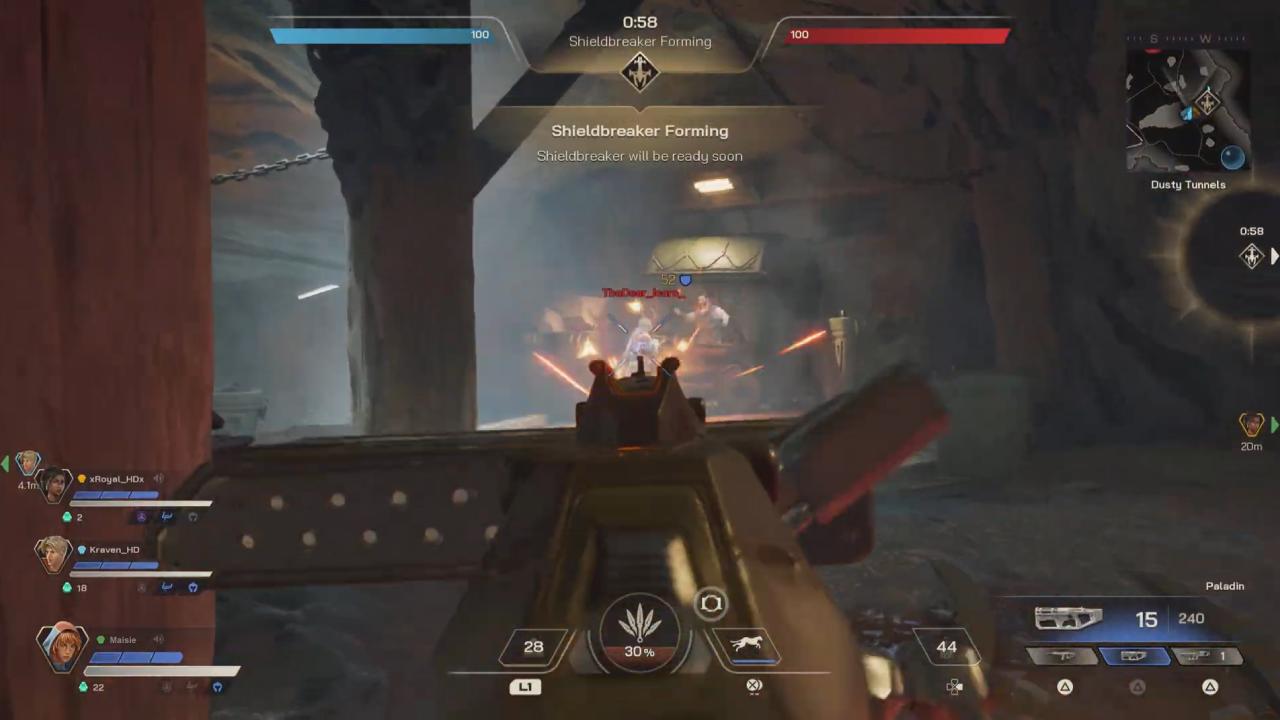
There is no need for too much grinding to stay competitive. As you get better, the level of difficulty naturally rises, keeping the task without adding extra barriers. Optional tasks give you more experience without making you do the same thing over and over again. Highguard values the time that players put in.
There are customization choices that let players make units fit their own playing styles. Choices are lasting enough to have weight without leading to failure that can't be fixed. As opposed to removing strategy, progression adds to it. As Highguard says, "growth goes hand in hand with skill."
Highguard has a stylized magical look that focuses on being clear and putting everything together. Character models can be read from far away, which helps with situational awareness. Environments value useful design over unnecessary decoration.
Every visual aspect is there to make the game easier to read first.
The color schemes are soft on purpose. Features of the terrain can be seen clearly without any visual noise. Effects are kept vague so as not to hide information. Highguard puts utility ahead of flourish.
Even though the graphics aren't very fancy, the layout stays the same throughout. Performance stays the same even when meetings get complicated. The game's slow pace is emphasized by the way it looks. Highguard shows that being clear gives you an edge over other people.
The sound design in Highguard helps with realism by supporting it in a subtle way rather than making it stand out. Sound effects make it clear what happens in an action without being too loud. Important input comes from weapon strikes, movement cues, and ability activations. Clear audio boosts tactical trust.
The music has a lot of atmospheric dream themes. Tracks stay quiet, so the attention stays on making decisions. While not controlling mood, music changes softly to match the level of intensity. Highguard uses sound to help people focus.
Voice acting isn't very good, but it works. The delivery of dialogue keeps the tone consistent. People use silence on purpose to build stress. Highguard shows controlled sound direction.
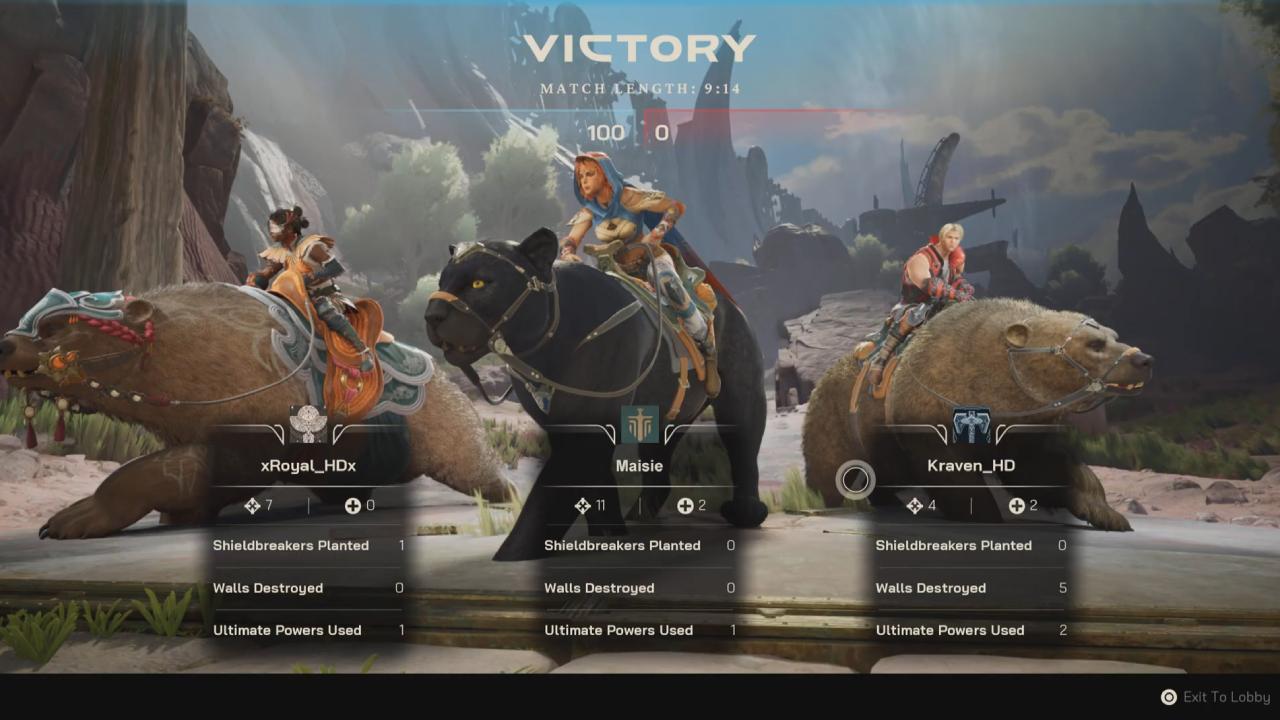
Highguard is successful because it knows its limits and designs around them. It doesn't try to be too big or flashy to be understood. Besides, it gives you a tightly constructed tactical experience that is based on purpose and clarity. A single design theory is supported by all systems.
For players who want to try new things, the game may feel too traditional. Still, its polish makes it a nice change from over-the-top strategy games. Depth comes from repetition, not from making things too complicated. Highguard rewards interaction that shows thought.
As a tactical experience, it's a sure sign of well-thought-out planning. Through stability and polish, its strengths are greater than its weaknesses. Highguard gets respect by being disciplined, not by doing too much.
Editor, NoobFeed
Verdict
Highguard is a precise, thoughtfully balanced tactical strategy game that prioritizes clarity, planning, and meaningful progression. Its restraint and focus make it a compelling choice for players who value intention over spectacle.
70
Related News
No Data.