
Anno 117: Pax Romana Review
PC
Ubisoft's newest game in the Anno series transports city-building to the Roman Empire, where peace coexists with strategy, history, and human drama.
Reviewed by Nusrat Choity on Nov 05, 2025
Anno 117: Pax Romana is a big step forward for the long-running Anno series. This famous series of city-building and strategy games is traveling to the heart of ancient Rome for the first time. At this point, Rome was at its most powerful, cultured, and complex.
This game was produced by the same studio that made Anno 1800, Ubisoft Mainz. It has a new historical foundation and is easier to use, as well as more in-depth.
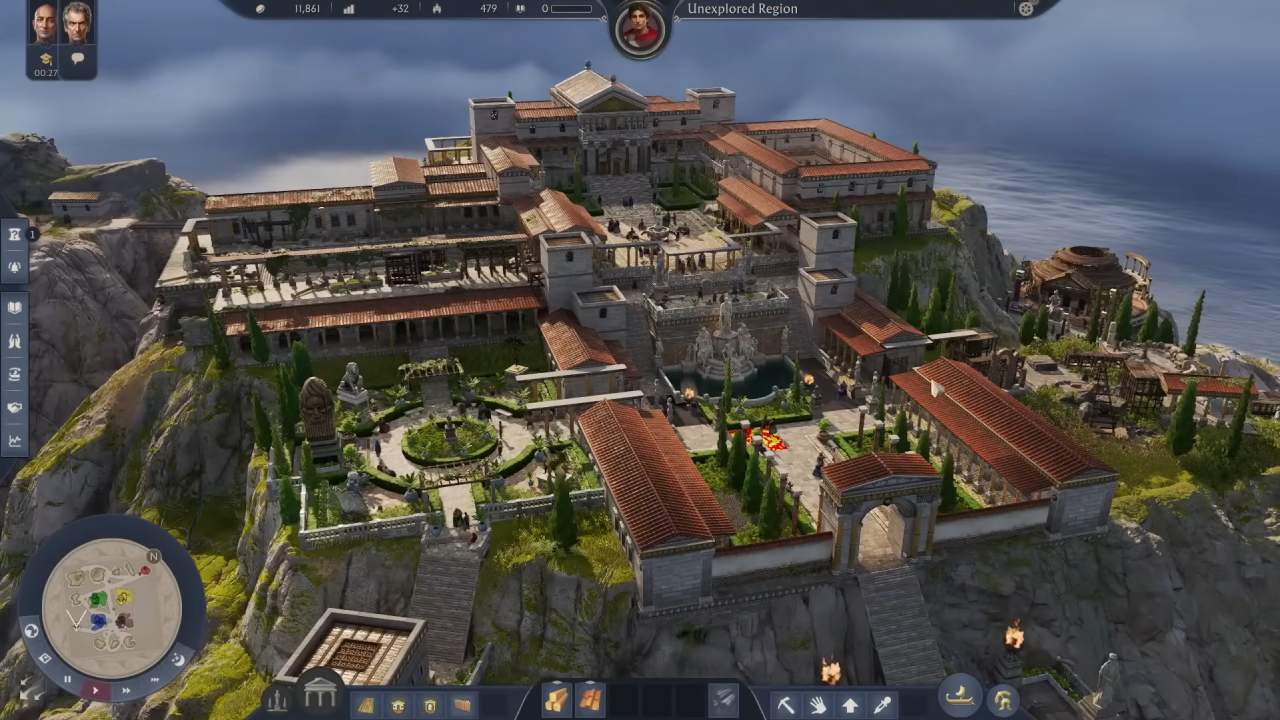
Manuel Reinher headed the creative team in devising new ways to utilize the series' traditional city-building mechanics within one of the world's most famous empires. It wasn't enough to just show how great Roman culture was; the goal was to make an experience where every economic and cultural choice reflects the political facts of Pax Romana, the time when the empire was at its most peaceful and stable.
Ubisoft attempted to strike a balance between making games easy to play and deep, offering modular gameplay that appeals to both new and experienced players. The end product is a strategy game that feels historically grounded, features a rich narrative, and boasts numerous mechanics. This is a real evolution for the franchise.
The main idea behind Anno 117: Pax Romana is that you play as a Roman governor who has to turn a faraway province into a shining example of wealth. You can pick between two main characters, Marcus or Marcia. They are siblings with different motivations for wanting to be in charge, which will impact how you manage things. This duality in the story gives it a personal touch that is not often found in city-building games.
The story takes place during Emperor Trajan's rule in 117 AD, when Rome controlled a vast area that included Britannia and Mesopotamia. But there is tension beneath the empire's calm facade. This is because it is challenging to maintain order, accommodate diverse cultures, and balance the values of Roman civilization with the identities of the conquered peoples.
The game asks you to choose between enforcing assimilation and keeping local customs. This is a subject that frequently arises and affects not only the morale of your cities but also trade, diplomacy, and your relationship with the emperor—every decision you make matters, whether you choose loyalty over revolt or faith over business.
No, Anno 117 doesn't praise the empire. Instead, it talks about how Rome's peace was actually full of contradictions and how control, knowledge, and political compromise were often needed to keep things stable. It's not just a building game; you have to build the empire's mind too.
The main part of the game involves building and maintaining complex economic networks, a trademark of the franchise, but with a Roman twist.
You are in charge of provinces that stretch from the Mediterranean heartlands to the misty Celtic lands of Albion. You must adjust your plans to accommodate the resources, climates, and cultures of each area.
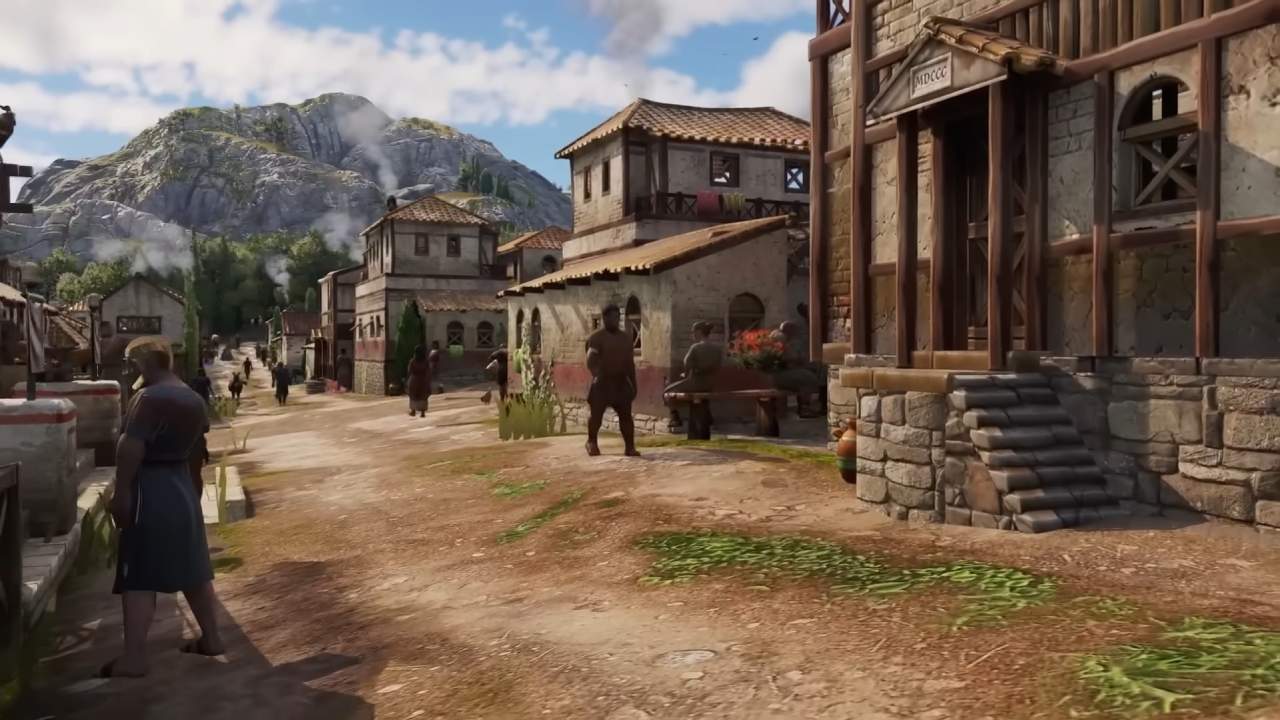
Building cities is more natural than ever. You can now build towns with natural growth patterns that make them feel alive and true to history.
Gone are the strict grid-based layouts. Still, production chains are complicated: wheat has to get to the mills, marble has to get to the building sites, and trade routes have to stay open. Every time you waste a resource, it has an effect on your economy, making people less happy and making it harder to collect taxes.
The class system is back, but it's more flexible this time. As their demands are addressed, citizens transition from plebeians to patricians, which enables them to devise their own plans and facilitates smoother operations. If you meet these social and economic goals, your cities will continue to flourish, and your political power will grow.
The game also adds new "province attributes" that connect resources to moral or cultural effects. Building a temple might make people more religious, but less productive, while investing in markets might make people richer, but more corrupt. These trade-offs make sure that no two provinces ever feel the same.
Anno 117 doesn't focus on war as much as the games that came before it, but managing the military is still a big part of the game. Instead of huge campaigns, you make tactical and regional defensive decisions, such as defending trade lines, suppressing uprisings, and negotiating with other provinces.
The naval fights in Anno 1800 were not possible in Pax Romana. Instead, troops could patrol neighborhoods, protect walls, and put down rebellions. Think like a real Roman ruler. When possible, use diplomacy to maintain peace, and when necessary, use discipline.
These elements don't make the game a full-blown war simulator. Still, they do provide a nice level of tension that complements the game's economic depth. Combat reminds us that peace in Rome wasn't just a state of mind; it was maintained.
Governance is intimately related to experience advancement. Suppose you achieve certain goals in the city or bring different cultural groups together. In that case, you will earn Senate favor. This currency grants you access to powerful decrees and impressive buildings, such as aqueducts, amphitheaters, and triumphal arches. It seems like you worked hard for each advancement, both in terms of strategy and story.
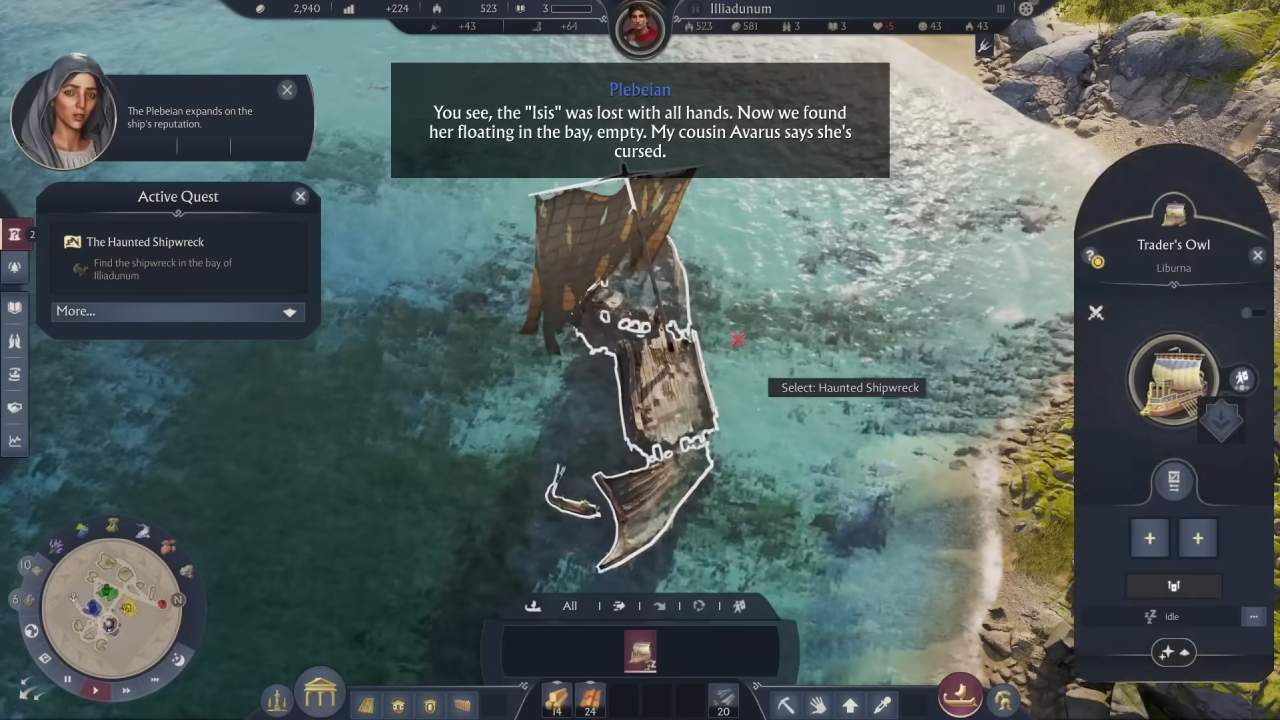
Anno 117: Pax Romana looks amazing. The art direction does an amazing job of capturing the beauty and detail of ancient Rome. The architecture, which includes large forums, marble villas, and simple domus cottages, shines in the Mediterranean sun. There are traders in the markets, legionaries on the streets, and craftspeople in the dark lanes.
There is a different mood in each place. The golden tones of Latium look great with the misty greens of Albion and the parched sands of Egypt. Colors not only help people find their way, but they also make them feel like they belong to a group. Not only are these places empty, but they come to life when people visit. Life goes on as usual; the weather changes, and there are celebrations in the streets.
The game runs smoothly at high resolutions, such as 4K, although the most intricate scenes can be challenging for mid-range PCs to handle. The optimization is generally good, although big cities can sometimes cause slowdowns. This is especially true given the size and detail of its environment.
The UI is cleaner and more up-to-date, although anyone who has played Anno 1800 before might not find it as easy to use at first. The streamlined design, on the other hand, works over time, allowing you to focus on administration instead of navigating menus.
The music works well with the pictures. Some sounds, like the quiet chatter of a market or the solemn tones of a church, make it seem more real. Different people feel different things when they listen to classical music. It's loud when things are going well. It's quiet when things are going badly.
Voice acting brings important characters like Marcus and Marcia to life, and background sounds, such as footfall on cobblestones, distant sea waves, and the sound of tools clattering, make each scene feel real. The end result is a soundtrack that is both cinematic and personal, making your cities feel like living things with their own voices.
The game looks great, and Ubisoft Mainz has provided players with excellent tools to optimize its performance.
DLSS support enables the game to run more smoothly on older GPUs, allowing you to play it without compromising quality. There are occasional slowdowns in big cities or fights. Still, they don't happen very often and don't disrupt the strategic flow. The game automatically makes up for these slower times.
Even when there are numerous tasks to complete, memory management remains stable, and the engine can handle thousands of moving units and active economic systems simultaneously. The technical balance is great for a game this complicated, but there is certainly an opportunity for improvement in future releases.
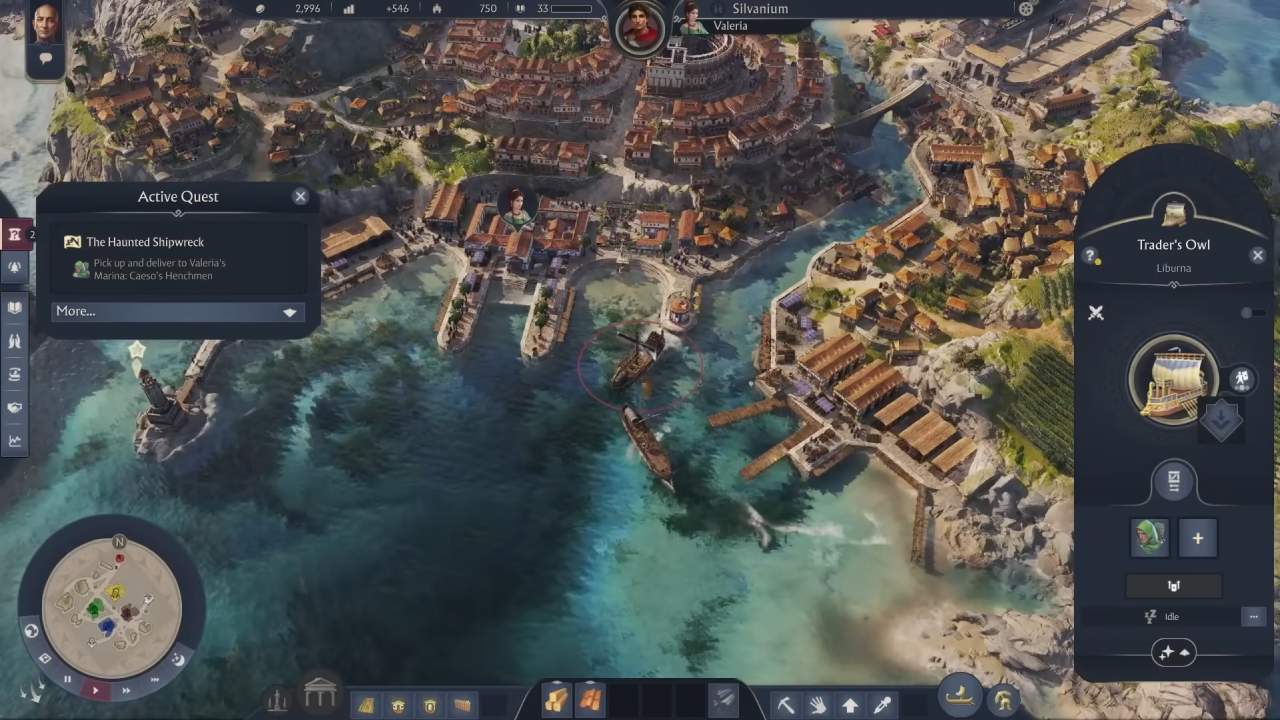
Pax Romana is a great place for people who are new to the genre to start because it has great tutorials and difficulty settings that can be changed. Veterans can get more out of the game by playing in sandbox and multiplayer modes, which are cross-progression compatible, allowing them to play without any issues on either PC or device.
Anno 117: Pax Romana is a new take on the Anno formula that builds on what came before. It embodies the franchise's strategic DNA, but it also introduces complexity through moral decisions, character-driven stories, and a retrospective look at history.
Instead of trying to wow you, it makes you think about government, power, and the delicate balance of peace. The end effect is a city-building game that feels real, smart, and very human.
The game's ambitions can sometimes lead to poor performance, and its UI may not please all long-time fans, but these are minor issues in an otherwise great game. Anno 117 promises to expand and change like the empire it shows, thanks to strong mod support and plans for updates after the game is out.
This is one of Ubisoft's most grown-up and culturally relevant works in years. It's a simulation that allows you not only to build Rome, but also to live it.
Contributor, NoobFeed
Verdict
An extension of the Anno series, this game is visually spectacular, deeply strategic, and full of story. Anno 117: Pax Romana makes constructing an empire seem smart and real. A great work of city-building in history.
80
Related News
No Data.