
Jackal Review
PC
A fast and violent top-down shooter with a 1970s feel that asks how far style, speed, and pain can take a tried-and-true recipe.
Reviewed by M. Hasan on Feb 06, 2026
Every few years, a game comes out that doesn't just politely knock on the genre's door; it kicks it down, spills blood on the carpet, and then asks questions. One of those games is Jackal. This game comes from a development past that includes sandbox chaos and fast-paced mayhem, so it knows exactly what kind of games it comes from.
Jackal was mostly made by a single writer known for violent games with a lot of physics. That past is important because Jackal doesn't feel like a planned work but rather an obsession boiled down.
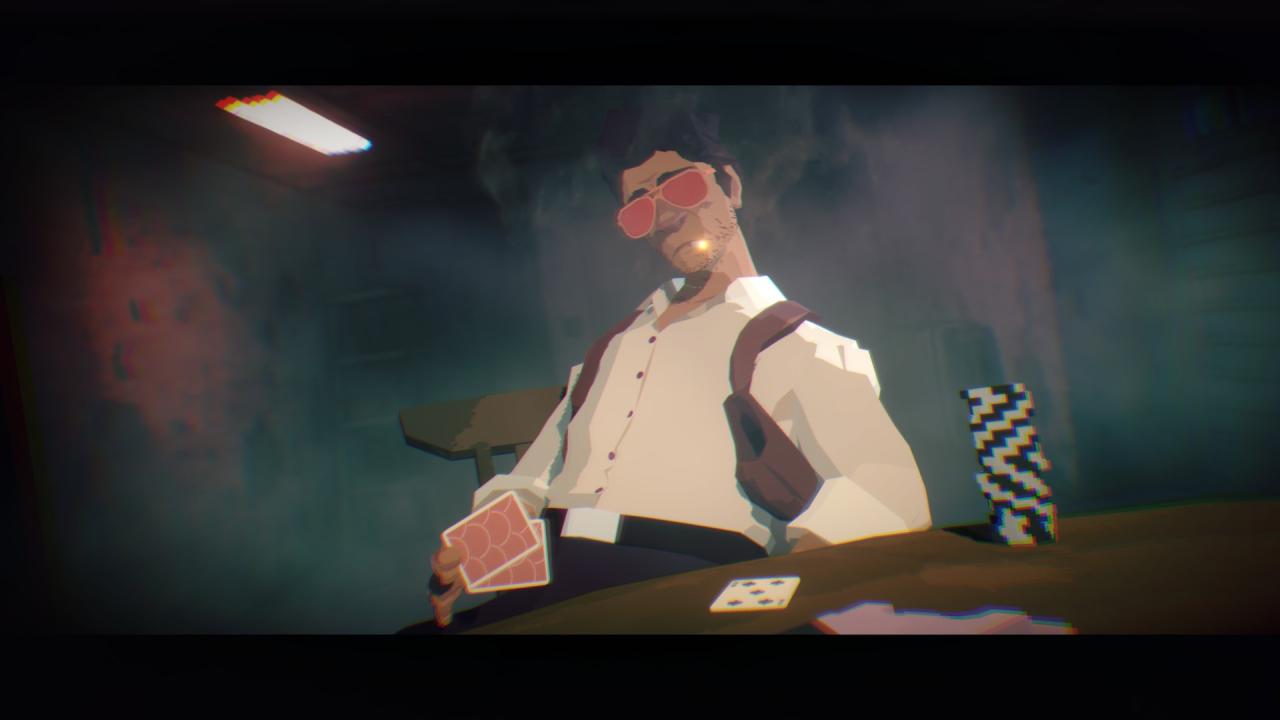
Jackal doesn't try to be a sequel; instead, it sees itself as a spiritual continuation of a very specific design theory. It clearly takes inspiration from old-school top-down shooters that were all about speed, pain, and repetition. At the same time, it gives that familiar core a new look: Las Vegas in the 1970s, full of bright lights, drugs, and moral decline. It's not shy about its inspirations.
Jackal's story isn't about holding your hand or being clear
According to the sources, the story is about an unknown hitman who goes on a killing spree across Las Vegas while high on drugs. He is led—or maybe haunted—by Anubis, a divine advisor who gives vague warnings and isn't always right. The game is set in the 1970s and has a lot of strange stories. Repetition and lack of cohesion are not bugs but features.
The story is told in pieces, and it often goes back on itself, which is a reflection of the main character's mental state. Conversations get mixed up. There are more and more references to drugs. It's not justice or payback that drives people as much as momentum. There are casinos, mobsters, and skewed morals in the city, which makes it feel like a dream. This structure is meant to look like cult movies that put feeling over logic.
That method will make people disagree. Some people might like how committed it is to mood and silliness. Others might think the story is too short, too repetitive, or too much of an indulgence. At times, the dialogue has trouble finding the right mix between irony and sincerity, making it hard to tell when something is meant to be funny or just too much.
That being said, the show does help sell the experience. Even when the writing isn't very good, stylized cutscenes with still images, bright colors, and synchronized subtitles make the story visually interesting. Does every story have to make sense, or is it enough just to feel something?
There is one simple, harsh rule that Jackal is based on: almost everything dies in one hit, even the player. This planning choice determines every part of the game. Each level is a small arena where timing, positioning, and being able to improvise are more important than having a lot of weapons.

You can go from room to room, killing all of the enemies in each one before moving on.
There are weapons all over the environments, but they are only meant to be temporary fixes. Most guns only come with one clip. Then, when they're empty, they're thrown away. Due to visible wind-up animations, melee weapons need to be used carefully because they hit hard. When fighting enemies from far away, even throwing weapons becomes an important move.
The movement is quick and sensitive, but a little less tight than usual for the genre.
Some physics effects make things less predictable, and bullets move more slowly. Enemies can't shoot as well either. This makes Jackal feel more like a lab, which makes it easier to think of new ways to solve problems rather than just remembering them. Making plans is important, but being able to change them when things don't go as planned is even more important.
With abilities, you can add another level to the game loop. These skills, which you can get by killing enemies, range from slowing time to changing how enemies act. Some abilities have big effects on fights for a short time. For example, one ability turns fighting into a situation where time only moves when you move.
These tools relieve pressure, making it easier for you to get through tough situations without taking away all the challenge. Jackal doesn't have standard puzzles, but every encounter is like a puzzle. Each room is a dangerous puzzle with enemies positioned at odd angles, few weapons, dangerous environments, and small areas. To be successful, you need to be able to quickly read the room and decide what to do next.
Interaction with the environment is helpful.
You can kick things at enemies, use doors as temporary cover, and position is often more important than weapons. But not every engineer thinks they are equally important. Based on what the sources say, some features, like environmental kicking, feel more situational than central, especially when using a mouse and computer.
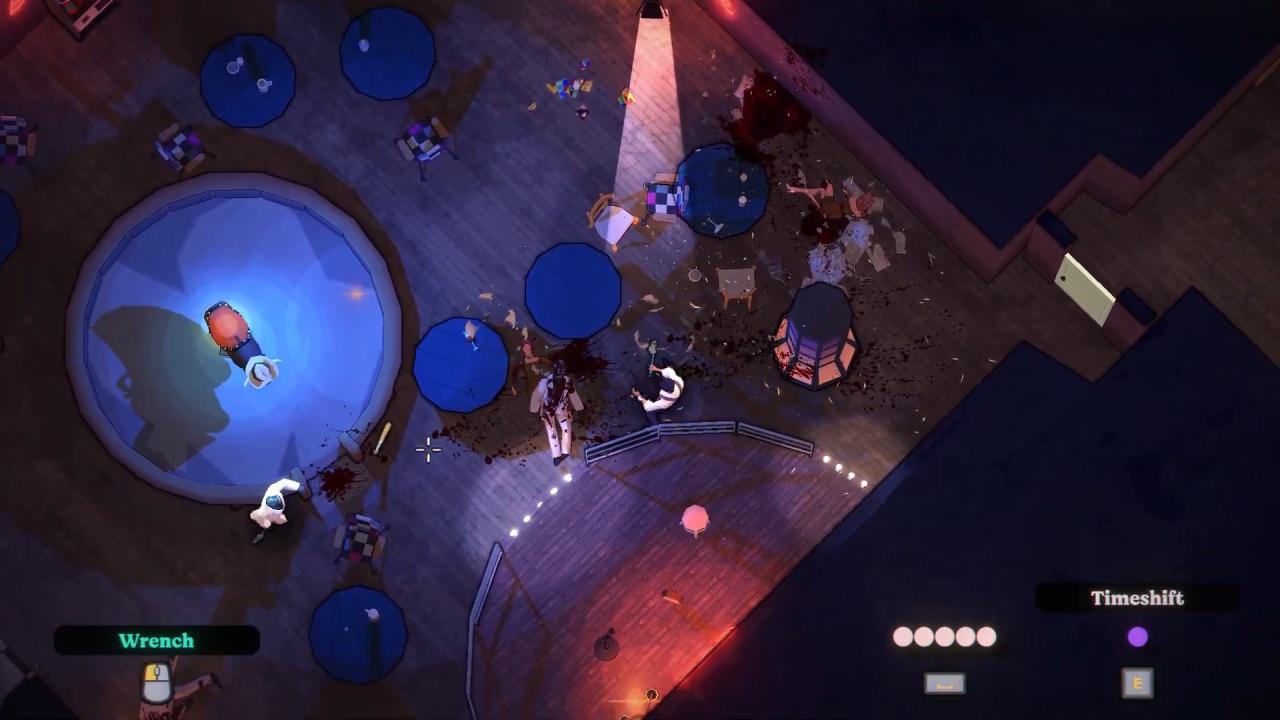
Adding variety to enemies makes things harder at times. Normal enemies are easy to hit once, but animal enemies and enemies with a lot of health break up the flow. Often, these situations call for guns, and without one, failure can feel quick and unavoidable. The experts say that this can make some situations feel unfair instead of difficult.
The rapid restart method in Jackal keeps people from losing their cool. Death doesn't last long. It's almost instant to reload. This design cuts down on downtime and encourages trying again and again without giving anger a chance to settle. It's a small but important choice that puts Jackal on par with the hardest games in its genre. Why get angry when the next chance is already there?
By most standards, Jackal is not a long game. The reports say that a single playthrough can be finished in a few hours. But progression isn't so much about making material longer; it's more about making engagement deeper.
Unlocking abilities during the game gives you more ways to play, but the real fun starts after the credits roll.
When you finish the game, a lot of different gaming changes become available. Random level patterns, enemy placement, and mutators that completely change how the game is played can all be used by you. Each run feels different thanks to dual-wielding weapons, changed execution rules, and changed challenge settings.
You can't grind XP in the usual sense of raising your numbers. Instead, you move forward based on your skills and the game's method. To become a master, you need to understand how the game works, try out different factors, and push your own limits.
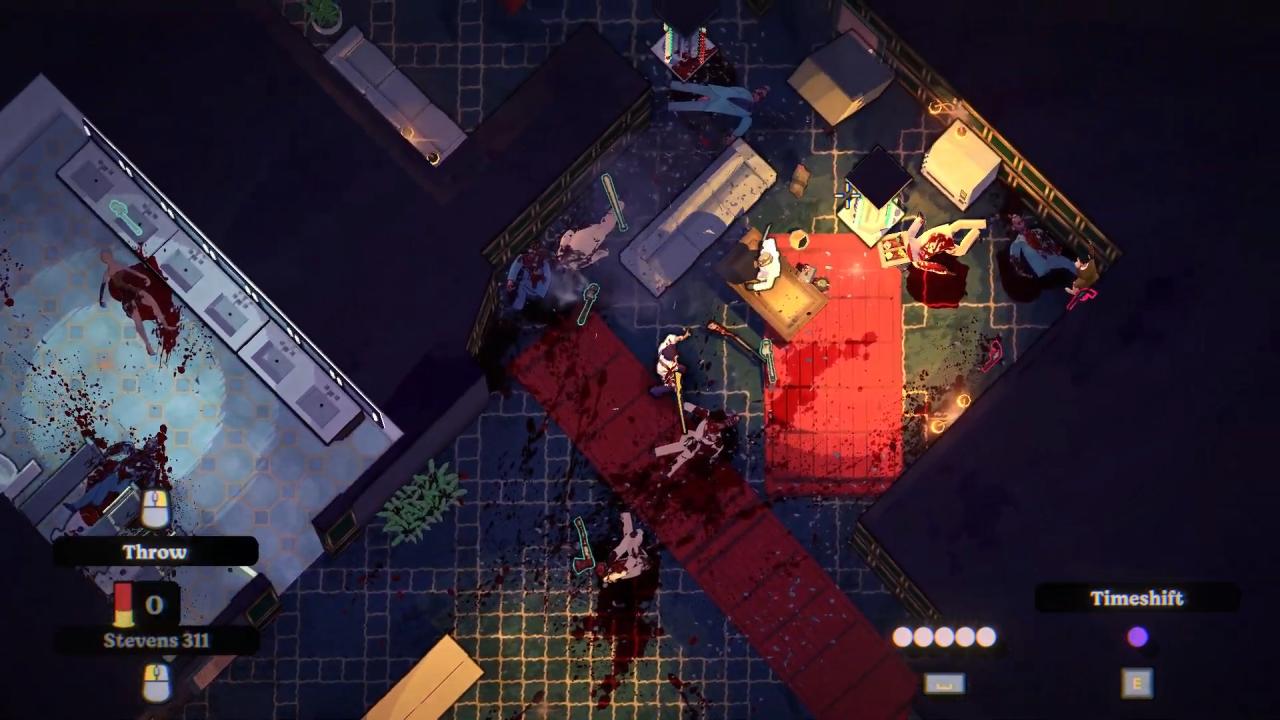
Online leaderboards for speedrun levels add a competitive element that you, who like to find the best ways and finish tasks faster, will enjoy. How many times can you change chaos into something else before it's no longer chaos?
When it comes to the game’s visuals, Jackal values clarity over flashiness. Colors that are bright and neon, pastel backgrounds, and a lot of contrast make enemies stand out from the surroundings. Enemies with weapons are highlighted, making it easy to spot immediate risks while you're in battle.
The settings are stylized versions of Las Vegas in the 1970s. They combine casinos, hotels, and run-down cities into small, easy-to-read areas. After each fight, blood splatters paint the area, turning levels into violent, surreal canvases. The graphics may not be the most advanced, but they always work for gameplay and mood.
The interface is clean and easy to use, and the choices are simple to find your way around. The layout of the power cards is a big flaw; they overlap, which can make it hard to choose cards later in the game. A more organized plan might have made it easier to use without giving up style.
One of the best things about Jackal is the music. The music is a mix of moody jazz for the settings and cutscenes, and heavy tracks for battle. This mix brings out the age of the game while keeping the energy needed for fast-paced action.
Some electronic parts may not seem right in a 1970s setting, but the result works as a whole. Instead of trying to sound like other albums in the same genre, the music makes its own sound. The chaos is matched by sound effects, like gunshots and hard hits that give every action more weight.
The technical ability is good. The game works well for long periods of time, with stable frame rates and few crashes recorded. There are sometimes small bugs with how enemies behave and how they collide, but they don't really ruin the experience.
Jackal is a strong, unapologetic step into a tough genre.
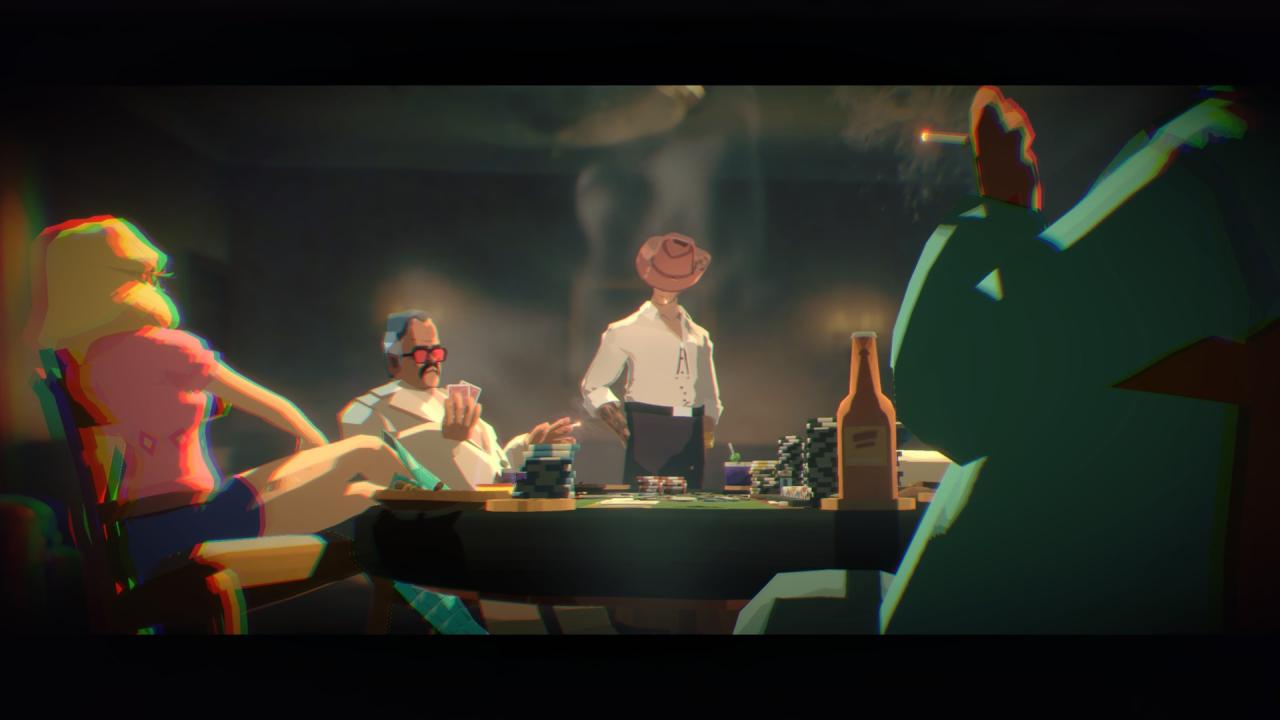
It's not trying to make the wheel go around again, but it knows why it keeps turning. The game does well because it pays homage to its inspirations while also adding just the right amount of freedom and customization to be able to stand on its own.
Not everyone will connect with the story, and some design choices can feel off, especially when the difficulty level rises to the point of frustration. But the main gameplay loop, which is fast, deadly, and can be played over and over, is still interesting.
Jackal deserves its spot at the table because it has a great audiovisual presentation, lots of replay possibilities, and a good grasp of the genre's basic ideas. Someone might not win every time they roll the dice, but they want to try it again and again. That is, isn't that the whole point of a city built on risk and reward?
Editor, NoobFeed
Verdict
Jackal is a stylish and punishing top-down shooter with fun gameplay and a lot of replay value. The story isn't quite consistent, but the speed, mood, and confidence make up for it.
74
Related News
No Data.