
Nioh 3 Review
PlayStation 5 Pro
A cruel continuation of Team Ninja’s warrior history that takes place at the end of an era
Reviewed by Nusrat Choity on Feb 04, 2026
Team Ninja has always been a company that is crazy about getting better. Before there were a lot of games like Souls, the people who made Ninja Gaiden told players they needed to learn enemy routines, pay attention to animation frames, and win every battle by using skill instead of cheats.
When Nioh came out in 2017, it had the same concept, but it was filtered through Japanese folklore, loot systems, and managing your stamina. Nioh 2 added Yokai powers and more ways to customize the game, showing that the series was more than just an experiment based on Souls.
.jpg)
Team Ninja doesn't try to be something new with Nioh 3. Instead, it takes everything it has learned over the years into account and comes up with the most sure of itself, improved, and adaptable version of its method to date. What makes Nioh 3 stand out right away is the change to the structure.
The game doesn't just rely on tasks that are very specific; it also uses an open-world style.
This isn't a huge open world that's meant to waste your time. Instead, it's a carefully planned network of areas that work better together. You can explore at your own pace as you move through war-torn countries, corrupted landscapes, and myth-filled ruins with fewer loading screens. The style makes people curious without forcing them to be.
You can follow the critical road if you want to. The game lets you leave, get better, and come back later if you want to. Once more, the story reimagines Japanese history through the lens of the supernatural, mixing real political battles with the myth of Yokai. You are stuck between two groups that are at odds with each other, whose loyalties are changing, and the human and spirit worlds are becoming more and more imbalanced.
Time is very important, and the story jumps between different times to show how choices affect the future. Nioh 3 stays true to the series in one important way: the story serves the gameplay, not the other way around. The idea is interesting. People remember the ideas behind characters, but they don't stay around long enough to form strong emotional bonds.
This story won't make you cry, but it gives you enough background to make your journey feel real and important. Fighting is still the most important part of the game, and Nioh 3 might be the most enjoyable action RPG that Team Ninja has ever made in terms of how it works. It's back: the well-known Ki system that rewards accurate time and rough play is back.
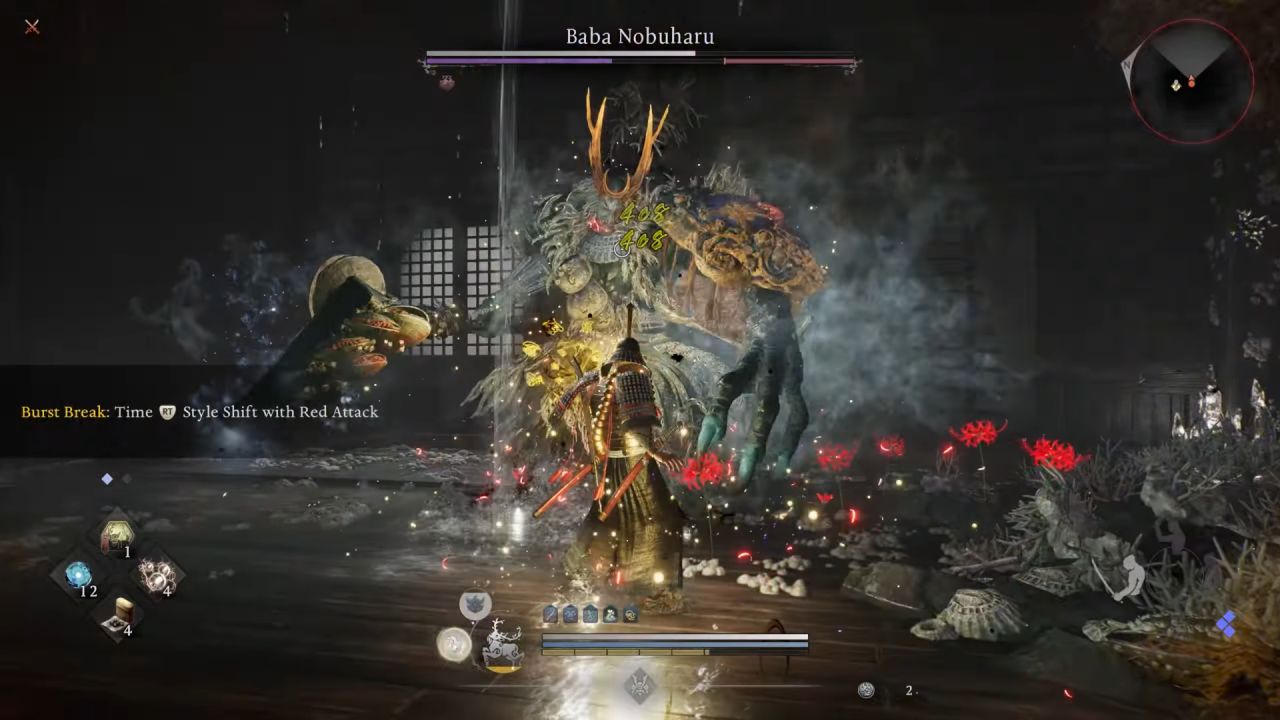
You are always juggling attack and recovery of stamina because you know that one greedy mistake can cost you a lot. When you fight an enemy, you need to pay attention, especially when you're up against Yokai, which drain your Ki and punish bad positioning. Adding two very different fighting styles—Samurai and Ninja—changes the flow in a big way.
You can quickly switch between Ninja and Samurai styles, which will change your life. In samurai fighting, structure, managing your stance, and using power on purpose are all very important. You feel safe as you trade hits with your enemy, taking away their health and giving them crushing counters.
Ninjas, on the other hand, have to be quick and sneaky when they fight.
You use mist-based movement, dodging moves, and hit-and-run strategies instead of normal Ki Pulses. When you can change styles in the middle of a fight, you can do creative things that make the fight interesting. As a Samurai, you can put pressure on an enemy. As a Ninja, you can back off, adjust, and attack again before they can recover.
One of the most rewarding parts of this type of game is still the Burst Counter system. When enemies use strikes that can't be blocked, timing a counterattack right feels powerful instead of cheap. The sound and sight input make you feel like you earned that moment. This mechanic is what makes boss fights exciting.
What could have been annoying difficulty spikes are now exciting tests of your speed and calm. It's still exciting to hit a perfectly timed counter even after dozens of hours. Another strong point is the range of enemies. Human enemies require you to be patient, space out your attacks, and carefully watch how your weapons move.
Yokai enemies, on the other hand, test your ability to manage your energy and be aware of the elements. Each type needs a different strategy, which keeps battles from becoming mindless. The game does a great job of teaching you by punishing you, which forces you to change instead of using brute force. It usually feels fair when you fail, which is important for a game this hard.
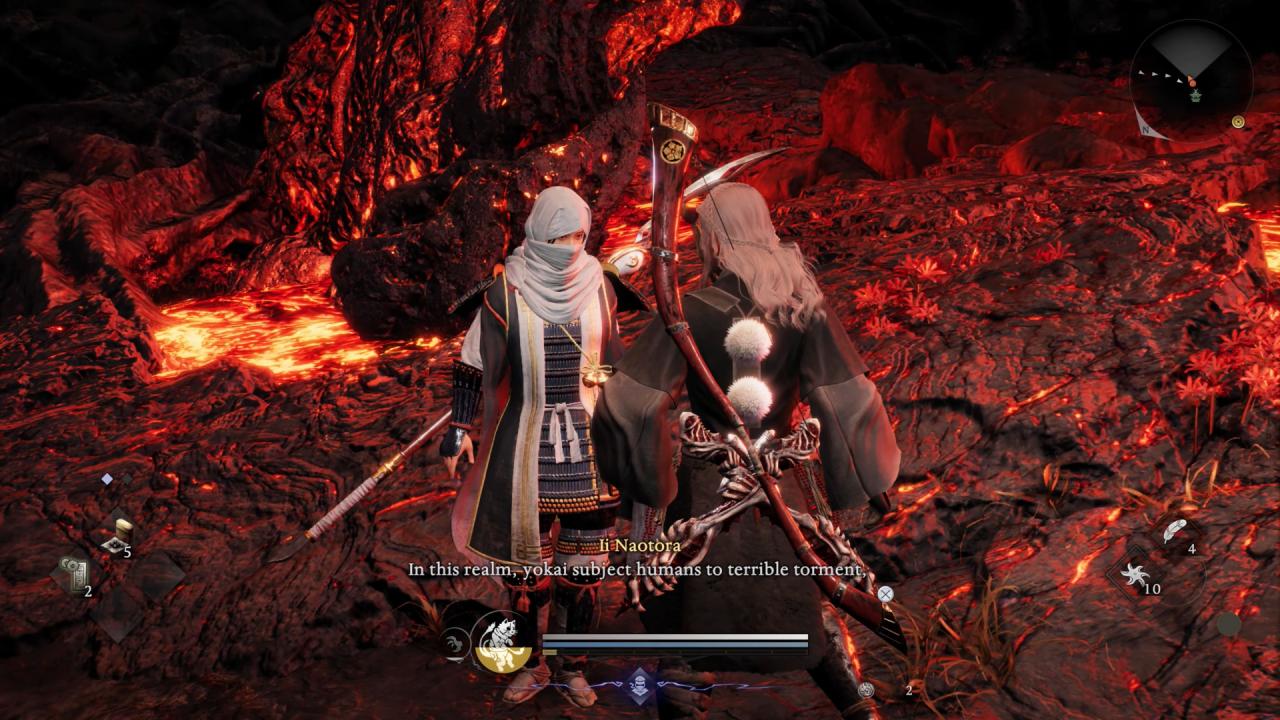
Exploration is a big part of moving forward in Nioh 3. You can get experience points, skill upgrades, and passive bonuses for more than just killing monsters. They also help you learn about the world. Finding Kodama makes it easier for you to heal. Getting rid of corrupted areas makes the area stronger and shows you hidden possibilities.
Shrines are both safe places to go and strategic checkpoints that keep the tension high while lowering anger. You feel more prepared the more you explore, and that planning has a direct effect on your ability to stay alive.
The skill system is big, but it's also open, so you can try new things without worrying about making mistakes that will stay with you. You can play in different ways with the Samurai and Ninja skill trees, but you are never stuck on one road. Respect is not punished; it is urged.
Mastering a weapon has value, and each type has its own rhythm and personality. Soul Cores and Guardian Spirits give you more ways to customize your Yokai, giving you powers and passive effects that can change the way you fight in a big way. The Yin and Yang modifiers add to the complexity of this system by making common skills into situational tools instead of fixed powers.
The open-world concept really shines when it comes to how well it handles difficulty.
You are not usually trapped when you come across an enemy or a place that feels too much for you. You can go visit other places, get stronger, learn new skills, and come back with more confidence. It doesn't make the game easier, but this freedom makes the task feel like it cares more about your time. You are told to grow naturally instead of hitting your head against the same wall over and over again.
Nioh 3 has some great visual moments, but overall, it's not very reliable. Some places are very interesting to look at, especially when Yokai corruption changes familiar scenes into something disturbing. The lighting and mood do a lot to build tension, even when it's not busy.
.jpg)
But the quality of the textures and the detail in the environments can sometimes feel old, especially when compared to younger games in the same genre. The game puts clarity and speed ahead of spectacle. This makes sense from a mechanical point of view, but it may disappoint players who were hoping for cutting-edge graphics.
Sound design is a very important part of making battle feedback stronger. When you meet weapons, they feel heavy, you can hear when the enemy is attacking, and it's very satisfying when you successfully defend yourself. The music stays simple so that the sounds of the world and the fighting can shine.
When you fight a boss, the music builds up without being too loud, finding a good mix between intensity and restraint.
One thing that may split players about Nioh 3 is how easy it is to play. The game is easier to get into than its predecessors thanks to its open-world layout and flexible progression, but it is still very hard. You should have mastery. That being said, the game believes you're ready to fail and learn from your mistakes.
For people who are new, the learning curve can seem very steep. For veterans, the early hours may feel a little easier, especially if they use powerful builds or skills. Later stages and New Game Plus modes are where the real challenge comes out. The enemies' damage and aggression make you remember what kind of game this is.
No matter how flawed it is, Nioh 3 is a statement of purpose. It's not following trends or making its processes easier to use to appeal to more people. Team Ninja is special because of its accuracy, depth, and respect for player skill. This update does not change those things.
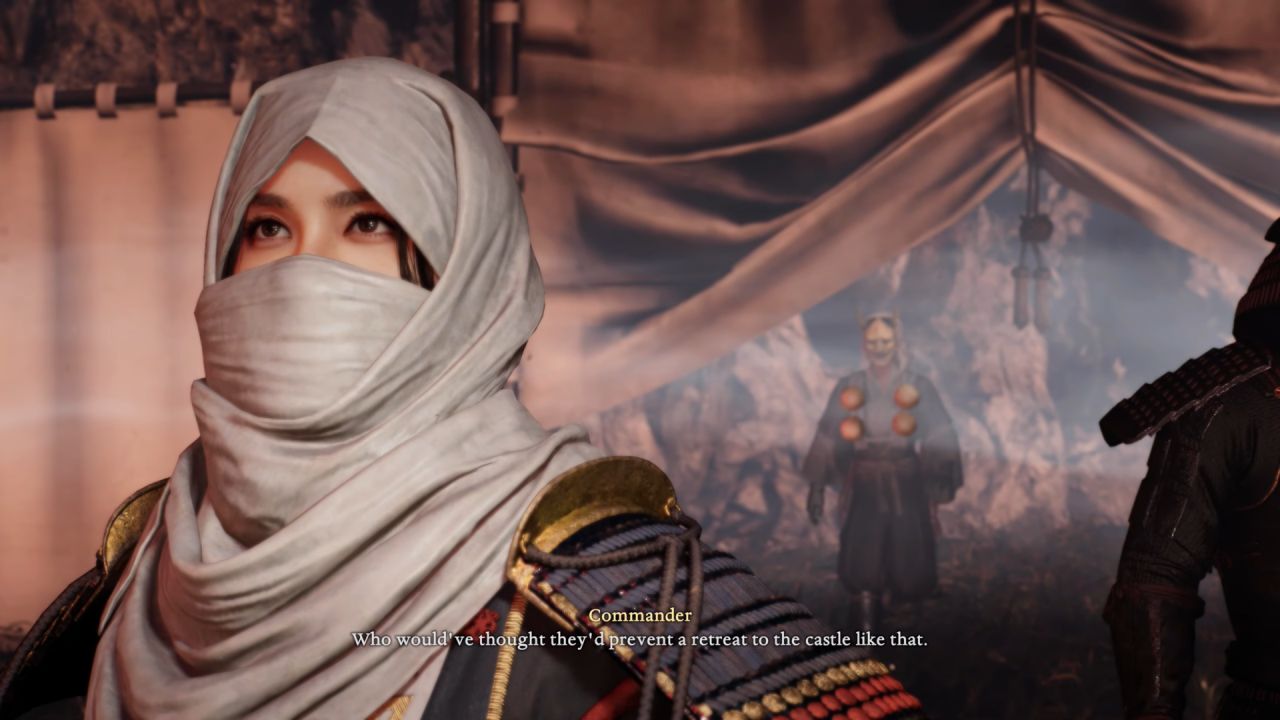
The open-world layout speeds things up, the two types of fighting let you be more creative, and the progression systems encourage you to try new things and be curious. This game wants you to fully interact with its features and play it the way it wants you to.
You have a clear idea of what the movie was about by the time the credits roll. Nioh 3 isn't perfect, but it's sure of itself, on track, and very rewarding. It knows what its audience wants and gives them an experience that puts control over spectacle. Nioh 3 is one of Team Ninja's best games if you like action RPGs that test your skills, reward learning, and let you make your own fighting style.
Contributor, NoobFeed
Verdict
Nioh 3 is a risky and difficult update that improves Nioh's combat and world design, but has problems with too many systems and speed. It is ambitious, not perfect, and very rewarding for those who are ready to master it.
90
Related News
No Data.