
Monster Hunter Stories 3: Twisted Reflection Review
PlayStation 5
A lavish turn-based odyssey that turns conservation, conflict, and creature mastery into one of Capcom’s most absorbing RPG loops.
Reviewed by Zahra Morshed on Mar 09, 2026
Monster Hunter has been developed by Capcom for decades into a language of pursuit, planning and payoff. However, Monster Hunter Stories 3: Twisted Reflection shows that the brand's DNA can grow just as strong in a turn-based format. TThis sequel to Monster Hunter Stories builds on the work of the first two games and is community-focused with more dramatic confidence, a bigger world and a stronger understanding of what makes collecting monsters feel important.
It doesn't just take on a well-known structure. It changes the meaning by adding political unrest, environmental disaster and a player's dream that is based on both responsibility and spectacle. As a result, the game appears both recognizable and new in its ambitions. It is an evolution whose identity is strengthened through purpose rather than surprise alone.
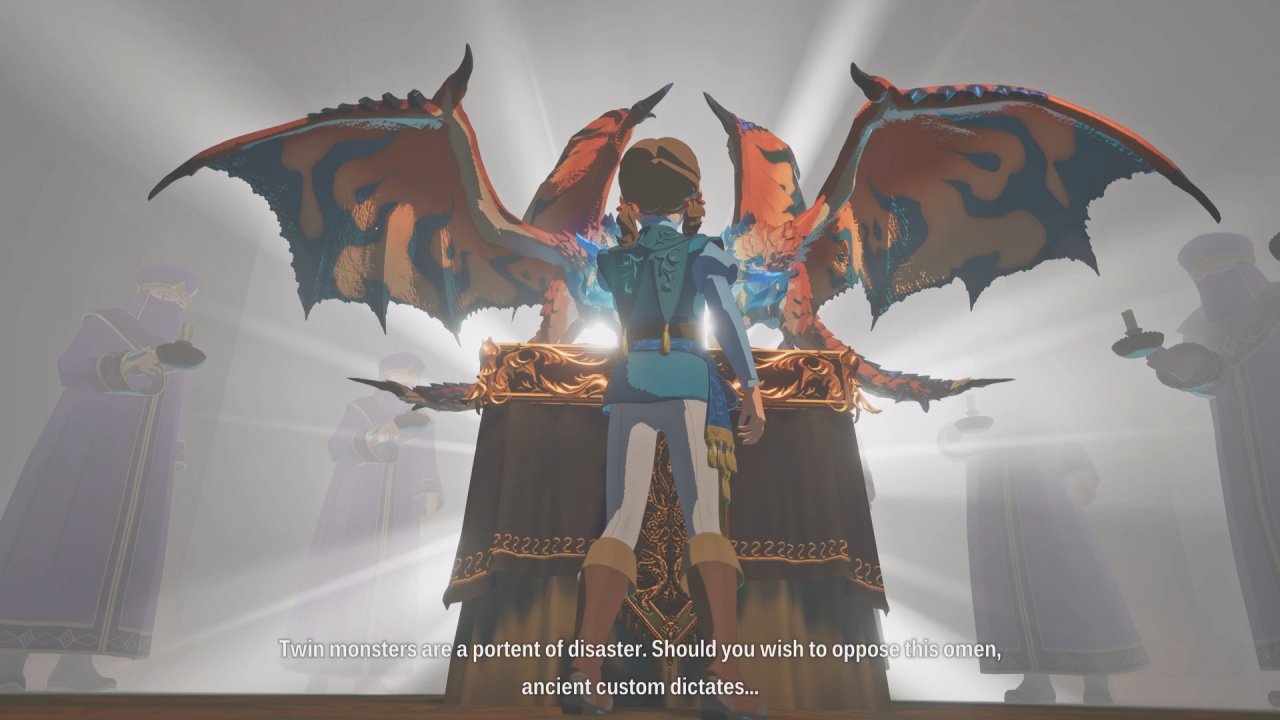
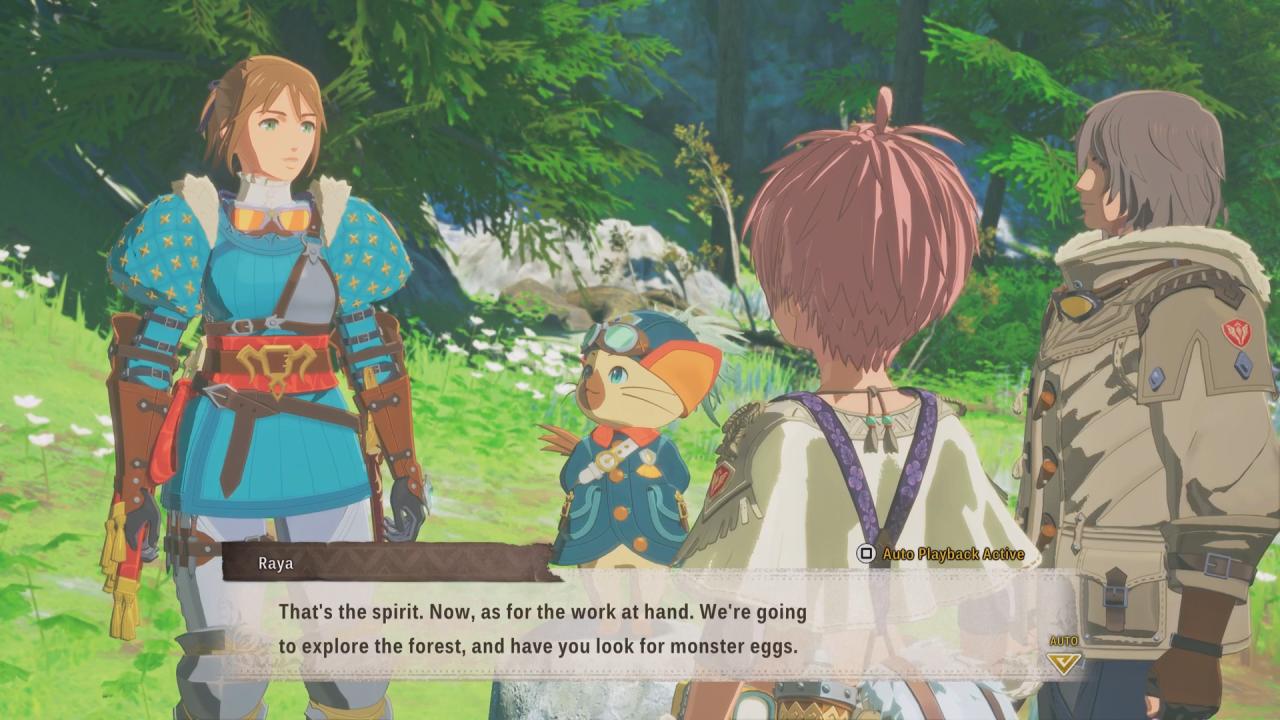
Tonal change stands out the most. Earlier games in the series relied on kid-friendly wonder and exciting adventures. Monster Hunter Stories 3: Twisted Reflection takes a more grown-up approach to its story without losing the warm feel that makes the subseries what it is. You play a character that is no longer a child. A child who does not know what's going on around them.
You are now the crown heir and a skilled Ranger who has already been changed because of duty.
That choice is important. Adding this makes the writing stronger, raises the stakes and makes the first few hours of the game feel decided instead of uncertain. Even before the systems are fully unveiled, it's clear that this chapter wants to be on the same level as bigger RPGs of its time and not just be a cute side branch.
At the start of the game, Azuria and Vermeil, two kingdoms, are on the verge of open war. At the same time, the Encroachment, a spreading crystalline plague, is changing the landscape and making monsters violently unstable. This setup works well since it does not use image files. Vermeil is not meant to be an easy bad guy, and Azuria is not safe because she is better than everyone else.
Fear, pressure and the loss of resources are making each country act. I like how this adds a welcome political depth to the story. It makes the big fight seem less staged and more like a part of the system. These days, there are a lot of fantasy stories based on vague prophecies. This one stands out because it builds tension around territory, survival and awkward relations.
It's smart that Princess Eleanor becomes the drama's emotional center. Her appearance gives the other country a human face through elegance instead of explanation, turning diplomacy into character instead of a lecture. Vermeil is far more than a map label or a wartime excuse because it uses food, memory and cultural details in a very skillful way.
The supporting actors around her range from quietly moving to underwritten at times, but the ensemble works because each person has a personal flaw or goal that adds to the emotional range of the trip. While not every arc hits as hard as others, the way the characters interact with each other as a group makes it so that everyone feels like they have a part in the quest, which keeps it from becoming a parade of lone heroes.
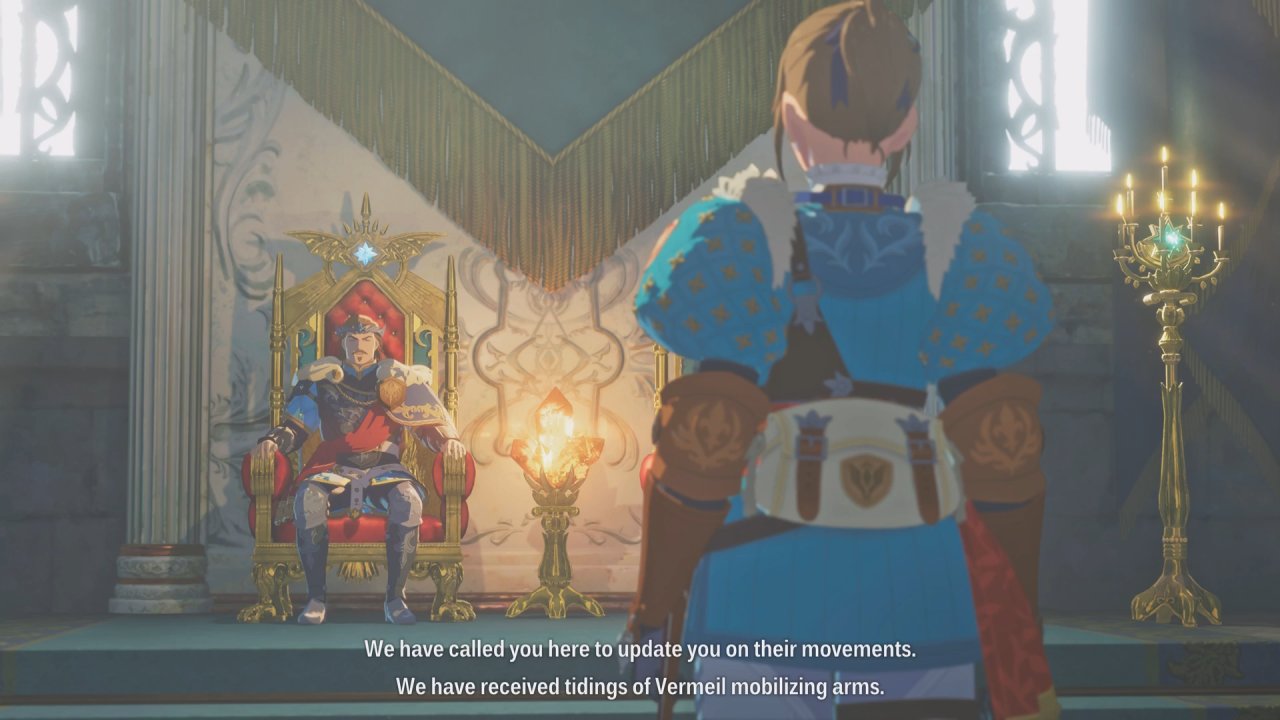
The writing is at its best when it gets more intense near the end. Monster Hunter Stories 3: Twisted Reflection knows how important momentum is, and when all of its main plot points finally come together, the last act has the kind of building emotional energy that turns good storytelling into memorable storytelling. There are consequences for betrayals.
And, revelations change your motivations and climactic confrontations that feel like you have won.
Still, the road is not completely smooth. Side stories in the middle of chapters can get in the way of the main plot at awkward times, creating a stop-and-start flow that can sometimes make things seem less urgent. The writing is good enough to get by, but the pace would have been better with a better way to add extra character information.
The game is basically a loop where you scout areas, track monsters, raid dens for eggs, hatch Monsties, tune builds, craft gear, fix up habitats and come back better for harder hunts. It gets really hard to put down Monster Hunter Stories 3: Twisted Reflection after that loop. Every move helps the next one.
When an expedition is successful, it brings back materials for weapons, eggs for future party choices, genes for building experiments and changes to the ecosystem that make later rewards better. The way the pieces fit together is very well done, and the structure builds motion without relying on busyness. Many times, you are working on more than one goal at the same time. This stacked progress makes even short game sessions feel like they're useful.
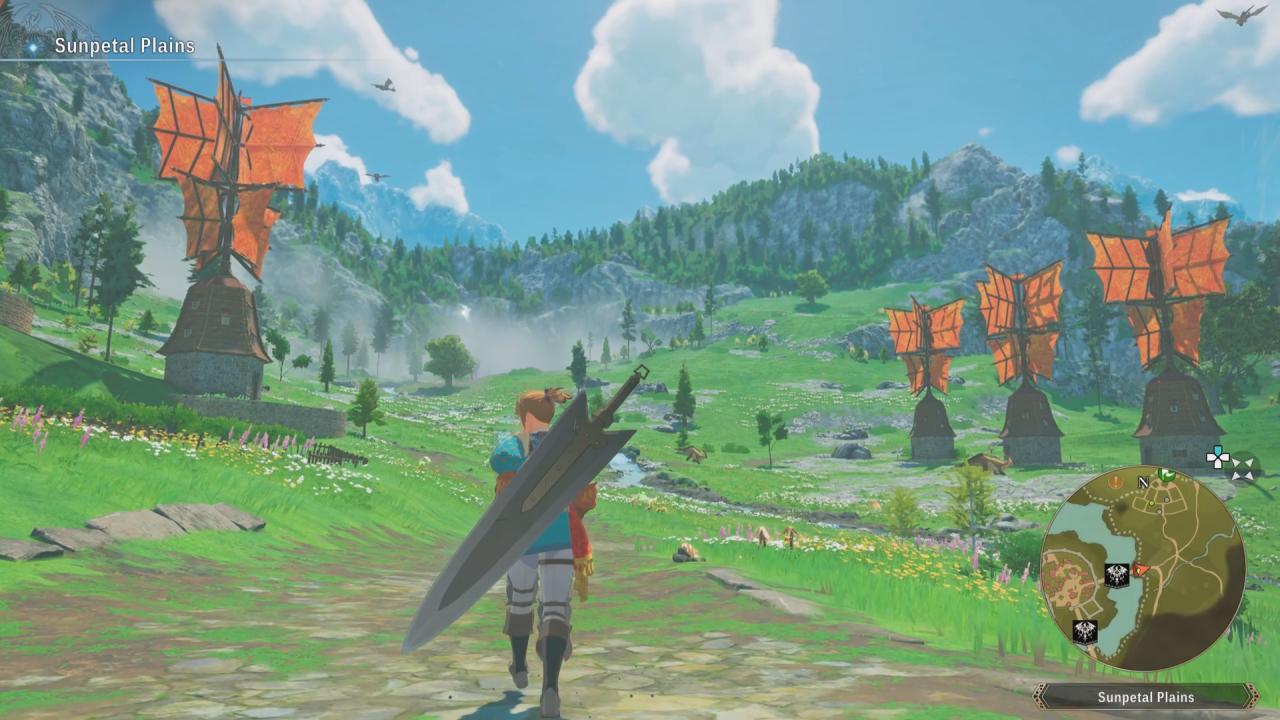
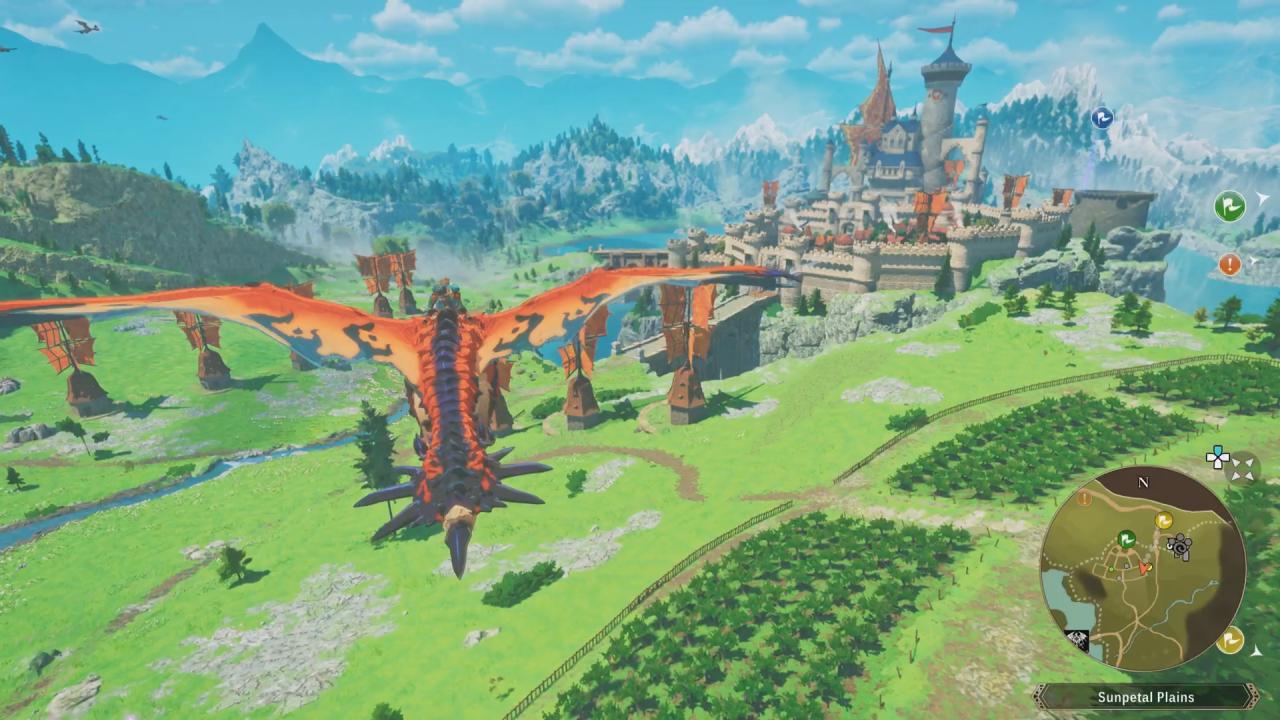
The game's landscape design makes exploration quite a lot more fun. The regions are big without feeling crowded, unique without feeling like they're stuck in one theme and full of ways to get from one area to another that depend on Monstie skills like swimming, climbing, burrowing and gliding. Especially smart is that last part.
Flight without limits, but a finely tuned sense of being able to move around in the air that makes the world feel big while still permitting written guidance. Placement of hidden routes, dens, resource nodes, endangered nests and fast-travel points is deliberate enough that finding still feels like it was done by a person, not an algorithm. This isn't just open-world growth for the sake of it. It is the design of space that encourages inquisitiveness and rewards knowing your way around.
Habitat Restoration, a system that changes monster gathering from private optimization to ecological authorship, is the most unique thing that the game adds. Putting Monsties back into the wild improves the quality of future eggs, raises the status of the area, brings in new, altered varieties and can even save endangered species once the invasive threats are gone.
It's a great idea because it connects the theme directly to progress. Instead of just gathering creatures for their stats or as trophies, you are part of a living cycle that restores balance and makes new creatures. Because of that design choice, Monster Hunter Stories 3: Twisted Reflection is different from other games in the monster-raising genre. It is still very interested in power, but it sees power as a way to live together instead of simply taking things from other people.
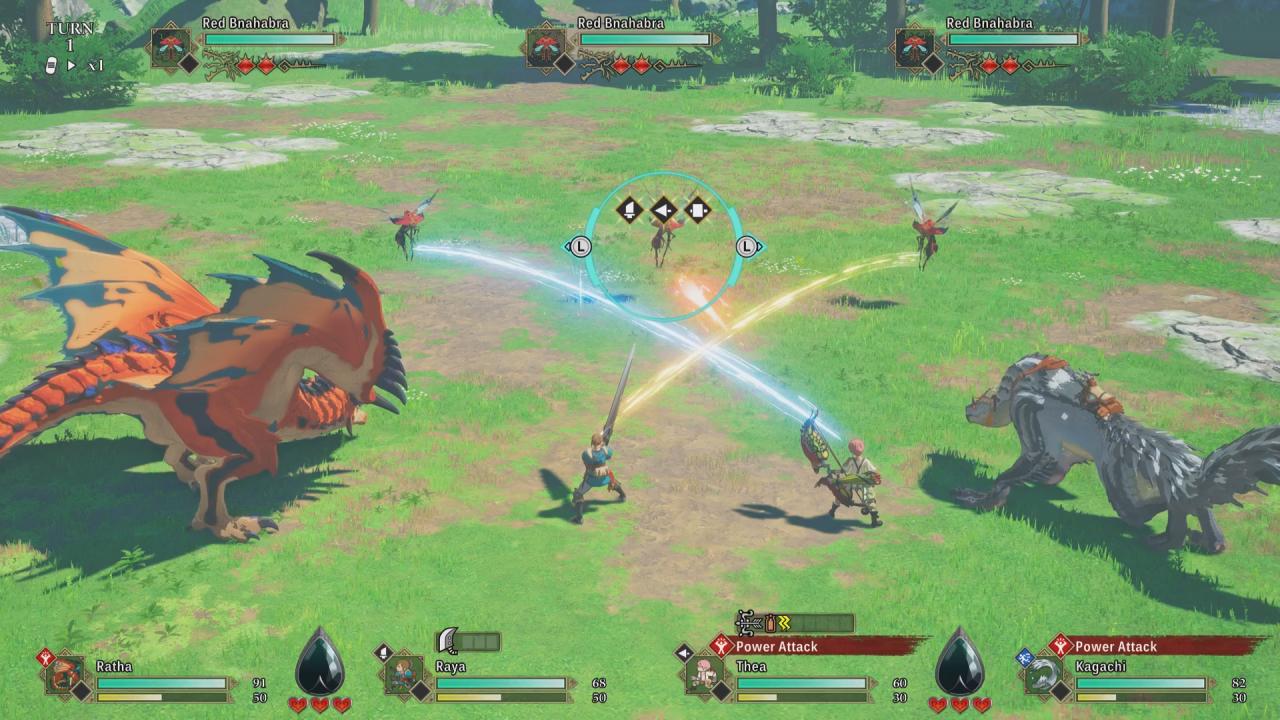
The combat is still turn-based, but it's not idle at all. Head-to-head fights are still based on the familiar triangle of Power, Speed and Technical strikes, but that's just the beginning. Monsters have weaknesses in different elements, body parts that can be targeted, stages that change and retaliation triggers that can punish bad sequencing. Different weapons do different amounts of damage, and managing your health adds another level of control over the pace.
You don't have to pick the clear counter to have a good encounter. Instead, you have to read behavior, keep resources safe, and build up time pressure across multiple parallel systems. The beat is planned, but it never gets boring.
You should pay attention, look for trends and be ready to change your plan if a monster changes its mind in the middle of a fight.
Feral Monster fights and advanced hunts against invasive or late-game threats are the best clashes. By punishing brute-force habits, these fights are like design shows that make you learn more about the systems. You shouldn't attack some parts without thinking.
Some attacks need special planning for gear or Monstie swaps. Others turn into small puzzles of battle where posture, sequence and restraint are more important than level. When the game gets to this level, it's great. Monster Hunter Stories 3: Twisted Reflection takes the intellectual thrill that has always been a part of Monster Hunter and turns it into a turn-based game without losing any of the tension, danger, or victory.
The puzzle element goes beyond fighting and includes controlling monsters and fixing problems in the environment. When monsters invade, you may need to find clues and use special moves to get rid of them. This can make battles feel more like boss fights than just damage checks. At the same time, the gene system promotes a very careful way of building.
Monsties have boards that can be changed by passing down attacks, passives, resistances and type synergies. This means that even within the same species, different jobs can be created. The thoughts are great. But the interface can get annoying when you're trying to optimize several Monsties at once, and some late-game micromanagement loses its character because of menu confusion instead of strategic nuance.
What makes it work is the number of consequences. From choosing a weapon to planning genes, every important battle system has a goal further down the line. Victory commonly feels like it was earned through hard work, not luck, which gives progress a truly satisfying feel. The game also does a good job of making fights look exciting.
Kinship Skills are fancy, weapon arts hit with dramatic force and even everyday meetings feel like they have a lot of animation to them. Reading ease during training works less well. A lot of mechanics are presented quickly, and not all of them are explained clearly enough. As a result, some of you may understand the rules without even realizing it before they read them.
Another split part is companion AI. It's usually good enough to sustain the momentum, but in higher-stakes battles, especially when parts that are likely to retaliate are involved, it can make bad choices. Those moments don't ruin the battle, but they do sometimes ruin the dream of working together as a team. Also, the game stumbles when it needs you to grind close to the end.
For most of the journey, exploring, optional hunts, side missions and combat based on curiosity are enough to get enough experience. Then the last part of the story quickly picks up the pace and sometimes asks for more level involvement than the story can handle.
The friction does not take away from the beauty of the loop, but it does show where the seam is.
Most of the time, people can accurately judge experience gain. Grinding doesn't seem like standing still very often because the game rewards so many tasks that happen next to each other. Getting the party ready means fighting new monsters, getting rid of optional threats, gathering rare eggs, fixing up habitats and making better gear.
Once your power level rises, quick wins in the Overworld against weaker enemies cut down on dead time even more. In other words, leveling is usually part of the story and not separate from it. That change has a big effect on the game. A bigger group doesn't just hit harder. It makes more strategies possible, encourages going back to riskier areas and turns earlier frustrations into later displays of skill. Progress does not feel abstract; it feels real.
The game is beautiful to look at. This aesthetic of Monster Hunter Stories 3: Twisted Reflection is stylized and expressive rather than realistic, and this choice pays off in every major way: character animation, biome variety, battle spectacle, and creature personality. In a colorful RPG setting, monsters still have their usual scary look, but they are easier to read and understand mentally.
When you cross open fields, follow rivers into hidden caves or glide over ridges toward dens, regions feel lush, sharply themed and aesthetically inviting. It's important that the art direction is more than just pretty. It makes sense. It makes the world feel like a place you could live, which is important in a game that relies on long-term involvement.
The way that fighting is shown is especially good. It feels different for each hit, and the way the big moves are set up really sells how powerful they are. The main thing to remember is Kinship Skills, but the little things are also very important.
For example, the snap of impact frames, the cocky stance of a monster starting a new phase, the confidence of weapon-specific animations and the slight shift in tone when a hunt becomes desperate are all important. The graphics of the game work just as well for setting the mood as they do for the gameplay. When an RPG with a lot of systems can show danger, chance and emotional growth just through animation, that's not just for looks. That is a very high level of skill.
It's just as good with the sound design.
The soundtrack in each area is unique, with different sounds like insects buzzing, wind, animals moving and space resonating to create a mood that might be soothing one minute and ominous the next. The music knows when to swell and when to fade, giving the exploration levels of sounddic personality to make the mood better without getting too much.
The battle themes, on the other hand, add the right amount of tension and the vocal performances give character scenes more power than the series has usually had. The sound design has a sense of confidence that fits with the game's larger goals. It's not something that goes along with the experience. It helps the author write with more feeling.
The music knows how to handle contrast, which is probably the best thing that can be said about it. The sound in Quiet Travel is never empty, and dramatic times are never squandered by too much bombast. This limit lets the game breathe. If you play a game with this many hours of content, your ears might get tired, but this game takes care of that problem. Monster Hunter Stories 3: Twisted Reflection uses music and atmosphere to set the pace, more than as pretty background noise. This makes both the worldbuilding and the story more satisfying.
Monster Hunter Stories 3: Twisted Reflection does well where it matters most, despite having some problems with pacing, menus that don't work smoothly, uneven tutorials and late-game grind spikes. It makes you want it. It wants to hatch one more egg, improve one more build, fight off one more invasive threat, recover one more habitat and see one more part of its world open up because it is curious.
In modern RPGs, that is the rarest cash. Not just density of information, but also momentum with meaning. The game keeps you playing for a long time not because of tricks that make you want to keep playing, but because its systems work well together and the world keeps living up to its promises.
It should also be praised for adding to the subseries' emotional and thematic language. There is a lot of trust in the way it weaves themes of protection, control, identity and friendship into a creature-collecting plot that could have easily stayed in its comfort zone. No modifications are made to the game. It sometimes goes into too much detail about the wrong things and not enough detail about the right ones.
Some character arcs need to be put in a better place. Interfaces for some systems need to be simpler. But its strengths aren't just on the surface. They are the basis. They make the whole thing different. Monster Hunter Stories 3: Twisted Reflection is much more than just a good follow-up to the first game. That this part of Monster Hunter has fully come into its own is a strong claim.
Contributor, NoobFeed
Verdict
Richly designed, and emotionally charged RPG, Monster Hunter Stories 3: Twisted Reflection, stumbles in pacing and onboarding, but its combat, worldbuilding, and restorative gameplay loop make it a standout triumph.
82
Related News
No Data.